
A patient’s budding cortex — in a dish?

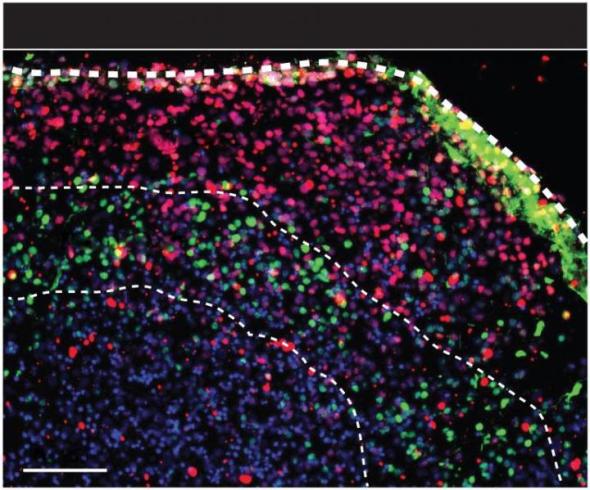
Neurons and supporting cells in the spheroids form layers and organize themselves according to the architecture of the developing human brain and network with each other.
Image credit goes to: Sergiu Pasca, M.D., Stanford University
A patient tormented by suicidal thoughts gives his psychiatrist a few strands of his hair. She derives stem cells from them to grow budding brain tissue harboring the secrets of his unique illness in a petri dish. She uses the information to genetically engineer a personalized treatment to correct his brain circuit functioning. Just Sci-fi? Yes, but…
Babies can think before they can speak

Two pennies can be considered the same — both are pennies, just as two elephants can be considered the same, as both are elephants. Despite the vast difference between pennies and elephants, we easily notice the common relation of sameness that holds for both pairs. Analogical ability — the ability to see common relations between objects, events or ideas — is a key skill that underlies human intelligence and differentiates humans from other apes.
Researchers find essential fats for brain growth
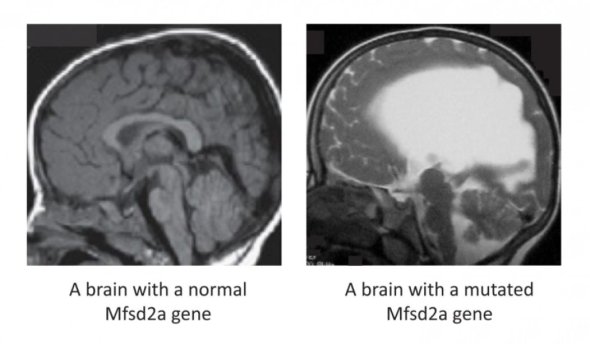
The difference between a brain with a normal Mfsd2a gene and a brain with a mutated Mfsd2a gene.
Image credit goes to: Guemez-Gamboa et al./ Nature Genetics
New research has proved that certain special fats found in blood are essential for human brain growth and function. The two studies showed that mutations in the protein Mfsd2a causes impaired brain development in humans. Mfsd2a is the transporter in the brain for a special type of fat called lysophosphatidylcholines (LPCs) — composed of essential fatty acids like omega-3. These studies show, for the first time, the crucial role of these fats in human brain growth and function.
This is your brain, on video games

A new study shows that while video game players (VGPs) exhibit more efficient visual attention abilities, they are also much more likely to use navigation strategies that rely on the brain’s reward system (the caudate nucleus) and not the brain’s spatial memory system (the hippocampus). Past research has shown that people who use caudate nucleus-dependent navigation strategies have decreased grey matter and lower functional brain activity in the hippocampus.
Air pollution is causing your baby problems, but breastfeeding can help

Aitana Lertxundi has conducted her research work within the framework of the INma (Childhood and Environment) programme led by Jesús Ibarluzea of the Department of Health of the Government of the Basque Autonomous Community (region). The aim is to assess how exposure to environmental pollution during pregnancy affects health and also to examine the role of diet in physical and neurobehavioural development in infancy. The study focusses on the repercussions on motor and mental development during the first years of life caused by exposure to the PM2.5 and NO2 atmospheric pollutants.
Are infections making you stupid?

New research shows that infections can impair your cognitive ability measured on an IQ scale. The study is the largest of its kind to date, and it shows a clear correlation between infection levels and impaired cognition. Anyone can suffer from an infection, for example in their stomach, urinary tract or skin. However, a new Danish study shows that a patient’s distress does not necessarily end once the infection has been treated.
Can drinking alcohol harm the child before the mother knows she is pregnant?

Photo credit goes to: Cute moments photography
These days pregnant “moms to be” have lots of things to worry about, from second hand smoke to the chemicals in their make-up. Well they can unfortunately add one more thing to that list, a new study finds that alcohol drunk by a mouse in early pregnancy changes the way genes function in the brains of the offspring. The early exposure was also later apparent in the brain structure of the adult offspring. The timing of the exposure corresponds to the human gestational weeks 3-6 in terms of fetal development.
(More) bad news for Vets: PTSD linked to accelerated aging

Vietnam Vet: A Hero’s Welcome
Image credit goes to: Mike Cherim via Getty Images
Before PTSD had a name there was shellshock. It was mysterious and much like today, not everyone showed symptoms so — for the most part — it was written off. In recent years however, public health concerns about post-traumatic stress disorder (PTSD) have risen significantly, driven in part by affected military veterans returning home. While this has opened the door for better care for people suffering from PTSD, it has also lead to some startling revelations about the extent of damage. New research that was just released, sad to say, doesn’t bode well for people with PTSD either.
Mind reading: Researchers observe moment a mind is changed

Researchers studying how the brain makes decisions have, for the first time, recorded the moment-by-moment fluctuations in brain signals that occur when a monkey making free choices has a change of mind. The findings result from experiments led by electrical engineering Professor Krishna Shenoy, whose Stanford lab focuses on movement control and neural prostheses – such as artificial arms – controlled by the user’s brain.
Procrastinate much? Science offers a way to stop
See more comics at explosm.net
Procrastination is the thief of time that derails New Year’s resolutions and delays saving for college or retirement, but researchers have found a way to collar it.
The trick? Think of the future as now.
The adolescent brain on alcohol: Changes last into adulthood

Repeated alcohol exposure during adolescence results in long-lasting changes in the region of the brain that controls learning and memory, according to a research team at Duke Medicine that used a rodent model as a surrogate for humans. The study provides new insights at the cellular level for how alcohol exposure during adolescence, before the brain is fully developed, can result in cellular and synaptic abnormalities that have enduring, detrimental effects on behavior.
Botox makes unnerving journey into our nervous system
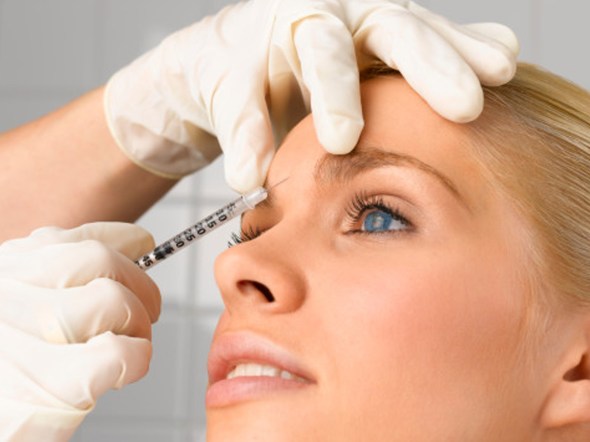
New research might bring a frown to even the most heavily botoxed faces, with scientists finding how some of the potent toxin used for cosmetic surgery escapes into the central nervous system. Researchers have shown how Botox – also known as Botulinum neurotoxin serotype A – is transported via our nerves back to the central nervous system.
Kids with ADHD must squirm to learn

For decades, frustrated parents and teachers have barked at fidgety children with ADHD to “Sit still and concentrate!” But new research shows that if you want ADHD kids to learn, you have to let them squirm. The foot-tapping, leg-swinging and chair-scooting movements of children with attention-deficit/hyperactivity disorder are actually vital to how they remember information and work out complex cognitive tasks.
Study links brain anatomy, academic achievement, and family income

Image credit goes to: Jose-Luis Olivares/MIT
Many years of research have shown that for students from lower-income families, standardized test scores and other measures of academic success tend to lag behind those of wealthier students. Well now a new study offers another dimension to this so-called “achievement gap”After imaging the brains of high- and low-income students, they found that the higher-income students had thicker brain cortex in areas associated with visual perception and knowledge accumulation.
Artificial blood vessel lets researchers assess clot removal devices
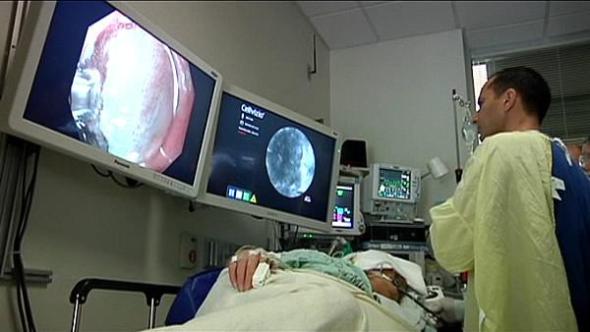
For the first time, researchers have created an in vitro, live-cell artificial vessel that can be used to study both the application and effects of devices used to extract life-threatening blood clots in the brain. The artificial vessel could have significant implications for future development of endovascular technologies, including reducing the need for animal models to test new devices or approaches.
Brain development suffers from lack of fish oil fatty acids
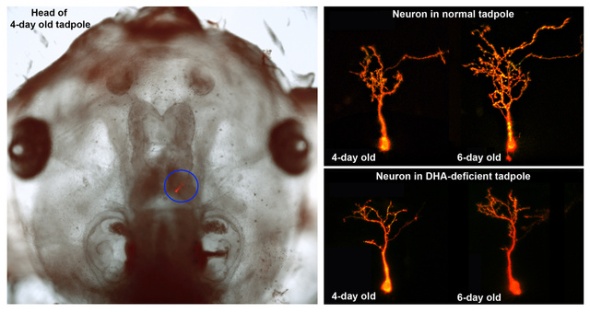
While being inundated with advertisements directed at moms to be, skeptical parents should question the supposed health benefits of anything being sold. However, while recent reports question whether fish oil supplements support heart health, scientists have found that the fatty acids they contain are vitally important to the developing brain. Meaning there might actually be truth in advertising — this time at least.
The placebome: Where genetics and the placebo effect meet
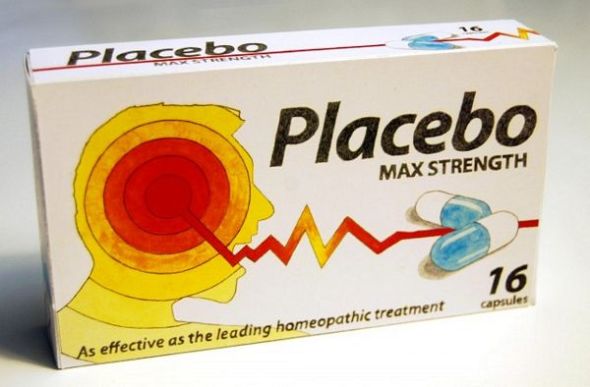
Placebos have helped to ease symptoms of illness for centuries and have been a fundamental component of clinical research to test new drug therapies for more than 70 years. But why some people respond to placebos and others do not remains under debate.
With the advent of genomics, researchers are learning that placebo responses are modified by a person’s genetics, a discovery that raises important new questions regarding the role of the placebo in patient care and in drug development: How many genetic biomarkers exist? Can the medical field harness the placebo response to enhance personalized medical treatment? What might be the impact of placebo-drug interactions? And what will this new information mean for randomized clinical trials, which depend on placebo controls to test the efficacy of new drug candidates? Should a “no-treatment” control be added to future trials?
Neuronal disorders and energy metabolism
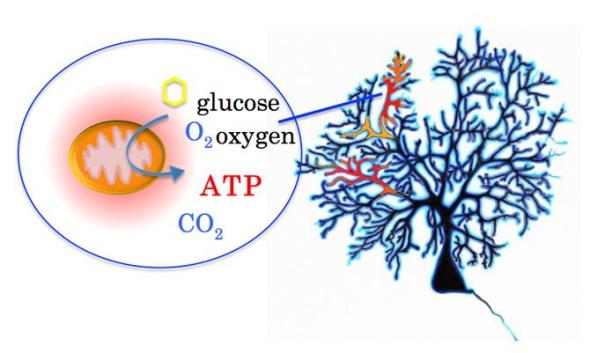
- Mitochondria are responsible for creating more than 90 percent of the energy needed by the body to sustain life and support growth. ATP energy is produced when the mitochondria transfers glucose and oxygen into water and carbon dioxide. How ATP is produced and delivered to intricate neuronal dendrites has been a mystery.
Image credit goes to: Mineko Kengaku, Kyoto University’s Institute for Integrated Cell-Material Sciences (iCeMS)
Scientists in Japan have have discovered how nerve cells adjust to low energy environments during the brain’s growth process. Their study may one day help find treatments for nerve cell damage and neurodegenerative disorders such as Alzheimer’s and Parkinson’s diseases.
Do you have the genes of a rapist?

Rape, it’s so taboo that victims are sometimes shamed for “letting” it happening. It’s a dirty word, no one likes the word rape so we come up with other names for it — sexual assault for example. Well new research shows that close relatives of men convicted of sexual offences commit similar offences themselves more frequently than comparison subjects. The study suggests that this is due to genetic factors rather than shared family environment. The study includes all men convicted of sex crime in Sweden during 37 years.
Master protein enhances learning, memory and fitness?!
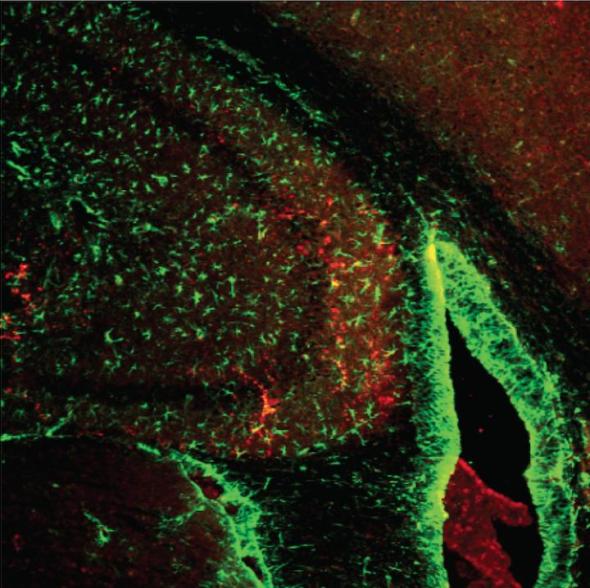
In this image, ERRγ is shown (stained red) in the hippocampus, the area of the brain largely responsible for memory. The new work could point to a way to enhance learning.
Image credit goes to: Salk Institute
You’re supposed to stay fit, the key to successful aging is to be active. Science doesn’t quite understand why, but staying fit helps keep our brain in shape as we get older. I hate to run, hate it, but I exercise my brain often. Truthfully, some people seem built to run marathons and have an easier time going for miles without tiring. Other individuals might be born with a knack for memorizing things, from times tables to trivia facts. These two skills―running and memorizing―are not so different as it turns out.
Researchers find protein that triggers lupus-associated immune system activation
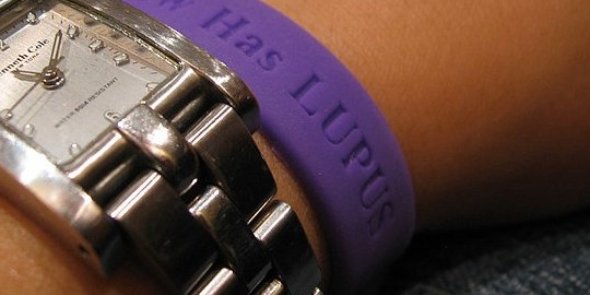
Researchers have identified an inflammatory molecule that appears to play an essential role in the autoimmune disorder systemic lupus erythematosus, commonly known simply as lupus. In their report the team describes finding that a protein that regulates certain cells in the innate immune system – the body’s first line of defense against infection – activates a molecular pathway known to be associated with lupus and that the protein’s activity is required for the development of lupus symptoms in a mouse model of the disease.
Beta secretase inhibitors offer treatment for Alzheimer’s disease
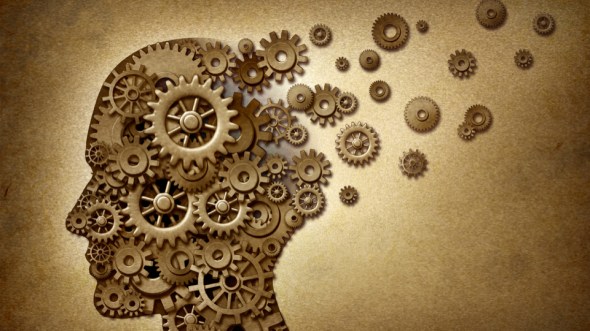
With each new amyloid-targeting treatment for Alzheimer’s disease that has been developed, there has been a corresponding concern. For example, antibodies targeting amyloid-β peptide (Aβ) produce inflammation in the brain in some patients. Gamma secretase inhibitors tend to produce adverse effects by interacting with Notch, an important pathway for cellular signaling. However, a new target for alzheimer’s is offering some new hope.
Underage drinking has lasting effects on the brain and epigenetics

The rise of underage drinking has almost left a sense that it is acceptable or even free of long-term consequences. Unfortunately because the brain continues forming long into the early twenties, environmental factors can have a large impact on the development. In fact, research shows that binge-drinking during adolescence may perturb brain development at a critical time and leave lasting effects on genes and behavior that persist into adulthood.
Ovulation changes women’s desire for variety in products

We know that hormones affect who we are, even when we aren’t aware of it. In the past scientists have found that people who are hungry tend to buy more things, no surprise for those of us who have shopped hungry. However, new research shows that women seek a greater variety of products and services, specifically when they are ovulating.
Welcome to the wikipedia for neurons
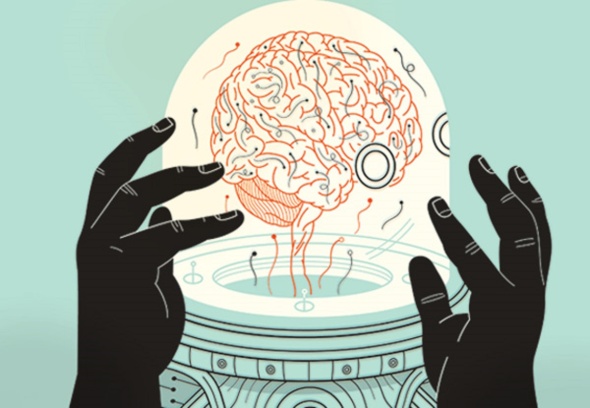
While the brain might not have more connections than stars in the universe (sorry guys), it is still complex. In fact, someone I respect defined a neuroscientist as “someone who knows how little we know about the brain.” Despite the decades worth of data that has been collected about the billions of neurons in the brain, we still don’t know much. So to help scientists make sense of the vast amount of information we already collected, researchers used data mining to create neuroelectro.org, a publicly available website that acts like Wikipedia, indexing physiological information about neurons.
Too much attention can be a deficit

Sometimes you need to unfocus
Sometimes being too focused on a task is not a good thing. During tasks that require our attention, we might become so engrossed in what we are doing that we fail to notice there is a better way to get the job done. For example, let’s say you are coming out of a New York City subway one late afternoon and you want to find out which way is west. You might begin to scan street signs and then suddenly realize that you could just look for the setting sun.
Researchers find how body’s good fat talks to the brain
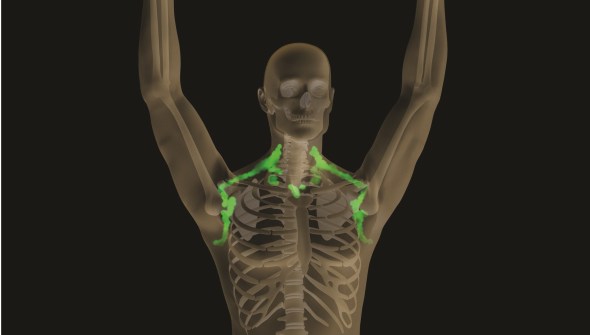
The typical areas where brown fat is stored in adults. (Unknown original source)
There are two types of fat we humans have — white and brown — unfortunately only one of them is “good fat” and it is unfortunately not the one we tend to produce. Well new research shows that brown fat tissue, the body’s “good fat,” communicates with the brain through sensory nerves, possibly sharing information that is important for fighting human obesity, such as how much fat we have and how much fat we’ve lost.
Music played by professionals activates genes for learning and memory

Music performance is known to induce structural and functional changes to the human brain and enhance cognition. However, the molecular mechanisms underlying music performance have been so far unexplored. A Finnish research group has now investigated the effect of music performance (in a 2 hr concert) on the gene expression profiles of professional musicians from Tapiola Sinfonietta (a professional orchestra) and Sibelius-Academy (a music university).
Stereotype lowers math performance in women, no one noticed

Stereotypes about people can affect how we look at a person, but sometimes it causes other problems. Gender stereotypes about women’s ability in mathematics negatively impact their performance. And in a significant twist, both men and women wrongly believe those stereotypes will not undermine women’s math performance — but instead motivate them to perform better.
High-fat diet causes brain inflammation and alters behavior

We hear in the media all the time, obesity is effecting our health. In most cases when we talk obesity we are talking about heart disease, sedentary activity, or chronic overeating. But what if a high-fat diet — regardless of obesity — has more than just an affect on your waistline? What if the consumption of fatty foods can change your behavior and your brain?
Immunotherapy, a promising new treatment of Alzheimer’s disease

Alzheimer’s disease, it slowly takes things away from the person without giving anything back. Right now there is no cure and at best we can slow the progression in some cases. Time is always a factor and no two cases are the same. However, new treatments are in the works and a new study has revealed that a single dose of an immunotherapy reverses memory problems in an animal model of Alzheimer’s disease.
Cracking the blood-brain barrier with magnetic nanoparticles
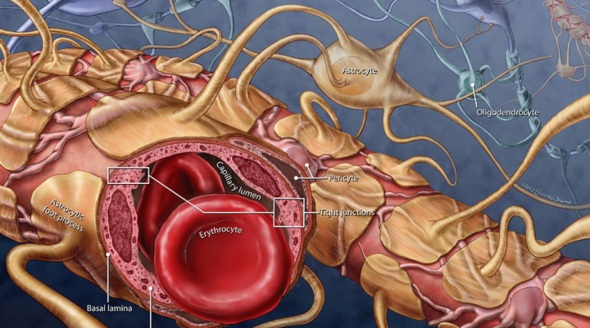
The blood-brain barrier, the thorn in the side of medicine. It makes using drugs directed for the brain ineffective at best and unusable at worst. This barrier runs inside almost all vessels in the brain and protects it from elements circulating in the blood that may be toxic to the brain. This barrier means that currently 98% of therapeutic molecules are also unable to cross to the brain. However, researchers now say magnetic nanoparticles can open the blood-brain barrier and deliver molecules directly to the brain.
Milk, not just for your bones, for your brain

Milk, depending on who you ask it’s either great or the devil. In the US drinking milk is common; not so much in other parts of the world. This has lead to questions about why we even drink milk and how real its reported health claims actually are. Well new research has found a correlation between milk consumption and the levels of a naturally-occurring antioxidant called glutathione in the brain in older, healthy adults.
The neurological basis for anorexia nervosa

Most of us know about dieting, and if not first hand, have seen in the news or from friends how hard sticking to a diet long-term can be. This is because adults (regardless of their weight_ resolve to lose weight. Yet, more often than not, that chocolate lava cake is too enticing and that resolve vanishes. This behavior is normal because hunger increases the intensity of food rewards. Yet, individuals with anorexia nervosa (AN), despite their state of starvation, are able to ignore such food-related rewards.
Not “just in your head,” brain networks differ among those with severe schizophrenia

The brain is plastic, it’s how we grow, it’s how we adapt, it is quite literally how we survive. This can unfortunately be to our detriment and new research shows that people with a severe form of schizophrenia have major differences in their brain networks compared to others with schizophrenia, bipolar disorder and healthy individuals. So while it may be true, that it is all be in your head, it isn’t how people usually mean it.
Does watching porn affect your performance in bed?

Pornography, it’s why google and other search engines have safesearch. It’s all around us and if sales are any indication, it is not going away. There have been lots of claims regarding it, but does a predilection for porn mean bad news in bed? That’s the conclusion of many clinicians and the upshot of anecdotal reports claiming a man’s habit of viewing sex films can lead to problems getting or sustaining an erection, but what does science say?
Classical Music modulates genes responsible for brain functions

Although listening to music is common in all societies, the biological determinants of listening to music are largely unknown. According to a latest study, listening to classical music enhanced the activity of genes involved in dopamine secretion and transport, synaptic neurotransmission, learning and memory, and down-regulated the genes mediating neurodegeneration. Several of the up-regulated genes were known to be responsible for song learning and singing in songbirds, suggesting a common evolutionary background of sound perception across species.
Depressed parents cause anxiety and bad behavior in toddlers

Credit for this all too true look at parenting goes to the one and only The Oatmeal, you can find more minor differences here.
Being a new parent can be stressful, new mothers can suffer from postpartum depression and even new fathers can find the changes stressful enough to cause depression. Unfortunately– and if that wasn’t bad enough– a new study shows that a father’s depression during the first years of parenting – as well as a mother’s – can put their toddler at risk of developing troubling behaviors such as hitting, lying, anxiety and sadness during a critical time of development.
The cerebral cortex: we can rebuild it, we have the technology
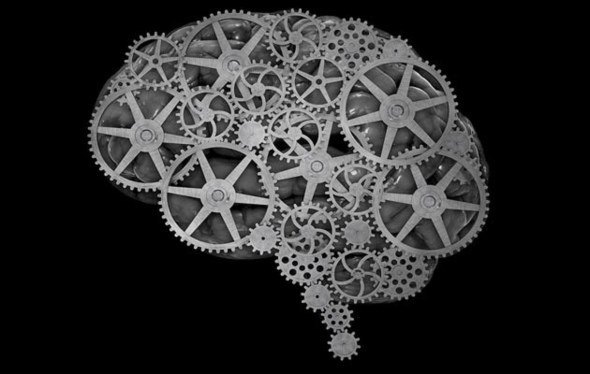
While the first actual bionic man (or woman) might still be a ways off, the writers of the show might be impressed at this. A international team of researchers, have just taken an important step in the area of cell therapy: repairing the cerebral cortex of the adult mouse using a graft of cortical neurons derived from embryonic stem cells.
New understanding of genetics behind the autism spectrum

Autism is a spectrum, because it isn’t a clear-cut diagnosis — and because the brain is so complex — it has been hard to figure out what causes autism. This uncertainty has led rise to the anti-vaccination movement along with other groups who are at best misinformed and at worst trying to make a quick dollar. However, a new study reveals an important connection between dozens of genes that may contribute to autism, a major step toward understanding how brain development goes awry in some individuals with the disorder.
Alzheimer’s, the autoimmune disease?

Brain levels of the lipid ceramide are high in Alzheimer’s disease, and now scientists have found increased levels of an antibody to the lipid in their disease model. While some members of this lipid family are a plus in skin cream, inside the brain, ceramide appears to increase beta amyloid production and help the iconic plaque kill brain cells in Alzheimer’s.
Trust issues? It may be your brain structure


Ever feel too trusting, or maybe not trusting at all? Well a recent study shows differences in brain structure according to how trusting people are of others. Teasing out the intricacies of the brain hasn’t been an easy job; if it were we probably wouldn’t be intelligent enough to figure it out. Because of this complexity, we also have higher risk of psychological conditions. Interestingly enough, this research may have implications for future treatments of those conditions, conditions such as autism or other attachment disorders.
People with anorexia and body dysmorphic disorder have similar brain abnormalities


Imagine looking in the mirror and not seeing yourself. Imagine losing weight and seeing a lower number on the scale, but when looking in the mirror you are still just as fat. Suffering from anorexia or other body dysmorphic disorders live like that daily. They literally don’t see what you and I might see when we look at them. It’s not their fault and a new study suggests that people suffering from anorexia or body dysmorphic disorder have similar abnormalities in their brains that affect their ability to process visual information.
Not “just” crazy – Some psychoses caused by autoimmunity

Antibodies defend the body against bacterial, viral, and other invaders. But sometimes the body makes antibodies that attack healthy cells. In these cases, autoimmune disorders develop. Immune abnormalities in patients with psychosis have been recognized for over a century, but it has been only relatively recently that scientists have identified specific immune mechanisms that seem to directly produce symptoms of psychosis, including hallucinations and delusions. In other words, some forms of psychoses might just be an autoimmune disorder.
A study of twins shows that autism is largely genetic

In the fight against misinformation about autism it seems science is starting to come out on top, finally. A new study hopes to add to the recent advancements made in the understanding of autism, which finds that a substantial genetic and moderate environmental influences were associated with risk of autism spectrum disorder (ASD) and broader autism traits in a study of twins.
Early life stress may result in a serotonin deficiency

If you have experienced — or are experiencing — mood disorders like anxiety or depression, you know about SSRI’s and chances are they didn’t do much for you. In fact studies indicate that the majority of people with mood and anxiety disorders who receive Selective Serotonin Reuptake Inhibitors (SSRI’s) are not helped by these medications. Sadly, they are the most commonly prescribed class of antidepressant medications, this is because SSRIs are designed to increase serotonin levels, a neurotransmitter in the brain that is key to maintenance of mood.
Drug already on the market could help treat MS and other neurological diseases
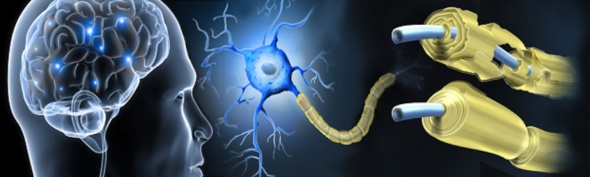
Multiple sclerosis, unless you suffer from nerve damage it is a pain you (thankfully) will never have to feel. In most cases, treating the brutal pain caused by this (and other neurological diseases) is the only help that can be offered to people. The pain is caused by damage to myelin, the fatty insulator that enables communication between nerve cells, which characterizes multiple sclerosis (MS) and other devastating neurological diseases.
New compounds protect nerves from the damage of MS
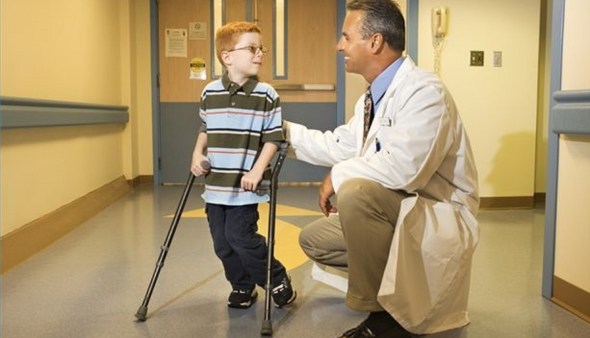
Autoimmune diseases are tough to live with, frankly we don’t really understand the reasons they start at all, how to treat them, or even where to start in forming a cure. Well there might be some good news — as far as a treatment goes anyway — a newly characterized group of pharmacological compounds block both the inflammation and nerve cell damage seen in mouse models of multiple sclerosis.
Dr. Frankenstein might be impressed, the human head transplant

Sure it sounds like something from the book Frankenstein, but Sergio Canavero of the Turin Advanced Neuromodulation Group has made it known that he intends to announce at this summer’s American Academy of Neurological and Orthopedic Surgeons meeting, that he believes he has put together a group of techniques that should make it possible to attach a human donor body to a head.
Brain waves help memory formation
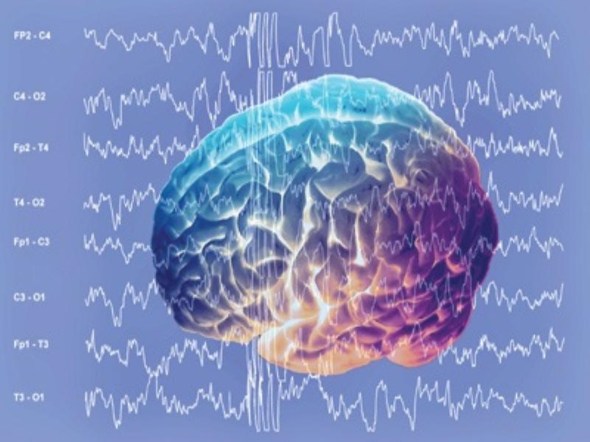
Our brains generate a constant hum of activity: As neurons fire, they produce brain waves that oscillate at different frequencies. Long thought to be merely a byproduct of neuron activity, recent studies suggest that these waves may play a critical role in communication between different parts of the brain.


 Lunatic Laboratories