
Postpartum depression least severe form of depression in mothers

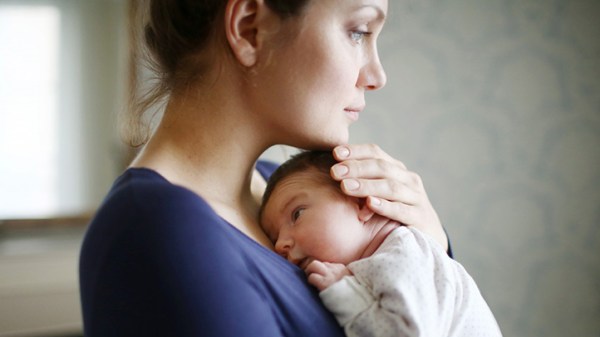
Postpartum depression–a household term since actress Brooke Shields went public in 2005 about her struggle with it–is indeed serious. But depression that begins before or during pregnancy is often more severe because it lasts longer and usually goes undetected until the doctor screens for it after the birth of the baby.
Even when help is just a click away, stigma is still a roadblock

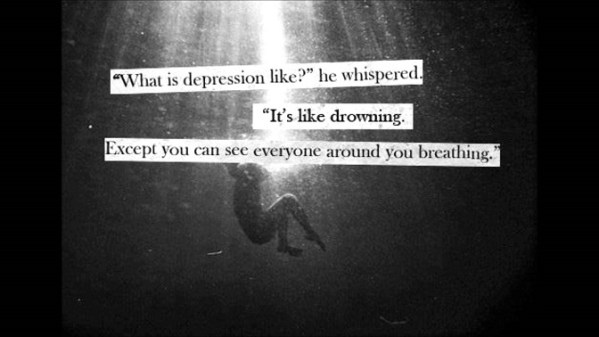
Stigma is a major barrier preventing people with mental health issues from getting the help they need. Even in a private and anonymous setting online, someone with greater self-stigma is less likely to take that first step to get information about mental health concerns and counseling.
Experimental antibiotic treats deadly MRSA infection

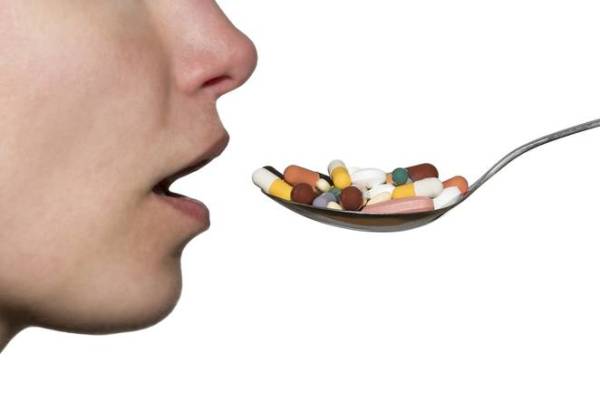
The antibiotic arms race is on, while we are rushing to find new antibiotics, bacteria are working on finding ways around them. With that in mind, a new experimental antibiotic developed by a team of scientists successfully treats the deadly MRSA infection and restores the efficacy of a commonly prescribed antibiotic that has become ineffective against MRSA.
Researchers show copper is essential for burning fat


Is copper deficiency contributing to the obesity epidemic? Though small amounts of copper are essential to health – oysters, liver, beans and nuts are good sources – copper’s role in metabolism has been unclear: Some studies found that it boosted fat burning, others that it depressed it.
New tool brings personalized medicine closer

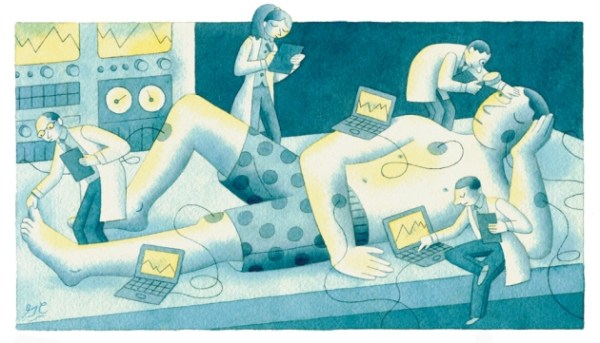
Scientists have developed a powerful tool for exploring and determining the inherent biological differences between individuals, which overcomes a major hurdle for personalized medicine.
Researchers watch skin cells ‘walk’ to wounds

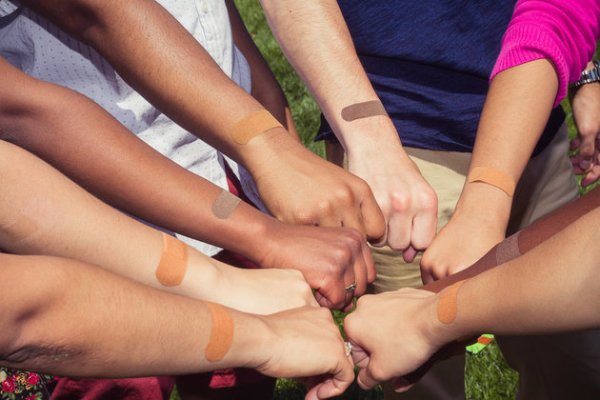
New research is giving a whole new meaning to feeling your skin crawl. Skin cells typically spend their entire existence in one place on your body. But researchers have seen how the cells will alter the proteins holding them in place and move to repair a wound.
Air pollution affects young people’s psychiatric health


Smog has been a part of modern life since the industrial revolution, unfortunately all that pollution isn’t just hurting the environment — but come on, you saw this coming… right? New research from Sweden indicates that dispensed medication for psychiatric diagnosis can be related to air pollution concentrations. More and more studies show that the brain and human cognitive development are affected by pollution.
Mobilizing mitochondria may be key to regenerating damaged neurons
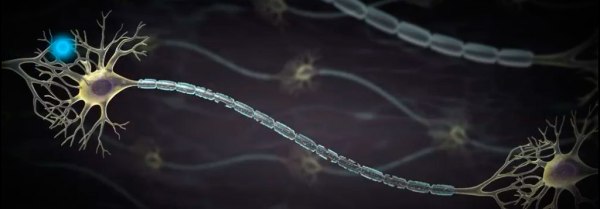
Mitochondria, sure it’s the powerhouse of the cell, but maybe it can be much more that. At least that’s what it looks like thanks to researchers at the National Institute of Neurological Disorders and Stroke who have discovered that boosting the transport of mitochondria along neuronal axons enhances the ability of mouse nerve cells to repair themselves after injury.
The truth is out there: Scientists unlock X-Files DNA mystery


Scientists have unlocked a crucial part of the mystery as to how our DNA can replicate and repair itself – something which is essential for all life forms. The new research has revealed how branched DNA molecules are removed from the iconic double-helical structure -a process which scientists have been looking to unlock for over 20 years.
Zika virus directly infects brain cells and evades immune system detection
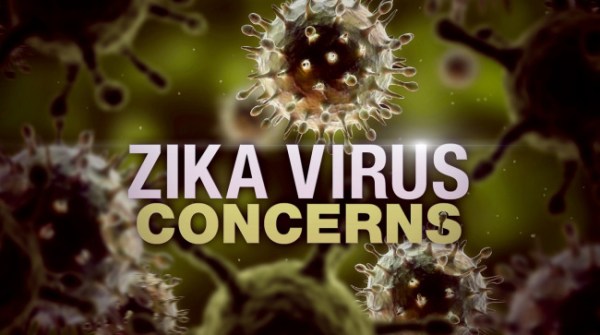
The mosquito-borne Zika virus linked to microcephaly and other neurological problems in newborns of affected mothers directly infects the brain progenitor cells destined to become neurons. The team of researchers used a strain of Zika currently impacting the Americas, and found that the virus infects about 20 percent of cells on average, evades immune system detection, and continues to replicate for weeks.
Google searches for ‘chickenpox’ reveal big impact of vaccinations

Countries that implement government-mandated vaccinations for chickenpox see a sharp drop in the number of Google searches for the common childhood disease afterward, demonstrating that immunization significantly reduces seasonal outbreaks. That’s one of the findings from a new study that analyzed thousands of Google searches for “chickenpox.”
Why everyone wants to help the sick — but not the unemployed


New research explains why healthcare costs are running out of control, while costs to unemployment protection are kept in line. The answer is found deep in our psychology, where powerful intuitions lead us to view illness as the result of bad luck and worthy of help.
Schizophrenia: The brain has the ability to rescue itself


A team of scientists have shown that the brains of patients with schizophrenia have the capacity to reorganize and fight the illness. This is the first time that imaging data has been used to show that our brains may have the ability to reverse the effects of schizophrenia.
How the brain makes — and breaks — a habit

Not all habits are bad. Some are even necessary. It’s a good thing, for example, that we can find our way home on “autopilot” or wash our hands without having to ponder every step. But inability to switch from acting habitually to acting in a deliberate way can underlie addiction and obsessive compulsive disorders.
Humiliation from stares are worse than tiny seats for obese air travelers


Feelings of shame and humiliation bother obese air passengers more than tight seat belts and tiny seats, according to a study published by Ben-Gurion University of the Negev (BGU) researchers. Participants interviewed for the study recounted the typical challenges they encounter while boarding, in-flight and deplaning.
Extreme beliefs often mistaken for insanity


In the aftermath of violent acts such as mass shootings, many people assume mental illness is the cause. After studying the 2011 case of Norwegian mass murderer Anders Breivik, researchers are suggesting a new forensic term to classify non-psychotic behavior that leads to criminal acts of violence.
How depression and antidepressant drugs work


Treating depression is kind of a guessing game. Trying to find a medication that works without causing side effects can take months, or more likely, years. However, new research demonstrates the effectiveness of ketamine to treat depression in a mouse model of the disease and brings together two hypotheses for the cause of depression.
Bacteria in branches naturally fertilize trees


The bacteria in and on our bodies have been shown to be vital for human health, influencing nutrition, obesity and protection from diseases. But science has only recently delved into the importance of the microbiome of plants. Since plants can’t move, they are especially reliant on partnerships with microbes to help them get nutrients.
You are what you eat: Immune cells remember their first meal

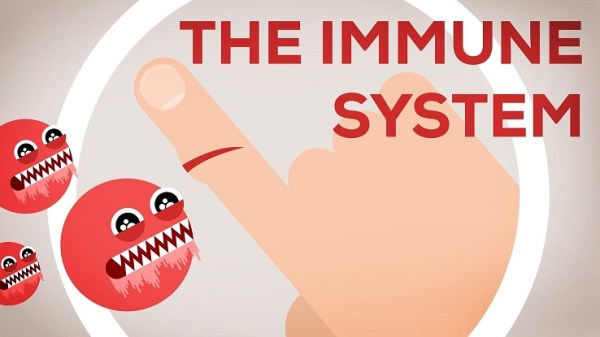
Scientists have identified the trigger for immune cells’ inflammatory response — a discovery that may pave the way for new treatments for many human diseases. Immune cells play essential roles in the maintenance and repair of our bodies. When we injure ourselves, immune cells mount a rapid inflammatory response to protect us against infection and help heal the damaged tissue.
Your friends have more friends than you do


No matter how smart and funny you think you are, those you follow on Twitter really do have a larger following than you. And the same holds true for Facebook. But there is no reason to feel badly about any of this. According to the research, it is all due to the inherently hierarchical nature of social media networks, where, in the social hierarchy of connections, people mostly either follow up or across; they rarely follow down.
Converting cells to burn fat, not store it


Researchers have uncovered a new molecular pathway for stimulating the body to burn fat — a discovery that could help fight obesity and cardiovascular disease.By focusing on a protein known as folliculin, and knocking out the gene that produces it in fat cells, the researchers triggered a series of biomolecular signals that switched the cells from storing fat to burning it.
Brain cells that aid appetite control identified


It’s rare for scientists to get what they describe as “clean” results without spending a lot of time repeating the same experiment over and over again. But when researchers saw the mice they were working with doubling their weight within a month or two, they knew they were on to something.
Bacteria are individualists

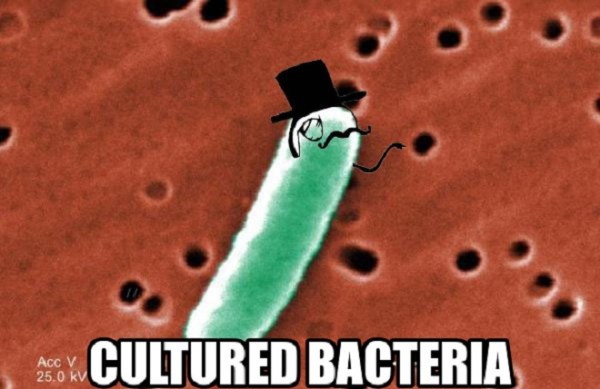
No two bacteria are identical – even when they are genetically the same. A new study from researchers reveals the conditions under which bacteria become individualists and how they help their group grow when times get tough. Whether you are a human or a bacterium, your environment determines how you can develop.
Neuroscientists discover new learning rule for pattern completion
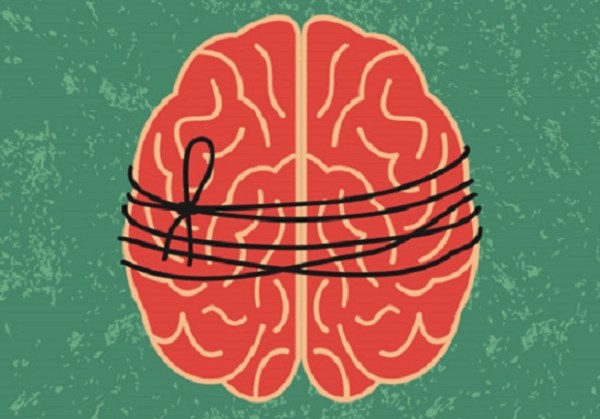
Recently, scientists discovered a new learning rule for a specific type of excitatory synaptic connection in the hippocampus. These synapses are located in the so-called CA3 region of the hippocampus, which plays a critical role for storage and recall of spatial information in the brain. One of its hallmark properties is that memory recall can even be triggered by incomplete cues. This enables the network to complete neuronal activity patterns, a phenomenon termed pattern completion.
Could flies help us understand brain injuries?
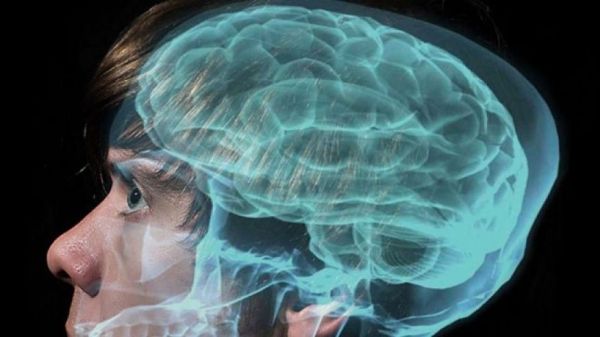
Each year, an estimated 1.7 million people in the United States sustain traumatic brain injuries (TBIs), according to the U.S. Centers for Disease Control and Prevention. These injuries occur most frequently from falling, but can also result from military combat, car accidents, contact sports or domestic abuse. Recently, physicians and researchers have become increasingly concerned that even mild cases of repetitive brain trauma could have long-term, unanticipated consequences.
Research shows body image linked to overall life satisfaction

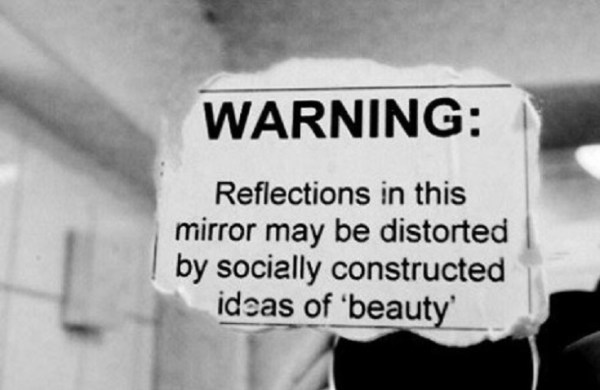
We’re constantly bombarded by advertisements telling us we are too fat, too thin, not curvy enough, not flat enough — or more often than not — simply not enough. It shouldn’t be a surprise to see that effect our day to day life, like it or not — and it has. Researchers have just published results from a national study on the factors linked to satisfaction with appearance and weight.
Epigenetic study of lactose intolerance may shed light on the origin of mental illness


A new study on the epigenetics of lactose intolerance may provide an approach to understanding schizophrenia and other complex, serious illnesses. While that may seem odd, both lactose intolerance and schizophrenia are inherited. In addition, neither condition emerges in the first years of life, but rather both appear years or even decades later.
Digital media may be changing how you think


Tablet and laptop users beware. Using digital platforms such as tablets and laptops for reading may make you more inclined to focus on concrete details rather than interpreting information more abstractly, according to a new study. The findings serve as another wake-up call to how digital media may be affecting our likelihood of using abstract thought.
Antibody therapy opens door to potential new treatment for HIV
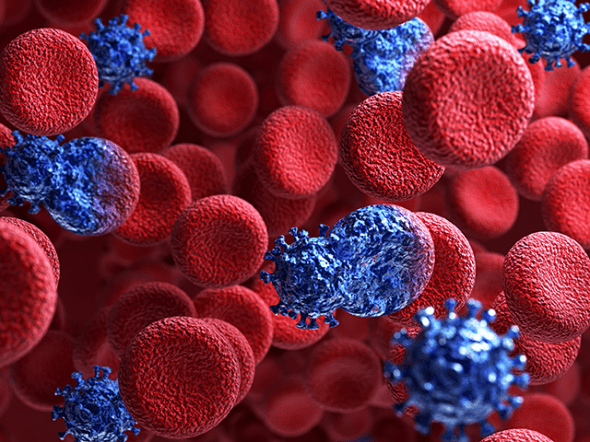
The development of antiretroviral therapy, a combination of drugs that slows the replication of HIV in the body, has transformed the treatment of this infection. What was once a certain death sentence is now a chronic condition that people can live with for decades. But this therapy has drawbacks. There are side effects, including kidney problems, decreased bone density, and gastrointestinal problems. And if a person discontinues his or her treatment, even missing a few doses, the level of the virus in the body is able to rebound quickly.
Smartphones uncover how the world sleeps


A pioneering study of worldwide sleep patterns combines math modeling, mobile apps and big data to parse the roles society and biology each play in setting sleep schedules. The study used a free smartphone app that reduces jetlag to gather robust sleep data from thousands of people in 100 nations. The researchers examined how age, gender, amount of light and home country affect the amount of shut-eye people around the globe get, when they go to bed, and when they wake up.
Origin of synaptic pruning process linked to learning, autism and schizophrenia identified

Vaccines don’t cause autism, but because the brain is so complex, we still don’t know how much of it works so figuring out the real causes (as in more than one) of autism has been slow going. Well, researchers have identified a brain receptor that appears to initiate adolescent synaptic pruning, a process believed necessary for learning, but in this case it is one that appears to go awry in both autism and schizophrenia.
Influence of religion and predestination on evolution and scientific thinking

Generally seen as antithetical to one another, evolution and religion can hardly fit in a scientific discourse simultaneously. However, in a new article, a biology researcher delves into observations on the influences a few major religions have had on evolutionists and their scientific thinking over the centuries.
Salts in the brain control our sleep-wake cycle
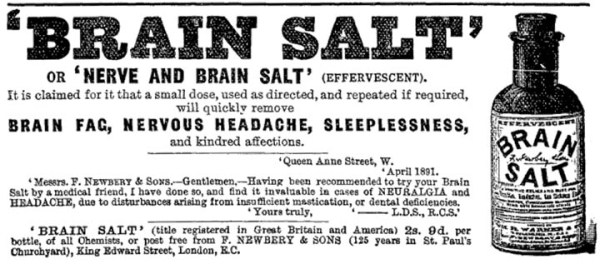
Insomnia, fun fact those of us who have served or are serving in the military have a much higher incidence of sleep problems. So if you are like me and have ever been prescribed something to help you sleep, you know that there are some unwanted side effects. For instance the time I lost memory of a whole day of interacting with people to the ambien I had taken the night before, not fun. Thankfully Danish researchers found that the level of salts in the brain plays a critical role in whether we are asleep or awake.
Don’t retweet if you want to remember


The whole of human intelligence, right at your fingertips. Sure it might not make the layman an engineer or physicist, but if we want to learn about a particular topic the internet can give us that information. But you better hold on tight before you lose it. New research finds retweeting or otherwise sharing information creates a “cognitive overload” that interferes with learning and retaining what you’ve just seen.
Measuring happiness on social media


Happiness. It’s something we all strive for, but how do we measure it — as a country? A global community? Not so surprisingly, researchers are turning to social media to answer these questions and more. In a newly published study, computer scientists used two years of Twitter data to measure users’ life satisfaction, a component of happiness.
What scientists know — and don’t know — about sexual orientation


Over the last 50 years, political rights for lesbian, gay, and bisexual (LGB) individuals have significantly broadened in some countries, while they have narrowed in others. In many parts of the world, political and popular support for LGB rights hinges on questions about the prevalence, causes, and consequences of non-heterosexual orientations.
Finding sleep’s sweet spot

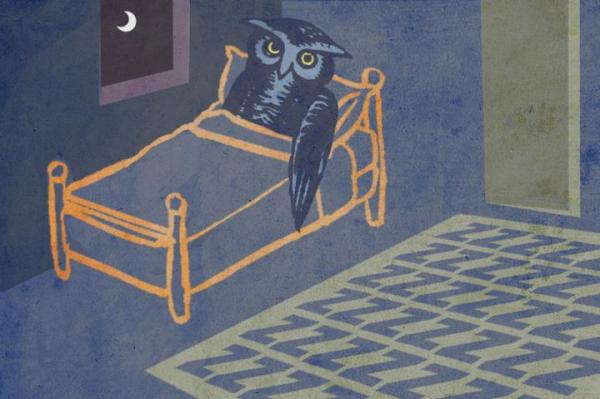
Image credit goes to: University of Delaware
No one is telling you what time to go to bed with this, but researchers are making a strong case that the duration and timing of your sleep are closely associated with whether your behavior is heart-healthy. Night owls should take special note of a new study that found the early-to-bed, early-to-rise approach aligns much better with cardiovascular health.
Sleep loss detrimental to blood vessels


We all know lack of sleep is bad for the brain, but lack of sleep has even been found to impact the activation of the immune system, inflammation, carbohydrate metabolism and the hormones that regulate appetite. Worse still, researchers in a new study have found that sleep loss also influences cholesterol metabolism.
Bad news, fructose alters hundreds of brain genes


Got a sweet tooth? Maybe you even have some sugary goodness with you right now… as you are reading this. Well you may want to put that down.We know a range of diseases — from diabetes to cardiovascular disease, and from Alzheimer’s disease to attention deficit hyperactivity disorder — are linked to changes to genes in the brain. Unfortunately for those who love their pop tarts, a new study has found that hundreds of those genes can be damaged by fructose, a sugar that’s common in the Western diet, in a way that could lead to those diseases.
Transfer of gut bacteria affects brain function and nerve fiber insulation

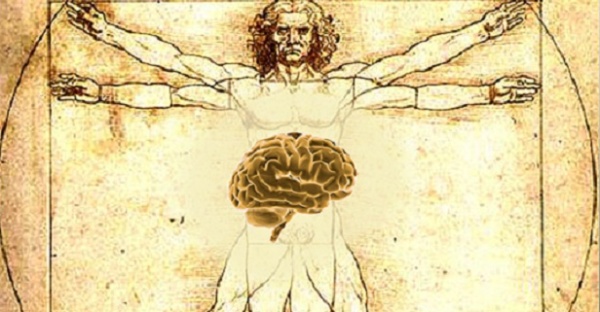
Quick hide, shut your windows and lock your doors, are you alone? No, you aren’t that’s the problem and what’s worse, you are being controlled. This isn’t a plot for the latest thriller, this is the findings of a new study and adds to growing number of studies showing that our bacteria is more of us than we realize. In fact, the study found that specific combinations of gut bacteria produce substances that affect myelin content and cause social avoidance behaviors in mice.
Bigger brains led to bigger bodies in our ancestors
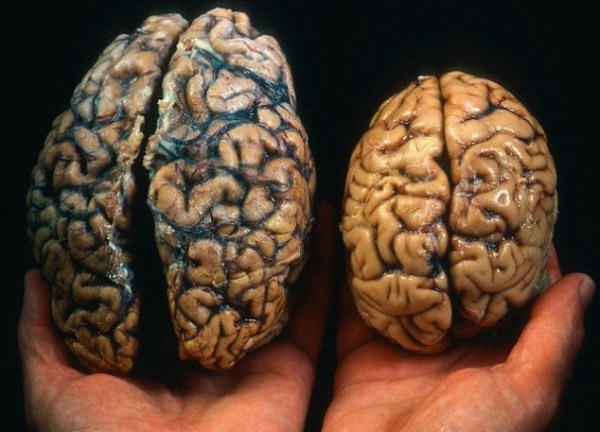
New research suggests that humans became the large-brained, large-bodied animals we are today because of natural selection to increase brain size. The work contradicts previous models that treat brain size and body size as independent traits responding to separate evolutionary pressures. Instead, the study shows that brain size and body size are genetically linked and that selection to increase brain size will “pull along” body size.
How the brain consolidates memory during deep sleep


Research strongly suggests that sleep, which constitutes about a third of our lives, is crucial for learning and forming long-term memories. But exactly how such memory is formed is not well understood and remains, a central question of inquiry in neuroscience. Neuroscientists say they now may have an answer to this question in a new study that provides for the first time a mechanistic explanation for how deep sleep (also called slow-wave sleep) may be promoting the consolidation of recent memories.
Scientific evidence of sexual transmission of the Zika virus
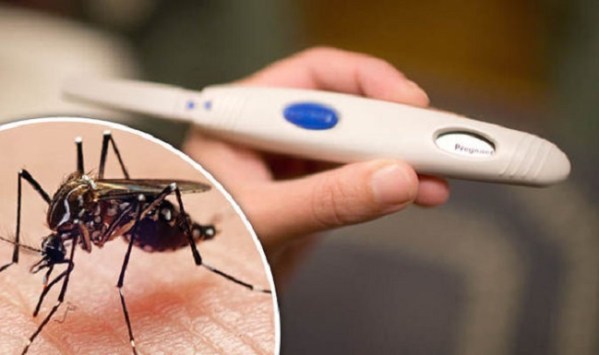
Well, we know now that ZIKA causes microcephaly, at least that is the latest findings. Things don’t look so good on other ZIKA fronts either, a new study confirms that the virus can be transmitted sexually. The analyses have shown 100% genetic correlation between the form of the virus present in a man who contracted the virus in Brazil and that of a woman who had never travelled in the epidemic area, but who had sexual relations with him.
Too much cellular ‘noise’ can affect brain development

Wrong kind of noise…
Using cutting-edge imaging technology, biologists have determined that uncontrolled fluctuations (known at “noise) in the concentration of the vitamin A derivative Retinoic acid (RA) can lead to disruptions in brain organization during development. Identifying how a cell responds to a signal made by another cell, despite the level of noise present, may improve our understanding of developmental disorders.
Are humans the new supercomputer?
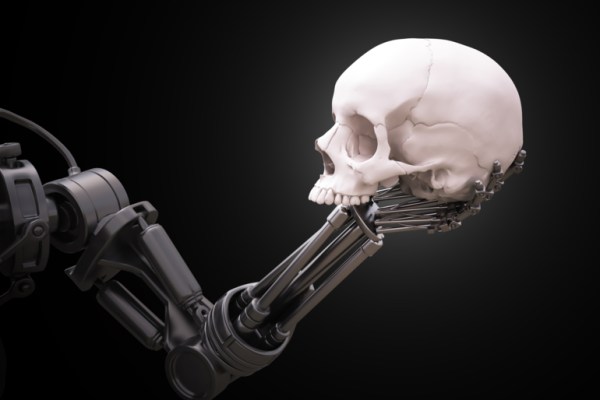
As a society we have become incredibly reliant on technology, from spell check to GPS, we are slowly being replaced by computers. Need more proof, a computer can routinely beat us at chess, an AI wrote portions of a book that went on to almost win a writing contest, and if you want scary robotics enter Boston dynamics spot. So the question is, have we outlived our place in the world? Not quite. Welcome to the front line of research in cognitive skills, quantum computers and gaming.
The scientific brain: How the brain repurposes itself to learn scientific concepts

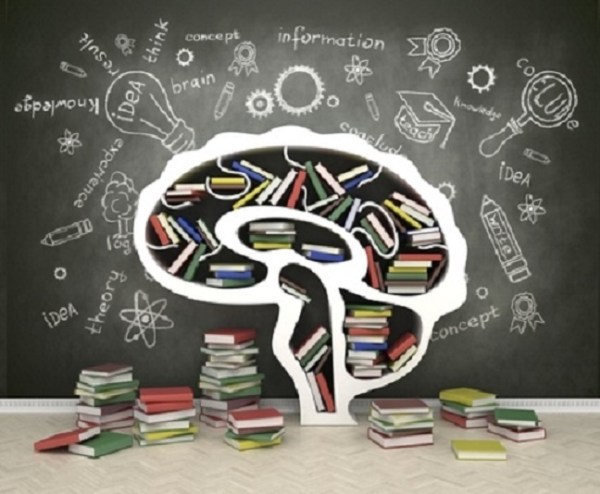
The human brain was initially used for basic survival tasks, such as staying safe and hunting and gathering. Yet, 200,000 years later, the same human brain is able to learn abstract concepts, like momentum, energy, and gravity, which have only been formally defined in the last few centuries. New research has now uncovered how the brain is able to acquire brand new types of ideas.
Imagery enhances memory and reduces false memories

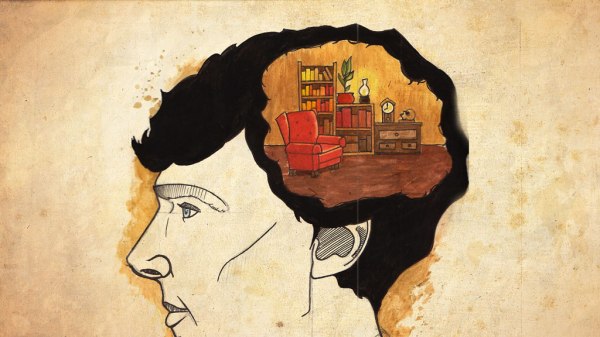
Using imagery is an effective way to improve memory and decrease certain types of false memories. The study examined how creating images affected the ability to accurately recall conceptually related word lists as well as rhyming word lists. People who were instructed to create images of the list words in their head were able to recall more words than people who didn’t create images, and they didn’t recall false memories as often. False memories occur when a person recalls something that didn’t happen or remembers something inaccurately.
Could a popular painkiller hamper our ability to notice erors?

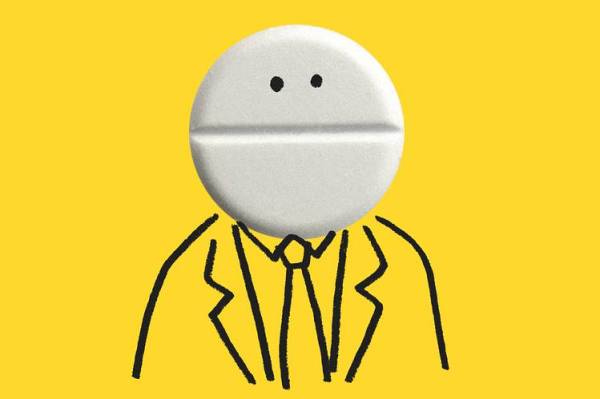
Pain, it’s a pain, it always seems to find ways to pop up when you least expect it, enter non-aspirin! Better known as acetaminophen, it has been known for centuries that is an effective painkiller. Since it is over the counter most people don’t give it a second thought, but according to a new study, it could also be impeding error-detection in the brain.
Manufacturing human tissue from textiles

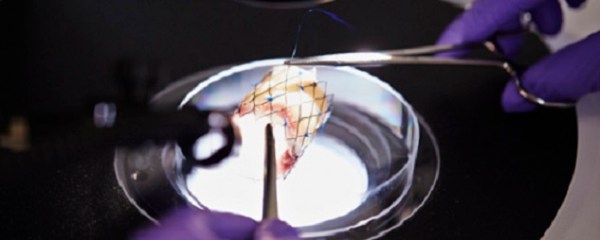
Until we can figure out our lack of regenerating our bodies, or can convince more people to donate organs, we are at mercy of either luck or technology. Bio 3-D printing offers hope that we can print personalized organs as need and rejection free. But the technology relies almost solely with tissue engineers, there job is to find processes using novel bio-materials seeded with stem cells to grow and replace missing tissues.
Your brain has an altered response to desirable foods


Hungry? Well, let’s face it, that pizza looks much better than the salad. Don’t deny it salad lovers, we all know behind closed doors you look at plenty of food porn to satiate your desires. Understanding the motivations that drive us to eat is important when we talk about weight loss and how we attempt to structure diets. Now a new study shows that for overweight individuals, the brain responses differently to desirable foods., but hold that thought, because there is hope.


 Lunatic Laboratories