We're a little crazy, about science!

Latest

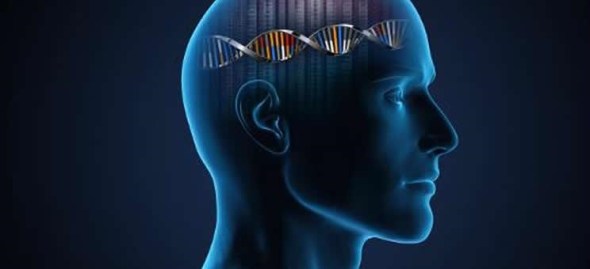
Genetic repeats suggest role for DNA instability in schizophrenia

schizophrenia

My friend has a glass eye and unless you knew the story you might not think anything of it. His older brother did it. You read that correctly, in a schizophrenic induced confusion he tried to killed him. He never held what happened against his older brother, he was sick, how could he? The courts say, he cannot visit his brother while he’s in prison. This could’ve been avoided with early detection and now international researchers have used a new technique to identify significantly more DNA sequence repeats in patients with schizophrenia than in control individuals.

Read the rest of this page »

In doctors we trust — especially when they admit to bias

Dr. Zoidberg

A doctor’s guidance may reassure us more than we realize -especially if she says she is likely to recommend treatment in her field of expertise, known as “specialty bias.” Doing research in a real-world healthcare setting, researchers have found that when surgeons revealed their bias toward their own specialty, their patients were more likely to perceive them as trustworthy. And patients are more apt to follow their recommendation to have surgical treatment.

Read the rest of this page »

Fear factor: A new genetic candidate for treating PTSD

I swear I didn't kill anyone

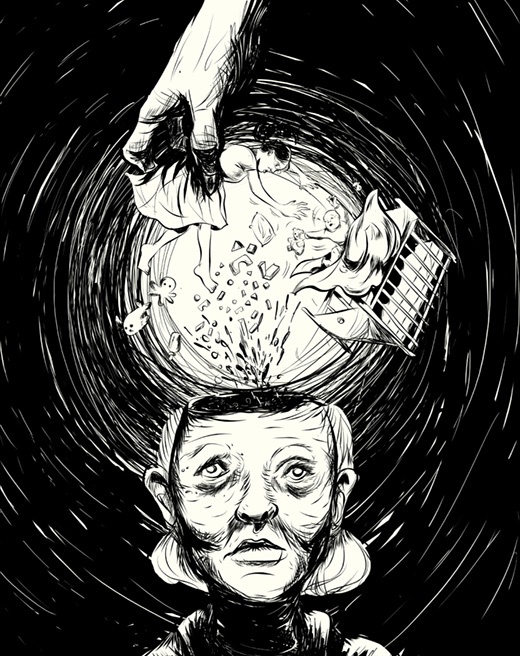
Image credit goes to the very talented: Lora Zombie

Researchers have identified a new genetic candidate for testing therapies that might affect fear learning in people with PTSD or other conditions. Individuals with trauma- and stress-related disorders can manifest symptoms of these conditions in a variety of ways. Genetic risk factors for these and other psychiatric disorders have been established but do not explain the diversity of symptoms seen in the clinic – why are some individuals affected more severely than others and why do some respond better than others to the same treatment?

Read the rest of this page »

Mothers with diabetes more likely to have anti-fetal brain autoantibodies

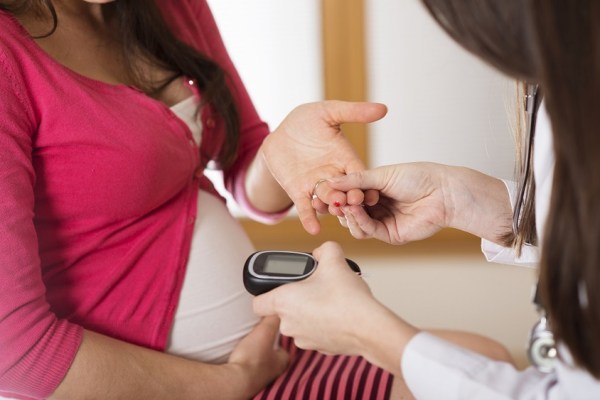
diabetes pregnancy

Mothers of children with autism and were diagnosed with metabolic conditions during pregnancy, particularly gestational and type 2 diabetes, were more likely to have anti-fetal brain autoantibodies in their blood compared to healthy women of children with autism. The presence of these anti-fetal brain autoantibodies has been previously found to be specific to some mothers of children with autism and rare among mothers of children without autism.

Read the rest of this page »

Air pollution affects young people’s psychiatric health

air pollution in india

Smog has been a part of modern life since the industrial revolution, unfortunately all that pollution isn’t just hurting the environment — but come on, you saw this coming… right? New research from Sweden indicates that dispensed medication for psychiatric diagnosis can be related to air pollution concentrations. More and more studies show that the brain and human cognitive development are affected by pollution.

Read the rest of this page »

Mobilizing mitochondria may be key to regenerating damaged neurons

Neurons

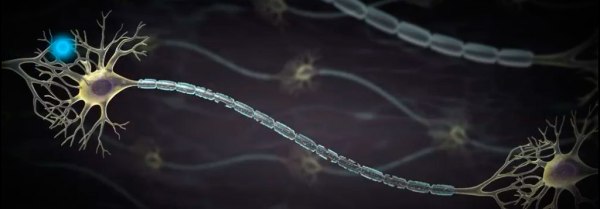
Mitochondria, sure it’s the powerhouse of the cell, but maybe it can be much more that. At least that’s what it looks like thanks to researchers at the National Institute of Neurological Disorders and Stroke who have discovered that boosting the transport of mitochondria along neuronal axons enhances the ability of mouse nerve cells to repair themselves after injury.

Read the rest of this page »

The truth is out there: Scientists unlock X-Files DNA mystery

x files

Scientists have unlocked a crucial part of the mystery as to how our DNA can replicate and repair itself – something which is essential for all life forms. The new research has revealed how branched DNA molecules are removed from the iconic double-helical structure -a process which scientists have been looking to unlock for over 20 years.

Read the rest of this page »

Zika virus directly infects brain cells and evades immune system detection

zika virus

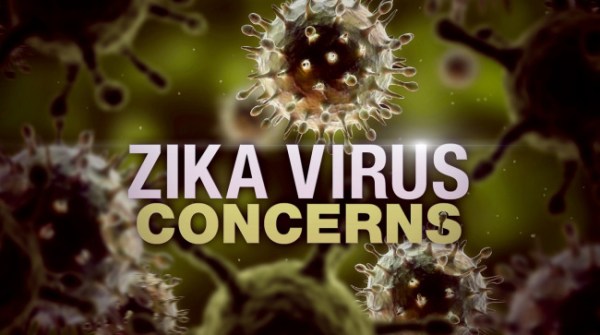
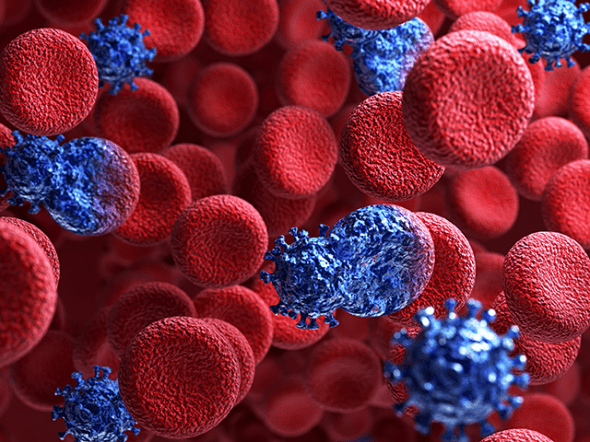
The mosquito-borne Zika virus linked to microcephaly and other neurological problems in newborns of affected mothers directly infects the brain progenitor cells destined to become neurons. The team of researchers used a strain of Zika currently impacting the Americas, and found that the virus infects about 20 percent of cells on average, evades immune system detection, and continues to replicate for weeks.

Read the rest of this page »

You are what you eat: Immune cells remember their first meal

immune system

Scientists have identified the trigger for immune cells’ inflammatory response — a discovery that may pave the way for new treatments for many human diseases. Immune cells play essential roles in the maintenance and repair of our bodies. When we injure ourselves, immune cells mount a rapid inflammatory response to protect us against infection and help heal the damaged tissue.
Read the rest of this page »

Your friends have more friends than you do

lonely

No matter how smart and funny you think you are, those you follow on Twitter really do have a larger following than you. And the same holds true for Facebook. But there is no reason to feel badly about any of this. According to the research, it is all due to the inherently hierarchical nature of social media networks, where, in the social hierarchy of connections, people mostly either follow up or across; they rarely follow down.

Read the rest of this page »

Converting cells to burn fat, not store it

carb loading cat

Researchers have uncovered a new molecular pathway for stimulating the body to burn fat — a discovery that could help fight obesity and cardiovascular disease.By focusing on a protein known as folliculin, and knocking out the gene that produces it in fat cells, the researchers triggered a series of biomolecular signals that switched the cells from storing fat to burning it.

Read the rest of this page »

Bacteria are individualists

cultured bacteria

No two bacteria are identical – even when they are genetically the same. A new study from researchers reveals the conditions under which bacteria become individualists and how they help their group grow when times get tough. Whether you are a human or a bacterium, your environment determines how you can develop.

Read the rest of this page »

Neuroscientists discover new learning rule for pattern completion

brain remembers

Recently, scientists discovered a new learning rule for a specific type of excitatory synaptic connection in the hippocampus. These synapses are located in the so-called CA3 region of the hippocampus, which plays a critical role for storage and recall of spatial information in the brain. One of its hallmark properties is that memory recall can even be triggered by incomplete cues. This enables the network to complete neuronal activity patterns, a phenomenon termed pattern completion.

Read the rest of this page »

Could flies help us understand brain injuries?

traumatic brain injury

Each year, an estimated 1.7 million people in the United States sustain traumatic brain injuries (TBIs), according to the U.S. Centers for Disease Control and Prevention. These injuries occur most frequently from falling, but can also result from military combat, car accidents, contact sports or domestic abuse. Recently, physicians and researchers have become increasingly concerned that even mild cases of repetitive brain trauma could have long-term, unanticipated consequences.

Read the rest of this page »

Research shows body image linked to overall life satisfaction

body image

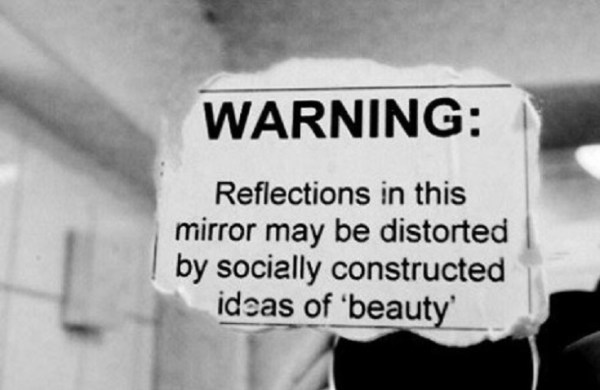
We’re constantly bombarded by advertisements telling us we are too fat, too thin, not curvy enough, not flat enough — or more often than not — simply not enough. It shouldn’t be a surprise to see that effect our day to day life, like it or not — and it has. Researchers have just published results from a national study on the factors linked to satisfaction with appearance and weight.

Read the rest of this page »

Antibody therapy opens door to potential new treatment for HIV

HIV spreading

The development of antiretroviral therapy, a combination of drugs that slows the replication of HIV in the body, has transformed the treatment of this infection. What was once a certain death sentence is now a chronic condition that people can live with for decades. But this therapy has drawbacks. There are side effects, including kidney problems, decreased bone density, and gastrointestinal problems. And if a person discontinues his or her treatment, even missing a few doses, the level of the virus in the body is able to rebound quickly.

Read the rest of this page »

Smartphones uncover how the world sleeps

smartphones and sleep

A pioneering study of worldwide sleep patterns combines math modeling, mobile apps and big data to parse the roles society and biology each play in setting sleep schedules. The study used a free smartphone app that reduces jetlag to gather robust sleep data from thousands of people in 100 nations. The researchers examined how age, gender, amount of light and home country affect the amount of shut-eye people around the globe get, when they go to bed, and when they wake up.

Read the rest of this page »

Origin of synaptic pruning process linked to learning, autism and schizophrenia identified

synaptic pruning

Vaccines don’t cause autism, but because the brain is so complex, we still don’t know how much of it works so figuring out the real causes (as in more than one) of autism has been slow going. Well, researchers have identified a brain receptor that appears to initiate adolescent synaptic pruning, a process believed necessary for learning, but in this case it is one that appears to go awry in both autism and schizophrenia.

Read the rest of this page »

Salts in the brain control our sleep-wake cycle

Brain salt

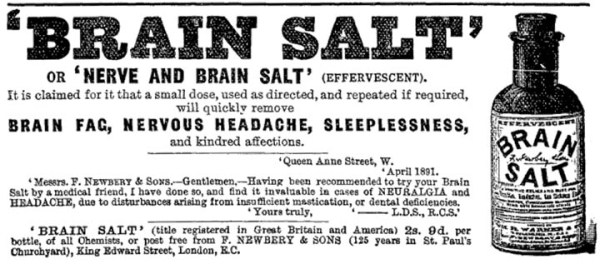
Insomnia, fun fact those of us who have served or are serving in the military have a much higher incidence of sleep problems. So if you are like me and have ever been prescribed something to help you sleep, you know that there are some unwanted side effects. For instance the time I lost memory of a whole day of interacting with people to the ambien I had taken the night before, not fun. Thankfully Danish researchers found that the level of salts in the brain plays a critical role in whether we are asleep or awake.

Read the rest of this page »

Don’t retweet if you want to remember

oprah retweet

The whole of human intelligence, right at your fingertips. Sure it might not make the layman an engineer or physicist, but if we want to learn about a particular topic the internet can give us that information. But you better hold on tight before you lose it. New research finds retweeting or otherwise sharing information creates a “cognitive overload” that interferes with learning and retaining what you’ve just seen.

Read the rest of this page »

Measuring happiness on social media

Twitter

Happiness. It’s something we all strive for, but how do we measure it — as a country? A global community? Not so surprisingly, researchers are turning to social media to answer these questions and more. In a newly published study, computer scientists used two years of Twitter data to measure users’ life satisfaction, a component of happiness.

Read the rest of this page »

Addiction, it’s in your genes… maybe

cyanide and happiness - http://explosm.net/comics/

Image credit goes to: Cyanide and Happiness

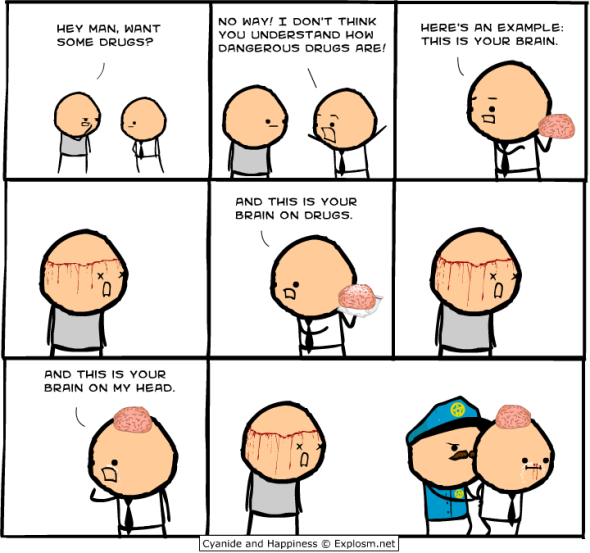
Why does one person who tries cocaine get addicted, while another might use it and then leave it alone? Why do some people who kick a drug habit manage to stay clean, while others relapse? And why do some families seem more prone to addiction than others? According to a new study, the road to answering these questions may have a lot to do with specific genetic factors that vary from individual to individual.

Read the rest of this page »

Finding sleep’s sweet spot

 link between adequate sleep, earlier bedtimes and heart-healthy behavior.

Image credit goes to: University of Delaware

No one is telling you what time to go to bed with this, but researchers are making a strong case that the duration and timing of your sleep are closely associated with whether your behavior is heart-healthy. Night owls should take special note of a new study that found the early-to-bed, early-to-rise approach aligns much better with cardiovascular health.

Read the rest of this page »

Bad news, fructose alters hundreds of brain genes

high sugar milkshake

Got a sweet tooth? Maybe you even have some sugary goodness with you right now… as you are reading this. Well you may want to put that down.We know a range of diseases — from diabetes to cardiovascular disease, and from Alzheimer’s disease to attention deficit hyperactivity disorder — are linked to changes to genes in the brain. Unfortunately for those who love their pop tarts, a new study  has found that hundreds of those genes can be damaged by fructose, a sugar that’s common in the Western diet, in a way that could lead to those diseases.

Read the rest of this page »

Transfer of gut bacteria affects brain function and nerve fiber insulation

Brain stomach connection

Quick hide, shut your windows and lock your doors, are you alone? No, you aren’t that’s the problem and what’s worse, you are being controlled. This isn’t a plot for the latest thriller, this is the findings of a new study and adds to growing number of studies showing that our bacteria is more of us than we realize. In fact, the study found that specific combinations of gut bacteria produce substances that affect myelin content and cause social avoidance behaviors in mice.

Read the rest of this page »

Neural stem cell transplants aid traumatic brain injury recovery

Traumatic brain injury

No one knows Traumatic brain injuries (TBI) quite like veterans. Unfortunately, it is a major cause of mortality and morbidity, often causing lifelong disability for those who survive. There is simply no treatment, jut care, but a new study might change that. Stem cell therapy has recently been receiving attention as a way to promote recovery for injuries to the central nervous system (CNS) which opens the door for treatment of a TBI.
Read the rest of this page »