
UK Researchers find parental perception of child’s weight is skewed
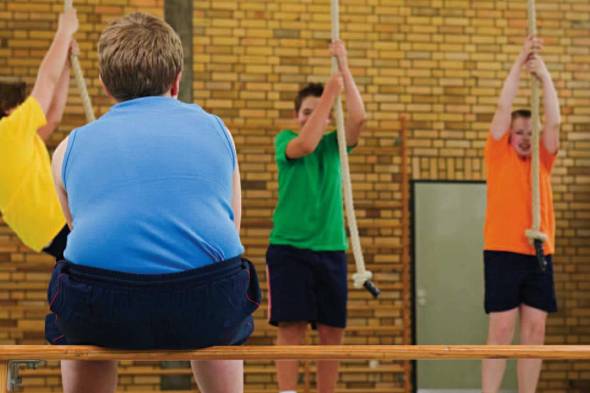
Childhood obesity affects more than double the amount of children it did 30 years ago, according to the Centers for Disease Control and Prevention(CDC). To figure out why the rate is increasing researchers studied the relationship between parents and their obese children to determine how to improve pediatric health. The study actually reveals how poorly parents rate their own child’s weight issues — at least until they reach extreme levels of obesity.
Immunotherapy, a promising new treatment of Alzheimer’s disease

Alzheimer’s disease, it slowly takes things away from the person without giving anything back. Right now there is no cure and at best we can slow the progression in some cases. Time is always a factor and no two cases are the same. However, new treatments are in the works and a new study has revealed that a single dose of an immunotherapy reverses memory problems in an animal model of Alzheimer’s disease.
Cracking the blood-brain barrier with magnetic nanoparticles
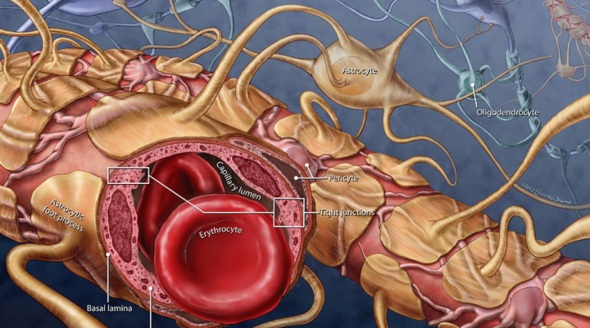
The blood-brain barrier, the thorn in the side of medicine. It makes using drugs directed for the brain ineffective at best and unusable at worst. This barrier runs inside almost all vessels in the brain and protects it from elements circulating in the blood that may be toxic to the brain. This barrier means that currently 98% of therapeutic molecules are also unable to cross to the brain. However, researchers now say magnetic nanoparticles can open the blood-brain barrier and deliver molecules directly to the brain.
Milk, not just for your bones, for your brain
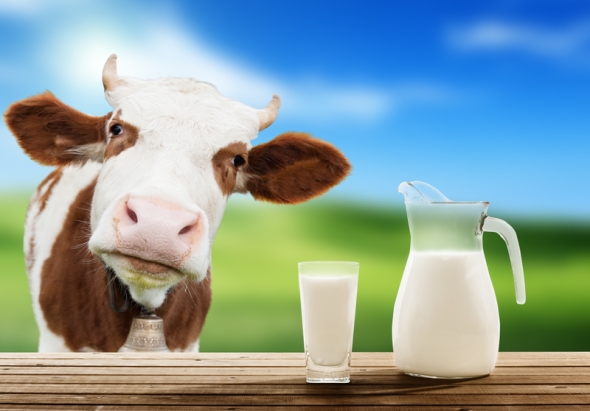
Milk, depending on who you ask it’s either great or the devil. In the US drinking milk is common; not so much in other parts of the world. This has lead to questions about why we even drink milk and how real its reported health claims actually are. Well new research has found a correlation between milk consumption and the levels of a naturally-occurring antioxidant called glutathione in the brain in older, healthy adults.
The neurological basis for anorexia nervosa
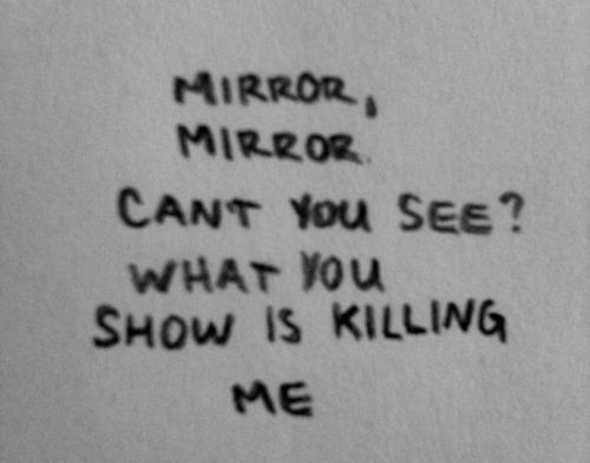
Most of us know about dieting, and if not first hand, have seen in the news or from friends how hard sticking to a diet long-term can be. This is because adults (regardless of their weight_ resolve to lose weight. Yet, more often than not, that chocolate lava cake is too enticing and that resolve vanishes. This behavior is normal because hunger increases the intensity of food rewards. Yet, individuals with anorexia nervosa (AN), despite their state of starvation, are able to ignore such food-related rewards.
Squid prolifically edit RNA to enrich their DNA
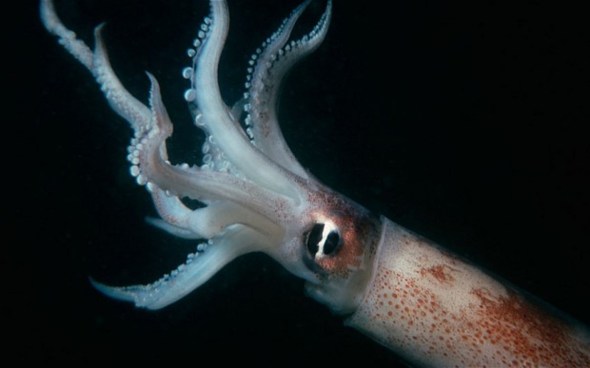
DNA, it’s what makes us, well us! Not that long ago, before we sequenced human DNA we assumed we had one of the largest genomes around. Frankly it wasn’t a bad assumption, but of course we found out this was far from the case and to make ourselves feel better we said size doesn’t matter. But one of the surprising discoveries to emerge from comparative genomics is that drastically different organisms–humans, sea urchins, worms, flies –are endowed with a more or less common set of genes. So given a similar DNA blueprint, how do species develop such vast differences in physical shape, size, and complexity?
The impact of military deployment on children

Being a military family is hard, it’s hard for the person serving (obviously) and if divorce rates are any indication, it is also hard on the spouse. While the added stress of deployment on a family cannot adequately be explained, even as someone who has seen it first hand, those stresses affect even the littlest members of the family. A new study reports that following military parents’ return from combat deployment, their children show increased visits for mental healthcare, physical injury, and child maltreatment consults, compared to children whose parents have not been deployed.
Not “just in your head,” brain networks differ among those with severe schizophrenia

The brain is plastic, it’s how we grow, it’s how we adapt, it is quite literally how we survive. This can unfortunately be to our detriment and new research shows that people with a severe form of schizophrenia have major differences in their brain networks compared to others with schizophrenia, bipolar disorder and healthy individuals. So while it may be true, that it is all be in your head, it isn’t how people usually mean it.
Antibody therapy offers possible cure for psoriasis

Sure it’s not sexy, you probably won’t be asked for donations towards a cure, or to run/walk/dive for awareness, and it probably won’t kill you. Psoriasis is an autoimmune disease, but chances are you are not familiar with it. It causes red, scale-like patches, sometimes covering a majority of the body. It’s itchy, painful, and embarrassing (to put it nicely). I know first hand as I suffer from it albeit mildly. I say mildly since I am lucky the patches are fairly small, but not so lucky for me they pop up on my face, often. However, new research is offering hope for anyone suffering from psoriasis and possibly a cure.
Depressed parents cause anxiety and bad behavior in toddlers
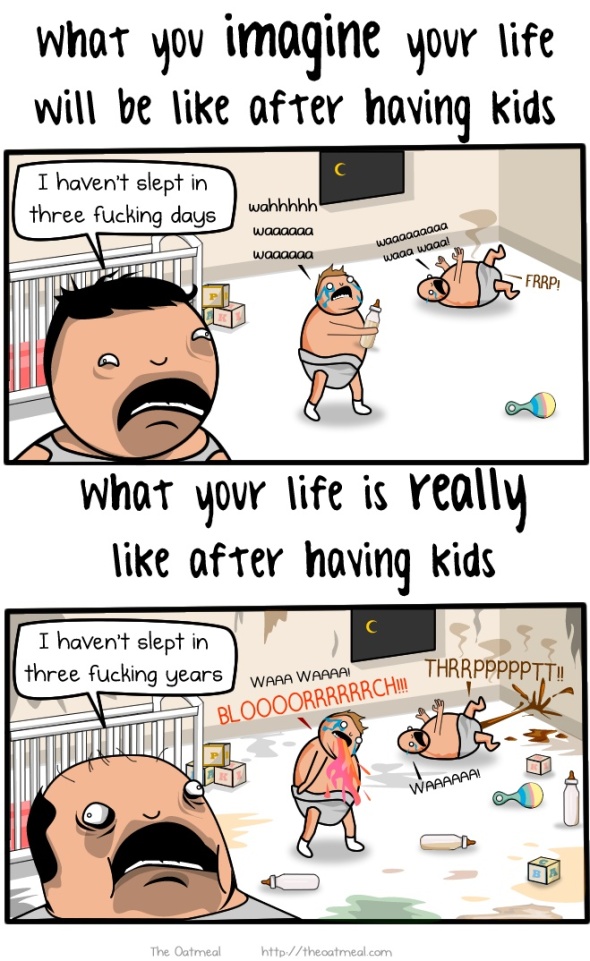
Credit for this all too true look at parenting goes to the one and only The Oatmeal, you can find more minor differences here.
Being a new parent can be stressful, new mothers can suffer from postpartum depression and even new fathers can find the changes stressful enough to cause depression. Unfortunately– and if that wasn’t bad enough– a new study shows that a father’s depression during the first years of parenting – as well as a mother’s – can put their toddler at risk of developing troubling behaviors such as hitting, lying, anxiety and sadness during a critical time of development.
Part of the diabetes puzzle solved… with breast milk
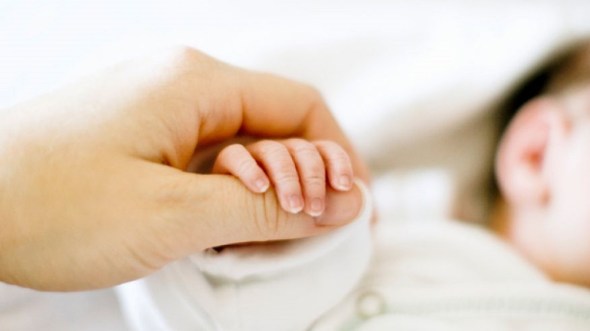
There is a long-standing puzzle in the diabetes field, only a small subset of insulin-producing beta cells in the pancreas of adult organisms can replicate (and hence contribute to beta cell regeneration in diabetes). Furthermore, this subset of replicating cells continues to decline with advancing age. This means that the typical risk for diabetes gets higher as you age, well now researchers have discovered an important piece of the puzzle.
New understanding of genetics behind the autism spectrum
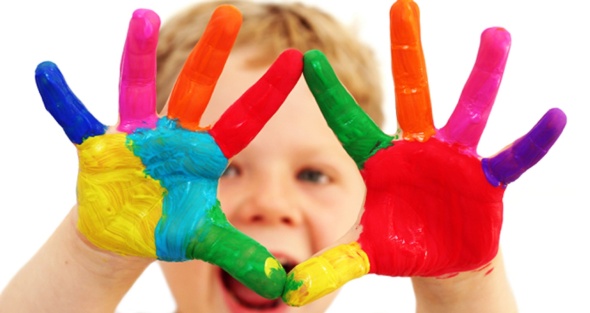
Autism is a spectrum, because it isn’t a clear-cut diagnosis — and because the brain is so complex — it has been hard to figure out what causes autism. This uncertainty has led rise to the anti-vaccination movement along with other groups who are at best misinformed and at worst trying to make a quick dollar. However, a new study reveals an important connection between dozens of genes that may contribute to autism, a major step toward understanding how brain development goes awry in some individuals with the disorder.
Trust issues? It may be your brain structure


Ever feel too trusting, or maybe not trusting at all? Well a recent study shows differences in brain structure according to how trusting people are of others. Teasing out the intricacies of the brain hasn’t been an easy job; if it were we probably wouldn’t be intelligent enough to figure it out. Because of this complexity, we also have higher risk of psychological conditions. Interestingly enough, this research may have implications for future treatments of those conditions, conditions such as autism or other attachment disorders.
Team accidentally finds key to DNA vaccination and genetic engineering
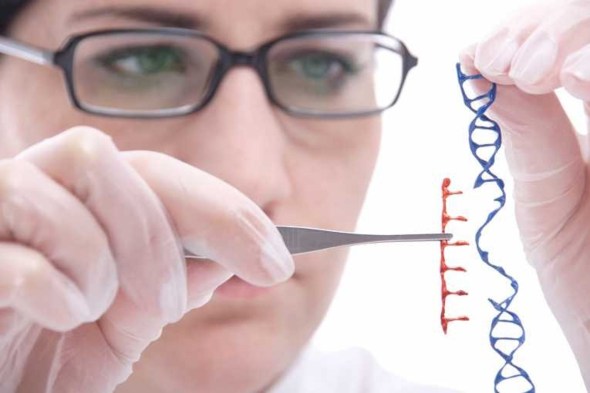
It might have been an accident, but for some lucky researchers accidents are a good thing. In this particular case, scientists have discovered a new way to manipulate how cells function, a finding that might help advance an experimental approach to improving public health: DNA vaccines, which could be more efficient, less expensive and easier to store than traditional vaccines.
A study of twins shows that autism is largely genetic

In the fight against misinformation about autism it seems science is starting to come out on top, finally. A new study hopes to add to the recent advancements made in the understanding of autism, which finds that a substantial genetic and moderate environmental influences were associated with risk of autism spectrum disorder (ASD) and broader autism traits in a study of twins.
Drug already on the market could help treat MS and other neurological diseases
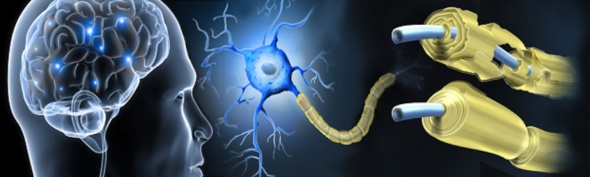
Multiple sclerosis, unless you suffer from nerve damage it is a pain you (thankfully) will never have to feel. In most cases, treating the brutal pain caused by this (and other neurological diseases) is the only help that can be offered to people. The pain is caused by damage to myelin, the fatty insulator that enables communication between nerve cells, which characterizes multiple sclerosis (MS) and other devastating neurological diseases.
Science shows intermittent fasting diet could extend life
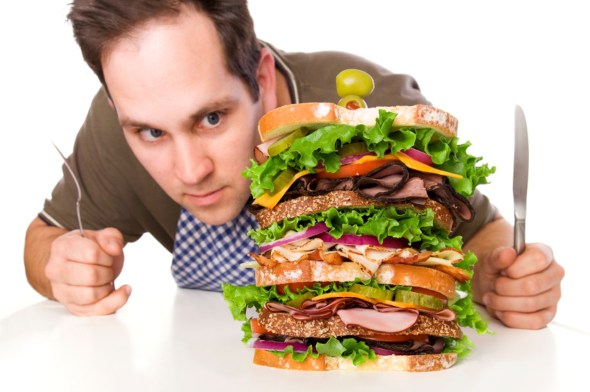
Think of it as interval training for the dinner table. Proponents of fasting style diets will be first to tell you there are health benefits, heck we’ve even covered some of the science here at the labs. Well new research shows that putting people on a intermittent fasting (or IF) diet may mimic some of the benefits of actual fasting, and that (ironically enough given their popularity) adding antioxidant supplements counteracts those benefits.
The food additive that may be promoting obesity and metabolic syndrome
 People say to avoid processed foods, while I don’t agree with that fully, a new study suggests that a common food additive may be causing problems. Emulsifiers, which are added to most processed foods to aid texture and extend shelf life, can alter the gut microbiota composition and localization to induce intestinal inflammation that promotes the development of inflammatory bowel disease and metabolic syndrome.
New neurons in the adult brain help us adapt
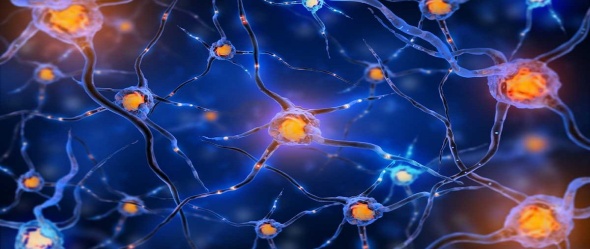
The discovery that the human brain continues to produce new neurons in adulthood challenged a major dogma in the field of neuroscience, but the role of these neurons in behavior and cognition is still not clear. In a review article researchers synthesize the vast literature on this topic, reviewing environmental factors that influence the birth of new neurons in the adult hippocampus, a region of the brain that plays an important role in memory and learning.
Overriding muscles’ energy efficiency to burn more fat
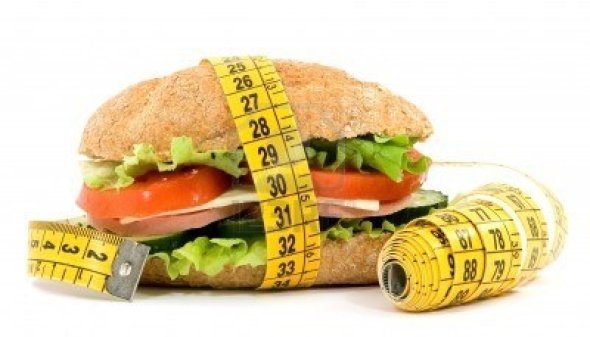
What started as an evolutionary protection against starvation has become a biological “bad joke” for people who need to lose weight. The human body doesn’t distinguish between dieting and possible starvation, so when there is a decrease in calories consumed, human metabolism increases its energy efficiency and weight loss is resisted.
Predicting the effectiveness of cancer vaccines
Cancer vaccines, once they were science fiction and now they are designed to turn the body’s own immune system specifically against tumor cells. Particularly promising are vaccines that are directed against so-called neoantigens — which are proteins that have undergone a genetic mutation in tumor cells and, therefore, differ from their counterparts in healthy cells.
Shopping while hungry leads to more non-food purchases

This comic by The Oatmeal, check out his site for more awesomeness.
Ever go shopping when you’re hungry and notice you walked out with a lot more than you were expecting to buy? While most people know that when you are hungry, you typically will buy more food (as illustrated by The Oatmeal above), new research shows that there is a clear link between hunger and buying non-food items. A team of international researchers has released a paper that describes five laboratory and field studies they conducted which showed how people respond to non-food objects when they are hungry.
The “successful aging” debate

We see it everyday in advertising, turn back the clock, reverse aging — look, feel, and be younger. With all these standards, how do you define aging, or more importantly successful aging. Scholars have long debated what successful aging is, how to measure it, and how to promote it. But researchers are now laying the groundwork for building consensus on the topic — while pointing out that the answer may differ among academics and the general public, as well as across populations and demographic groups.
Music may reduce your ability to remember!

Sometimes just turning on some background music really helps a person get things done. While music may help some people relax when they’re trying to concentrate, new research suggests that it doesn’t help them remember what they’re focusing on, especially as they get older.
Seafood associated with autoimmune disease

Autoimmunity is one of those great mysteries of the human body. We still aren’t sure what causes it and treating it can be painfully ineffective. Unfortunately my sister knows that one first hand, so here at the labs autoimmunity is a problem close to our heart. While we may not know what causes autoimmunity, a new study suggests one of the greatest risk factors for autoimmunity among women of childbearing age may be associated with exposure to mercury such as through seafood.
‘Virtual virus’ unfolds the flu on a CPU
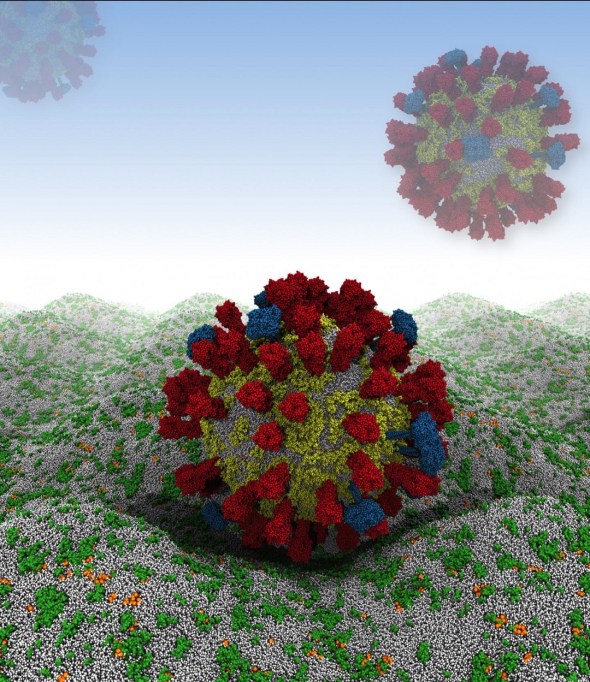
The flu virus can be pretty nasty — it’s quick to evolve — which means yearly flu shots are needed and then it’s only a guess to which strain will be the most prevalent. Well new research aims to change all that, by combining experimental data from X-ray crystallography, NMR spectroscopy, cryoelectron microscopy and lipidomics (the study of cellular lipid networks), researchers have built a complete model of the outer envelope of an influenza A virion for the first time. So would that make it a computer virus, virus?
Meditation might mean more gray matter in later years
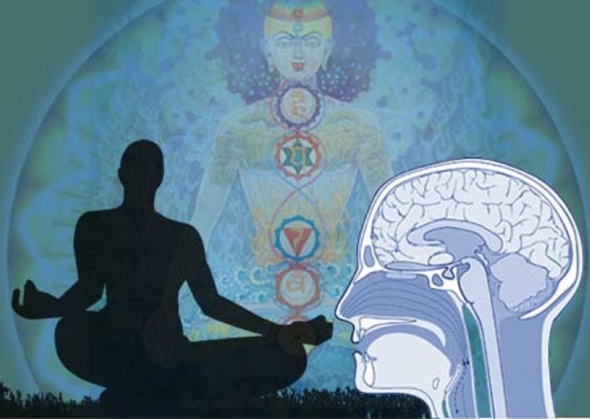
Since 1970, life expectancy around the world has risen dramatically, with people living more than 10 years longer. That’s the good news. The bad news is that starting when people are in their mid-to-late-20s, the brain begins to wither — its volume and weight begin to decrease. As this occurs, the brain can begin to lose some of its functional abilities.
Study shows children and birds learn alike
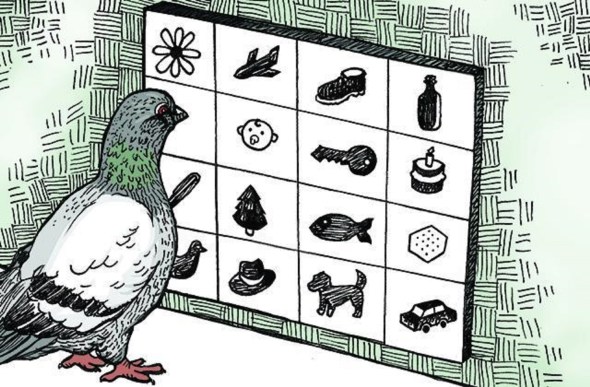
Image credit goes to: John Petsel
Your child is your pride and joy — and why not, every parent should be a proud one, even if your child might be bird brained. Or maybe birds are baby brained? In any case, a new study has found that pigeons can categorize and name both natural and manmade objects–and not just a few objects. These birds categorized 128 photographs into 16 categories, and they did so simultaneously.
Researchers discover viral ‘Enigma machine’

Antibiotics are for infections, vaccines are for viruses, and unfortunately both bacteria AND viruses mutate. So when someone has AIDS for example it is hard to fight since a vaccine would be hard to produce given how rapidly it evolves. Well now researchers may be one step closer to solving the problem since they have cracked a code that governs infections by a major group of viruses which includes the common cold and polio.
Scientists find the genetic trigger for immune system response
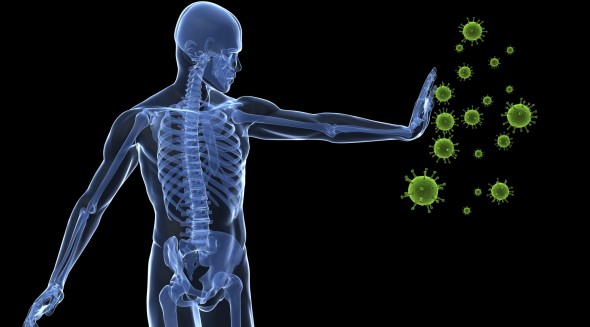
Mitochondria are the “powerhouse of the cell.” We all learn in biology that they have seemingly one function in the body, converting food and oxygen into energy. Well that might not be the case anymore; the thousands of mitochondrial DNA (mtDNA) molecules present in each cell have been identified in an unexpected relationship with the innate immune response.
How social norms come into being

Fifteen years ago, the name “Aiden” was hardly on the radar of Americans with new babies. It ranked a lowly 324th on the Social Security Administration’s list of popular baby names. But less than a decade later, the name became a favorite, soaring into the top 20 for five years and counting. Now, a new study provides a scientific explanation for how social conventions — everything from acceptable baby names to standards of professional conduct — can emerge suddenly, seemingly out of nowhere, with no external forces driving their creation.
New theory tries to define where black holes don’t exist

The quintessential feature of a black hole is its “point of no return,” or what is more technically called its event horizon, yes just like the movie. When anything—a star, a particle, or wayward human—crosses this horizon, the black hole’s massive gravity pulls it in with such force that it is impossible to escape. At least, this is what happens in traditional black hole models based on general relativity. In general, the existence of this event horizon is responsible for most of the strange phenomena associated with black holes.
Same sex relationships and stress: A new perspective

Studies of stress and its effects on health have typically focused on the worries of an individual: money, love, health, work. When we turn our attention on relationship stress, the focus is generally on your typical couple. However, new research studies how minority stress — which results from being stigmatized and disadvantaged in society — affects same-sex couples’ stress levels and overall health.
Mental illness treatment, there’s NOT an app for that

It’s more socially acceptable to talk about mental illness, which is important since the number of people who have it — or should we say, are getting treatment for mental illness — has steadily increased over the years. While it still may be taboo to talk about, mental illness is a very real thing needing very real treatment, however new research now shows that texting may be a more suitable treatment aid for those with mental illness than mobile applications.
Political gridlock: Blame the men

It feels like the government moves at a snails pace sometimes, it takes forever for any change to come about and even then it is typically not even “change.” This couldn’t be more evident than during the political gridlock that led to the 2013 US federal government shutdown, the leading voices for compromise were the handful of female U.S. senators — only 20 percent of the overall legislative body.
Lucid dreaming: The similarities between dreaming and wakefulness
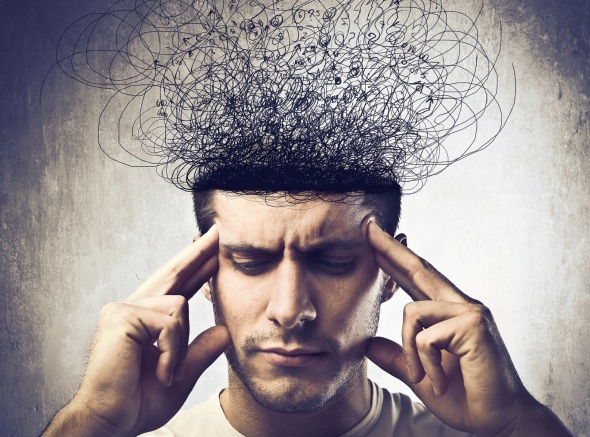
To control one’s dreams and to live out there what is impossible in real life — a truly tempting idea. Some people — so-called lucid dreamers — can do this. Researchers have discovered that the brain area which enables self-reflection is larger in lucid dreamers. Thus, lucid dreamers are possibly also more self-reflecting when they are awake.
Mothers don’t speak clearly to their babies
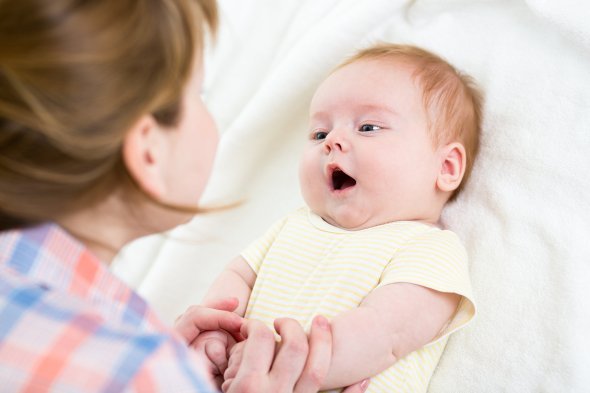
People have a distinctive way of talking to babies and small children: We speak more slowly, using a sing-song voice, and tend to use cutesy words like “tummy”. While we might be inclined to think that we talk this way because it is easier for children to understand, new research suggests that, surprisingly, mothers may actually speak less clearly to their infants than they do to adults.
Belief’s effect on biochemistry in cases of addiction

Ever wonder what makes people susceptible to addiction? Think about it, some people can stop addictive painkillers without a problem and others, well others are not so lucky. So the big question is are there more than biophysical factors at play in addiction? A new study shows that cognitive beliefs play a significant role in a person’s neurological response to an addictive substance and that belief can diminish the neurological effects of an addictive drug.
You can live longer, but not healthier
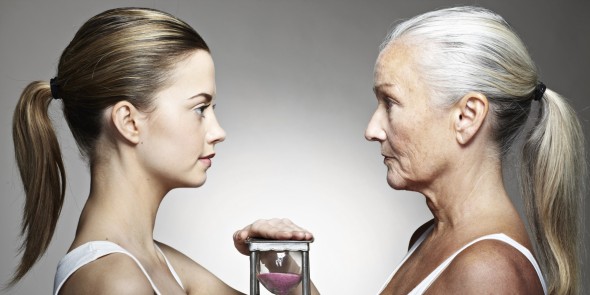
We all want to live longer and thanks to medical technologies our life expectancies have dramatically increased. Which would be handy if we could actually enjoy the extra years. Unfortunately a study of long-lived mutant C. elegans by scientists shows that the genetically altered worms spend a greater portion of their life in a frail state and exhibit less activity as they age than typical nematodes. These findings suggest that genes that increase longevity may not significantly increase healthy lifespan and point to the need to measure health as part of aging studies going forward.
Fear, PTSD, and newly found neural circuits in the brain
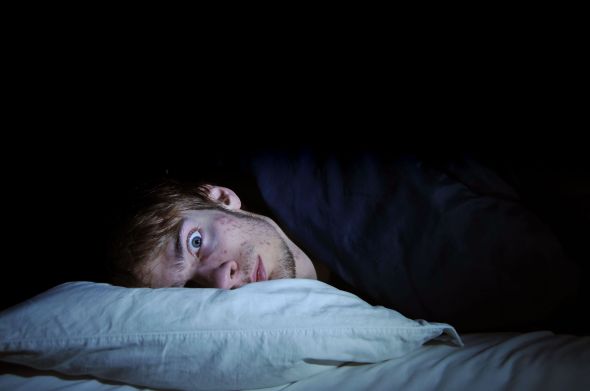
People with anxiety disorders, such as post traumatic stress disorder (PTSD), often experience prolonged and exaggerated fearfulness. Now, an animal study suggests that this might involve disruption of a gradual shifting of brain circuitry for retrieving fear memories. Researchers have discovered in rats that an old fear memory is recalled by a separate brain pathway from the one originally used to recall it when it was fresh.
Stem cells derived from amniotic tissues have immunosuppressive properties
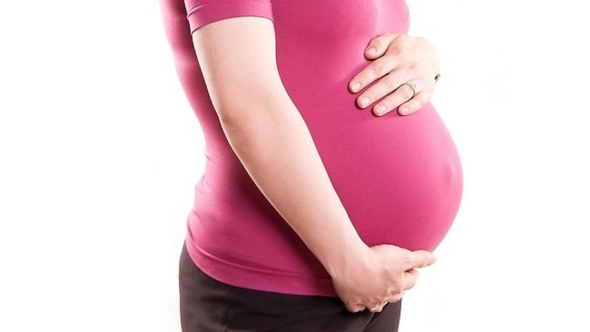
Stem cells derived from human amnion have for some time been considered promising for cell therapies because of their ease of access, ability to differentiate, and absence of ethical issues. Now, a research team has found that stem cells derived from human female amnion also have immunosuppressive activity and that the addition of antibodies to specific factors can enhance their immunosuppressive potential.
Pythagoras theorem could improve patient care
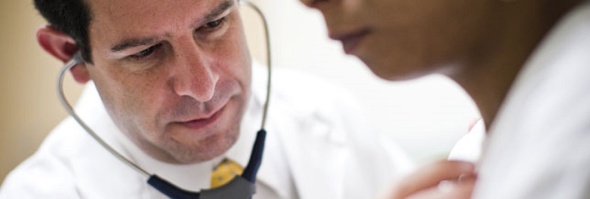
Triangles, few of us have ever thought of a relationship between healthcare and triangles. Most of us will remember Pythagoras theorem from our school days, but rarely have a reason to use it in day-to-day life. Well for Doctors that might change, a team of medical researchers has found the 2,500-year-old Pythagoras theorem could be the most effective way to identify the point at which a patient’s health begins to improve.
New genetic clues in fragile x syndrome
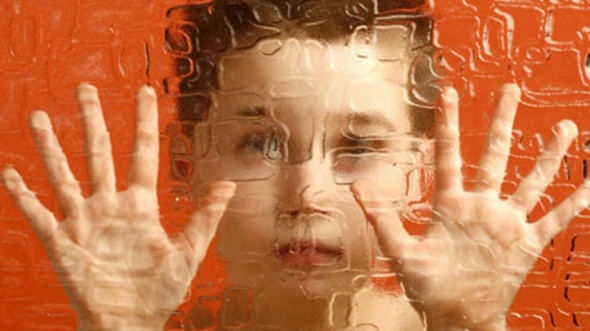
Scientists have gained new insight into fragile X syndrome — the most common cause of inherited intellectual disability — by studying the case of a person without the disorder, but with two of its classic symptoms.
Scientists use the brain to direct fat burning
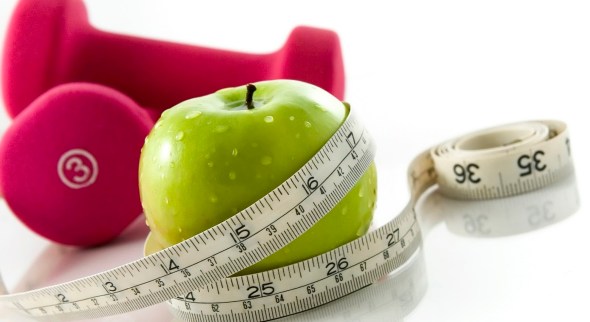
Does it seem like no matter what you do, you still can’t shed the pounds? You know what to eat, how to eat and workout regularly, but the weight just won’t go away, well you may not be alone. There are many different medical conditions that limit your ability to lose weight, but thankfully science has now found how to use your brain to shed the weight.
Genetic brain disorders start at the synapse
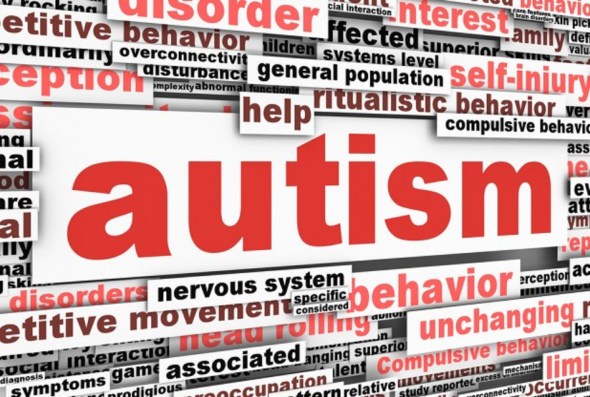
As we’ve seen from research featured here at the lab, there are many genetic disorders that cause intellectual disability and autism. Historically, these were viewed as untreatable. However, in recent years we have shown via animal models that it is possible to reverse the effects of these gene mutations. But the question remained whether different gene mutations disrupt common physiological processes. If this were the case, a treatment developed for one genetic cause of autism and intellectual disability might be useful for many others.
Study shows rise in mass die-offs

You really don’t hear much about mass die-offs from mainstream news outlets; this might make you think they don’t happen that often. However, an analysis of 727 mass die-offs of nearly 2,500 animal species from the past 70 years has found that such events are increasing among birds, fish, and marine invertebrates. At the same time, the number of individuals killed appears to be decreasing for reptiles and amphibians, and is unchanged for mammals.
Experiment showcasing humanity’s ‘dark side’ may offer a way to control it

It was an infamous experiment, one on obedience and reprehensible behavior done in 1961. With memories of Holocaust atrocities and the prosecution of Nazi officials at Nuremberg still fresh, psychologist Stanley Milgram made history. You may not remember the name per say, but chances are you know his work.
Humans keep the memories accurate by forgetting
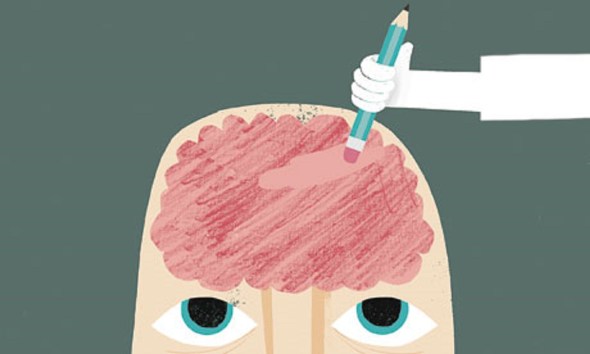
Your brain is a memory powerhouse, constantly recording experiences in long-term memory. Those memories help you find your way through the world: Who works the counter each morning at your favorite coffee shop? How do you turn on the headlights of your car? What color is your best friend’s house? But then your barista leaves for law school, you finally buy a new car and your buddy spends the summer with a paint brush in hand. Suddenly, your memories are out of date. So what do you do, forget about it.
Music takes the pain away post surgery
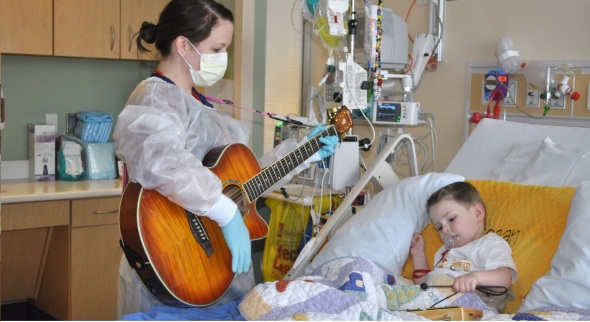
In today’s society, when it is so easy to over medicate children and adults alike it is nice to finally read something that looks for an alternative option. This particular case deals with pain management in children post surgery and the study shows that pediatric patients who listened to 30 minutes of songs by Rihanna, Taylor Swift and other singers of their choosing — or audio books — had a significant reduction in pain after major surgery.
Lots of selfies may suggest you’re a narcissist
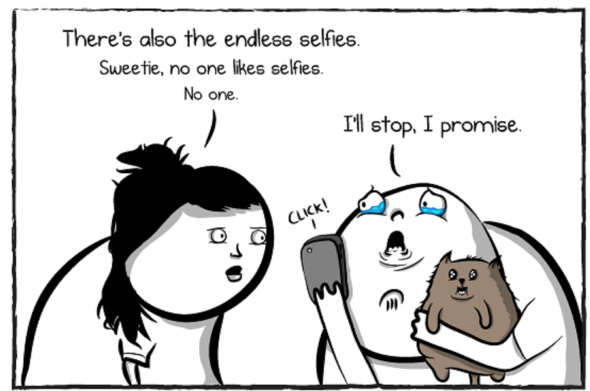
This awesomeness is from The Oatmeal, check out his website for the rest of the comic!
Well I’ve got some bad news to all you selfie fanatics out there, a new study showed that men who posted more online photos of themselves than others scored higher on measures of narcissism and psychopathy. The study looked exclusively at men, however the men out there should have no fear, there is a follow up study being done with women as well.


 Lunatic Laboratories