
Omega-3 fatty acid stops known trigger of lupus
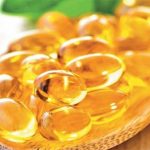

A team of researchers has found that consuming an omega-3 fatty acid called DHA, or docosahexaenoic acid, can stop a known trigger of lupus and potentially other autoimmune disorders. DHA can be found in fatty, cold-water fish and is produced by the algae that fish eat and store in their bodies. It can be found in fish oil supplements as well, used by more than 30 million Americans.
Children could point the way to new HIV treatments


Children with HIV who can resist the disease progressing could point the way to new treatments for HIV infection that are more widely applicable to infected adults and children alike, an international team of researchers has found.
Research team may have observed building blocks of memories in the brain


A team of researchers has observed what they believe are the building blocks of memories in a mouse brain. In their paper, the researchers describe how they caused certain neurons to become illuminated when they fired, allowing them to watch in real time as memories were made and then later as they were replayed while the mouse was sitting idle.
The unintended consequences of almond milk on California


A new study using aerial imagery across the state of California has found that converting land to grow almonds between 2007 and 2014 has led to a 27% annual increase in irrigation demands—despite the state’s historic drought. The expansion of almonds has also consumed 16,000 acres of wetlands and will likely put additional pressure on already stressed honeybee populations.
Why do more men than women commit suicide?


Why do more men die when they attempt suicide than women? The answer could lie in four traits, finds scientists. There are over 6,000 British lives lost to suicide each year, and nearly 75 per cent of those are male. However, research has found women are more likely to suffer from depression, and to attempt to take their own life.
Linking perception to action


Researchers studying how the brain uses perception of the environment to guide action offer a new understanding of the neural circuits responsible for transforming sensation into movement.
Historical analysis examines sugar industry role in heart disease research


Using archival documents, a new report examines the sugar industry’s role in coronary heart disease research and suggests the industry sponsored research to influence the scientific debate to cast doubt on the hazards of sugar and to promote dietary fat as the culprit in heart disease.
Protect kids from toxic secondhand smoke, experts urge


It’s advice most smokers with children probably take lightly, but they shouldn’t. Parents and policy advocates should take a “zero tolerance” approach to exposing children to secondhand cigarette smoke, which can be responsible for lifelong cardiovascular consequences in addition to respiratory and other health issues.
Potentially harmful chemicals widespread in household dust


Household dust exposes people to a wide range of toxic chemicals from everyday products, according to a new study. A multi-institutional team conducted a first-of-a-kind meta-analysis, compiling data from dust samples collected throughout the United States to identify the top ten toxic chemicals commonly found in dust.
Physicists retrieve ‘lost’ information from quantum measurements


Typically when scientists make a measurement, they know exactly what kind of measurement they’re making, and their purpose is to obtain a measurement outcome. But in an “unrecorded measurement,” both the type of measurement and the measurement outcome are unknown.
The new findings heart repair research


Scientists trying to find ways to regenerate a damaged heart have shed more light on the molecular mechanisms that could one day make this a reality. Whilst other organs such as the liver can regenerate, the heart muscle has very little ability to do so after suffering damage, such as a heart attack.
In the womb the body is able to produce heart muscle cells but soon after birth it effectively stops producing them.
Largest-ever study reveals environmental impact of genetically modified crops


According to new research, widespread adoption of genetically modified crops has decreased the use of insecticides, but increased the use of weed-killing herbicides as weeds become more resistant. This is the largest study of genetically modified crops and pesticide use to date. The team of economists studied annual data from more than 5,000 soybean and 5,000 maize farmers in the U.S. from 1998 to 2011, far exceeding previous studies that have been limited to one or two years of data.
The blur doesn’t cut it: AI can identify people in blurred images


A trio of researchers has found off-the-shelf AI software can be used to identify people in blurred or pixilated images. The researchers have uploaded a paper describing the experiments they carried out with AI software identification of people or other items in blurred out images, what they found and reveal just how accurate they found it could be.
MRI scanner sees emotions flickering across an idle mind


As you relax and let your mind drift aimlessly, you might remember a pleasant vacation, an angry confrontation in traffic or maybe the loss of a loved one. And now a team of researchers say they can see those various emotional states flickering across the human brain.
Food waste could store solar and wind energy, or there’s the obvious…


Saving up excess solar and wind energy for times when the sun is down or the air is still requires a storage device. Batteries get the most attention as a promising solution although pumped hydroelectric storage is currently used most often. Now researchers are advancing another potential approach using sugar alcohols—an abundant waste product of the food industry—mixed with carbon nanotubes.
Learning to turn down your amygdala can modify your emotions


Training the brain to treat itself is a promising therapy for traumatic stress. The training uses an auditory or visual signal that corresponds to the activity of a particular brain region, called neurofeedback, which can guide people to regulate their own brain activity. However, treating stress-related disorders requires accessing the brain’s emotional hub, the amygdala, which is located deep in the brain and difficult to reach with typical neurofeedback methods.
A microRNA plays role in major depression


A tiny RNA appears to play a role in producing major depression, the mental disorder that affects as many as 250 million people a year worldwide. Major depression, formally known as major depressive disorder, or MDD, brings increased risk of suicide and is reported to cause the second-most years of disability after low-back pain.
Social connectedness can increase suicide risk


Community characteristics play an important role in perpetuating teen suicide clusters and thwarting prevention efforts, according to a new study by sociologists who examined clusters in a single town. The study illustrates how the homogeneous culture and high degree of social connectedness of a community can increase suicide risk, particularly among teenagers.
Study could herald new treatment for muscular dystrophy


New research has shown that the corticosteroid deflazacort is a safe and effective treatment for Duchenne muscular dystrophy. The findings could pave the way for first U.S.-approved treatment for the disease.
How new experiences boost memory formation


Most people remember where they were when the twin towers collapsed in New York … new research reveals why that may be the case. The study has shed new light on the biological mechanisms that drive the process, known as flashbulb memory.
Antimicrobial chemicals found with antibiotic-resistance genes in indoor dust

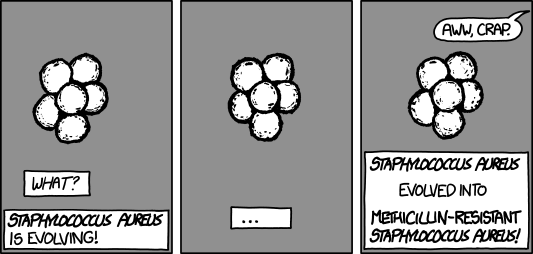
Researchers have found links between the levels of antimicrobial chemicals and antibiotic-resistance genes in the dust of an aging building used for athletics and academics. One of the antimicrobials seen in the study is triclosan, a commonly used antibacterial ingredient in many personal care products.
Body heat as a power source

Electronics integrated into textiles are gaining in popularity: Systems like smartphone displays in a sleeve or sensors to detect physical performance in athletic wear have already been produced. The main problem with these systems tends to be the lack of a comfortable, equally wearable source of power. Chinese scientists are now aiming to obtain the necessary energy from body heat by introducing a flexible, wearable thermocell based on two different gel electrolytes.
Drugs in the water? Don’t blame the students
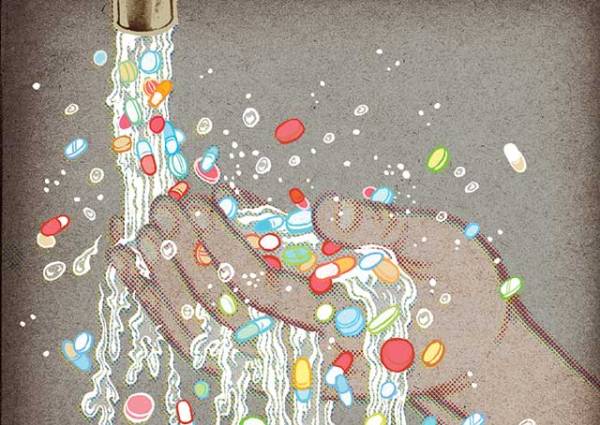
With nearly sixty percent of American adults now taking prescription medications–from antidepressants to cholesterol treatments–there is growing concern about how many drugs are flowing through wastewater treatment facilities and into rivers and lakes. Research confirms that pharmaceutical pollution can cause damage to fish and other ecological problems–and may pose risks to human health too.
Parents’ math skills ‘rub off’ on their children


Parents who excel at math produce children who excel at math. This is according to a recently released study, which shows a distinct transfer of math skills from parent to child. The study specifically explored intergenerational transmission–the concept of parental influence on an offspring’s behavior or psychology–in mathematical capabilities.
Babies chew on subtle social, cultural cues at mealtime


At the dinner table, babies do a lot more than play with their sippy cups, new research suggests. Babies pay close attention to what food is being eaten around them – and especially who is eating it. The study adds evidence to a growing body of research suggesting even very young children think in sophisticated ways about subtle social cues.
Trauma’s epigenetic fingerprint observed in children of Holocaust survivors


Image credit goes to the one and only — very talented — Lora Zombie
The children of traumatized people have long been known to be at increased risk for posttraumatic stress disorder (PTSD), and mood and anxiety disorders. However, there are very few opportunities to examine biologic alterations in the context of a watershed trauma in exposed people and their adult children born after the event.
Scientists show that a ‘Superman’ disguise could actually work


Ever wonder think it’s silly that people don’t recognize Clark Kent is actually Superman? Well as it turns out, glasses are actually a fairly good way to disguise yourself. In fact, researchers have shown that small alterations to a person’s appearance, such as wearing glasses, can significantly hinder positive facial identification.
Caffeine reverts memory deficits by normalizing stress responses in the brain
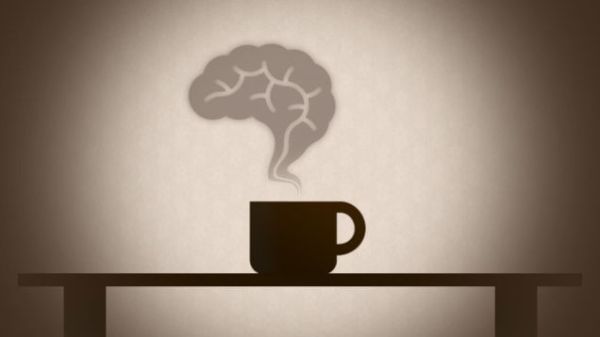
A new study describes the mechanism by which caffeine counteracts age-related cognitive deficits in animals. The international teams showed that the abnormal expression of a particular receptor – the adenosine A2A, target for caffeine – in the brain of rats induces an aging-like profile namely memory impairments linked to the loss of stress controlling mechanisms.
Use it or lose it: Stopping exercise decreases brain blood flow

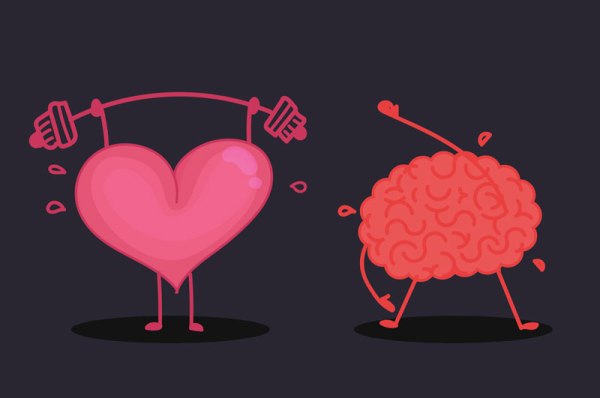
We all know that we can quickly lose cardiovascular endurance if we stop exercising for a few weeks, but what impact does the cessation of exercise have on our brains? New research examined cerebral blood flow in healthy, physically fit older adults (ages 50-80 years) before and after a 10-day period during which they stopped all exercise.
A visual nudge can disrupt recall of what things look like


Interfering with your vision makes it harder to describe what you know about the appearance of even common objects, according to researchers. This connection between visual knowledge and visual perception challenges widely held theories that visual information about the world — that alligators are green and have long tails, for example — is stored abstractly, as a list of facts, divorced from the visual experience of seeing an alligator.
Researchers report new Zika complication
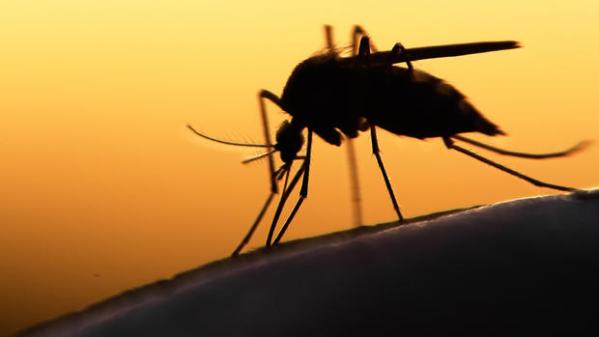
If zika didn’t seem scary enough in the media, there is new data showing that there could be a new neurological complication of infection with the Zika virus.
Next steps in understanding brain function

The most complex piece of matter in the known universe is the brain. Neuroscientists have recently taken on the challenge to understand brain function from its intricate anatomy and structure. There is no sure way to go about it, and researchers in Madrid proposed a solution to the problem.
The relationship between low physical activity and psychotic symptoms

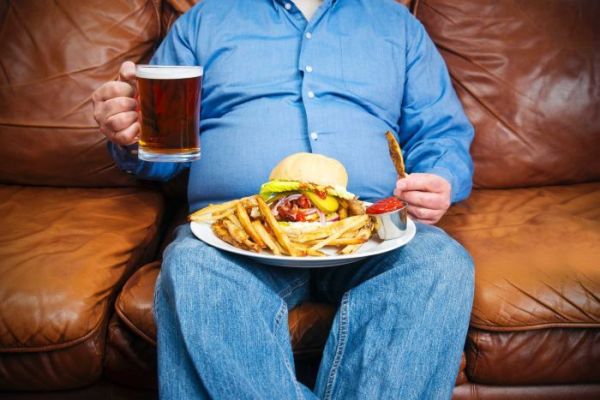
Physical activity can help reduce cardiovascular disease and premature mortality in people with psychological problems. However, there is limited data on exercise in people with serious mental disorders, especially from low- and middle-income countries. This study explored whether complying with the World Health Organization recommendations of 150 minutes of moderate-vigorous exercise per week is related to psychotic symptoms or the diagnosis of a psychosis.
How long do you want to live? Your expectations for old age matter


Why do some people want to live a very long time, while others would prefer to die relatively young? In a latest study, a team of researchers investigated how long young and middle-aged adults in the United States say they want to live in relation to a number of personal characteristics. The results showed that more than one out of six people would prefer to die younger than age 80, before reaching average life expectancy.
Too much activity in certain areas of the brain is bad for memory and attention


Neurons in the brain interact by sending each other chemical messages, so-called neurotransmitters. Gamma-aminobutyric acid (GABA) is the most common inhibitory neurotransmitter, which is important to restrain neural activity, preventing neurons from getting too trigger-happy and from firing too much or responding to irrelevant stimuli.
Stroke-like brain damage is reduced in mice injected with omega-3s
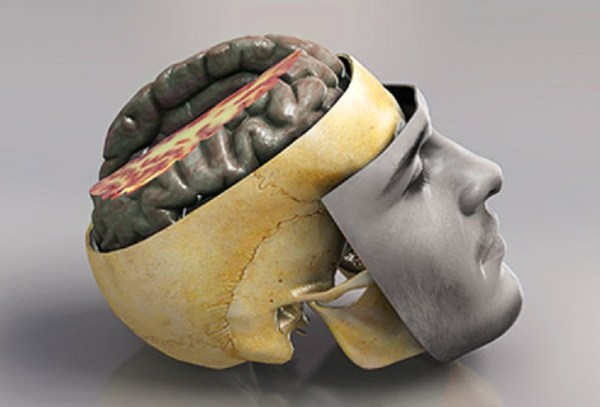
A stroke can happen at any age, and as with anything that involves the brain, a few seconds can be life altering. Usually the rule is time lost is brain lost, but there might be some good news regarding that, researchers found that omega-3 fatty acids reduced brain damage in a neonatal mouse model of stroke.
In cells, some oxidants are needed


Within our bodies, high levels of reactive forms of oxygen can damage proteins and contribute to diabetic complications and many other diseases. But some studies are showing that these reactive oxygen species (ROS) molecules sometimes can aid in maintaining health–findings now boosted by a surprising discovery by researchers.
Neural stem cells control their own fate
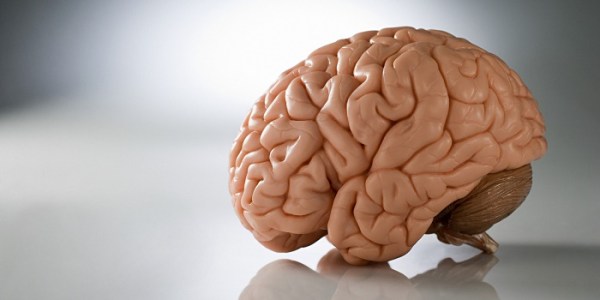
To date, it has been assumed that the differentiation of stem cells depends on the environment they are embedded in. A research group now describes for the first time a mechanism by which hippocampal neural stem cells regulate their own cell fate via the protein Drosha.
Can cell phones make you feel less connected to your friends and family?


Image credit goes to: Eric Pickersgill
In this digital age, with phones at our fingertips, you would think that access to constant communication would make us feel closer to one another. But a new study shows that may not be the case. In fact, cell phone use might actually lead to feeling less socially connected, depending on your gender or cell phone habits.
A dog’s dilemma: Do canines prefer praise or food?


A new study suggests that given the choice, many dogs prefer praise from their owners over food. The study is one of the first to combine brain-imaging data with behavioral experiments to explore canine reward preferences.
Prostitution has gone online — and pimps are thriving


With the sale of sex shifting online, today’s pimps are avoiding police detection by using underground websites, social media, mobile apps and even by hiding their ads on mainstream sites such as Craigslist and Backpage. In a first-of-its-kind study, criminologists interviewed 71 pimps in Atlanta and Chicago to determine how their marketing decisions are influenced by police enforcement of online prostitution.
Intestinal flora effects drug response

Intestinal flora has multiple influences on human health, but researchers have revealed that it is also likely to have an effect on the body’s response to drugs. Recent research suggests that changes in the intestinal flora, caused by antibacterial and antibiotic drugs or individual differences between people, may have an effect on a person’s response to drugs including side effects. The research focused on the changes in proteins due to the condition of intestinal flora that affect the response to drugs in the liver and kidneys.
Sugar addiction: Discovery of a brain sugar switch


Researchers have discovered that our brain actively takes sugar from the blood. Prior to this, researchers around the world had assumed that this was a purely passive process. An international team reports that transportation of sugar into the brain is regulated by so-called glial cells that react to hormones such as insulin or leptin; previously it was thought that this was only possible for neurons.
Is depression in parents, grandparents linked to grandchildren’s depression?


If you read my blog often, it’s no surprise I suffer from PTSD, depression, and anxiety issues. Maybe it’s from my military service, but maybe it’s my father’s, or his father’s, maybe it’s an insidious family legacy that was just never noticed. This is because having both parents and grandparents with major depressive disorder (MDD) was associated with higher risk of MDD for grandchildren, which could help identify those who may benefit from early intervention.
Want a better memory? Try eating a Mediterranean diet


It’s not a fad diet, it is an actual diet — as in the way a person eats normally — and it may do more than just help your waistline. The Mediterranean diet can improve your mind, as well your heart.
Pesticides used to help bees may actually harm them

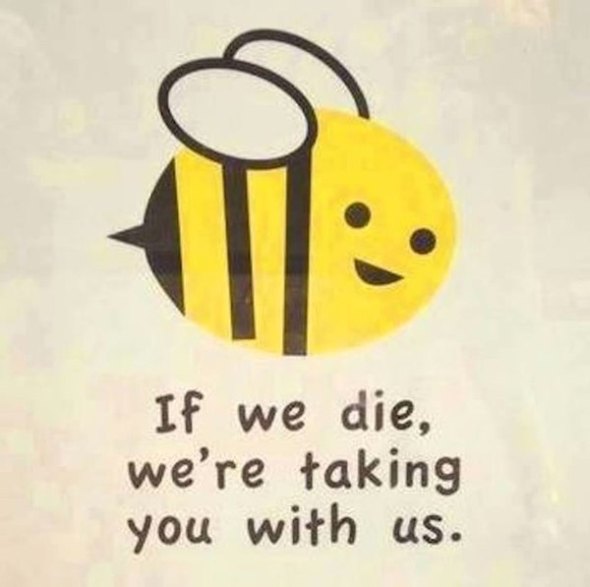
Die hard, the bee version.
Pesticides beekeepers are using to improve honeybee health may actually be harming the bees by damaging the bacteria communities in their guts. The discovery is a concern because alterations can affect the gut’s ability to metabolize sugars and peptides, processes that are vital for honeybee health.
Why you’re stiff in the morning: Your body suppresses inflammation when you sleep at night


Feeling stiff first thing in the morning? It’s not your imagination, new research has found a protein created by the body’s “biological clock” that actively represses inflammatory pathways within the affected limbs during the night. This protein, called CRYPTOCHROME, has proven anti-inflammatory effects in cultured cells and presents new opportunities for the development of drugs that may be used to treat inflammatory diseases and conditions, such as arthritis.
Microcephaly discoveries in non-Zika cases explain abnormal brain growth
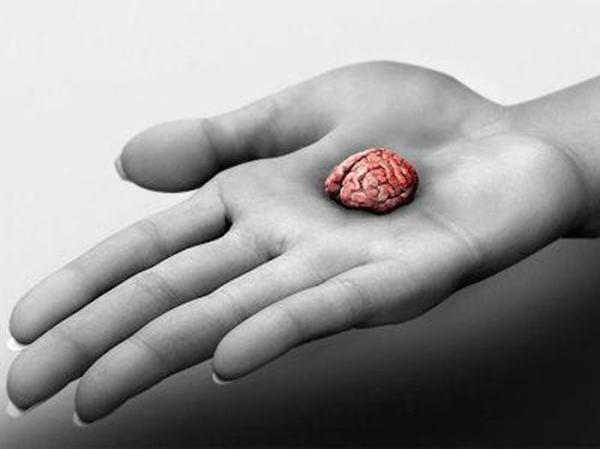
Long before Zika virus made it a household word, the birth defect called microcephaly puzzled scientists and doctors — even as it changed the lives of the babies born with it during the pre-Zika era. But new discoveries reported by an international team of scientists may help explain what happens in the developing brains of babies still in the womb, causing them to be born with small brains and heads.
From Sci Fi to reality: Unlocking the secret to growing new limbs


Many lower organisms retain the miraculous ability to regenerate form and function of almost any tissue after injury. Humans share many of our genes with these organisms, but our capacity for regeneration is limited. So scientists are studying the genetics of these organisms to find out how regenerative mechanisms might be activated in humans.
New neurons created through exercise don’t cause you to forget old memories


Fellow exercise enthusiasts, you can breath a sigh of relief and so can your brain. Research has found that exercise causes more new neurons to be formed in a critical brain region, and contrary to an earlier study, these new neurons do not cause the individual to forget old memories, according to new research.


 Lunatic Laboratories