
New epigenetic mechanism revealed in brain cells
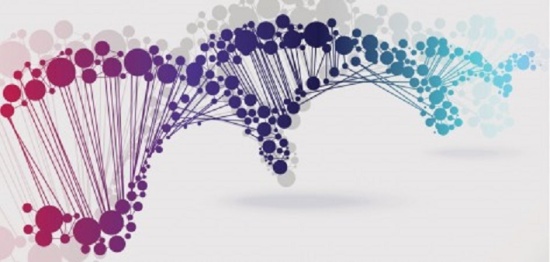
For decades, researchers in the genetics field have theorized that the protein spools around which DNA is wound, histones, remain constant in the brain, never changing after development in the womb. Now, researchers from the Icahn School of Medicine at Mount Sinai have discovered that histones are steadily replaced in brain cells throughout life – a process which helps to switch genes on and off.
Women’s faces get redder at ovulation, but human eyes can’t pick up on it
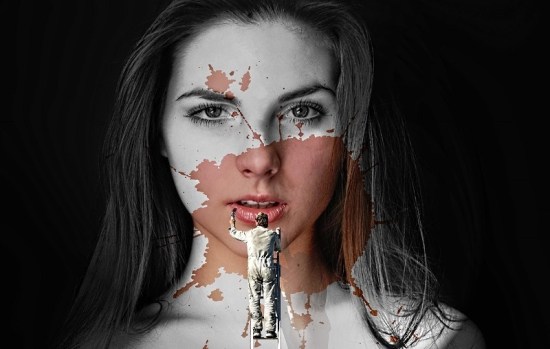
Previous studies have shown that men find female faces more attractive when the women are ovulating, but the visual clues that allow this are unclear. Now, new research investigating whether it might be to do with subtle changes in skin colour has shown that women’s faces do increase in redness during ovulation, but the levels of change are just under the detectable range of the human eye.
Omega-3 supplements and antioxidants may help with preclinical Alzheimer’s disease
Here’s more evidence that fish oil supplementation and antioxidants might be beneficial for at least some people facing Alzheimer’s disease. A new report describes the findings of a very small study in which people with mild clinical impairment, such as those in the very early stages of the disease, saw clearance of the hallmark amyloid-beta protein and reduced inflammation in neurological tissues. Although the findings involved just 12 patients over the course of 4 to 17 months, the findings suggest further clinical study of this relatively inexpensive and plentiful supplement should be conducted.
How your brain knows it’s summer
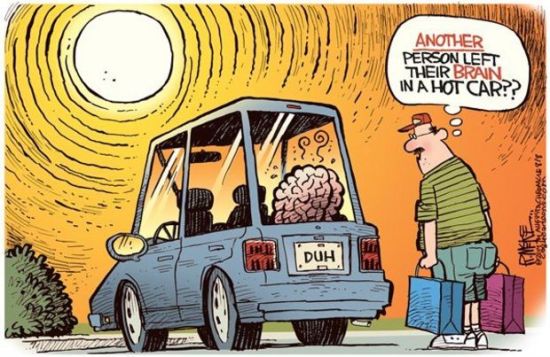
Researchers led by Toru Takumi at the RIKEN Brain Science Institute in Japan have discovered a key mechanism underlying how animals keep track of the seasons. The study shows how circadian clock machinery in the brain encodes seasonal changes in daylight duration through GABA activity along with changes in the amount of chloride located inside certain neurons.
The fear you experience playing video games is real, and you enjoy it

With the advent of video games, a frequently asked question has been whether we get as engrossed in them emotionally as we do when we see a scary movie. The answer is yes and many game players enjoy the fear caused by the zombies, disfigured humans and darkness they often encounter, the researchers found.
Rare neurons enable mental flexibility
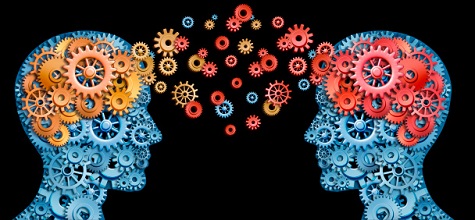
Behavioral flexibility — the ability to change strategy when the rules change — is controlled by specific neurons in the brain, Researchers have confirmed. Cholinergic interneurons are rare — they make up just one to two percent of the neurons in the striatum, a key part of the brain involved with higher-level decision-making. Scientists have suspected they play a role in changing strategies, and researchers at OIST recently confirmed this with experiments.
Brain scan can predict who responds best to certain treatment for OCD

Tens of millions of Americans — an estimated 1 to 2 percent of the population — will suffer at some point in their lifetimes from obsessive-compulsive disorder, a disorder characterized by recurrent, intrusive, and disturbing thoughts (obsessions), and/or stereotyped recurrent behaviors (compulsions). Left untreated, OCD can be profoundly distressing to the patient and can adversely affect their ability to succeed in school, hold a job or function in society.
Natural wilderness areas need buffer zones to protect from human development

Despite heavy development, the U.S. still has millions of acres of pristine wild lands. Coveted for their beauty, these wilderness areas draw innumerable outdoor enthusiasts eager for a taste of primitive nature. But University of Georgia researchers say these federally protected nature areas have a problem: Their boundaries have become prime real estate.
A single mutation helped last year’s flu virus gain an advantage over the vaccine
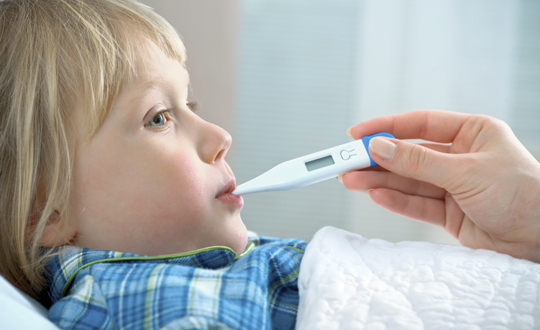
The 2014-2015 flu vaccine didn’t work as well compared to previous years because the H3N2 virus recently acquired a mutation that concealed the infection from the immune system. A new study reveals the major viral mutation responsible for the mismatch between the vaccine strain and circulating strains. The research will help guide the selection of viral strains for future seasonal flu vaccines.
Study finds pet owners reluctant to face up to their cats’ kill count
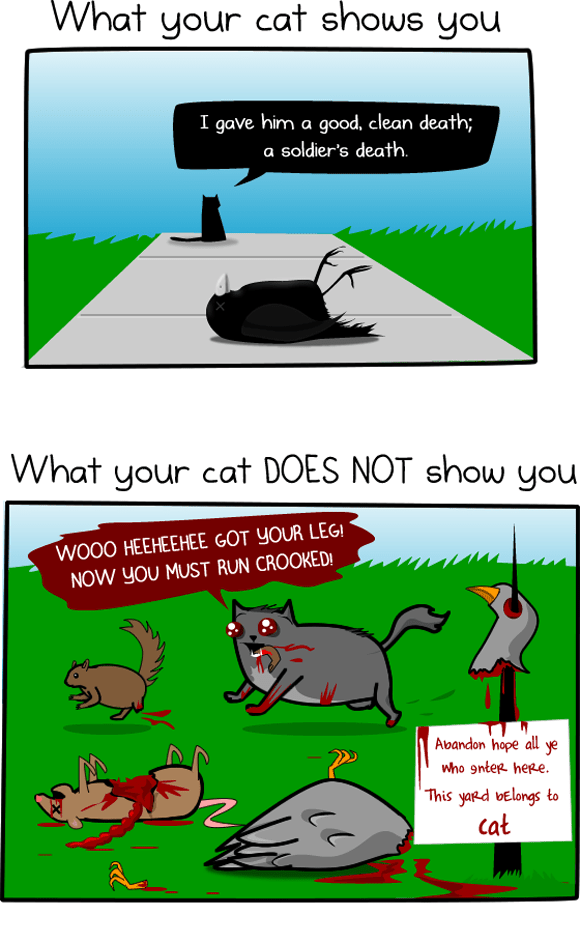
More awesomeness like this can be found at theoatmeal.com
Cats are increasingly earning themselves a reputation as wildlife killers with estimates of animals killed every year by domestic cats in the UK numbering into the millions. This new study on the attitudes of cat owners suggests that proposals to keep cats indoors in order to preserve wildlife would not be well received.
Synthetic biology used to engineer new route to biochemicals


Living cells can make a vast range of products for us, but they don’t always do it in the most straightforward or efficient way. Shota Atsumi, a chemistry professor at UC Davis, aims to address that through “synthetic biology:” designing and building new biochemical pathways within living cells, based on existing pathways from other living things.
Commenters exposed to prejudiced comments more likely to display prejudice themselves

Comment sections on websites continue to be an environment for trolls to spew racist opinions. The impact of these hateful words shouldn’t have an impact on how one views the news or others, but that may not be the case. A recent study found exposure to prejudiced online comments can increase people’s own prejudice, and increase the likelihood that they leave prejudiced comments themselves.
Oh, to have Dr. Facebook on call!
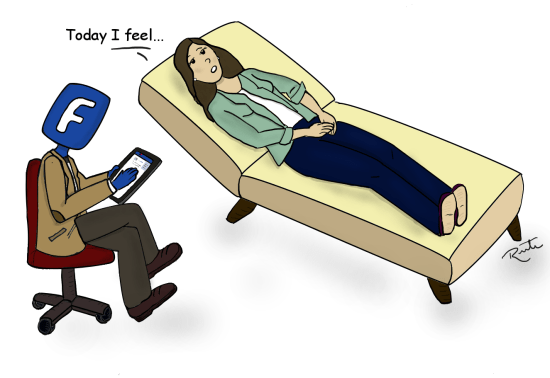
If it were up to Internet-savvy Americans, more of them would be emailing or sending Facebook messages to their doctors to chat about their health. That’s the result of a national survey led by Joy Lee of Johns Hopkins Bloomberg School of Public Health in the US.
What your clothes may say about you

Moving closer to the possibility of “materials that compute” and wearing your computer on your sleeve, researchers at the University of Pittsburgh Swanson School of Engineering have designed a responsive hybrid material that is fueled by an oscillatory chemical reaction and can perform computations based on changes in the environment or movement, and potentially even respond to human vital signs. The material system is sufficiently small and flexible that it could ultimately be integrated into a fabric or introduced as an inset into a shoe.
Consciousness has less control than believed, according to new theory
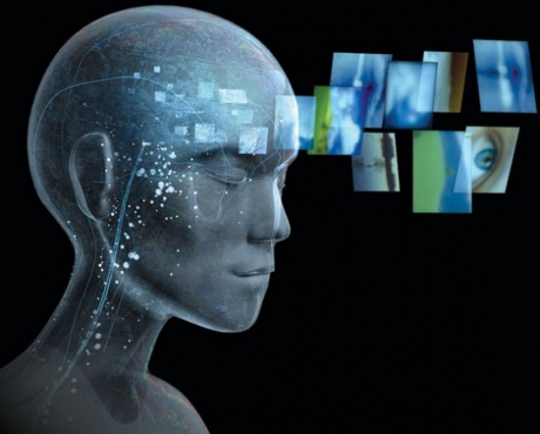
Consciousness — the internal dialogue that seems to govern one’s thoughts and actions — is far less powerful than people believe, serving as a passive conduit rather than an active force that exerts control, according to a new theory proposed by an SF State researcher.
Justice system chips away at women’s rights

Arrests of women increased dramatically in the past two decades, while domestic abuse laws meant to protect female victims have put many behind bars for defending themselves, a new paper argues. These trends suggest evidence, at least in the justice system, of a “war on women” — a term coined during the 2012 election that refers to attempts to limit women’s rights.
Researchers find mechanisms that initiate labor

Researchers at UT Southwestern Medical Center have identified two proteins in a fetus’ lungs responsible for initiating the labor process, providing potential new targets for preventing preterm birth. Previous studies have suggested that signals from the fetus initiate the birth process, but the precise molecular mechanisms that lead to labor remained unclear.
Manning up: men may overcompensate when their masculinity is threatened

From the old Charles Atlas ads showing a scrawny male having sand kicked in his face to sitcom clichés of henpecked husbands, men have long faced pressure to live up to ideals of masculinity. Societal norms dictating that men should be masculine are powerful. And new research finds that men who believe they fall short of those ideals might be prompted to reassert their masculinity in small but significant ways.
Autism: The value of an integrated approach to diagnosis
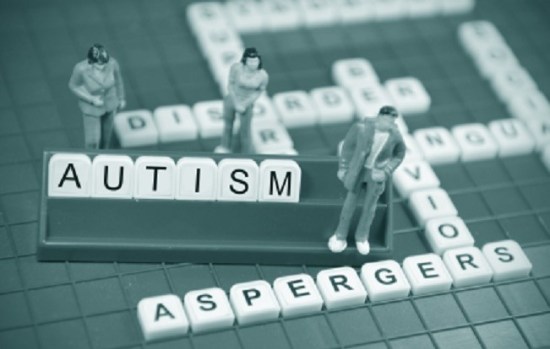
Researchers at Inserm (Inserm Unit 930 “Imaging and Brain”) attached to François-Rabelais University and Tours Regional University Hospital have combined three clinical, neurophysiological and genetic approaches in order to better understand the brain mechanisms that cause autism. When tested on two families, this strategy enabled the researchers to identify specific gene combinations in autistic patients that distinguished them from patients with intellectual disabilities.
Liar, Liar: Children with good memories are better liars

Children who benefit from a good memory are much better at covering up lies, researchers from the University of Sheffield have discovered. Experts found a link between verbal memory and covering up lies following a study which investigated the role of working memory in verbal deception amongst children.
Study links heartbeat to female libido

Sexual dysfunction in women can be linked to low resting heart rate variability, a finding that could help clinicians treat the condition, according to a study by psychologists from The University of Texas at Austin.
Musicians don’t just hear in tune, they also see in tune

Musicians don’t just hear in tune, they also see in tune. That is the conclusion of the latest scientific experiment designed to puzzle out how the brain creates an apparently seamless view of the external world based on the information it receives from the eyes.
How ‘science popularizers’ influence public opinion on religion

Two prominent scientists with drastically different views on the relationship of science and religion – Richard Dawkins and Francis Collins – have an equally different influence on these views among people who are unfamiliar with their work, according to new research from Rice University and West Virginia University.
Not-so-guilty pleasure: Viewing cat videos boosts energy and positive emotions

If you get a warm, fuzzy feeling after watching cute cat videos online, the effect may be more profound than you think. The Internet phenomenon of watching cat videos, from Lil Bub to Grumpy Cat, does more than simply entertain; it boosts viewers’ energy and positive emotions and decreases negative feelings, according to a new study by an Indiana University Media School researcher.
Avocados may hold the answer to beating leukemia
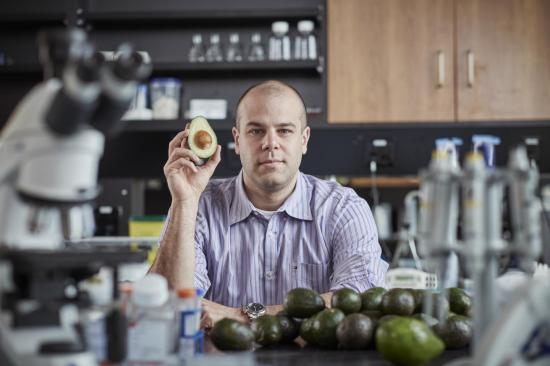
Professor Paul Spagnuolo from the University of Waterloo has discovered a lipid in avocados that combats acute myeloid leukemia by targeting the root of the disease — leukemia stem cells. Worldwide, there are few drug treatments available to patients that target leukemia stem cells. Image credit goes to: University of Waterloo
Rich, creamy, nutritious and now cancer fighting. New research reveals that molecules derived from avocados could be effective in treating a form of cancer. Professor Paul Spagnuolo from the University of Waterloo has discovered a lipid in avocados that combats acute myeloid leukemia (AML) by targeting the root of the disease – leukemia stem cells. Worldwide, there are few drug treatments available to patients that target leukemia stem cells.
Power of the media’s impact on medicine use revealed
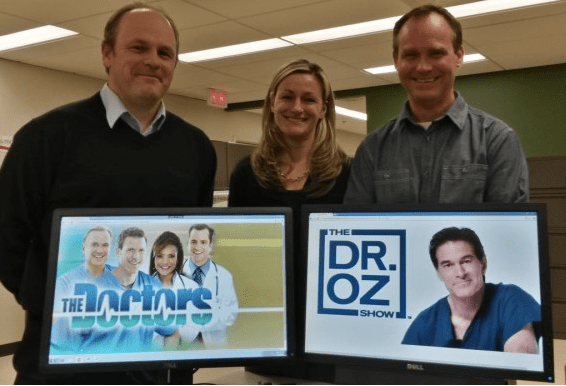
More than 60,000 Australians are estimated to have reduced or discontinued their use of prescribed cholesterol-lowering statin medications following the airing of a two-part series critical of statins by ABC TV’s science program, Catalyst, a University of Sydney study reveals. The analysis of the Pharmaceutical Benefits Scheme medication records of 191,000 people revealed that there was an immediate impact after Catalyst was aired in October 2013, with 14,000 fewer people dispensed statins per week than expected.
Hormone that differentiates sugar, diet sweeteners could exist in humans
We’ve all been there: We eat an entire sleeve of fat-free, low-calorie cookies and we’re stuffing ourselves with more food 15 minutes later. One theory to explain this phenomenon is that artificial sweeteners don’t contain the calories or energy that evolution has trained the brain to expect from sweet-tasting foods, so they don’t fool the brain into satisfying hunger. However, until now, nobody understood how organisms distinguish between real sugar and artificial sweetener.
Cell density remains constant as brain shrinks with age
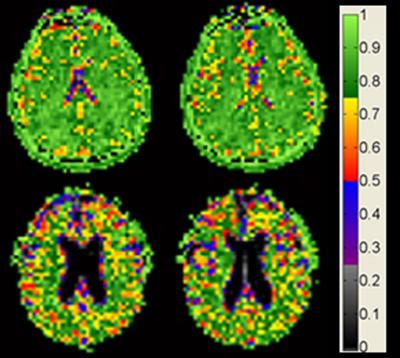
Brain cell density remains constant with age among cognitively normal adults. Image credit goes to: Dr. Keith Thulborn
New, ultra-high-field magnetic resonance images (MRI) of the brain by researchers at the University of Illinois at Chicago provide the most detailed images to date to show that while the brain shrinks with age, brain cell density remains constant. The images provide the first evidence that in normal aging, cell density is preserved throughout the brain, not just in specific regions, as previous studies on human brain tissue have shown.
Autoimmunity: New immunoregulation and biomarker
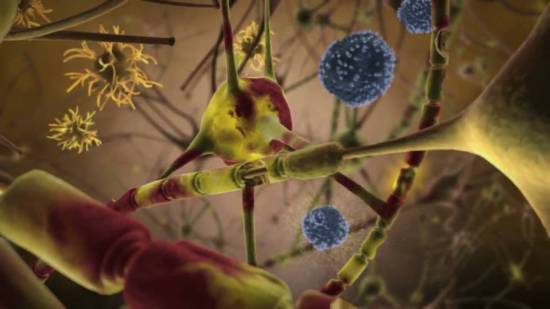
Clinicians at Ludwig-Maximilians-Universitaet (LMU) in Munich have elucidated a mechanism involved in determining the lifespan of antibody-producing cells, and identified a promising new biomarker for monitoring autoimmune diseases like multiple sclerosis and lupus erythematosus.
Milk proteins may protect against cardiovascular disease
 The Maillard reaction is a chemical reaction between amino acids and reducing sugars that results in browned foods like seared steaks and toasted bread. When proteins and sugars are mixed together and heated, new chemical compounds are formed. Some are responsible for new flavors and some, according to a new study, may protect us against cardiovascular disease. (more…)
New drug can clear all psoriasis symptoms
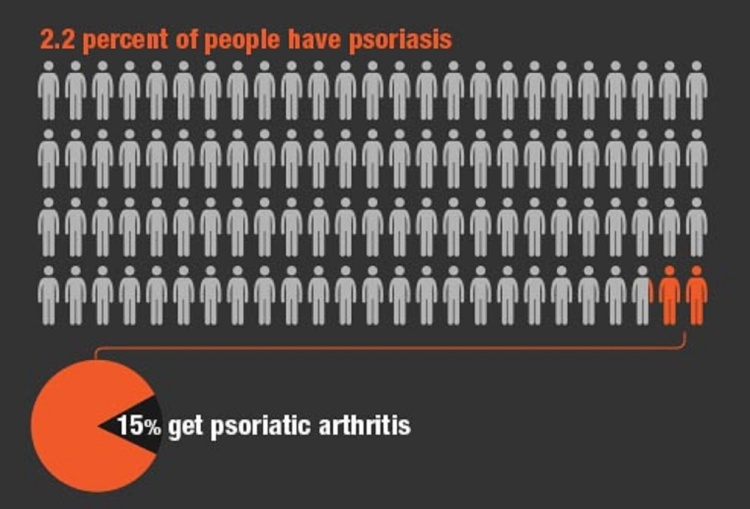
Good news for anyone who has psoriasis, a University of Manchester led trial of a new drug has resulted in 40 percent of people showing a complete clearance of psoriatic plaques after 12 weeks of treatment and over 90 percent showing improvement. The research tested 2,500 people with psoriasis. Half were given a new drug – ixekizumab – either once every two or four weeks. The other half were given a placebo or a widely used drug for psoriasis called etanercept.
First functional, synthetic immune organ with controllable antibodies created by engineers
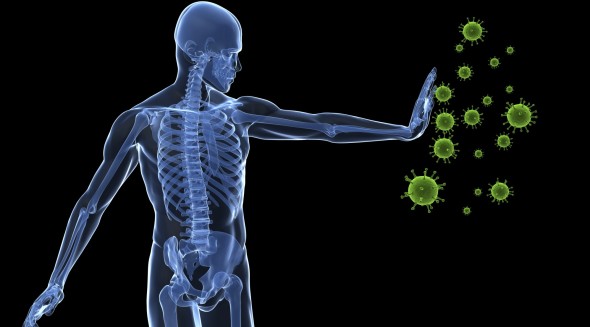
Cornell University engineers have created a functional, synthetic immune organ that produces antibodies and can be controlled in the lab, completely separate from a living organism. The engineered organ has implications for everything from rapid production of immune therapies to new frontiers in cancer or infectious disease research.
Largest-ever study of parental age and autism finds increased risk with teen moms
The largest-ever multinational study of parental age and autism risk, funded by Autism Speaks, found increased autism rates among the children of teen moms and among children whose parents have relatively large gaps between their ages. The study also confirmed that older parents are at higher risk of having children with autism. The analysis included more than 5.7 million children in five countries.
The health effects of homophobia

Homophobia, since people are (finally) stigmatizing racism, it’s just another excuse to be able to treat people who are slightly different like they are garbage. To that end, I have bad news for gay and bisexual men living in European countries. The ones with strong attitudes and policies against homosexuality are far less likely to use HIV-prevention services, test for HIV, and discuss their sexuality with health providers, according to research led by Yale School of Public Health (YSPH).
Babies who can resettle are more likely to ‘sleep through the night’

Good news, for parents who see their babies “resettle” when they wake up. According to a video study, young infants who can “resettle” themselves after waking up are more likely to sleep for prolonged periods at night. Okay, maybe that’s bad news for parents who don’t have a baby who “resettles,” but it’s still good information.
That daily soda or sugary drink habit may be punishing your liver

If you enjoy a daily soda, or other tasty sugar filled drink, you may want to put it down. New research shows that a daily sugar-sweetened beverage habit may increase the risk for non-alcoholic fatty liver disease (NAFLD). The study comes from researchers at the Jean Mayer USDA Human Nutrition Research Center on Aging (USDA HNRCA) at Tufts University and is bad news for anyone who loves sugary drinks.
Why good people do bad things

Honest behavior is much like sticking to a diet. When facing an ethical dilemma, being aware of the temptation before it happens and thinking about the long-term consequences of misbehaving could help more people do the right thing, according to a new study. This is the first study to test how the two separate factors of identifying an ethical conflict and preemptively exercising self-control interact in shaping ethical decision-making.
Eating the placenta: trendy but no proven health benefits and unknown risks

Celebrities such as Kourtney Kardashian blogged and raved about the benefits of their personal placenta ‘vitamins’ and spiked women’s interest in the practice of consuming their placentas after childbirth.
DNA breakage underlies both learning, age-related damage
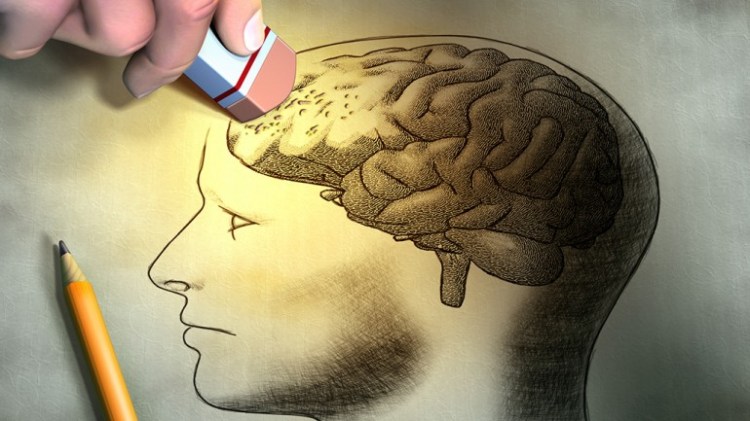
The process that allows our brains to learn and generate new memories also leads to degeneration as we age, according to a new study. The finding could ultimately help researchers develop new approaches to preventing cognitive decline in disorders such as Alzheimer’s disease. Each time we learn something new, our brain cells break their DNA, creating damage that the neurons must immediately repair.
What musical taste tells us about social class

Photo credit goes to: Hiroyuki Ito/Getty Images
Love the opera? Hungry for hip hop? It turns out that your musical likes and dislikes may say more about you than you think, according to UBC research. Even in 2015, social class continues to inform our cultural attitudes and the way we listen to music, according to the study.
How does human behavior lead to surgical errors? Researchers count the ways
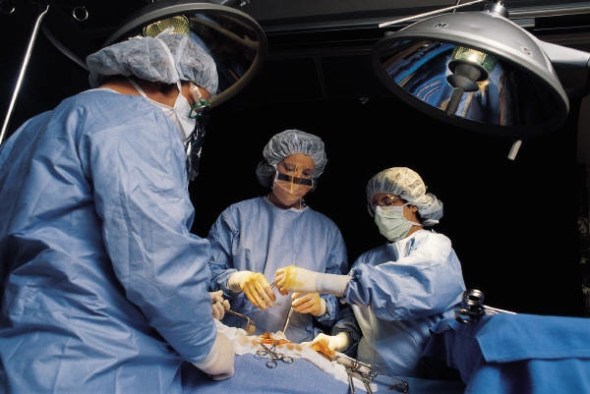
Why are major surgical errors called “never events?” Because they shouldn’t happen — but do. Mayo Clinic researchers identified 69 never events among 1.5 million invasive procedures performed over five years and detailed why each occurred. Using a system created to investigate military plane crashes, they coded the human behaviors involved to identify any environmental, organizational, job and individual characteristics that led to the never events.
A patient’s budding cortex — in a dish?

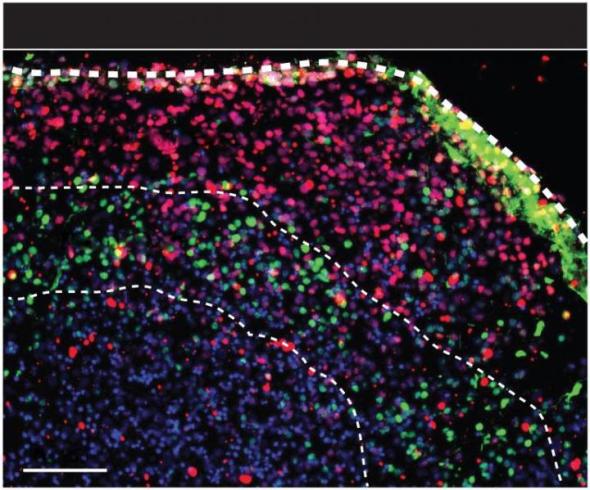
Neurons and supporting cells in the spheroids form layers and organize themselves according to the architecture of the developing human brain and network with each other.
Image credit goes to: Sergiu Pasca, M.D., Stanford University
A patient tormented by suicidal thoughts gives his psychiatrist a few strands of his hair. She derives stem cells from them to grow budding brain tissue harboring the secrets of his unique illness in a petri dish. She uses the information to genetically engineer a personalized treatment to correct his brain circuit functioning. Just Sci-fi? Yes, but…
How racial stereotypes impact the way we communicate

Racial stereotypes and expectations can impact the way we communicate and understand others, according to new research. The new study highlights how non-verbal “social cues” – such as photographs of Chinese Canadians – can affect how we comprehend speech.
Health factors influence ex-prisoners’ chances of returning to jail

Ex-prisoners with a history of risky drug use, mental illness or poverty are more likely to end up back behind bars. Those who are obese, are chronically ill or have attempted suicide are more likely to remain in the community. These are some of the findings from an exploratory study into health-related factors that could be used to predict whether a person released from prison will end up in custody again.
The new normal? Addressing gun violence in America

Mass shootings have a significant impact on our individual and collective psyche, especially when they happen at schools. Despite the fact that children die every day from gun violence, school shootings upset us in ways that are difficult to comprehend. In our minds, schools serve as safe havens for children. When that image is shattered, the unpredictability and randomness of such heinous acts leave us wondering if anywhere is safe anymore. Thus, the shock and horror expressed following these events is not surprising.
Restricting firearms access for people who misuse alcohol may prevent violence

Restricting access to firearms for people who misuse alcohol could prevent firearm violence, but policies that more clearly define alcohol misuse should be developed to facilitate enforcement, according to a review of existing research and public policies by the UC Davis Violence Prevention Research Program.
Expanding the code of life with new ‘letters’
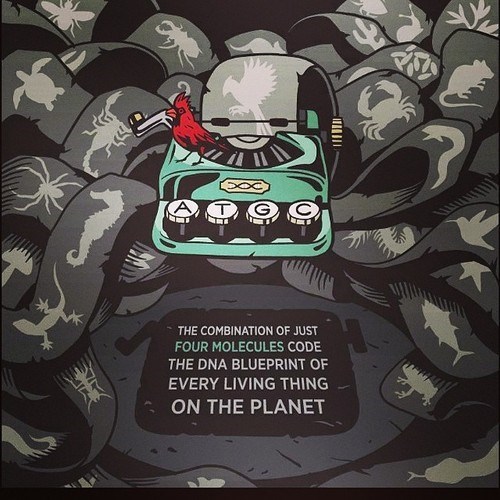
Not anymore…
The DNA encoding all life on Earth is made of four building blocks called nucleotides, commonly known as “letters,” that line up in pairs and twist into a double helix. Now, two groups of scientists are reporting for the first time that two new nucleotides can do the same thing — raising the possibility that entirely new proteins could be created for medical uses.
A Lunatic Laboratories project “semi” reveal

This isn’t a science blog.
Okay, this isn’t just a science blog.
In the just shy of a year that the official Lunatic Laboratories website was set up we have yet to give you, the readers, an update. Some of you are following for the science, some for the conversation (which I must say is top notch thanks to all of you who take the time to leave us here a note), and some of you — we are not sure how many — are here specifically for new, exciting, and innovative… well inventions.
Babies can think before they can speak

Two pennies can be considered the same — both are pennies, just as two elephants can be considered the same, as both are elephants. Despite the vast difference between pennies and elephants, we easily notice the common relation of sameness that holds for both pairs. Analogical ability — the ability to see common relations between objects, events or ideas — is a key skill that underlies human intelligence and differentiates humans from other apes.
Researchers find essential fats for brain growth
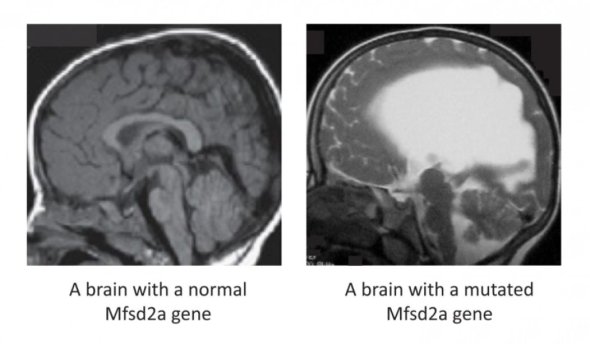
The difference between a brain with a normal Mfsd2a gene and a brain with a mutated Mfsd2a gene.
Image credit goes to: Guemez-Gamboa et al./ Nature Genetics
New research has proved that certain special fats found in blood are essential for human brain growth and function. The two studies showed that mutations in the protein Mfsd2a causes impaired brain development in humans. Mfsd2a is the transporter in the brain for a special type of fat called lysophosphatidylcholines (LPCs) — composed of essential fatty acids like omega-3. These studies show, for the first time, the crucial role of these fats in human brain growth and function.


 Lunatic Laboratories