
Lack of serotonin alters development and function in the brain
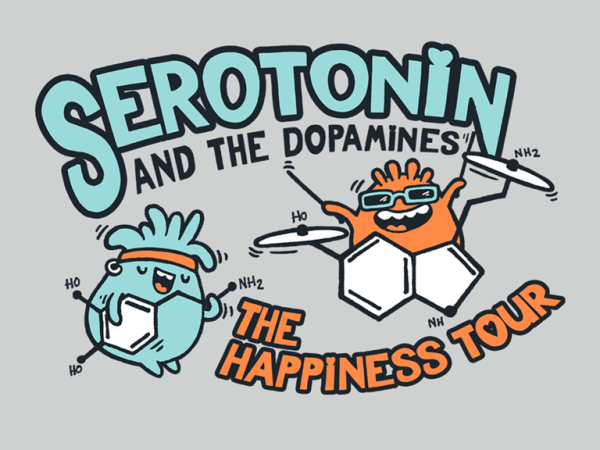
Come on get happy!
Researchers at Case Western Reserve University School of Medicine have created the first complete model to describe the role that serotonin plays in brain development and structure. Serotonin, also called 5-hydroxytryptamine [5-HT], is an important neuromodulator of brain development and the structure and function of neuronal (nerve cell) circuits.
Are you a ‘harbinger of failure’?


Has a point, he does.
Diet Crystal Pepsi. Frito Lay Lemonade. Watermelon-flavored Oreos. Through the years, the shelves of stores have been filled with products that turned out to be flops, failures, duds, and losers. But only briefly filled with them, of course, because products like these tend to get yanked from stores quickly, leaving most consumers to wonder: Who exactly buys these things, anyway?
Women, do you want to be a leader at a teaching hospital? Grow a mustache!


Thirteen percent of department leader positions at top academic medical institutions in the United States are held by women, while nearly 20 percent are held by men with mustaches. The findings of the tongue-in-cheek study, an analysis of more than 1,000 headshots of department leaders at top National Institutes of Health-funded academic medical institutions, provide a new context for examining gender disparities in the field.
Depression is more than a “mental health” problem and we can now measure its risk


These feels drawn by the one, the only, and the oatmeal, or is it just one of those?
A network of interacting brain regions known as the default mode network (DMN) was found to have stronger connections in adults and children with a high risk of depression compared to those with a low risk. These findings suggest that increased DMN connectivity is a potential precursor, or biomarker, indicating a risk of developing major depressive disorder (MDD).
LSD changes consciousness by reorganizing human brain networks
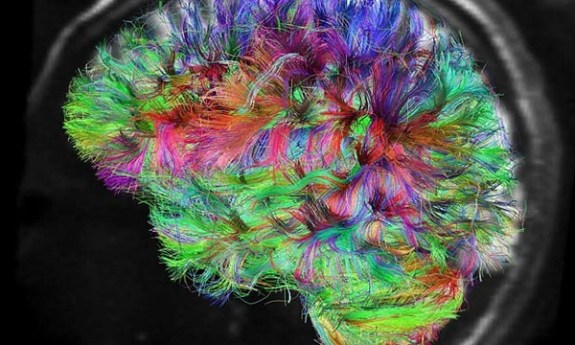
LSD is known to cause changes in consciousness, including “ego-dissolution”, or a loss of the sense of self. Despite a detailed knowledge of the action of LSD at specific serotonin receptors, it has not been understood how this these pharmacological effects can translate into such a profound effect on consciousness.
No two faces are the same


For the very first time, researchers have been able to show that the causes of congenital face blindness can be traced back to an early stage in the perceptual process. These findings are crucial, not just for our understanding of face recognition, but also because they allow us to understand the processes behind the recognition of any visually presented object.
Exposure to violence makes you more likely to lie, cheat


Maybe it’s not what it looks like…
Can watching a violent movie make you more likely to lie, cheat or steal? What about reading a violent book? While that may seem like a stretch, a new research study shows it may be the case. The study finds that exposure to human violence is strongly linked to an increase in cheating for monetary gain. In other words, violence may be making us less ethical.
Our pale blue dot in the wake of destruction


This is our home, that pale blue dot, dwarfed by an arrow that takes up less space on your screen than this sentence. For all our “overwhelming” intelligence, if we flexed our mental might and developed a weapon to destroy this pale blue dot, it would almost certainly go unnoticed in the universe.
Antidepressant medication protects against compounds linked to dementia


In addition to treating depression, a commonly used antidepressant medication also protects against compounds that can cause memory loss and dementia, a Loyola University Medical Center study has found. The study found that blood levels of two neurotoxic compounds dropped significantly in depressed patients after they were treated with the antidepressant escitalopram (Lexapro).
Mental health risk for new dads

Researchers have found anxiety around the arrival of a new baby is just as common as postnatal depression, and the risks for men are nearly as high as for women. Mental health researcher Dr Liana Leach reviewed 43 separate studies and found anxiety before and after a child arrives is just as prevalent as depression, affecting around one in ten men, around half the rate for women.
Neuroscience and the search for happiness

Exercising, meditating, scouring self-help books… we go out of our way to be happy, but do we really know what happiness is? Wataru Sato and his team at Kyoto University have found an answer from a neurological perspective.
Inflammation linked to weakened reward circuits in depression


About one third of people with depression have high levels of inflammation markers in their blood. New research indicates that persistent inflammation affects the brain in ways that are connected with stubborn symptoms of depression, such as anhedonia, the inability to experience pleasure.
What’s in a name? More than you think…

What’s in a name? In the case of the usernames of video gamers, a remarkable amount of information about their real world personalities, according to research. Analysis of anonymised data from one of the world’s most popular computer games by scientists in the Department of Psychology at York also revealed information about their ages.
Not so happy old age?


The notion that older people are happier than younger people is being challenged following a recent study led by a University of Bradford lecturer. In fact it suggests that people get more depressed from age 65 onwards. The study, led by psychology lecturer Dr Helena Chui, builds on a 15-year project observing over 2,000 older Australians living in the Adelaide area.
It’s music to my eyes

Swan lake
Image credit goes to: The one and only Lora Zombie (Yes again).
When people are listening to music, their emotional reactions to the music are reflected in changes in their pupil size. Researchers from the University of Vienna and the University of Innsbruck, Austria, are the first to show that both the emotional content of the music and the listeners’ personal involvement with music influence pupil dilation. This study demonstrates that pupil size measurement can be effectively used to probe listeners’ reactions to music.
The connection between masculinity, energy drink use, and sleep problems


Energy drinks have grown in popularity for many Americans, but there is growing concern about the health risks of consuming them in large quantities. Because men are the main consumers of energy drinks, a research team lead by Dr. Ronald F. Levant, a professor of psychology at The University of Akron, set out to study a possible link between masculinity, expectations about the benefits of consuming energy drinks, how those expectations affect energy drink use, and the impact on sleep.
Cancer survivors less likely to receive callbacks from potential employers


Job applicants who are cancer survivors are less likely to receive callbacks from potential retail employers than those who did not disclose their health history, according to a recent study by Rice University and Penn State University researchers.
Adults’ happiness on the decline


Are you less happy than your parents were at the same age? It may not be all in your head. Researchers led by San Diego State University professor Jean M. Twenge found adults over age 30 are not as happy as they used to be, but teens and young adults are happier than ever. Researchers analyzed data from four nationally representative samples of 1.3 million Americans ages 13 to 96 taken from 1972 to 2014.
Kids meals, toys, and TV advertising: A triple threat to child health

Image credit goes to the one and only: Laura Zombie
Fast food companies advertise children’s meals on TV with ads that feature toy premiums, and it has been suggested that the use of these toy premiums may prompt children to request eating at fast food restaurants. In a new study, researchers found that the more children watched television channels that aired ads for children’s fast food meals, the more frequently their families visited those fast food restaurants.
What blocks pro-vaccine beliefs?

Despite rhetoric that pits “anti-vaxxers” versus “pro-vaxxers,” most new parents probably qualify as vaccine-neutral–that is, they passively accept rather than actively demand vaccination. Unless there is an active threat of polio or whooping cough, they have to remind themselves that injecting their crying infant with disease antigens is a good thing.
How common is sexting among married couples?

Earlier this year, we looked at a study that suggested sexting can be healthy in a relationship, but that study primarily looked at non-married couples and the average age for the behavior was, as you may expect, young adult. Which may lead you to think that married couples don’t sext. In fact, married couples do report sexting, but it is much less common than in young adult relationships and consists more of intimate talk with their partners than sending nude or nearly nude photos via mobile phones, according to a new study.
Depression too often reduced to a checklist of symptoms

How can you tell if someone is depressed? The Diagnostic and Statistical Manual of Mental Disorders (DSM) – the ‘bible’ of psychiatry – diagnoses depression when patients tick off a certain number of symptoms on the DSM checklist. A large-scale quantitative study coordinated at KU Leuven, Belgium, now shows that some symptoms play a much bigger role than others in driving depression, and that the symptoms listed in DSM may not be the most useful ones.
How reward and daytime sleep boost learning

A new study suggests that receiving rewards as you learn can help cement new facts and skills in your memory, particularly when combined with a daytime nap. The findings from the University of Geneva reveal that memories associated with a reward are preferentially reinforced by sleep. Even a short nap after a period of learning is beneficial.
Schizophrenia symptoms linked to features of brain’s anatomy?

Using advanced brain imaging, researchers have matched certain behavioral symptoms of schizophrenia to features of the brain’s anatomy. The findings, at Washington University School of Medicine in St. Louis, could be a step toward improving diagnosis and treatment of schizophrenia.
Parents influence children’s play of violent video games

Parents who are more anxious and emotional can impact the amount of violent video games their children play, according to new consumer research from Iowa State University. Russell Laczniak, a professor of marketing and the John and Connie Stafford Professor in Business, says given the harmful effects of violent video games, he and his colleagues wanted to better understand how parents influence children’s behavior.
American placebo – An increase in the placebo response, but only in America?
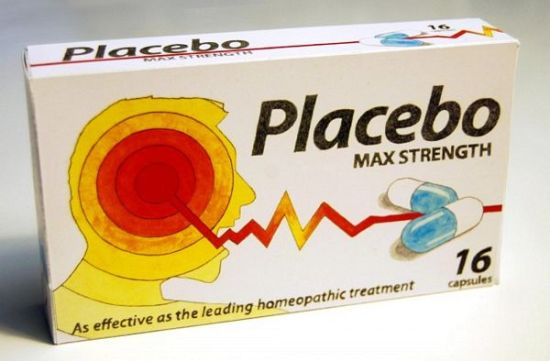
A new study finds that rising placebo responses may play a part in the increasingly high failure rate for clinical trials of drugs designed to control chronic pain caused by nerve damage. Surprisingly, however, the analysis of clinical trials conducted since 1990 found that the increase in placebo responses occurred only in trials conducted wholly in the U.S.; trials conducted in Europe or Asia showed no changes in placebo responses over that period.
Gut bacteria population, diversity linked to anorexia nervosa

Researchers at the UNC School of Medicine found that people with anorexia nervosa have very different microbial communities residing inside their guts compared to healthy individuals and that this bacterial imbalance is associated with some of the psychological symptoms related to the eating disorder.
Coincidence or conspiracy? Studies investigate conspiracist thinking

In pop culture, conspiracy believers — like FBI agent Fox Mulder on The X Files or professor Robert Langdon in The Da Vinci Code — tend to reject the notion of coincidence or chance; even the most random-seeming events are thought to result from some sort of intention or design. And researchers have suggested that such a bias against randomness may explain real-world conspiracy beliefs. But new research from psychological scientists shows no evidence for a link between conspiracist thinking and perceptions of order, design, or intent.
Breaking the anxiety cycle

A woman who won’t drive long distances because she has panic attacks in the car. A man who has contamination fears so intense he cannot bring himself to use public bathrooms. A woman who can’t go to church because she fears enclosed spaces. All of these people have two things in common: they have an anxiety disorder. They’re also parents.
What motivates ‘Facebook stalking’ after a romantic breakup?

Social networking makes it easy to monitor the status and activities of a former romantic partner, an often unhealthy use of social media known as interpersonal electronic surveillance (IES) or, more commonly, “Facebook stalking.” Psychological and relationship factors and how individuals cope with the termination of a romantic relationship can help predict their use of online surveillance, according to a new study.
‘Delayed remembering’: Kids can remember tomorrow what they forgot today

For adults, memories tend to fade with time. But a new study has shown that there are circumstances under which the opposite is true for small children: they can remember a piece of information better days later than they can on the day they first learned it. While playing a video game that asked them to remember associations between objects, 4- and 5-year-olds who re-played the game after a two-day delay scored more than 20 percent higher than kids who re-played it later the same day.
Schizophrenia: Repairing the brain

Research led by scientists from Duke-NUS Graduate Medical School Singapore (Duke-NUS) has linked the abnormal behaviour of two genes (BDNF and DTNBP1) to the underlying cause of schizophrenia. These findings have provided a new target for schizophrenia treatment.
Students in credit crisis

New research from the USA suggests that college students are well aware that they should be personally responsible for their finances, including their card obligations, but this awareness rarely correlates with limiting the debts they accrue during their time in higher education.
Diet beverage drinkers compensate by eating unhealthy food
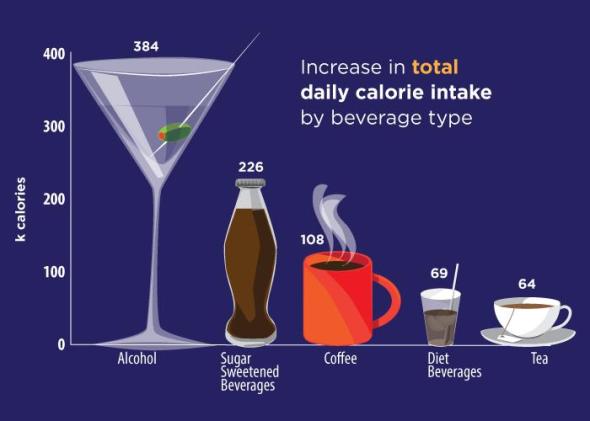
Alcoholic drinks and sugar-sweetened beverages are associated with higher overall daily intakes, although people who drink diet beverages consume a greater percentage of non-nutritious food.
Image credit goes to: Julie McMahon
Want fries with that diet soda? You aren’t alone, and you may not be “saving” as many calories as you think by consuming diet drinks. A new study that examined the dietary habits of more than 22,000 U.S. adults found that diet-beverage consumers may compensate for the absence of calories in their drinks by noshing on extra food that is loaded with sugar, sodium, fat and cholesterol.
Guilting teens into exercise won’t increase activity

Just like attempts at influencing hairstyles or clothing can backfire, adults who try to guilt middle-schoolers into exercising won’t get them to be any more active. The study found students who don’t feel in control of their exercise choices or who feel pressured by adults to be more active typically aren’t.
The science of stereotyping: Challenging the validity of ‘gaydar’

“Gaydar” — the purported ability to infer whether people are gay or straight based on their appearance — seemed to get a scientific boost from a 2008 study that concluded people could accurately guess someone’s sexual orientation based on photographs of their faces. In a new paper researchers at the University of Wisconsin-Madison challenge what they call “the gaydar myth.” William Cox, an assistant scientist in the Department of Psychology and the lead author, says gaydar isn’t accurate and is actually a harmful form of stereotyping.
Researchers help identify neural basis of multitasking

What makes someone better at switching between different tasks? Looking for the mechanisms behind cognitive flexibility, researchers have used brain scans to shed new light on this question. By studying networks of activity in the brain’s frontal cortex, a region associated with control over thoughts and actions, the researchers have shown that the degree to which these networks reconfigure themselves while switching from task to task predicts people’s cognitive flexibility.
Television viewing linked to higher injury risk in hostile people

People with hostile personality traits who watch more television than their peers may be at a greater risk for injury, potentially because they are more susceptible to the influence of television on violence and risk-taking behaviors, a University of Pittsburgh Graduate School of Public Health analysis discovered.
Confidence in parenting could help break cycle of abuse

To understand how confidence in parenting may predict parenting behaviors in women who were abused as children, psychologists have found that mothers who experienced more types of maltreatment as children are more critical of their ability to parent successfully. Intervention programs for moms at-risk, therefore, should focus on bolstering mothers’ self-confidence–not just teach parenting skills, the researchers said.
Predicting who will murder his wife or his family

Murderers who kill intimate partners and family members have a significantly different psychological and forensic profile from murderers who kill people they don’t know, reports a new Northwestern Medicine study that examined the demographics, psychiatric history and neuropsychology of these individuals.
Want a better relationship and a better sex life?

If men take up more of the child-care duties, splitting them equally with their female partners, heterosexual couples have more satisfaction with their relationships and their sex lives, according to new research by sociologists. The group used data from more than 900 heterosexual couples’ responses in the 2006 Marital Relationship Study (MARS).
Don’t touch that dial: TV’s subliminal influence on women’s perception of pregnancy and birth

In an era where popular culture is increasingly recognized for its impact on lay understanding of health and medicine, few scholars have looked at television’s powerful role in the creation of patient expectations, especially regarding pregnancy and birth.
‘Memory region’ of the brain also involved in conflict resolution
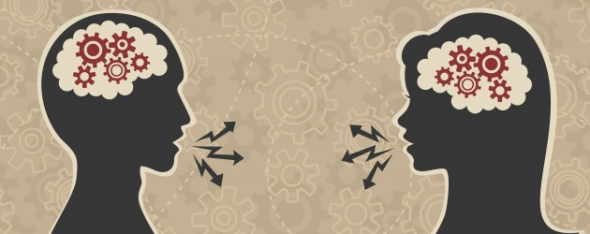
The hippocampus in the brain’s temporal lobe is responsible for more than just long-term memory. Researchers have for the first time demonstrated that it is also involved in quick and successful conflict resolution.
Happiness spreads, but depression isn’t contagious

Having friends who suffer from depression doesn’t affect the mental health of others, according to research. The team found that having friends can help teenagers recover from depression or even avoid becoming depressed in the first instance. The findings are the result of a study of the way teenagers in a group of US high schools influenced each others’ mood. The academics used a mathematical model to establish if depression spreads from friend to friend.
How influential are peer reactions to posts on Facebook news channels?

An experiment to determine the effects of positive and negative user comments to items posted by media organizations on Facebook news channels showed, surprisingly, that the influence of user comments varied depending on the type and number of user comments. Negative comments influenced the persuasiveness of a news article, while positive comments did not, and a high number of likes did not have the expected bandwagon effect.
The stomach is the way to a woman’s heart, too

You’ve heard that romance starts in the kitchen and not in the bedroom. Well, researchers at Drexel University finally have the science to support that saying – but not the way you might think. Researchers found that women’s brains respond more to romantic cues on a full stomach than an empty one. The study explored brain circuitry in hungry versus satiated states among women who were past-dieters and those who had never dieted.
On Wikipedia, politically controversial science topics vulnerable to information sabotage

Wikipedia reigns. It’s the world’s most popular online encyclopedia, the sixth most visited website in America, and a research source most U.S. students rely on. But Wikipedia entries on politically controversial scientific topics can be unreliable due to information sabotage.
Cognitive decision making as the collapse of a quantum superstate

Decision making in an enormous range of tasks involves the accumulation of evidence in support of different hypotheses. One of the enduring models of evidence accumulation is the Markov random walk (MRW) theory, which assigns a probability to each hypothesis. In an MRW model of decision making, when deciding between two hypotheses, the cumulative evidence for and against each hypothesis reaches different levels at different times, moving particle-like from state to state and only occupying a single definite evidence level at any given point.
Good for the relationship: A reframing of sexting

The practice of sexting may be more common than generally thought among adults. More than eight out of 10 people surveyed online admitted to sexting in the prior year, according to new research.
Excessive workout supplement use: An emerging eating disorder in men?

In an effort to build better bodies, more men are turning not to illegal anabolic steroids, but to legal over-the-counter bodybuilding supplements to the point where it may qualify as an emerging eating disorder, according to research presented at the American Psychological Association’s annual convention.


 Lunatic Laboratories