We're a little crazy, about science!

Latest

The relationship between low physical activity and psychotic symptoms

mental health exercise

Physical activity can help reduce cardiovascular disease and premature mortality in people with psychological problems. However, there is limited data on exercise in people with serious mental disorders, especially from low- and middle-income countries. This study explored whether complying with the World Health Organization recommendations of 150 minutes of moderate-vigorous exercise per week is related to psychotic symptoms or the diagnosis of a psychosis.


Read the rest of this page »

How long do you want to live? Your expectations for old age matter

aging gracefully

Why do some people want to live a very long time, while others would prefer to die relatively young? In a latest study, a team of researchers investigated how long young and middle-aged adults in the United States say they want to live in relation to a number of personal characteristics. The results showed that more than one out of six people would prefer to die younger than age 80, before reaching average life expectancy.

Read the rest of this page »

In cells, some oxidants are needed

bai5 drinks with antioxidents

Within our bodies, high levels of reactive forms of oxygen can damage proteins and contribute to diabetic complications and many other diseases. But some studies are showing that these reactive oxygen species (ROS) molecules sometimes can aid in maintaining health–findings now boosted by a surprising discovery by researchers.

Read the rest of this page »

‘I miss you so much’: How Twitter is broadening the conversation on death and mourning

genie you're free

Death and mourning were largely considered private matters in the 20th century, with the public remembrances common in previous eras replaced by intimate gatherings behind closed doors in funeral parlors and family homes. But social media is redefining how people grieve, and Twitter in particular — with its ephemeral mix of rapid-fire broadcast and personal expression — is widening the conversation around death and mourning.

Read the rest of this page »

Prostitution has gone online — and pimps are thriving

internet sex

With the sale of sex shifting online, today’s pimps are avoiding police detection by using underground websites, social media, mobile apps and even by hiding their ads on mainstream sites such as Craigslist and Backpage. In a first-of-its-kind study, criminologists interviewed 71 pimps in Atlanta and Chicago to determine how their marketing decisions are influenced by police enforcement of online prostitution.

Read the rest of this page »

Exercise can tackle symptoms of schizophrenia

schizophrenia advertisement

Aerobic exercise can significantly help people coping with the long-term mental health condition schizophrenia, according to a new study. Through combining data from 10 independent clinical trials with a total of 385 patients with schizophrenia, Joseph Firth found that around 12 weeks of aerobic exercise training can significant improve patients’ brain functioning.

Read the rest of this page »

Intestinal flora effects drug response

taking medicine

Intestinal flora has multiple influences on human health, but researchers have revealed that it is also likely to have an effect on the body’s response to drugs. Recent research suggests that changes in the intestinal flora, caused by antibacterial and antibiotic drugs or individual differences between people, may have an effect on a person’s response to drugs including side effects. The research focused on the changes in proteins due to the condition of intestinal flora that affect the response to drugs in the liver and kidneys.

Read the rest of this page »

Sugar addiction: Discovery of a brain sugar switch

addicted to sugar

Researchers have discovered that our brain actively takes sugar from the blood. Prior to this, researchers around the world had assumed that this was a purely passive process. An international team reports that transportation of sugar into the brain is regulated by so-called glial cells that react to hormones such as insulin or leptin; previously it was thought that this was only possible for neurons.

Read the rest of this page »

Targeting the gut-brain connection can impact immunity

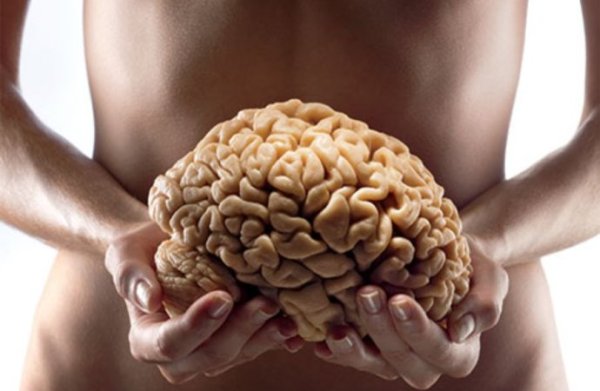
gut brain connection

There’s a reason it’s called a gut feeling. The brain and the gut are connected by intricate neural networks that signal hunger and satiety, love and fear, even safety and danger. These networks employ myriad chemical signals that include dopamine, a powerful neurotransmitter most famous for its role in reward and addiction.

Read the rest of this page »

Is depression in parents, grandparents linked to grandchildren’s depression?

depression

If you read my blog often, it’s no surprise I suffer from PTSD, depression, and anxiety issues. Maybe it’s from my military service, but maybe it’s my father’s, or his father’s, maybe it’s an insidious family legacy that was just never noticed. This is because having both parents and grandparents with major depressive disorder (MDD) was associated with higher risk of MDD for grandchildren, which could help identify those who may benefit from early intervention.

Read the rest of this page »

Pesticides used to help bees may actually harm them

Save the bees

Die hard, the bee version.

Pesticides beekeepers are using to improve honeybee health may actually be harming the bees by damaging the bacteria communities in their guts. The discovery is a concern because alterations can affect the gut’s ability to metabolize sugars and peptides, processes that are vital for honeybee health.

Read the rest of this page »

Why you’re stiff in the morning: Your body suppresses inflammation when you sleep at night

joint pain in the morning

Feeling stiff first thing in the morning? It’s not your imagination, new research has found a protein created by the body’s “biological clock” that actively represses inflammatory pathways within the affected limbs during the night. This protein, called CRYPTOCHROME, has proven anti-inflammatory effects in cultured cells and presents new opportunities for the development of drugs that may be used to treat inflammatory diseases and conditions, such as arthritis.

Read the rest of this page »

Microcephaly discoveries in non-Zika cases explain abnormal brain growth

microcephaly

Long before Zika virus made it a household word, the birth defect called microcephaly puzzled scientists and doctors — even as it changed the lives of the babies born with it during the pre-Zika era. But new discoveries reported by an international team of scientists may help explain what happens in the developing brains of babies still in the womb, causing them to be born with small brains and heads.

Read the rest of this page »

From Sci Fi to reality: Unlocking the secret to growing new limbs

growing new limbs

Many lower organisms retain the miraculous ability to regenerate form and function of almost any tissue after injury. Humans share many of our genes with these organisms, but our capacity for regeneration is limited. So scientists are studying the genetics of these organisms to find out how regenerative mechanisms might be activated in humans.

Read the rest of this page »

FAMIN or feast? Newly discovered mechanism influences how immune cells ‘eat’ invaders

macrophage

A new mechanism that affects how our immune cells perform – and hence their ability to prevent disease – has been discovered by an international team of researchers. To date, researchers have identified hundreds of genetic variants that increase or decrease the risk of developing diseases from cancer and diabetes to tuberculosis and mental health disorders.

Read the rest of this page »

Why do antidepressants take so long to work?

depression

Medication roulette, if you have ever had to deal with depression or other types of mental illness you know what I’m talking about. You take a pill that could help or could cause all sorts of horrid side effects. You cross your fingers as you take that first pill and in the 4-6 weeks it takes to start working you cross your fingers, hope, wish and probably even dread the outcome. But why does it take so long for antidepressants to start working in the first place and what could be done to change that?

Read the rest of this page »

Researchers temporarily turn off brain area to better understand function

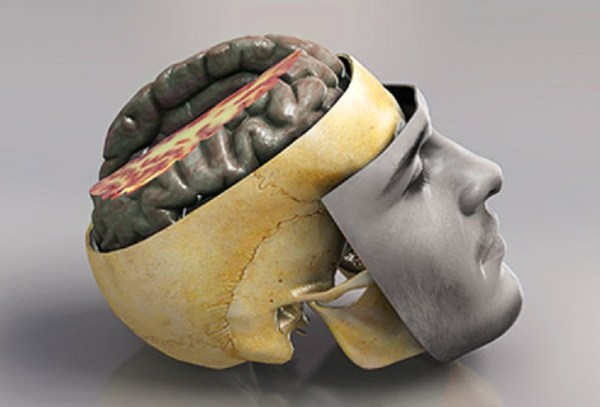
parts of the brain

Capitalizing on experimental genetic techniques, researchers have demonstrated that temporarily turning off an area of the brain changes patterns of activity across much of the remaining brain. The research suggests that alterations in the functional connectivity of the brain in humans may be used to determine the sites of pathology in complex disorders such as schizophrenia and autism.

Read the rest of this page »

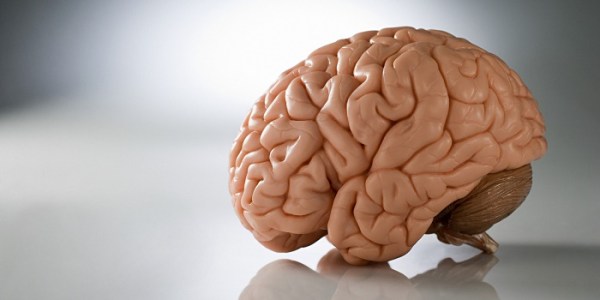
Brain activity and response to food cues differ in severely obese women

fat cat funny meme

The brain’s reward centers in severely obese women continue to respond to food cues even after they’ve eaten and are no longer hungry, in contrast to their lean counterparts. The study compared attitudes and the brain activity of 15 severely obese women (those with a body mass index greater than 35) and 15 lean women (those with a BMI under 25).

Read the rest of this page »

How our brain puts the world in order

organizing archives

The world around is complex and changing constantly. To put it in order, we devise categories into which we sort new concepts. To do this we apply different strategies. A team of researchers wanted to find out which areas of the brain regulate these strategies. The results of their study using magnetic resonance imaging (MRI) show that there are indeed particular brain areas, which become active when a certain strategy of categorisation is applied.

Read the rest of this page »

Protein found to bolster growth of damaged muscle tissue

muscular dystrophy art

Read more about the story behind this image and see others here.

Biologists have found that a protein that plays a key role in the lives of stem cells can bolster the growth of damaged muscle tissue, a step that could potentially contribute to treatments for muscle degeneration caused by old age and diseases such as muscular dystrophy. The results show that a particular type of protein called integrin is present on the stem cell surface and used by stem cells to interact with, or “sense” their surroundings.

Read the rest of this page »

Repeated stimulation treatment can restore movement to paralyzed muscles

nerves

Conducted at the BioMag laboratory at the Helsinki University Hospital, a new patient study could open a new opportunity to rehabilitate patients with spinal cord damage. In a new study which two patients with spinal cord injuries received a form of treatment that combined transcranial magnetic stimulation with simultaneous peripheral nerve stimulation given repeatedly for nearly six months.

Read the rest of this page »

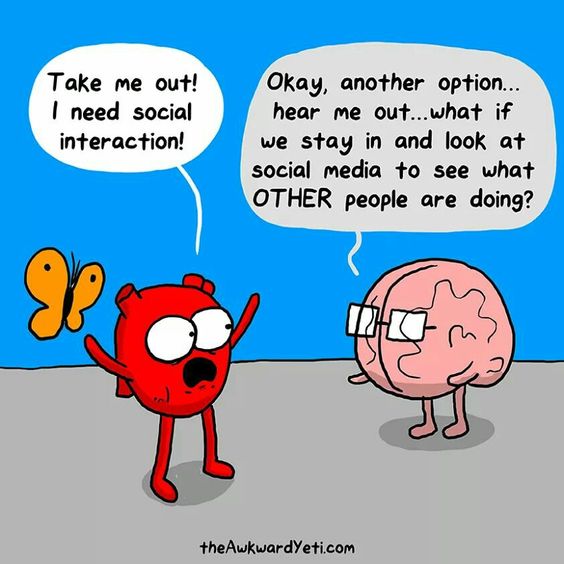
“Shocking” new role of the immune system: Controlling social interaction

social interaction today

Image credit goes to: The awkward Yeti

In a startling discovery that raises fundamental questions about human behavior, researchers have determined that the immune system directly affects – and even controls – creatures’ social behavior, such as their desire to interact with others. So could immune system problems contribute to an inability to have normal social interactions?

Read the rest of this page »

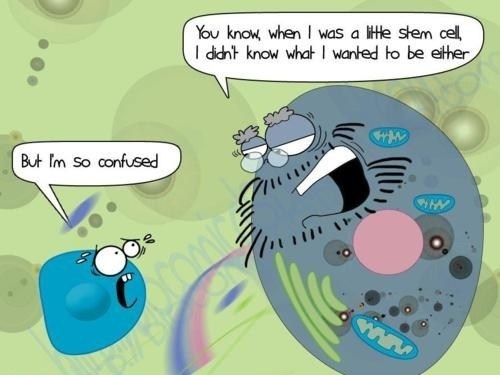
Stem cells feel the force

funny stem cell comic

All cells share the same genetic code, no matter if they are skin or brain cells. However, these cells are exposed to very different types of mechanical environments and mechanical stresses. For example, brain tissue is very soft, whereas bone is hard. Researchers know that cells respond to extrinsic forces by changing their structure and their gene expression to be better suited for their particular environments and to be able to execute their specific functions.

Read the rest of this page »

New supplement may switch off cravings for high-calorie foods

sweets

Eating a type of powdered food supplement, based on a molecule produced by bacteria in the gut, reduces cravings for high-calorie foods such as chocolate, cake and pizza, a new study suggests. Scientists asked 20 volunteers to consume a milkshake that either contained an ingredient called inulin-propionate ester, or a type of fibre called inulin.

Read the rest of this page »

Erasing unpleasant memories with a genetic switch

erasing memories

Researchers have managed to erase unpleasant memories in mice using a ‘genetic switch’.  Dementia, accidents, or traumatic events can make us lose the memories formed before the injury or the onset of the disease. Researchers have now shown that some memories can also be erased when one particular gene is switched off.

Read the rest of this page »

Unlocking the secrets of nerve regeneration

nerve regenreation

Nerves in the central nervous system of adult mammals do not usually regenerate when injured. The granule cell, a nerve cell located in the cerebellum, is different. When its fibres, called parallel fibres, are cut, rapid regeneration ensues and junctions with other neurons called “synapses” are rebuilt. The precise mechanism for this was unclear.

Read the rest of this page »