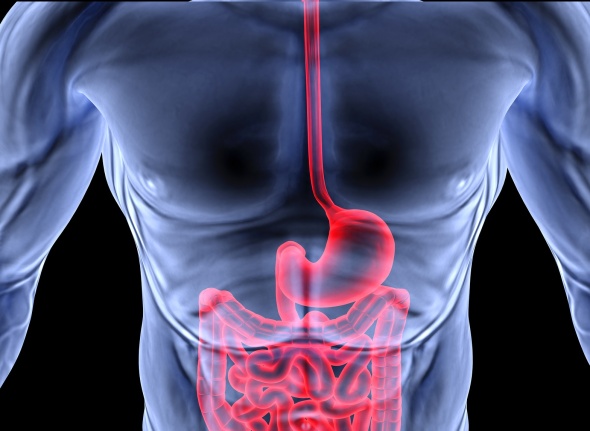
More bad news on the obesity front and strangely enough, on the popular diet front too — at least for diets like atkins. New research shows that even short term high-fat diets can change your metabolism. So while you might think that you can get away with eating fatty foods for a few days without it making any significant changes to your body, think again.
Latest
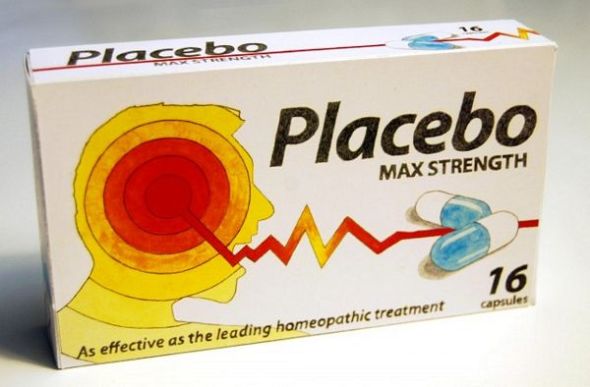
The placebome: Where genetics and the placebo effect meet
Placebos have helped to ease symptoms of illness for centuries and have been a fundamental component of clinical research to test new drug therapies for more than 70 years. But why some people respond to placebos and others do not remains under debate.
With the advent of genomics, researchers are learning that placebo responses are modified by a person’s genetics, a discovery that raises important new questions regarding the role of the placebo in patient care and in drug development: How many genetic biomarkers exist? Can the medical field harness the placebo response to enhance personalized medical treatment? What might be the impact of placebo-drug interactions? And what will this new information mean for randomized clinical trials, which depend on placebo controls to test the efficacy of new drug candidates? Should a “no-treatment” control be added to future trials?
Neuronal disorders and energy metabolism

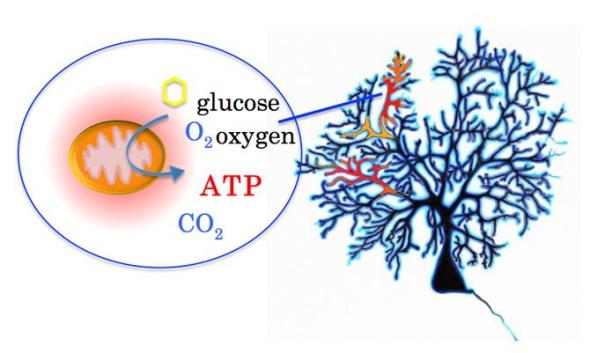
- Mitochondria are responsible for creating more than 90 percent of the energy needed by the body to sustain life and support growth. ATP energy is produced when the mitochondria transfers glucose and oxygen into water and carbon dioxide. How ATP is produced and delivered to intricate neuronal dendrites has been a mystery.
Image credit goes to: Mineko Kengaku, Kyoto University’s Institute for Integrated Cell-Material Sciences (iCeMS)
Scientists in Japan have have discovered how nerve cells adjust to low energy environments during the brain’s growth process. Their study may one day help find treatments for nerve cell damage and neurodegenerative disorders such as Alzheimer’s and Parkinson’s diseases.
A glass fiber that brings light to a standstill

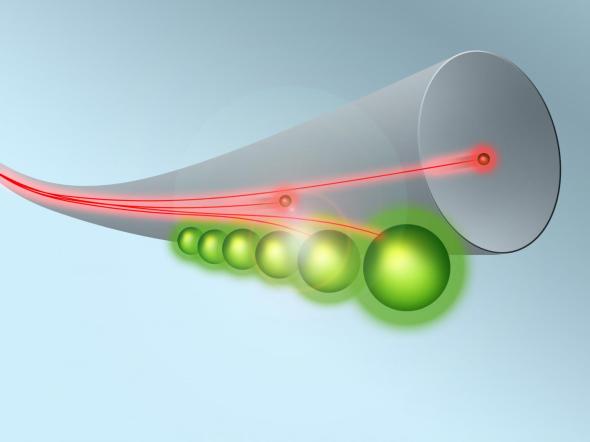
Atoms coupled to a glass fiber: A system that can slow down light dramatically.
Image credit goes to: TU Wien
Light is an extremely useful tool for quantum communication, but it has one major disadvantage: it usually travels at the speed of light and cannot be kept in place. A team of scientists at the Vienna University of Technology has now demonstrated that this problem can be solved – not only in strange, unusual quantum systems, but in the glass fiber networks we are already using today.
The universe is expanding, but how fast?

That same galaxy in a NASA Swift image is shown, with bars indicating the location of supernova SN 2011fe. The Swift image is a false-color image with UV emission blue and optical emission red.
Image credit goes to: NASA/Swift
We are expanding, well more accurately the universe is expanding. However researchers have found certain types of supernovae, or exploding stars, are more diverse than previously thought. The results have implications for big cosmological questions, such as how fast the universe has been expanding since the Big Bang. Most importantly, the findings hint at the possibility that the acceleration of the expansion of the universe might not be quite as fast as textbooks say.
Enzyme in cosmetic products can cause allergy
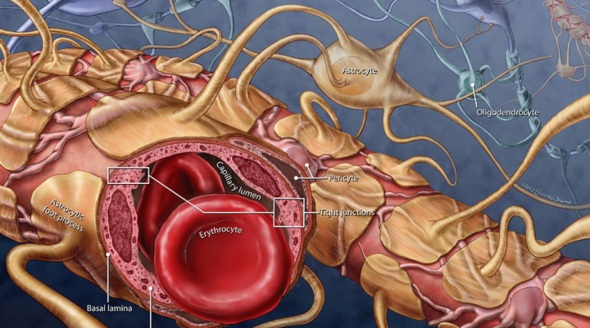
Papain is found naturally in papaya and is often referred to as a “plant-based pepsin” in reference to the digestive enzyme pepsin that is present in the stomach. Researchers looked at the effect of papain directly on the skin of mice as well as on skin cells in the petri dish. Skin consists of several layers joined via cellular connections called “tight junctions”. The project team showed that papain induces a breakdown of these cell-cell junctions. On the skin, papain results in a loss of the barrier function.
First human HIV-antibody trials, results are promising
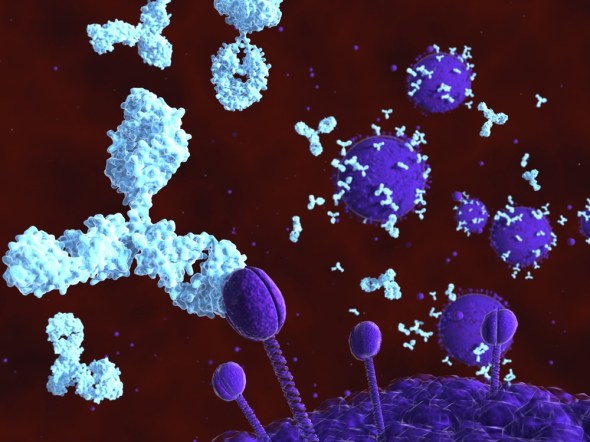
While there is no cure for HIV, a select few known as HIV controllers can literally live with it. Over the years work has been done trying to figure out what makes these individuals so special and it has helped researchers in the fight against HIV. While we are still searching for a vaccine, researchers have now found that a single infusion of an experimental anti-HIV antibody called 3BNC117 resulted in significantly decreased HIV levels that persisted for as long as 28 days in HIV-infected individuals, according to Phase 1 clinical trial findings.
It’s all hype: Few commercial weight-loss programs are effective
In a bid to help physicians guide obese and overweight patients who want to try a commercial weight-loss program, a team of Johns Hopkins researchers reviewed 4,200 studies for solid evidence of their effectiveness but concluded only a few dozen of the studies met the scientific gold standard of reliability.
Researchers find protein that triggers lupus-associated immune system activation
Researchers have identified an inflammatory molecule that appears to play an essential role in the autoimmune disorder systemic lupus erythematosus, commonly known simply as lupus. In their report the team describes finding that a protein that regulates certain cells in the innate immune system – the body’s first line of defense against infection – activates a molecular pathway known to be associated with lupus and that the protein’s activity is required for the development of lupus symptoms in a mouse model of the disease.

Smoking, bad for you, good for MRSA
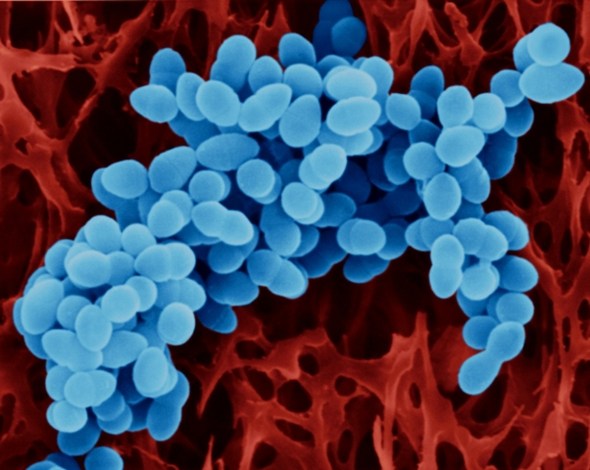
Methicillin-resistant Staphylococcus aureus (MRSA), an antibiotic-resistant superbug, can cause life-threatening skin, bloodstream and surgical site infections or pneumonia. It has been a tough battle finding ways to fight it and research now shows, cigarette smoke may make matters worse. The study shows that MRSA bacteria exposed to cigarette smoke become even more resistant to killing by the immune system.
Beta secretase inhibitors offer treatment for Alzheimer’s disease

With each new amyloid-targeting treatment for Alzheimer’s disease that has been developed, there has been a corresponding concern. For example, antibodies targeting amyloid-β peptide (Aβ) produce inflammation in the brain in some patients. Gamma secretase inhibitors tend to produce adverse effects by interacting with Notch, an important pathway for cellular signaling. However, a new target for alzheimer’s is offering some new hope.


Underage drinking has lasting effects on the brain and epigenetics
The rise of underage drinking has almost left a sense that it is acceptable or even free of long-term consequences. Unfortunately because the brain continues forming long into the early twenties, environmental factors can have a large impact on the development. In fact, research shows that binge-drinking during adolescence may perturb brain development at a critical time and leave lasting effects on genes and behavior that persist into adulthood.
Sleep may be critical to avoid miscarriage
If you are trying to have a baby, a good night’s sleep is more important than ever. A recently published research report shows that the womb has its own “body clock” that needs to synchronize with the mother’s body clock to ensure optimal conditions for fetal growth and development. The inability of a mother’s body clock to synchronize with the womb’s clock may be at least part of the reason why some women have difficulty carrying a pregnancy to full term.
An apple a day may keep the children away: Pesticides and sperm count
Ever hear that old saying an apple a day keeps the Doctor away? Well it might have the right idea, just the wrong person. New research investigating the relationship between eating fruit and vegetables containing pesticide residues and the quality of men’s semen has shown a link with lower sperm counts and percentages of normally-formed sperm. So for people wanting children it may be time to rethink that produce.
Ovulation changes women’s desire for variety in products
We know that hormones affect who we are, even when we aren’t aware of it. In the past scientists have found that people who are hungry tend to buy more things, no surprise for those of us who have shopped hungry. However, new research shows that women seek a greater variety of products and services, specifically when they are ovulating.
Welcome to the wikipedia for neurons
While the brain might not have more connections than stars in the universe (sorry guys), it is still complex. In fact, someone I respect defined a neuroscientist as “someone who knows how little we know about the brain.” Despite the decades worth of data that has been collected about the billions of neurons in the brain, we still don’t know much. So to help scientists make sense of the vast amount of information we already collected, researchers used data mining to create neuroelectro.org, a publicly available website that acts like Wikipedia, indexing physiological information about neurons.
UK Researchers find parental perception of child’s weight is skewed
Childhood obesity affects more than double the amount of children it did 30 years ago, according to the Centers for Disease Control and Prevention(CDC). To figure out why the rate is increasing researchers studied the relationship between parents and their obese children to determine how to improve pediatric health. The study actually reveals how poorly parents rate their own child’s weight issues — at least until they reach extreme levels of obesity.
Biofuel, good for the environment if you’re eating less
When the government first changed policy to require ethanol in gasoline, we were told it would reduce our carbon footprint. Then food prices rose significantly and corn in particular saw the largest price rise. This was because corn is a staple in production of almost any other food from eggs to beef, but the policy made environmental sense. Well it made sense, until you found out that the new policy also took into account people eating less.
Too much attention can be a deficit
Sometimes being too focused on a task is not a good thing. During tasks that require our attention, we might become so engrossed in what we are doing that we fail to notice there is a better way to get the job done. For example, let’s say you are coming out of a New York City subway one late afternoon and you want to find out which way is west. You might begin to scan street signs and then suddenly realize that you could just look for the setting sun.
Researchers find how body’s good fat talks to the brain
There are two types of fat we humans have — white and brown — unfortunately only one of them is “good fat” and it is unfortunately not the one we tend to produce. Well new research shows that brown fat tissue, the body’s “good fat,” communicates with the brain through sensory nerves, possibly sharing information that is important for fighting human obesity, such as how much fat we have and how much fat we’ve lost.
Research on medical abortion/miscarriage may change international routines
Two scientific studies are expected to form the basis of new international recommendations for the treatment of medical abortions and miscarriages. One of the studies shows that it is possible to replace the clinical follow-up examinations recommended today with medical abortions that include a home pregnancy test. The other study shows that midwives can safely and effectively treat failed abortions and miscarriages in rural districts of Uganda.
Music played by professionals activates genes for learning and memory
Music performance is known to induce structural and functional changes to the human brain and enhance cognition. However, the molecular mechanisms underlying music performance have been so far unexplored. A Finnish research group has now investigated the effect of music performance (in a 2 hr concert) on the gene expression profiles of professional musicians from Tapiola Sinfonietta (a professional orchestra) and Sibelius-Academy (a music university).
Stereotype lowers math performance in women, no one noticed
Stereotypes about people can affect how we look at a person, but sometimes it causes other problems. Gender stereotypes about women’s ability in mathematics negatively impact their performance. And in a significant twist, both men and women wrongly believe those stereotypes will not undermine women’s math performance — but instead motivate them to perform better.
High-fat diet causes brain inflammation and alters behavior
We hear in the media all the time, obesity is effecting our health. In most cases when we talk obesity we are talking about heart disease, sedentary activity, or chronic overeating. But what if a high-fat diet — regardless of obesity — has more than just an affect on your waistline? What if the consumption of fatty foods can change your behavior and your brain?
Immunotherapy, a promising new treatment of Alzheimer’s disease
Alzheimer’s disease, it slowly takes things away from the person without giving anything back. Right now there is no cure and at best we can slow the progression in some cases. Time is always a factor and no two cases are the same. However, new treatments are in the works and a new study has revealed that a single dose of an immunotherapy reverses memory problems in an animal model of Alzheimer’s disease.
FDA struggles to define what “natural” means for food labels
After decades of debate there remains no generally accepted definition of a “natural” food product. Despite a gamut of products with the label prominently displayed, it has caused a headache in lawsuits for the government who have yet to define “natural”. According to new research, while regulatory agencies have refused to settle the issue, they may be under new pressure from those consumer lawsuits.
Milk, not just for your bones, for your brain
Milk, depending on who you ask it’s either great or the devil. In the US drinking milk is common; not so much in other parts of the world. This has lead to questions about why we even drink milk and how real its reported health claims actually are. Well new research has found a correlation between milk consumption and the levels of a naturally-occurring antioxidant called glutathione in the brain in older, healthy adults.
The neurological basis for anorexia nervosa
Most of us know about dieting, and if not first hand, have seen in the news or from friends how hard sticking to a diet long-term can be. This is because adults (regardless of their weight_ resolve to lose weight. Yet, more often than not, that chocolate lava cake is too enticing and that resolve vanishes. This behavior is normal because hunger increases the intensity of food rewards. Yet, individuals with anorexia nervosa (AN), despite their state of starvation, are able to ignore such food-related rewards.
Special microbes make anti-obesity molecule in the gut
You’ve probably heard of all sorts of diets, paleo, low-fat, low-carb, atkins, but now microbes may just be the next diet craze. Researchers have programmed bacteria to generate a molecule that, through normal metabolism, becomes a hunger-suppressing lipid (fat). Mice that drank water laced with the programmed bacteria ate less, had lower body fat and staved off diabetes — even when fed a high-fat diet — offering a potential weight-loss strategy for humans.
Squid prolifically edit RNA to enrich their DNA
DNA, it’s what makes us, well us! Not that long ago, before we sequenced human DNA we assumed we had one of the largest genomes around. Frankly it wasn’t a bad assumption, but of course we found out this was far from the case and to make ourselves feel better we said size doesn’t matter. But one of the surprising discoveries to emerge from comparative genomics is that drastically different organisms–humans, sea urchins, worms, flies –are endowed with a more or less common set of genes. So given a similar DNA blueprint, how do species develop such vast differences in physical shape, size, and complexity?
The impact of military deployment on children
Being a military family is hard, it’s hard for the person serving (obviously) and if divorce rates are any indication, it is also hard on the spouse. While the added stress of deployment on a family cannot adequately be explained, even as someone who has seen it first hand, those stresses affect even the littlest members of the family. A new study reports that following military parents’ return from combat deployment, their children show increased visits for mental healthcare, physical injury, and child maltreatment consults, compared to children whose parents have not been deployed.
Not “just in your head,” brain networks differ among those with severe schizophrenia
The brain is plastic, it’s how we grow, it’s how we adapt, it is quite literally how we survive. This can unfortunately be to our detriment and new research shows that people with a severe form of schizophrenia have major differences in their brain networks compared to others with schizophrenia, bipolar disorder and healthy individuals. So while it may be true, that it is all be in your head, it isn’t how people usually mean it.
Does watching porn affect your performance in bed?
Pornography, it’s why google and other search engines have safesearch. It’s all around us and if sales are any indication, it is not going away. There have been lots of claims regarding it, but does a predilection for porn mean bad news in bed? That’s the conclusion of many clinicians and the upshot of anecdotal reports claiming a man’s habit of viewing sex films can lead to problems getting or sustaining an erection, but what does science say?
Folic acid supplementation cuts stroke risk in adults with high blood pressure
When we think hypertension (high blood pressure) you might not think stroke risk. However, high blood pressure can damage arteries, which often leads to an increased risk for a stroke. But if you suffer from hypertension, you might not need an expensive drug to lower your risk. A new study that included more than 20,000 adults in China with high blood pressure but without a history of stroke or heart attack, the combined use of the hypertension medication enalapril and folic acid, compared with enalapril alone, significantly reduced the risk of first stroke.
Antibody therapy offers possible cure for psoriasis
Sure it’s not sexy, you probably won’t be asked for donations towards a cure, or to run/walk/dive for awareness, and it probably won’t kill you. Psoriasis is an autoimmune disease, but chances are you are not familiar with it. It causes red, scale-like patches, sometimes covering a majority of the body. It’s itchy, painful, and embarrassing (to put it nicely). I know first hand as I suffer from it albeit mildly. I say mildly since I am lucky the patches are fairly small, but not so lucky for me they pop up on my face, often. However, new research is offering hope for anyone suffering from psoriasis and possibly a cure.
How gene expression is kept in check and the implications for cancer
Cancers are alive in a sense, they are similar to a parasite and they fight to stay alive when we just want them gone. Cancers have access to complex ways of avoiding elimination and because we cannot easily do anything to treat it short of surgery or chemotherapy, we regularly lose to some of the more cunning types. Now researchers have learned how living beings can keep gene expression in check — this might partly explain the uncontrolled gene expression found in many forms of cancer.
Classical Music modulates genes responsible for brain functions
Although listening to music is common in all societies, the biological determinants of listening to music are largely unknown. According to a latest study, listening to classical music enhanced the activity of genes involved in dopamine secretion and transport, synaptic neurotransmission, learning and memory, and down-regulated the genes mediating neurodegeneration. Several of the up-regulated genes were known to be responsible for song learning and singing in songbirds, suggesting a common evolutionary background of sound perception across species.
Depressed parents cause anxiety and bad behavior in toddlers

Credit for this all too true look at parenting goes to the one and only The Oatmeal, you can find more minor differences here.
Being a new parent can be stressful, new mothers can suffer from postpartum depression and even new fathers can find the changes stressful enough to cause depression. Unfortunately– and if that wasn’t bad enough– a new study shows that a father’s depression during the first years of parenting – as well as a mother’s – can put their toddler at risk of developing troubling behaviors such as hitting, lying, anxiety and sadness during a critical time of development.
Study shows modest reductions in ER visits from the ACA implementation
It’s future might still be in the air to those of us not on the supreme court, but two patient groups created by the Affordable Care Act (or ACA, also known as “Obama care”) – Medicare patients enrolled in federally designated patient-centered medical homes and people under age 26 who are allowed to remain on their parents’ health insurance – had slightly fewer emergency department visits than they had before health care reform. However, there was no change in the rate of the most expensive types of emergency visits: those that lead to hospitalization.
The cerebral cortex: we can rebuild it, we have the technology
While the first actual bionic man (or woman) might still be a ways off, the writers of the show might be impressed at this. A international team of researchers, have just taken an important step in the area of cell therapy: repairing the cerebral cortex of the adult mouse using a graft of cortical neurons derived from embryonic stem cells.
Part of the diabetes puzzle solved… with breast milk
There is a long-standing puzzle in the diabetes field, only a small subset of insulin-producing beta cells in the pancreas of adult organisms can replicate (and hence contribute to beta cell regeneration in diabetes). Furthermore, this subset of replicating cells continues to decline with advancing age. This means that the typical risk for diabetes gets higher as you age, well now researchers have discovered an important piece of the puzzle.
New understanding of genetics behind the autism spectrum
Autism is a spectrum, because it isn’t a clear-cut diagnosis — and because the brain is so complex — it has been hard to figure out what causes autism. This uncertainty has led rise to the anti-vaccination movement along with other groups who are at best misinformed and at worst trying to make a quick dollar. However, a new study reveals an important connection between dozens of genes that may contribute to autism, a major step toward understanding how brain development goes awry in some individuals with the disorder.
Alzheimer’s, the autoimmune disease?
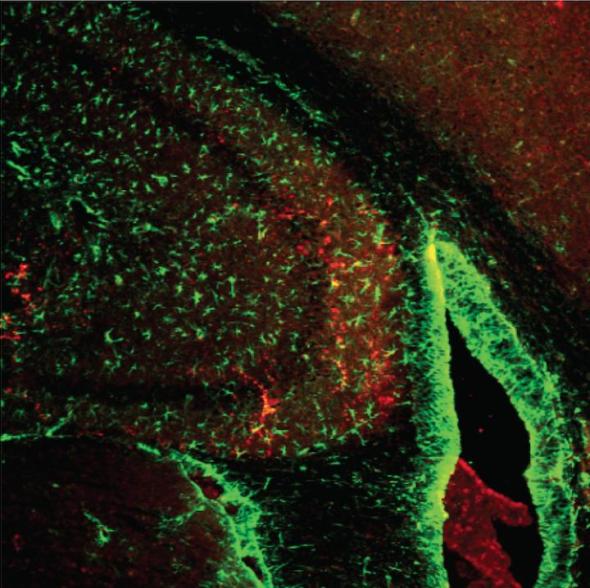
Brain levels of the lipid ceramide are high in Alzheimer’s disease, and now scientists have found increased levels of an antibody to the lipid in their disease model. While some members of this lipid family are a plus in skin cream, inside the brain, ceramide appears to increase beta amyloid production and help the iconic plaque kill brain cells in Alzheimer’s.
Trust issues? It may be your brain structure
Ever feel too trusting, or maybe not trusting at all? Well a recent study shows differences in brain structure according to how trusting people are of others. Teasing out the intricacies of the brain hasn’t been an easy job; if it were we probably wouldn’t be intelligent enough to figure it out. Because of this complexity, we also have higher risk of psychological conditions. Interestingly enough, this research may have implications for future treatments of those conditions, conditions such as autism or other attachment disorders.