
Breaking the anxiety cycle

A woman who won’t drive long distances because she has panic attacks in the car. A man who has contamination fears so intense he cannot bring himself to use public bathrooms. A woman who can’t go to church because she fears enclosed spaces. All of these people have two things in common: they have an anxiety disorder. They’re also parents.
Scientists discover new system for human genome editing
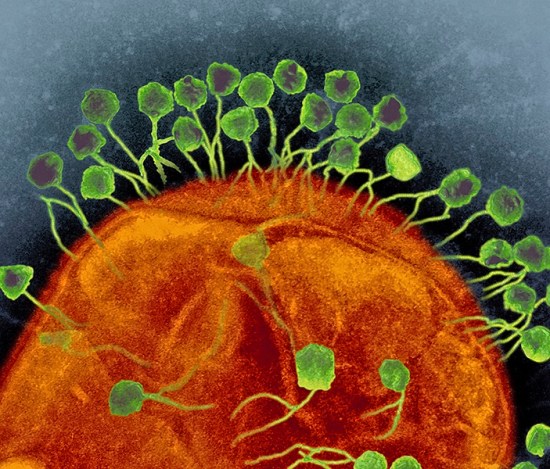
CRISPR systems help bacteria defend against viral attack (shown here).
These systems have been adapted for use as genome editing tools in
human cells.
Image credit goes to: Ami Images/Science Photo Library.
A team including the scientist who first harnessed the revolutionary CRISPR-Cas9 system for mammalian genome editing has now identified a different CRISPR system with the potential for even simpler and more precise genome engineering. In the study researchers describe the unexpected biological features of this new system and demonstrate that it can be engineered to edit the genomes of human cells.
It’s alive!! Study adds to evidence that viruses are alive
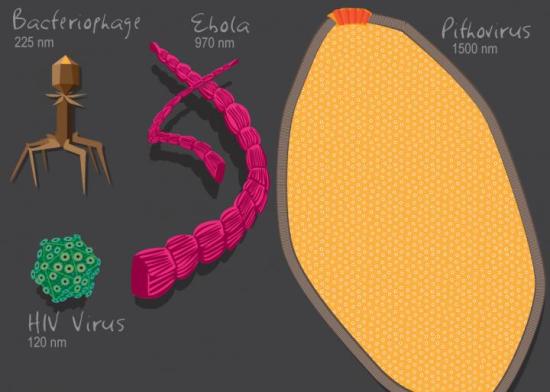
The diverse physical attributes, genome sizes and lifestyles of viruses make them difficult to classify. A new study uses protein folds as evidence that viruses are living entities that belong on their own branch of the tree of life.
Image credit goes to: Julie McMahon
Classifying something as living isn’t as easy as it sounds, after all we are all atoms, so when do atoms go from nonliving to living? Despite the complexities of viruses, we have historically deemed them nonliving. However, a new analysis supports the hypothesis that viruses are living entities that share a long evolutionary history with cells. The study offers the first reliable method for tracing viral evolution back to a time when neither viruses nor cells existed in the forms recognized today.
Mexico City’s air pollution has detrimental impact on Alzheimer’s disease gene

A new study by researchers heightens concerns over the detrimental impact of air pollution on hippocampal metabolites as early markers of neurodegeneration in young urbanites carrying an allele 4 of the apolipoprotein E gene (APOE). This is associated with the risk for Alzheimer disease (AD) and a susceptibility marker for poor outcome in traumatic brain injury (TBI) recovery.
What motivates ‘Facebook stalking’ after a romantic breakup?

Social networking makes it easy to monitor the status and activities of a former romantic partner, an often unhealthy use of social media known as interpersonal electronic surveillance (IES) or, more commonly, “Facebook stalking.” Psychological and relationship factors and how individuals cope with the termination of a romantic relationship can help predict their use of online surveillance, according to a new study.
Genetic analysis supports prediction that spontaneous rare mutations cause half of autism
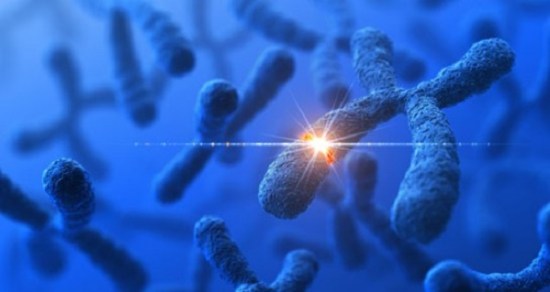
A team led by researchers at Cold Spring Harbor Laboratory (CSHL) has published a new analysis of data on the genetics of autism spectrum disorder (ASD). One commonly held theory is that autism results from the chance combinations of commonly occurring gene mutations, which are otherwise harmless. But the authors’ work provides support for a different theory.
A barrier against brain stem cell aging
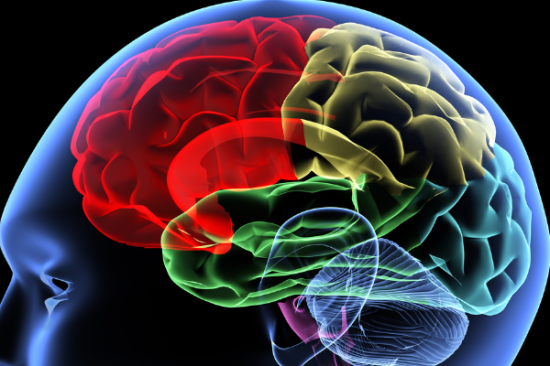
Neural stem cells generate new neurons throughout life in the mammalian brain. However, with advancing age the potential for regeneration in the brain dramatically declines. Scientists now identified a novel mechanism of how neural stem cells stay relatively free of aging-induced damage. A diffusion barrier regulates the sorting of damaged proteins during cell division.
Types of athletic training affect how brain communicates with muscles

Using endurance training or strength and resistance training not only prepares an athlete for different types of sports, they can also change the way the brain and muscles communicate with each other.
Vaccine clears some precancerous cervical lesions in clinical trial

Scientists have used a genetically engineered vaccine to successfully eradicate high-grade precancerous cervical lesions in nearly one-half of women who received the vaccine in a clinical trial. The goal, say the scientists, was to find nonsurgical ways to treat precancerous lesions caused by HPV.
Immune system may be pathway between nature and good health

Research has found evidence that spending time in nature provides protections against a startling range of diseases, including depression, diabetes, obesity, ADHD, cardiovascular disease, cancer, and many more. How this exposure to green space leads to better health has remained a mystery. After reviewing hundreds of studies examining nature’s effects on health, researchers believe the answer lies in nature’s ability to enhance the functioning of the body’s immune system.
Viruses flourish in guts of healthy babies

Bacteria aren’t the only nonhuman invaders to colonize the gut shortly after a baby’s birth. Viruses also set up house there, according to new research at Washington University School of Medicine in St. Louis. All together, these invisible residents are thought to play important roles in human health.
Diet beverage drinkers compensate by eating unhealthy food
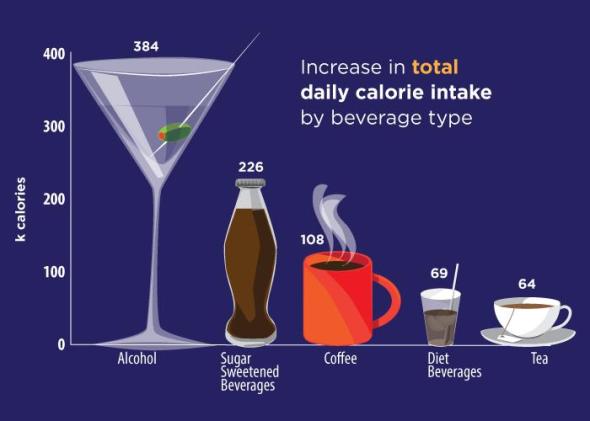
Alcoholic drinks and sugar-sweetened beverages are associated with higher overall daily intakes, although people who drink diet beverages consume a greater percentage of non-nutritious food.
Image credit goes to: Julie McMahon
Want fries with that diet soda? You aren’t alone, and you may not be “saving” as many calories as you think by consuming diet drinks. A new study that examined the dietary habits of more than 22,000 U.S. adults found that diet-beverage consumers may compensate for the absence of calories in their drinks by noshing on extra food that is loaded with sugar, sodium, fat and cholesterol.
Smart cells teach neurons damaged by Parkinson’s to heal themselves
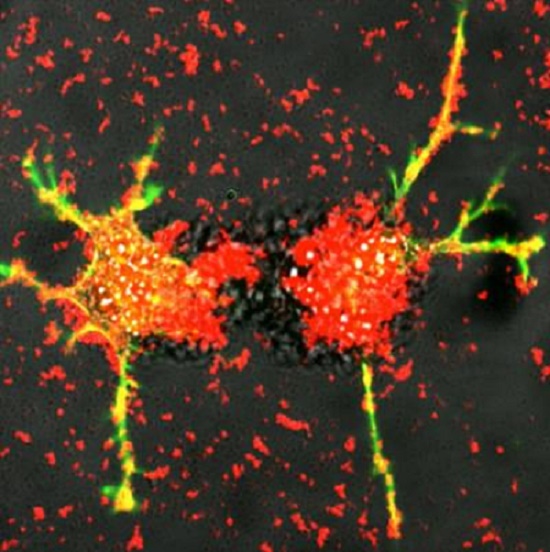
These are white blood cells reengineered by scientists at UNC-Chapel Hill deliver exosomes (red) loaded proteins that stimulate the growth of damaged nerve fibers (green and yellow). Researchers at the UNC Eshelman School of Pharmacy this technique can be developing into a potential treatment for Parkinson’s disease.
Image credit goes to: Elena Batrakova/UNC Eshelman School Of Pharmacy
As a potential treatment for Parkinson’s disease, scientists at the University of North Carolina at Chapel Hill have created smarter immune cells that produce and deliver a healing protein to the brain while also teaching neurons to begin making the protein for themselves.
An antibody that can attack HIV in new ways
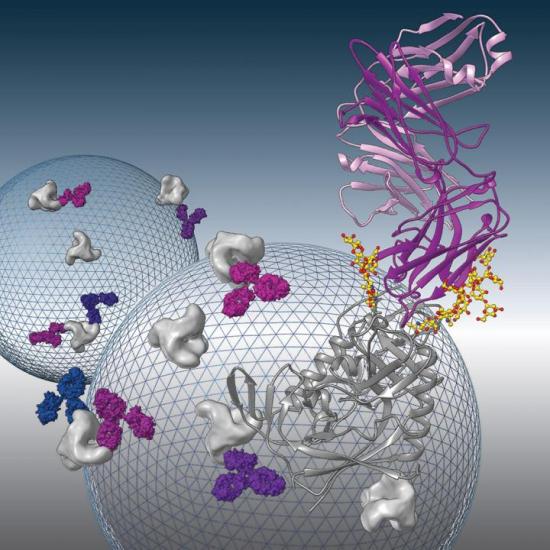
Broadly neutralizing antibodies to HIV-1 envelope glycoprotein are being evaluated as therapeutics to prevent or treat HIV-1 infection. Structural analysis of one such antibody, 8ANC195, revealed a new conformation of the envelope protein. The image shows the X-ray crystal structure of 8ANC195 in complex with the gp120 subunit of the envelope protein. The background shows schematic representations of HIV-1 virus particles studded with envelope proteins being recognized by 8ANC195 antibodies.
Image credit goes to: Louise Scharf/Caltech
Proteins called broadly neutralizing antibodies (bNAbs) are a promising key to the prevention of infection by HIV, the virus that causes AIDS. bNAbs have been found in blood samples from some HIV patients whose immune systems can naturally control the infection. These antibodies may protect a patient’s healthy cells by recognizing a protein called the envelope spike, present on the surface of all HIV strains and inhibiting, or neutralizing, the effects of the virus. Now Caltech researchers have discovered that one particular bNAb may be able to recognize this signature protein, even as it takes on different conformations during infection–making it easier to detect and neutralize the viruses in an infected patient.
Cells from human umbilical cord blood improve cognition in Alzheimer’s disease model mice
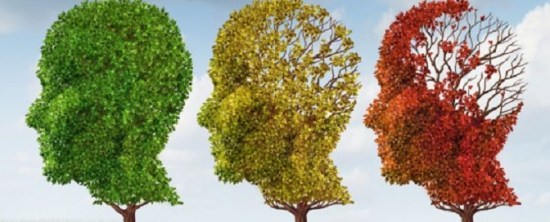
Alzheimer’s disease (AD), which affects an estimated 26 million people worldwide, is the fourth leading cause of death among the elderly and the leading cause of dementia. Predictions are that the number of AD cases will quadruple by 2050. Although pharmacological methods for treating AD have been discovered, none significantly delay the progression of the disease.
Tree of life study unveils inner workings of a cell
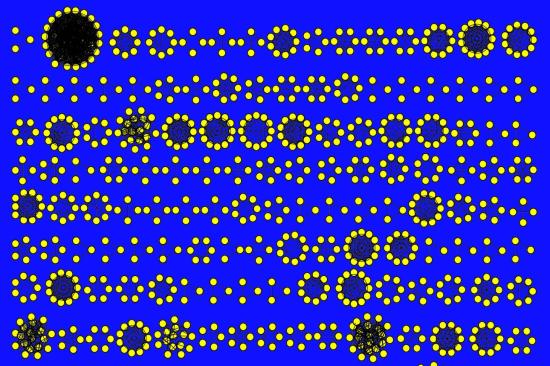
Scientists have uncovered tens of thousands of new protein interactions, accounting for about a quarter of all estimated protein contacts in a cell.
Image credit goes to: Jovana Drinkjakovic
A multinational team of scientists have sifted through cells of vastly different organisms, from amoebae to worms to mice to humans, to reveal how proteins fit together to build different cells and bodies. This tour de force of protein science, a result of a collaboration between seven research groups from three countries, led by Professor Andrew Emili from the University of Toronto’s Donnelly Centre, uncovered tens of thousands of new protein interactions, accounting for about a quarter of all estimated protein contacts in a cell.
Guilting teens into exercise won’t increase activity
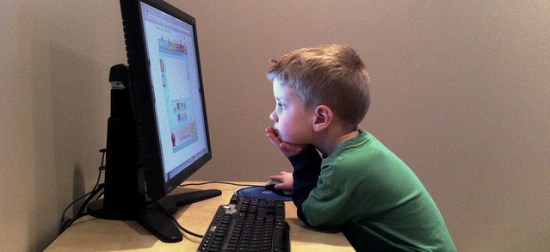
Just like attempts at influencing hairstyles or clothing can backfire, adults who try to guilt middle-schoolers into exercising won’t get them to be any more active. The study found students who don’t feel in control of their exercise choices or who feel pressured by adults to be more active typically aren’t.
Common antidepressant may change brain
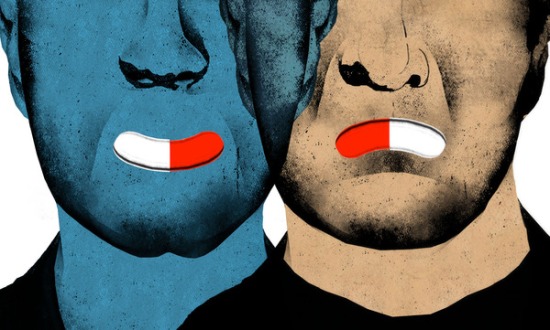
A commonly prescribed antidepressant may alter brain structures in depressed and non-depressed individuals in very different ways, according to new research. The study – conducted in nonhuman primates with brain structures and functions similar to those of humans – found that the antidepressant sertraline, a selective serotonin reuptake inhibitor (SSRI) marketed as Zoloft, significantly increased the volume of one brain region in depressed subjects but decreased the volume of two brain areas in non-depressed subjects.
Do antipsychotic medications affect cortical thinning?
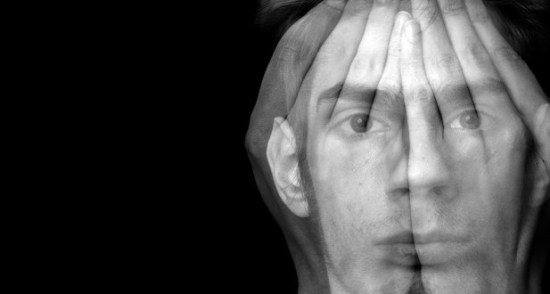
People diagnosed with schizophrenia critically rely upon treatment with antipsychotic medications to manage their symptoms and help them function at home and in the workplace. But despite their benefits, antipsychotic medications might also have some negative effects on brain structure or function when taken for long periods of time.
Feeling blue and seeing blue: Sadness may impair color perception

The world might seem a little grayer than usual when we’re down in the dumps and we often talk about “feeling blue” — new research suggests that the associations we make between emotion and color go beyond mere metaphor. The results of two studies indicate that feeling sadness may actually change how we perceive color. Specifically, researchers found that participants who were induced to feel sad were less accurate in identifying colors on the blue-yellow axis than those who were led to feel amused or emotionally neutral.
Researchers help identify neural basis of multitasking

What makes someone better at switching between different tasks? Looking for the mechanisms behind cognitive flexibility, researchers have used brain scans to shed new light on this question. By studying networks of activity in the brain’s frontal cortex, a region associated with control over thoughts and actions, the researchers have shown that the degree to which these networks reconfigure themselves while switching from task to task predicts people’s cognitive flexibility.
Television viewing linked to higher injury risk in hostile people

People with hostile personality traits who watch more television than their peers may be at a greater risk for injury, potentially because they are more susceptible to the influence of television on violence and risk-taking behaviors, a University of Pittsburgh Graduate School of Public Health analysis discovered.
The alien within: Fetal cells influence maternal health during pregnancy (and long after)

Parents go to great lengths to ensure the health and well-being of their developing offspring. The favor, however, may not always be returned. Dramatic research has shown that during pregnancy, cells of the fetus often migrate through the placenta, taking up residence in many areas of the mother’s body, where their influence may benefit or undermine maternal health.
Confidence in parenting could help break cycle of abuse

To understand how confidence in parenting may predict parenting behaviors in women who were abused as children, psychologists have found that mothers who experienced more types of maltreatment as children are more critical of their ability to parent successfully. Intervention programs for moms at-risk, therefore, should focus on bolstering mothers’ self-confidence–not just teach parenting skills, the researchers said.
Fish oil-diet benefits may be mediated by gut microbes
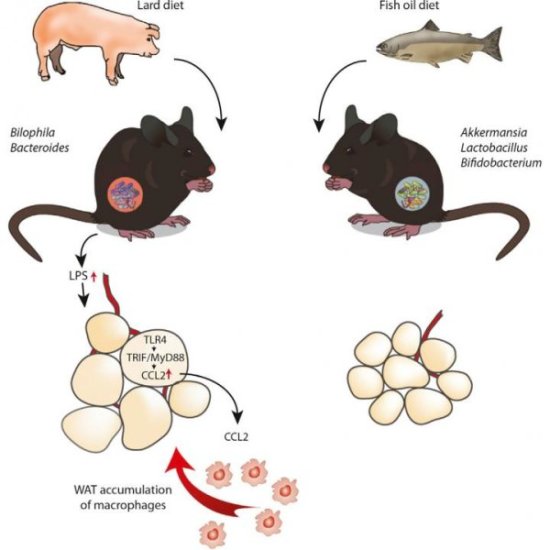
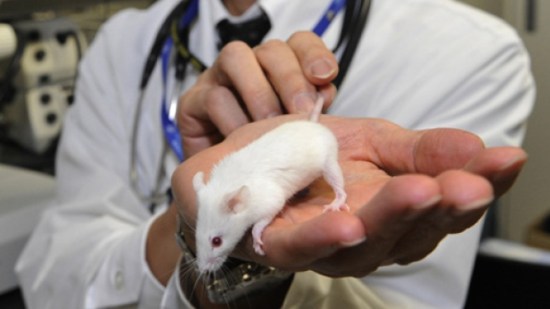
Diets rich in fish oil versus diets rich in lard produce very different bacteria in the guts of mice, reports a study from Sahlgrenska Academy published in Cell Metabolism. The researchers transferred these microbes into other mice to see how they affected health. The results suggest that gut bacteria share some of the responsibility for the beneficial effects of fish oil and the harmful effects of lard. Image credit goes to: University of Gothenburg
Diets rich in fish oil versus diets rich in lard produce very different bacteria in the guts of mice, reports a new study. The researchers transferred these microbes into other mice to see how they affected health. The results suggest that gut bacteria share some of the responsibility for the beneficial effects of fish oil and the harmful effects of lard.
HIV particles do not cause AIDS, our own immune cells do

Researchers have revealed that HIV does not cause AIDS by the virus’s direct effect on the host’s immune cells, but rather through the cells’ lethal influence on one another. HIV can either be spread through free-floating virus that directly infect the host immune cells or an infected cell can pass the virus to an uninfected cell.
Fertilization discovery: Do sperm wield tiny harpoons?

Could the sperm harpoon the egg to facilitate fertilization? That’s the intriguing possibility raised by the University of Virginia School of Medicine’s discovery that a protein within the head of the sperm forms spiky filaments, suggesting that these tiny filaments may lash together the sperm and its target.
Predicting who will murder his wife or his family

Murderers who kill intimate partners and family members have a significantly different psychological and forensic profile from murderers who kill people they don’t know, reports a new Northwestern Medicine study that examined the demographics, psychiatric history and neuropsychology of these individuals.
Genetic overlaps in autoimmune diseases may suggest common therapies
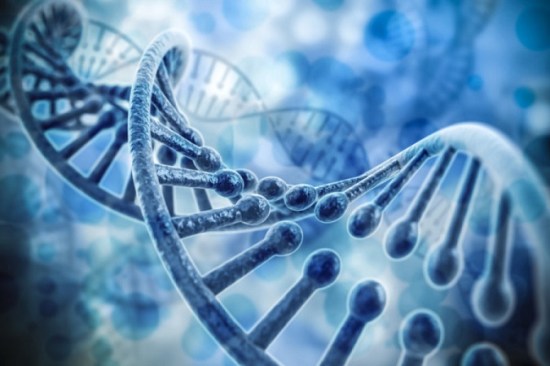
Scientists who analyzed the genes involved in 10 autoimmune diseases that begin in childhood have discovered 22 genome-wide signals shared by two or more diseases. These shared gene sites may reveal potential new targets for treating many of these diseases, in some cases with existing drugs already available for non-autoimmune disorders.
Don’t touch that dial: TV’s subliminal influence on women’s perception of pregnancy and birth
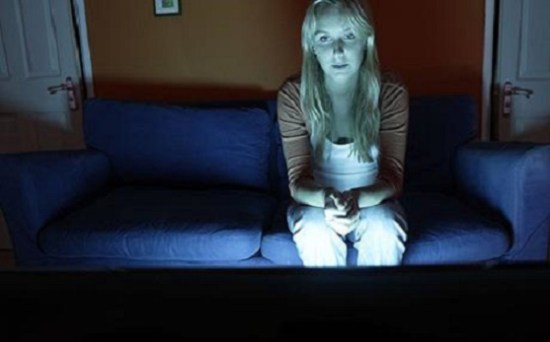
In an era where popular culture is increasingly recognized for its impact on lay understanding of health and medicine, few scholars have looked at television’s powerful role in the creation of patient expectations, especially regarding pregnancy and birth.
Anti-aging tricks from dietary supplement seen in mice
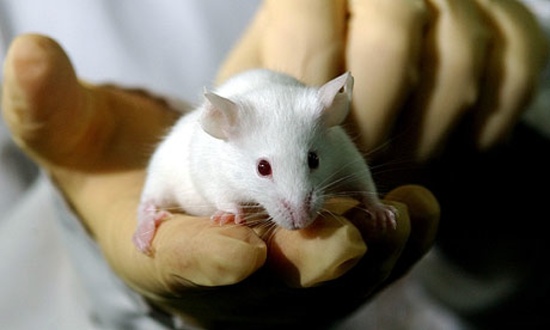
In human cells, shortened telomeres, the protective caps at the ends of chromosomes, are both a sign of aging and contribute to it. Scientists have found that the dietary supplement alpha lipoic acid (ALA) can stimulate telomerase, the enzyme that lengthens telomeres, with positive effects in a mouse model of atherosclerosis.
How long have primates been infected with viruses related to HIV?

Disease-causing viruses engage their hosts in ongoing arms races: positive selection for antiviral genes increases host fitness and survival, and viruses in turn select for mutations that counteract the antiviral host factors. Studying such adaptive mutations can provide insights into the distant history of host-virus interactions. A study of antiviral gene sequences in African monkeys suggests that lentiviruses closely related to HIV have infected primates in Africa as far back as 16 million years.
‘Memory region’ of the brain also involved in conflict resolution
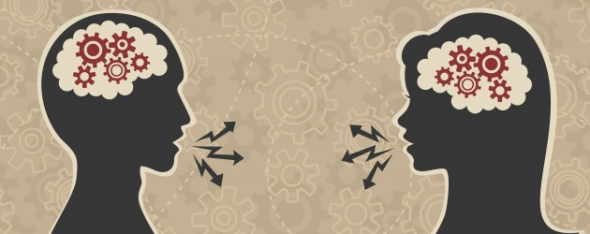
The hippocampus in the brain’s temporal lobe is responsible for more than just long-term memory. Researchers have for the first time demonstrated that it is also involved in quick and successful conflict resolution.
Happiness spreads, but depression isn’t contagious
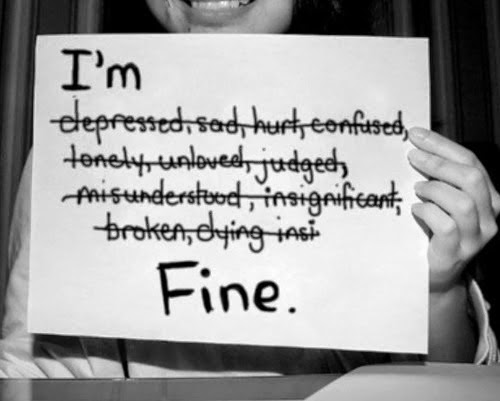
Having friends who suffer from depression doesn’t affect the mental health of others, according to research. The team found that having friends can help teenagers recover from depression or even avoid becoming depressed in the first instance. The findings are the result of a study of the way teenagers in a group of US high schools influenced each others’ mood. The academics used a mathematical model to establish if depression spreads from friend to friend.
Don’t I know that guy? Neuroscientists pinpoint part of the brain that deciphers memory from new experience

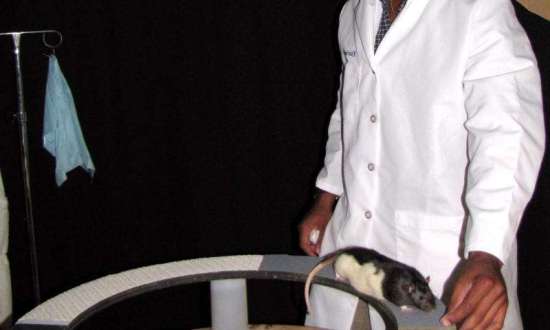
Research assistant Jeremy Johnson feeds a rat on the behavioral track used to determine where the brain decides what is new and what is familiar.
Image credit goes to: Johns Hopkins University
You see a man at the grocery store. Is that the fellow you went to college with or just a guy who looks like him? One tiny spot in the brain has the answer. Neuroscientists have identified the part of the hippocampus that creates and processes this type of memory, furthering our understanding of how the mind works, and what’s going wrong when it doesn’t.
Nicotine changes marijuana’s effect on the brain
How scientists study the effects of marijuana on the brain is changing. Until recently marijuana research largely excluded tobacco users from its participant pool, but scientists have found reason to abandon this practice, uncovering significant differences in the brains of individuals who use both tobacco and marijuana and the brains of those who only use marijuana.
How influential are peer reactions to posts on Facebook news channels?

An experiment to determine the effects of positive and negative user comments to items posted by media organizations on Facebook news channels showed, surprisingly, that the influence of user comments varied depending on the type and number of user comments. Negative comments influenced the persuasiveness of a news article, while positive comments did not, and a high number of likes did not have the expected bandwagon effect.
Study shows poor sleep contributes to MS-related fatigue

New research confirmed that sleep disturbances significantly contribute to MS-related fatigue, a common and often disabling symptom among individuals with MS. Review of the pertinent literature showed that sleep may be the dominant factor in fatigue in MS. This was also the finding in Dr. Strober’s study of 107 employed individuals with MS of whom 61% reported poor sleep.
The stomach is the way to a woman’s heart, too

You’ve heard that romance starts in the kitchen and not in the bedroom. Well, researchers at Drexel University finally have the science to support that saying – but not the way you might think. Researchers found that women’s brains respond more to romantic cues on a full stomach than an empty one. The study explored brain circuitry in hungry versus satiated states among women who were past-dieters and those who had never dieted.
Can your brain control how it loses control?
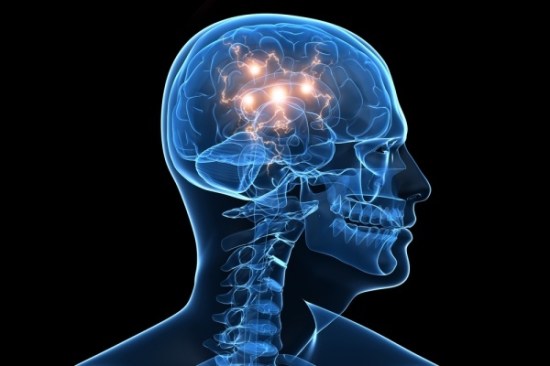
A new study may have unlocked understanding of a mysterious part of the brain — with implications for neurodegenerative conditions such as Alzheimer’s. The results open up new areas of research in the pursuit of neuroprotective therapies.
Scientists discover what controls waking up and going to sleep

Fifteen years ago, an odd mutant fruit fly caught the attention and curiosity of Dr. Ravi Allada, a circadian rhythms expert at Northwestern University, leading the neuroscientist to recently discover how an animal’s biological clock wakes it up in the morning and puts it to sleep at night. The clock’s mechanism, it turns out, is much like a light switch.
Cognitive decision making as the collapse of a quantum superstate

Decision making in an enormous range of tasks involves the accumulation of evidence in support of different hypotheses. One of the enduring models of evidence accumulation is the Markov random walk (MRW) theory, which assigns a probability to each hypothesis. In an MRW model of decision making, when deciding between two hypotheses, the cumulative evidence for and against each hypothesis reaches different levels at different times, moving particle-like from state to state and only occupying a single definite evidence level at any given point.
Research advances potential for test and vaccine for genital and oral herpes
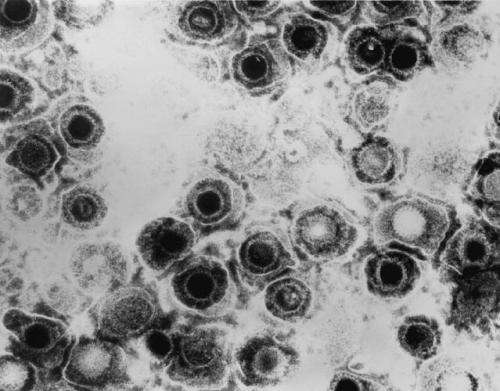
Findings from a pair of new studies could speed up the development of a universally accurate diagnostic test for human herpes simplex viruses (HSV), according to researchers at Johns Hopkins and Harvard universities and the National Institutes of Health (NIH). The work may also lead to the development of a vaccine that protects against the virus.
Researchers resurrect ancient viruses in hopes of improving gene therapy
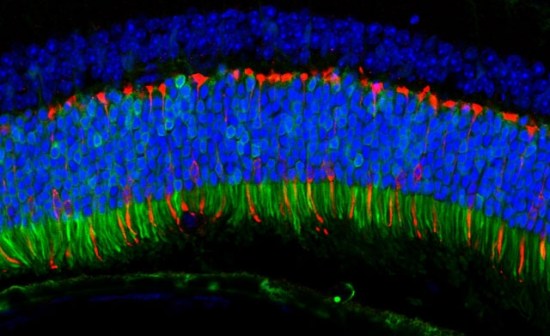
The Anc80 virus delivered genes to the mouse retina that fluoresce green when expressed. Pictured here, the delivered genes are active in the retina’s color-detecting cells.
Image credit goes to: Livia Carvalho
It sounds like the start of a horror movie, but Harvard Stem Cell Institute (HSCI) researchers at Massachusetts Eye and Ear (MEE) have reconstructed an ancient virus that is highly effective at delivering gene therapies to the liver, muscle, and retina. This discovery could potentially be used to design gene therapies that are not only safer and more potent than therapies currently available, but may also help a greater number of patients.
Study of 83,000 veterans finds cardiovascular benefits to testosterone replacement
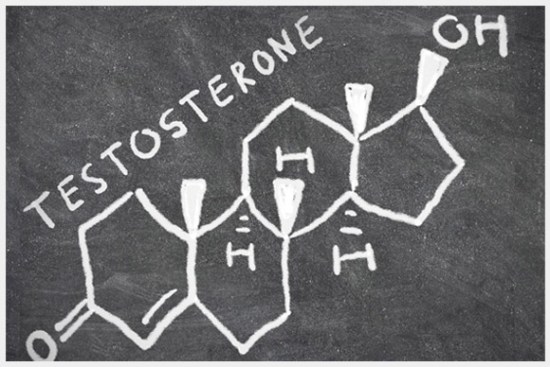
A Veterans Affairs database study of more than 83,000 patients found that men whose low testosterone was restored to normal through gels, patches, or injections had a lower risk of heart attack, stroke, or death from any cause, versus similar men who were not treated. The study also found that men who were treated but did not attain normal levels did not see the same benefits as those whose levels did reach normal.
Music and the mind: Can music help people with epilepsy?

The brains of people with epilepsy appear to react to music differently from the brains of those who do not have the disorder, a finding that could lead to new therapies to prevent seizures, according to research.
Switching mouse neural stem cells to a primate-like behavior
When the right gene is expressed in the right manner in the right population of stem cells, the developing mouse brain can exhibit primate-like features. Researchers at the Max Planck Institute of Molecular Cell Biology and Genetics (MPI-CBG) succeeded in mimicking the sustained expression of the transcription factor Pax6 as seen in the developing human brain, in mouse cortical progenitor cells. This altered the behavior of these cells to one that is akin to that of progenitors in the developing primate neocortex. Consequently, the mouse progenitors generated more neurons – a prerequisite for a bigger brain.
Excessive workout supplement use: An emerging eating disorder in men?

In an effort to build better bodies, more men are turning not to illegal anabolic steroids, but to legal over-the-counter bodybuilding supplements to the point where it may qualify as an emerging eating disorder, according to research presented at the American Psychological Association’s annual convention.
Cellular zombies: Mutant cells that can’t copy DNA keep dividing when they shouldn’t
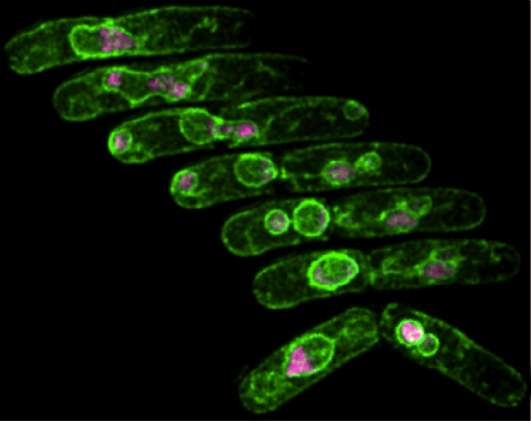
Sequential images of abnormal divisions in a mutant cell leading to abnormal nuclei and chromosome rearrangement. Chromosomes are displayed in pink, cell membranes in green. The cell undergoes two aberrant divisions.
Image credit goes to: Susan Forsburg
Researchers at USC have developed a yeast model to study a gene mutation that disrupts the duplication of DNA, causing massive damage to a cell’s chromosomes, while somehow allowing the cell to continue dividing.
How to tell the difference between bipolar disorder and depression
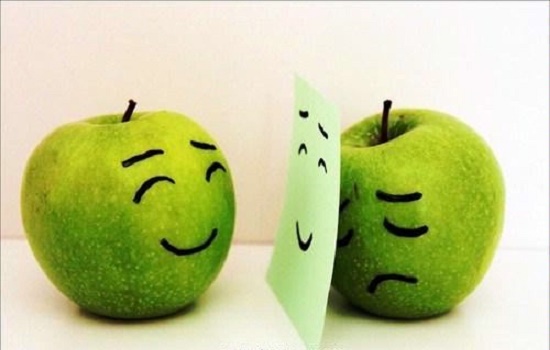
Many patients with bipolar disorder, a debilitating mental condition that can take a person from the sluggishness of severe depression to super-human energy levels, are often misdiagnosed as having major depressive disorder, or MDD. But now as an alternative to reliance on patient interviews, scientists are closing in on an objective test that could help clinicians distinguish between the two — and provide better treatment.


 Lunatic Laboratories