
How to tell the difference between bipolar disorder and depression
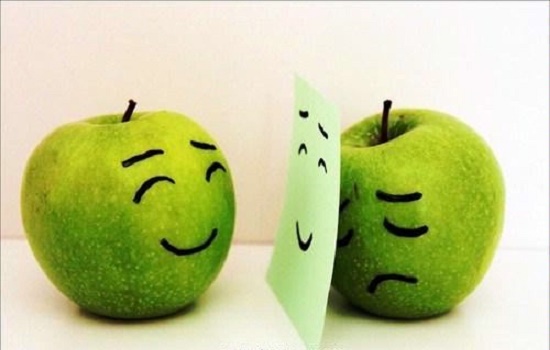
Many patients with bipolar disorder, a debilitating mental condition that can take a person from the sluggishness of severe depression to super-human energy levels, are often misdiagnosed as having major depressive disorder, or MDD. But now as an alternative to reliance on patient interviews, scientists are closing in on an objective test that could help clinicians distinguish between the two — and provide better treatment.
Preventing addiction relapse by erasing drug-associated memories
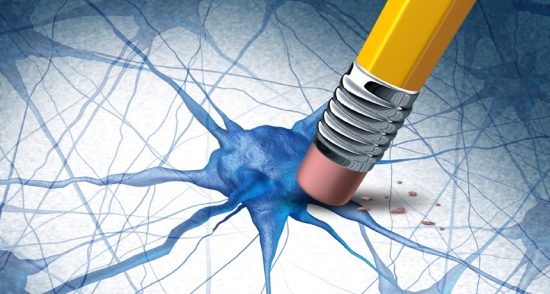
Recovering addicts often grapple with the ghosts of their addiction–memories that tempt them to relapse even after rehabilitation and months, or even years, of drug-free living. Now, scientists from the Florida campus of The Scripps Research Institute (TSRI) have made a discovery that brings them closer to a new therapy based on selectively erasing these dangerous and tenacious drug-associated memories.
Perfectionism linked to burnout at work, school and sports

Concerns about perfectionism can sabotage success at work, school or on the playing field, leading to stress, burnout and potential health problems, according to new research. In the first meta-analysis of the relationship between perfectionism and burnout, researchers analyzed the findings from 43 previous studies conducted over the past 20 years. It turns out perfectionism isn’t all bad.
Sleep not just protects memories against forgetting, it also makes them more accessible

Sleeping not only protects memories from being forgotten, it also makes them easier to access, according to new research from the University of Exeter and the Basque Centre for Cognition, Brain and Language. The findings suggest that after sleep we are more likely to recall facts which we could not remember while still awake.
Cell phone notifications may be driving you to distraction

Whether you are alerted to an incoming phone call or text by a trendy ringtone, an alarm bell or a quiet vibration, just receiving a notification on your cell phone can cause enough of a distraction to impair your ability to focus on a given task. In fact, the distraction caused by a simple notification — whether it is a sound or a vibration — is comparable to the effects seen when users actively use their cell phones to make calls or send text messages, the researchers found.
Brain structure reveals ability to regulate emotions
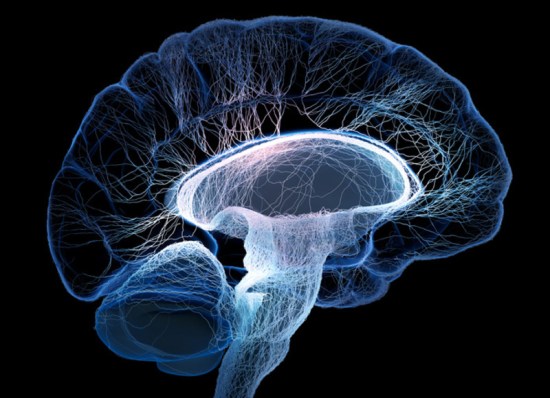
We all vary in how often we become happy, sad or angry, and also in how strongly these emotions are expressed. This variability is a part of our personality and can be seen as a positive aspect that increases diversity in society. However, there are people that find it so difficult to regulate their emotions that it has a serious impact on their work, family and social life. These individuals may be given an emotional instability diagnosis such as borderline personality disorder or antisocial personality disorder.
Women and fragrances: Scents and sensitivity

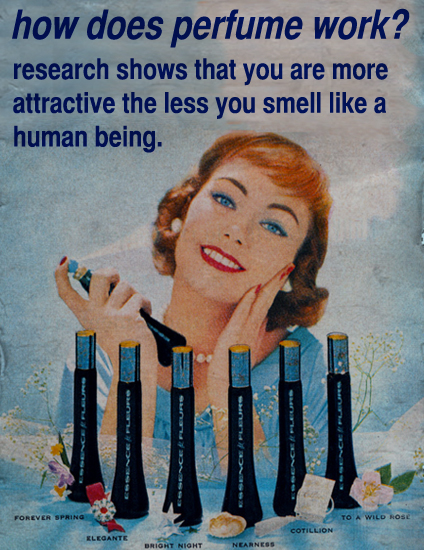
Researchers have sniffed out an unspoken rule among women when it comes to fragrances: Women don’t buy perfume for other women, and they certainly don’t share them. Like boyfriends, current fragrance choices are hands off, forbidden–neither touch, nor smell. You can look, but that’s all, says BYU industrial design professor and study coauthor Bryan Howell.
Study finds violent video games provide quick stress relief, but at a price

A study authored by two University of Wisconsin-Madison graduate students indicates that while playing video games can improve mood, violent games may increase aggressive outcomes. The researchers looked at how video games may be used to manage emotions — specifically, whether playing the games can improve mood.
Pupil response predicts depression risk in kids
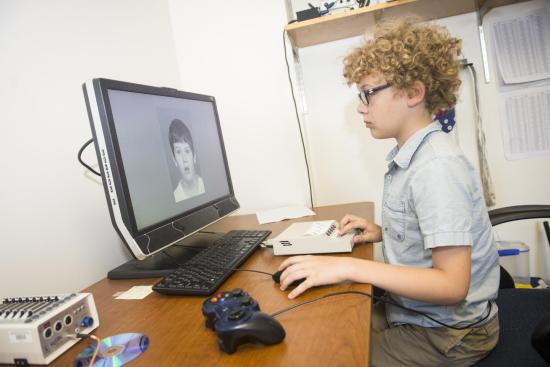
Findings suggest that physiological reactivity to sad stimuli, assessed using pupillometry, serves as one potential biomarker of depression risk among children of depressed mothers. Image credit goes to: Jonathan Cohen, Binghamton University Photographer
Most parents don’t want to think about their children as depressed, but that can be a deadly mistake. Short of clinical diagnosis through cost prohibitive therapy, there is no real way to tell if a child is at risk for depression. However, according to new research from Binghamton University , how much a child’s pupil dilates in response to seeing an emotional image can predict his or her risk of depression over the next two years.
Restraint and confinement still an everyday practice in mental health settings
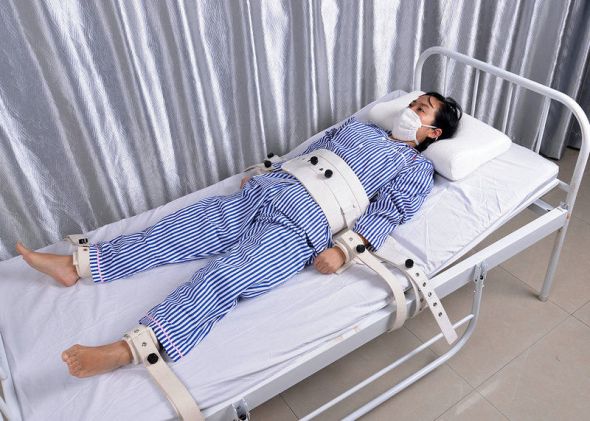
Providers of mental-health services still rely on intervention techniques such as physical restraint and confinement to control some psychiatric hospital patients, a practice which can cause harm to both patients and care facilities, according to a new study from the University of Waterloo. The study found that almost one in four psychiatric patients in Ontario hospitals are restrained using control interventions, such as chairs that prevent rising, wrist restraints, seclusion rooms or acute control medications.
The fear you experience playing video games is real, and you enjoy it

With the advent of video games, a frequently asked question has been whether we get as engrossed in them emotionally as we do when we see a scary movie. The answer is yes and many game players enjoy the fear caused by the zombies, disfigured humans and darkness they often encounter, the researchers found.
Commenters exposed to prejudiced comments more likely to display prejudice themselves

Comment sections on websites continue to be an environment for trolls to spew racist opinions. The impact of these hateful words shouldn’t have an impact on how one views the news or others, but that may not be the case. A recent study found exposure to prejudiced online comments can increase people’s own prejudice, and increase the likelihood that they leave prejudiced comments themselves.
Consciousness has less control than believed, according to new theory
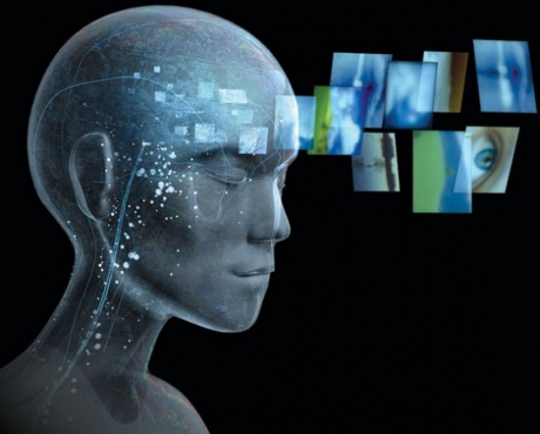
Consciousness — the internal dialogue that seems to govern one’s thoughts and actions — is far less powerful than people believe, serving as a passive conduit rather than an active force that exerts control, according to a new theory proposed by an SF State researcher.
Manning up: men may overcompensate when their masculinity is threatened

From the old Charles Atlas ads showing a scrawny male having sand kicked in his face to sitcom clichés of henpecked husbands, men have long faced pressure to live up to ideals of masculinity. Societal norms dictating that men should be masculine are powerful. And new research finds that men who believe they fall short of those ideals might be prompted to reassert their masculinity in small but significant ways.
Liar, Liar: Children with good memories are better liars

Children who benefit from a good memory are much better at covering up lies, researchers from the University of Sheffield have discovered. Experts found a link between verbal memory and covering up lies following a study which investigated the role of working memory in verbal deception amongst children.
Musicians don’t just hear in tune, they also see in tune

Musicians don’t just hear in tune, they also see in tune. That is the conclusion of the latest scientific experiment designed to puzzle out how the brain creates an apparently seamless view of the external world based on the information it receives from the eyes.
How ‘science popularizers’ influence public opinion on religion

Two prominent scientists with drastically different views on the relationship of science and religion – Richard Dawkins and Francis Collins – have an equally different influence on these views among people who are unfamiliar with their work, according to new research from Rice University and West Virginia University.
Not-so-guilty pleasure: Viewing cat videos boosts energy and positive emotions

If you get a warm, fuzzy feeling after watching cute cat videos online, the effect may be more profound than you think. The Internet phenomenon of watching cat videos, from Lil Bub to Grumpy Cat, does more than simply entertain; it boosts viewers’ energy and positive emotions and decreases negative feelings, according to a new study by an Indiana University Media School researcher.
The health effects of homophobia

Homophobia, since people are (finally) stigmatizing racism, it’s just another excuse to be able to treat people who are slightly different like they are garbage. To that end, I have bad news for gay and bisexual men living in European countries. The ones with strong attitudes and policies against homosexuality are far less likely to use HIV-prevention services, test for HIV, and discuss their sexuality with health providers, according to research led by Yale School of Public Health (YSPH).
Eating the placenta: trendy but no proven health benefits and unknown risks

Celebrities such as Kourtney Kardashian blogged and raved about the benefits of their personal placenta ‘vitamins’ and spiked women’s interest in the practice of consuming their placentas after childbirth.
What musical taste tells us about social class

Photo credit goes to: Hiroyuki Ito/Getty Images
Love the opera? Hungry for hip hop? It turns out that your musical likes and dislikes may say more about you than you think, according to UBC research. Even in 2015, social class continues to inform our cultural attitudes and the way we listen to music, according to the study.
How does human behavior lead to surgical errors? Researchers count the ways

Why are major surgical errors called “never events?” Because they shouldn’t happen — but do. Mayo Clinic researchers identified 69 never events among 1.5 million invasive procedures performed over five years and detailed why each occurred. Using a system created to investigate military plane crashes, they coded the human behaviors involved to identify any environmental, organizational, job and individual characteristics that led to the never events.
How racial stereotypes impact the way we communicate

Racial stereotypes and expectations can impact the way we communicate and understand others, according to new research. The new study highlights how non-verbal “social cues” – such as photographs of Chinese Canadians – can affect how we comprehend speech.
Health factors influence ex-prisoners’ chances of returning to jail

Ex-prisoners with a history of risky drug use, mental illness or poverty are more likely to end up back behind bars. Those who are obese, are chronically ill or have attempted suicide are more likely to remain in the community. These are some of the findings from an exploratory study into health-related factors that could be used to predict whether a person released from prison will end up in custody again.
The new normal? Addressing gun violence in America

Mass shootings have a significant impact on our individual and collective psyche, especially when they happen at schools. Despite the fact that children die every day from gun violence, school shootings upset us in ways that are difficult to comprehend. In our minds, schools serve as safe havens for children. When that image is shattered, the unpredictability and randomness of such heinous acts leave us wondering if anywhere is safe anymore. Thus, the shock and horror expressed following these events is not surprising.
Restricting firearms access for people who misuse alcohol may prevent violence

Restricting access to firearms for people who misuse alcohol could prevent firearm violence, but policies that more clearly define alcohol misuse should be developed to facilitate enforcement, according to a review of existing research and public policies by the UC Davis Violence Prevention Research Program.
Babies can think before they can speak

Two pennies can be considered the same — both are pennies, just as two elephants can be considered the same, as both are elephants. Despite the vast difference between pennies and elephants, we easily notice the common relation of sameness that holds for both pairs. Analogical ability — the ability to see common relations between objects, events or ideas — is a key skill that underlies human intelligence and differentiates humans from other apes.
Omega-3 as an intervention for childhood behavioral problems

We don’t usually think of a child’s behavior as a diet issue, but if new findings hold true, then that might be the very case. In a new study, researchers suggest that omega-3, a fatty acid commonly found in fish oil, may have long-term neurodevelopmental effects that ultimately reduce antisocial and aggressive behavior problems in children.
Girls suck at science, and other depressing stereotypes
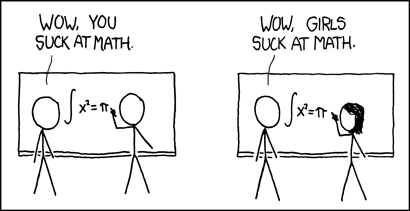
Image credit goes to: xkcd.com
The Netherlands had the strongest stereotypes associating science with men more than women, according to a new Northwestern University study that included data from nearly 350,000 people in 66 nations. These stereotypes are prevalent across the world — even in nations such as Argentina and Bulgaria where women are roughly half of science majors in colleges and universities and employed researchers, according to the study, the largest ever of its kind.
Rethinking the rebound: The unexpected effects of rejection
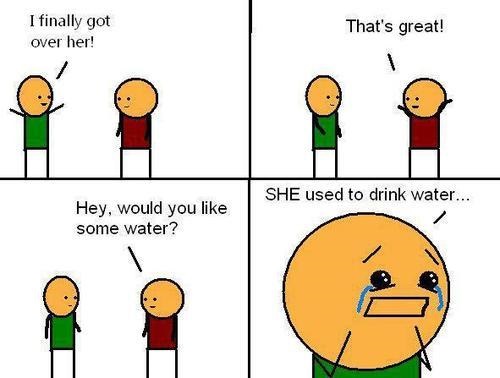
Image credit goes to: Cyanide and happiness … I think?
It’s portrayed in movies again and again – a character gets rejected by someone attractive and then falls willingly into the arms of someone perhaps less attractive. According to a new study, it’s not so simple: Rejection by an attractive man actually led women to socially distance themselves from an unattractive man, even when he offered acceptance.
Research shows more sex does not mean more happiness

Countless research and self-help books claim that having more sex will lead to increased happiness, based on the common finding that those having more sex are also happier. However, there are many reasons why one might observe this positive relationship between sex and happiness. Being happy in the first place, for example, might lead someone to have more sex (what researchers call ‘reverse causality’), or being healthy might result in being both happier and having more sex.
What would Optimus Prime do? A business leadership model

According to new research, there is more than meets the eye when it comes to the impact of Saturday morning cartoons. The researchers examine how fantasy-based stories, in particular the popular 1980s cartoon series The Transformers, can shape children’s perceptions of what behaviors are associated with effective leadership. It also could provide a basis for workplace-training programs.
(More) bad news for Vets: PTSD linked to accelerated aging

Vietnam Vet: A Hero’s Welcome
Image credit goes to: Mike Cherim via Getty Images
Before PTSD had a name there was shellshock. It was mysterious and much like today, not everyone showed symptoms so — for the most part — it was written off. In recent years however, public health concerns about post-traumatic stress disorder (PTSD) have risen significantly, driven in part by affected military veterans returning home. While this has opened the door for better care for people suffering from PTSD, it has also lead to some startling revelations about the extent of damage. New research that was just released, sad to say, doesn’t bode well for people with PTSD either.
Procrastinate much? Science offers a way to stop
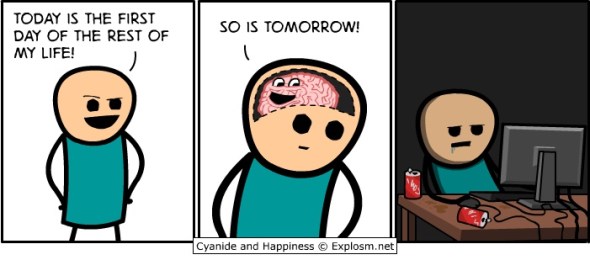
See more comics at explosm.net
Procrastination is the thief of time that derails New Year’s resolutions and delays saving for college or retirement, but researchers have found a way to collar it.
The trick? Think of the future as now.
Psychologists share the three secrets to healthier eating
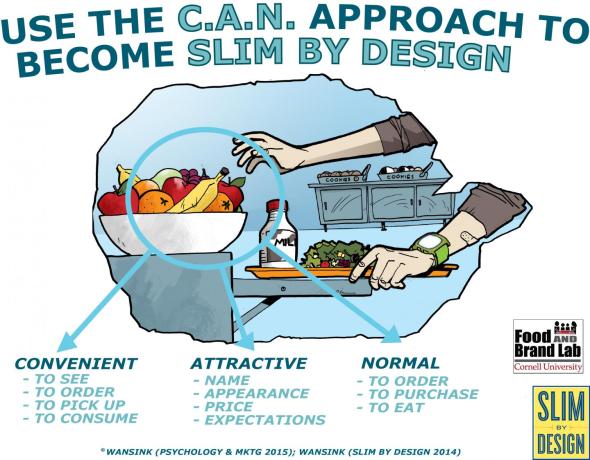
You don’t need a crazy diet to lose weight. In fact, your typical fad diet won’t help you keep weight off long term and could be harming your health. If you want to know the secrets of healthier eating, think of the kitchen fruit bowl. A fruit bowl makes fruit more convenient, attractive, and normal to eat than if the same fruit were in the bottom of the refrigerator.
Google searches for ‘n-word’ associated with black mortality

Google searches could unveil patterns in Black mortality rates across the US, according to a new study. Researchers found that those areas with greater levels of racism, as indexed by the proportion of Google searches containing the “n-word,” had higher mortality rates among Blacks. The study is the first to examine an Internet query-based measure of racism in relation to mortality risk.
Fatal attraction: the intuitive appeal of GMO opposition

A team of Belgian philosophers and plant biotechnologists have turned to cognitive science to explain why opposition to genetically modified organisms (GMOs) has become so widespread, despite positive contributions GM crops have made to sustainable agriculture. They argue that the human mind is highly susceptible to the negative and often emotional representations put out by certain environmental groups and other opponents of GMOs. The researchers urge the general public to form opinions on GMOs on a case-by-case basis, thereby not focusing on the technology but on the resulting product.
Mental disorders do not predict violence, so please stop

When Sandy Hook happened, it was so shocking that to this day, some don’t actually believe it happened. Shortly after, something frustrating happened, the shooter was labeled with aspergers. This helped drive the mental health and violence connection to the point that Time came out with an article dispelling that myth. Even now according to new longitudinal study of delinquent youth, most psychiatric disorders – including depression — do not predict future violent behavior. The only exception is substance abuse and dependence.
Study links brain anatomy, academic achievement, and family income

Image credit goes to: Jose-Luis Olivares/MIT
Many years of research have shown that for students from lower-income families, standardized test scores and other measures of academic success tend to lag behind those of wealthier students. Well now a new study offers another dimension to this so-called “achievement gap”After imaging the brains of high- and low-income students, they found that the higher-income students had thicker brain cortex in areas associated with visual perception and knowledge accumulation.
The placebome: Where genetics and the placebo effect meet
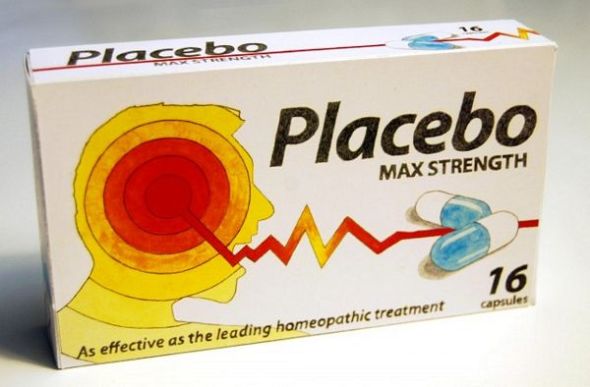
Placebos have helped to ease symptoms of illness for centuries and have been a fundamental component of clinical research to test new drug therapies for more than 70 years. But why some people respond to placebos and others do not remains under debate.
With the advent of genomics, researchers are learning that placebo responses are modified by a person’s genetics, a discovery that raises important new questions regarding the role of the placebo in patient care and in drug development: How many genetic biomarkers exist? Can the medical field harness the placebo response to enhance personalized medical treatment? What might be the impact of placebo-drug interactions? And what will this new information mean for randomized clinical trials, which depend on placebo controls to test the efficacy of new drug candidates? Should a “no-treatment” control be added to future trials?
Do you have the genes of a rapist?

Rape, it’s so taboo that victims are sometimes shamed for “letting” it happening. It’s a dirty word, no one likes the word rape so we come up with other names for it — sexual assault for example. Well new research shows that close relatives of men convicted of sexual offences commit similar offences themselves more frequently than comparison subjects. The study suggests that this is due to genetic factors rather than shared family environment. The study includes all men convicted of sex crime in Sweden during 37 years.
Gender differences in moral judgements linked to emotion
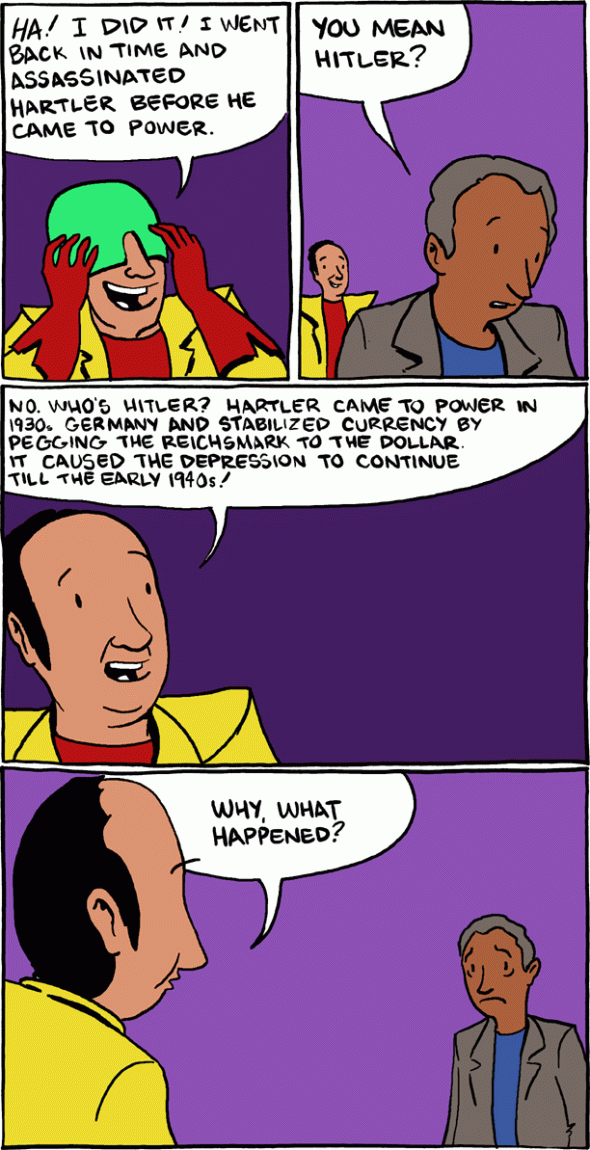
You can see more funny stuff like this over at SMBC
If a time machine was available, would it be right to kill Adolf Hitler when he was still a young Austrian artist to prevent World War II and save millions of lives? Should a police officer torture an alleged bomber to find hidden explosives that could kill many people at a local cafe? When faced with such dilemmas, men are typically more willing to accept harmful actions for the sake of the greater good than women. For example, women would be less likely to support the killing of a young Hitler or torturing a bombing suspect, even if doing so would ultimately save more lives.
Ovulation changes women’s desire for variety in products

We know that hormones affect who we are, even when we aren’t aware of it. In the past scientists have found that people who are hungry tend to buy more things, no surprise for those of us who have shopped hungry. However, new research shows that women seek a greater variety of products and services, specifically when they are ovulating.
Stereotype lowers math performance in women, no one noticed
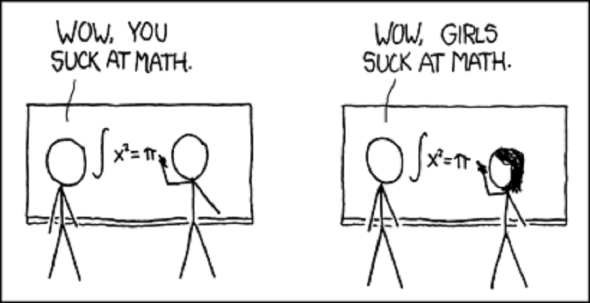
Stereotypes about people can affect how we look at a person, but sometimes it causes other problems. Gender stereotypes about women’s ability in mathematics negatively impact their performance. And in a significant twist, both men and women wrongly believe those stereotypes will not undermine women’s math performance — but instead motivate them to perform better.
High-fat diet causes brain inflammation and alters behavior
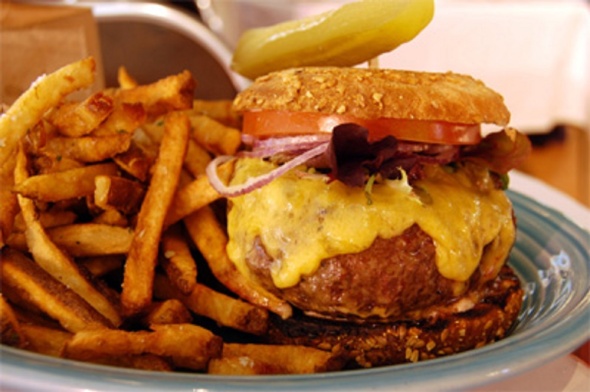
We hear in the media all the time, obesity is effecting our health. In most cases when we talk obesity we are talking about heart disease, sedentary activity, or chronic overeating. But what if a high-fat diet — regardless of obesity — has more than just an affect on your waistline? What if the consumption of fatty foods can change your behavior and your brain?
The neurological basis for anorexia nervosa
Most of us know about dieting, and if not first hand, have seen in the news or from friends how hard sticking to a diet long-term can be. This is because adults (regardless of their weight_ resolve to lose weight. Yet, more often than not, that chocolate lava cake is too enticing and that resolve vanishes. This behavior is normal because hunger increases the intensity of food rewards. Yet, individuals with anorexia nervosa (AN), despite their state of starvation, are able to ignore such food-related rewards.
The impact of military deployment on children

Being a military family is hard, it’s hard for the person serving (obviously) and if divorce rates are any indication, it is also hard on the spouse. While the added stress of deployment on a family cannot adequately be explained, even as someone who has seen it first hand, those stresses affect even the littlest members of the family. A new study reports that following military parents’ return from combat deployment, their children show increased visits for mental healthcare, physical injury, and child maltreatment consults, compared to children whose parents have not been deployed.
Not “just in your head,” brain networks differ among those with severe schizophrenia

The brain is plastic, it’s how we grow, it’s how we adapt, it is quite literally how we survive. This can unfortunately be to our detriment and new research shows that people with a severe form of schizophrenia have major differences in their brain networks compared to others with schizophrenia, bipolar disorder and healthy individuals. So while it may be true, that it is all be in your head, it isn’t how people usually mean it.
Does watching porn affect your performance in bed?
Pornography, it’s why google and other search engines have safesearch. It’s all around us and if sales are any indication, it is not going away. There have been lots of claims regarding it, but does a predilection for porn mean bad news in bed? That’s the conclusion of many clinicians and the upshot of anecdotal reports claiming a man’s habit of viewing sex films can lead to problems getting or sustaining an erection, but what does science say?
Depressed parents cause anxiety and bad behavior in toddlers
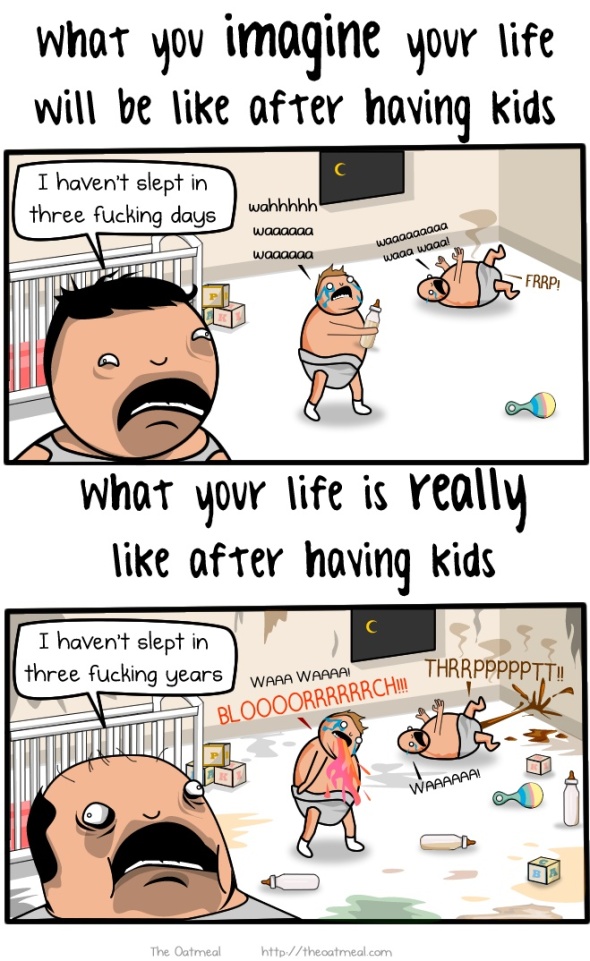
Credit for this all too true look at parenting goes to the one and only The Oatmeal, you can find more minor differences here.
Being a new parent can be stressful, new mothers can suffer from postpartum depression and even new fathers can find the changes stressful enough to cause depression. Unfortunately– and if that wasn’t bad enough– a new study shows that a father’s depression during the first years of parenting – as well as a mother’s – can put their toddler at risk of developing troubling behaviors such as hitting, lying, anxiety and sadness during a critical time of development.


 Lunatic Laboratories