We're a little crazy, about science!

Latest

How long do you want to live? Your expectations for old age matter

aging gracefully

Why do some people want to live a very long time, while others would prefer to die relatively young? In a latest study, a team of researchers investigated how long young and middle-aged adults in the United States say they want to live in relation to a number of personal characteristics. The results showed that more than one out of six people would prefer to die younger than age 80, before reaching average life expectancy.

Read the rest of this page »

‘I miss you so much’: How Twitter is broadening the conversation on death and mourning

genie you're free

Death and mourning were largely considered private matters in the 20th century, with the public remembrances common in previous eras replaced by intimate gatherings behind closed doors in funeral parlors and family homes. But social media is redefining how people grieve, and Twitter in particular — with its ephemeral mix of rapid-fire broadcast and personal expression — is widening the conversation around death and mourning.

Read the rest of this page »

Intestinal flora effects drug response

taking medicine

Intestinal flora has multiple influences on human health, but researchers have revealed that it is also likely to have an effect on the body’s response to drugs. Recent research suggests that changes in the intestinal flora, caused by antibacterial and antibiotic drugs or individual differences between people, may have an effect on a person’s response to drugs including side effects. The research focused on the changes in proteins due to the condition of intestinal flora that affect the response to drugs in the liver and kidneys.

Read the rest of this page »

Is depression in parents, grandparents linked to grandchildren’s depression?

depression

If you read my blog often, it’s no surprise I suffer from PTSD, depression, and anxiety issues. Maybe it’s from my military service, but maybe it’s my father’s, or his father’s, maybe it’s an insidious family legacy that was just never noticed. This is because having both parents and grandparents with major depressive disorder (MDD) was associated with higher risk of MDD for grandchildren, which could help identify those who may benefit from early intervention.

Read the rest of this page »

Why you’re stiff in the morning: Your body suppresses inflammation when you sleep at night

joint pain in the morning

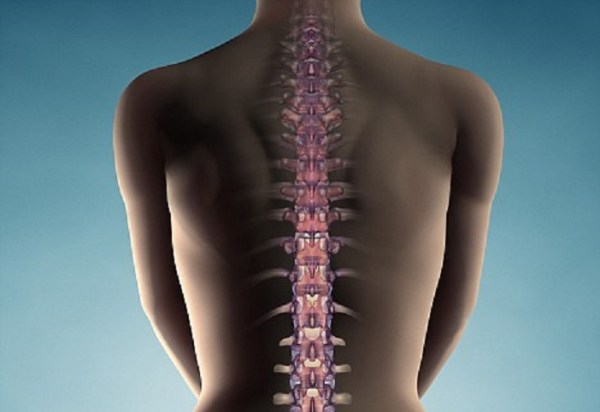
Feeling stiff first thing in the morning? It’s not your imagination, new research has found a protein created by the body’s “biological clock” that actively represses inflammatory pathways within the affected limbs during the night. This protein, called CRYPTOCHROME, has proven anti-inflammatory effects in cultured cells and presents new opportunities for the development of drugs that may be used to treat inflammatory diseases and conditions, such as arthritis.

Read the rest of this page »

Why do antidepressants take so long to work?

depression

Medication roulette, if you have ever had to deal with depression or other types of mental illness you know what I’m talking about. You take a pill that could help or could cause all sorts of horrid side effects. You cross your fingers as you take that first pill and in the 4-6 weeks it takes to start working you cross your fingers, hope, wish and probably even dread the outcome. But why does it take so long for antidepressants to start working in the first place and what could be done to change that?


Read the rest of this page »

How our brain puts the world in order

organizing archives

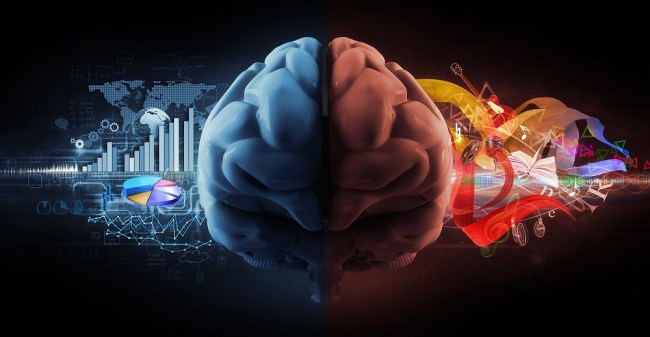
The world around is complex and changing constantly. To put it in order, we devise categories into which we sort new concepts. To do this we apply different strategies. A team of researchers wanted to find out which areas of the brain regulate these strategies. The results of their study using magnetic resonance imaging (MRI) show that there are indeed particular brain areas, which become active when a certain strategy of categorisation is applied.

Read the rest of this page »

Protein found to bolster growth of damaged muscle tissue

muscular dystrophy art

Read more about the story behind this image and see others here.

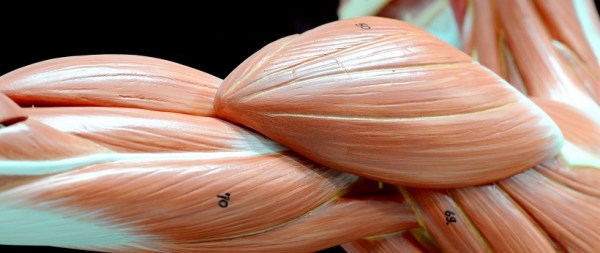
Biologists have found that a protein that plays a key role in the lives of stem cells can bolster the growth of damaged muscle tissue, a step that could potentially contribute to treatments for muscle degeneration caused by old age and diseases such as muscular dystrophy. The results show that a particular type of protein called integrin is present on the stem cell surface and used by stem cells to interact with, or “sense” their surroundings.

Read the rest of this page »

Stem cells feel the force

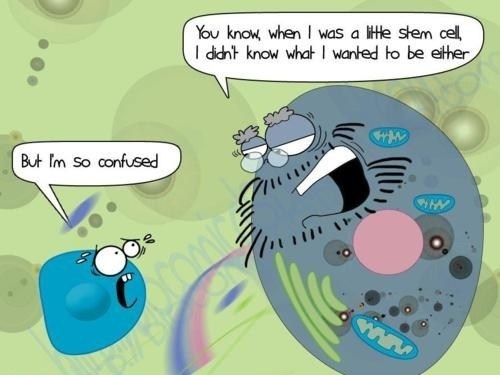
funny stem cell comic

All cells share the same genetic code, no matter if they are skin or brain cells. However, these cells are exposed to very different types of mechanical environments and mechanical stresses. For example, brain tissue is very soft, whereas bone is hard. Researchers know that cells respond to extrinsic forces by changing their structure and their gene expression to be better suited for their particular environments and to be able to execute their specific functions.

Read the rest of this page »