
Supercoiled DNA is far more dynamic than the ‘Watson-Crick’ double helix
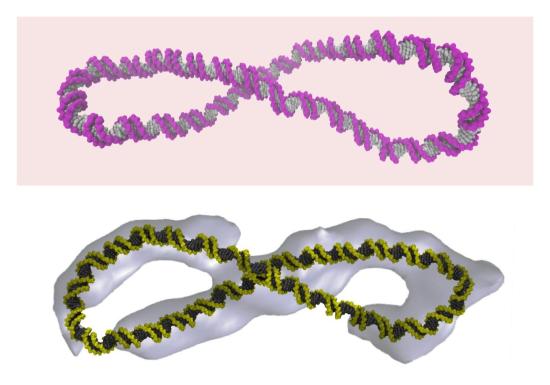
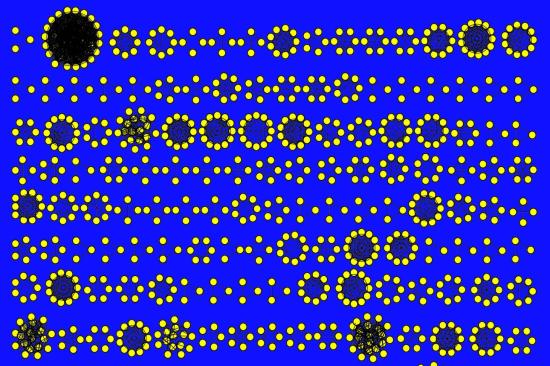
The image shows the structure of the DNA calculated with the supercomputer simulations (in colour) superimposed upon the cryo-electron tomography data (in white or yellow). (There is no superimposition onto cryo-electron tomography data for the purple figure-8 shape.) You can see that the familiar double helix has been either simply bent into a circle or twisted into a figure-8. Image credit goes to: Thana Sutthlbutpong
Researchers have imaged in unprecedented detail the three-dimensional structure of supercoiled DNA, revealing that its shape is much more dynamic than the well-known double helix.
Immune gene prevents Parkinson’s disease and dementia

An estimated seven to ten million people worldwide are living with Parkinson’s disease (PD), which is an incurable and progressive disease of the nervous system affecting movement and cognitive function. More than half of PD patients develop progressive disease showing signs of dementia similar to Alzheimer’s disease.
Blood clotting protein triggers immune attack on the brain
A new study from the Gladstone Institutes shows that a single drop of blood in the brain is sufficient to activate an autoimmune response akin to multiple sclerosis (MS). This is the first demonstration that introduction of blood in the healthy brain is sufficient to cause peripheral immune cells to enter the brain, which then go on to cause brain damage.
Pain is in the brain

Chronic pain results from disease or trauma to the nervous system. Damaged nerve fibres with heightened responses to normal stimuli send incorrect messages to pain centres in the brain. This phenomenon, called “peripheral and central sensitization” is one of the key mechanisms involved in the condition which touches people with diabetes, cancer, and those suffering from multiple sclerosis, among others.
Sex change hormonal treatments alter brain chemistry

Hormonal treatments administered as part of the procedures for sex reassignment have well-known and well-documented effects on the secondary sexual characteristics of the adult body, shifting a recipient’s physical appearance to that of the opposite sex. New research indicates that these hormonal treatments also alter brain chemistry.
American placebo – An increase in the placebo response, but only in America?
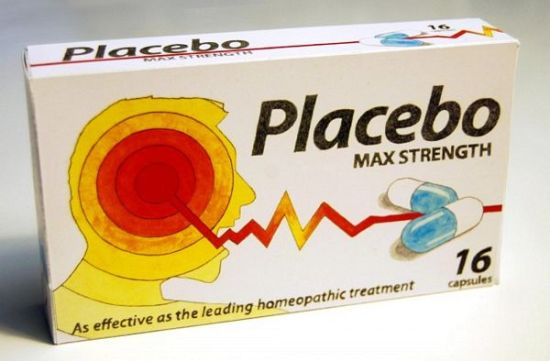
A new study finds that rising placebo responses may play a part in the increasingly high failure rate for clinical trials of drugs designed to control chronic pain caused by nerve damage. Surprisingly, however, the analysis of clinical trials conducted since 1990 found that the increase in placebo responses occurred only in trials conducted wholly in the U.S.; trials conducted in Europe or Asia showed no changes in placebo responses over that period.
Gut bacteria population, diversity linked to anorexia nervosa

Researchers at the UNC School of Medicine found that people with anorexia nervosa have very different microbial communities residing inside their guts compared to healthy individuals and that this bacterial imbalance is associated with some of the psychological symptoms related to the eating disorder.
Brain networking: behind the cognitive control of thoughts
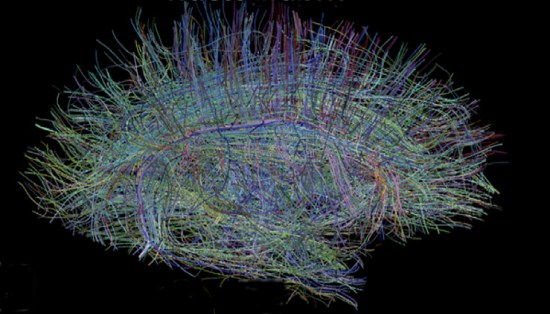
The human brain does not come with an operating manual. However, a group of scientists have developed a way to convert structural brain imaging techniques into “wiring diagrams” of connections between brain regions. Three researchers from UCSB’s Department of Psychological & Brain Sciences — Michael Miller, Scott Grafton and Matt Cieslak — used the structure of neural networks to reveal the fundamental rules that govern which parts of the brain are most able to exert cognitive control over thoughts and actions.
Can exercise be replaced with a pill?
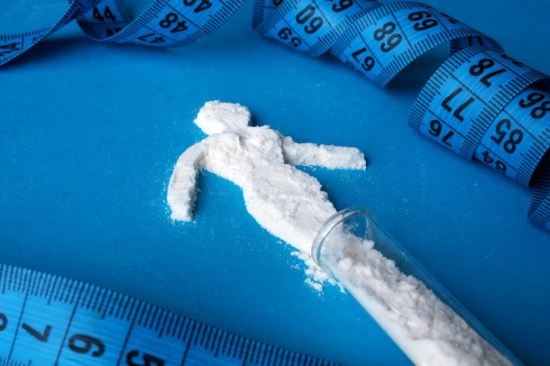
Everyone knows that exercise improves health, and ongoing research continues to uncover increasingly detailed information on its benefits for metabolism, circulation, and improved functioning of organs such as the heart, brain, and liver. With this knowledge in hand, scientists may be better equipped to develop “exercise pills” that could mimic at least some of the beneficial effects of physical exercise on the body. But a review of current development efforts ponders whether such pills will achieve their potential therapeutic impact, at least in the near future.
High-fructose diet slows recovery from brain injury

Well bad news for those of us who have a sweet tooth, a diet high in processed fructose sabotages rat brains’ ability to heal after head trauma, UCLA neuroscientists report. While this doesn’t necessarily translate to humans quite yet, it should still raise a few eyebrows given the results from the study.
Coincidence or conspiracy? Studies investigate conspiracist thinking

In pop culture, conspiracy believers — like FBI agent Fox Mulder on The X Files or professor Robert Langdon in The Da Vinci Code — tend to reject the notion of coincidence or chance; even the most random-seeming events are thought to result from some sort of intention or design. And researchers have suggested that such a bias against randomness may explain real-world conspiracy beliefs. But new research from psychological scientists shows no evidence for a link between conspiracist thinking and perceptions of order, design, or intent.
Scientists identify key receptor as potential target for treatment of autism
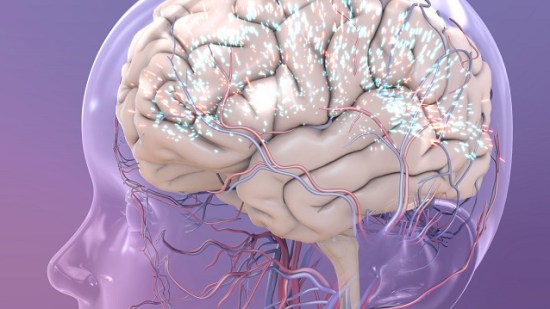
Scientists from the Florida campus of The Scripps Research Institute (TSRI) have uncovered a significant–and potentially treatable–relationship between a chemical that helps transmit signals in the brain and genetic mutations present in a subset of individuals with autism spectrum disorder. The new research findings focus on the role that the neurotransmitter serotonin plays in the development of social behavior.
Scientists to bypass brain damage by re-encoding memories
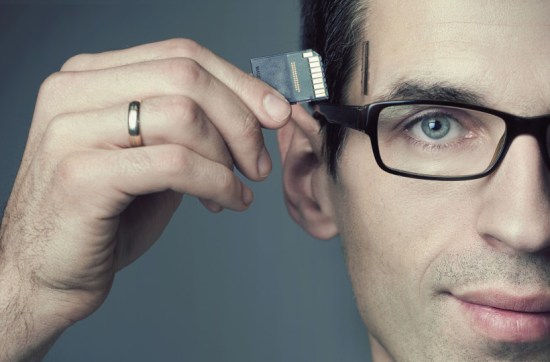
Researchers at USC and Wake Forest Baptist Medical Center have developed a brain prosthesis that is designed to help individuals suffering from memory loss. The prosthesis, which includes a small array of electrodes implanted into the brain, has performed well in laboratory testing in animals and is currently being evaluated in human patients.
Connecting Alzheimer’s disease and the immune system

The role of the immune system in Alzheimer’s disease is a hot topic, but exactly how the two are connected and what interventions could help lower risk remain a mystery. In a new study, researchers in the Ann Romney Center for Neurologic Diseases at Brigham and Women’s Hospital (BWH) investigate how genetic risk factors for Alzheimer’s disease may influence a key type of immune cell. Their results lay the groundwork for designing better therapeutic strategies and better prediction tools for risk of developing Alzheimer’s disease.
Breaking the anxiety cycle

A woman who won’t drive long distances because she has panic attacks in the car. A man who has contamination fears so intense he cannot bring himself to use public bathrooms. A woman who can’t go to church because she fears enclosed spaces. All of these people have two things in common: they have an anxiety disorder. They’re also parents.
Scientists discover new system for human genome editing
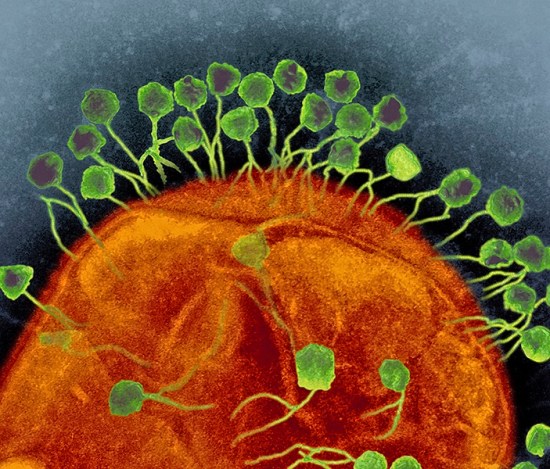
CRISPR systems help bacteria defend against viral attack (shown here).
These systems have been adapted for use as genome editing tools in
human cells.
Image credit goes to: Ami Images/Science Photo Library.
A team including the scientist who first harnessed the revolutionary CRISPR-Cas9 system for mammalian genome editing has now identified a different CRISPR system with the potential for even simpler and more precise genome engineering. In the study researchers describe the unexpected biological features of this new system and demonstrate that it can be engineered to edit the genomes of human cells.
It’s alive!! Study adds to evidence that viruses are alive
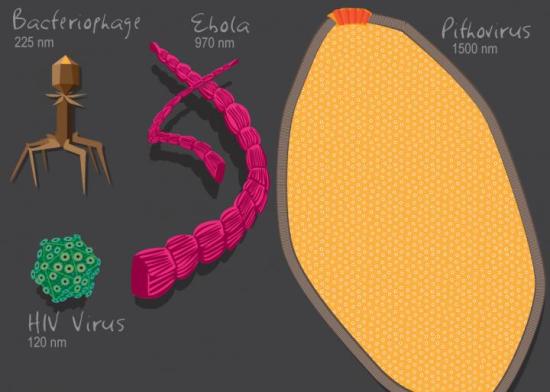
The diverse physical attributes, genome sizes and lifestyles of viruses make them difficult to classify. A new study uses protein folds as evidence that viruses are living entities that belong on their own branch of the tree of life.
Image credit goes to: Julie McMahon
Classifying something as living isn’t as easy as it sounds, after all we are all atoms, so when do atoms go from nonliving to living? Despite the complexities of viruses, we have historically deemed them nonliving. However, a new analysis supports the hypothesis that viruses are living entities that share a long evolutionary history with cells. The study offers the first reliable method for tracing viral evolution back to a time when neither viruses nor cells existed in the forms recognized today.
Mexico City’s air pollution has detrimental impact on Alzheimer’s disease gene

A new study by researchers heightens concerns over the detrimental impact of air pollution on hippocampal metabolites as early markers of neurodegeneration in young urbanites carrying an allele 4 of the apolipoprotein E gene (APOE). This is associated with the risk for Alzheimer disease (AD) and a susceptibility marker for poor outcome in traumatic brain injury (TBI) recovery.
What motivates ‘Facebook stalking’ after a romantic breakup?

Social networking makes it easy to monitor the status and activities of a former romantic partner, an often unhealthy use of social media known as interpersonal electronic surveillance (IES) or, more commonly, “Facebook stalking.” Psychological and relationship factors and how individuals cope with the termination of a romantic relationship can help predict their use of online surveillance, according to a new study.
Genetic analysis supports prediction that spontaneous rare mutations cause half of autism
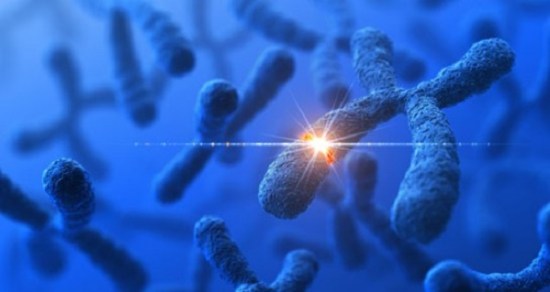
A team led by researchers at Cold Spring Harbor Laboratory (CSHL) has published a new analysis of data on the genetics of autism spectrum disorder (ASD). One commonly held theory is that autism results from the chance combinations of commonly occurring gene mutations, which are otherwise harmless. But the authors’ work provides support for a different theory.
‘Delayed remembering’: Kids can remember tomorrow what they forgot today

For adults, memories tend to fade with time. But a new study has shown that there are circumstances under which the opposite is true for small children: they can remember a piece of information better days later than they can on the day they first learned it. While playing a video game that asked them to remember associations between objects, 4- and 5-year-olds who re-played the game after a two-day delay scored more than 20 percent higher than kids who re-played it later the same day.
A barrier against brain stem cell aging
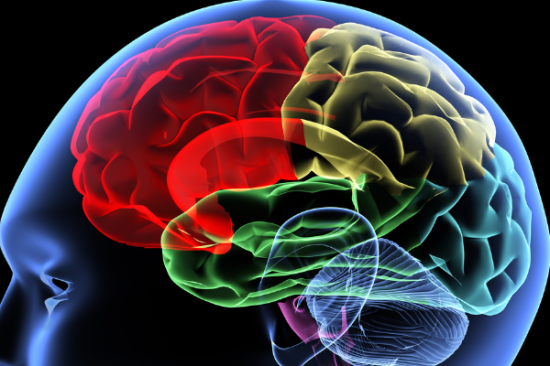
Neural stem cells generate new neurons throughout life in the mammalian brain. However, with advancing age the potential for regeneration in the brain dramatically declines. Scientists now identified a novel mechanism of how neural stem cells stay relatively free of aging-induced damage. A diffusion barrier regulates the sorting of damaged proteins during cell division.
Schizophrenia: Repairing the brain

Research led by scientists from Duke-NUS Graduate Medical School Singapore (Duke-NUS) has linked the abnormal behaviour of two genes (BDNF and DTNBP1) to the underlying cause of schizophrenia. These findings have provided a new target for schizophrenia treatment.
Types of athletic training affect how brain communicates with muscles

Using endurance training or strength and resistance training not only prepares an athlete for different types of sports, they can also change the way the brain and muscles communicate with each other.
Vaccine clears some precancerous cervical lesions in clinical trial

Scientists have used a genetically engineered vaccine to successfully eradicate high-grade precancerous cervical lesions in nearly one-half of women who received the vaccine in a clinical trial. The goal, say the scientists, was to find nonsurgical ways to treat precancerous lesions caused by HPV.
Immune system may be pathway between nature and good health

Research has found evidence that spending time in nature provides protections against a startling range of diseases, including depression, diabetes, obesity, ADHD, cardiovascular disease, cancer, and many more. How this exposure to green space leads to better health has remained a mystery. After reviewing hundreds of studies examining nature’s effects on health, researchers believe the answer lies in nature’s ability to enhance the functioning of the body’s immune system.
Students in credit crisis

New research from the USA suggests that college students are well aware that they should be personally responsible for their finances, including their card obligations, but this awareness rarely correlates with limiting the debts they accrue during their time in higher education.
Viruses flourish in guts of healthy babies

Bacteria aren’t the only nonhuman invaders to colonize the gut shortly after a baby’s birth. Viruses also set up house there, according to new research at Washington University School of Medicine in St. Louis. All together, these invisible residents are thought to play important roles in human health.
Diet beverage drinkers compensate by eating unhealthy food
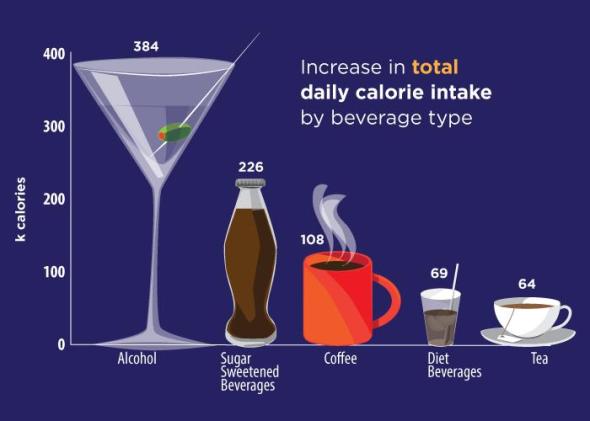
Alcoholic drinks and sugar-sweetened beverages are associated with higher overall daily intakes, although people who drink diet beverages consume a greater percentage of non-nutritious food.
Image credit goes to: Julie McMahon
Want fries with that diet soda? You aren’t alone, and you may not be “saving” as many calories as you think by consuming diet drinks. A new study that examined the dietary habits of more than 22,000 U.S. adults found that diet-beverage consumers may compensate for the absence of calories in their drinks by noshing on extra food that is loaded with sugar, sodium, fat and cholesterol.
Female mice sing for sex

Using a sophisticated array of microphones and a sound chamber he developed, a University of Delaware researcher discovered the world is full of tiny furry Beyoncés. Studying all the Single Ladies’ communication provides insight into brain mechanics.
Image credit goes to: Jeff Chase, University of Delaware
They don’t use gondolas or croon like Sinatra. But scientists have known for a long time that male mice belt out something like love songs to females when the time seems right to them. What they didn’t know – until a University of Delaware researcher developed a sophisticated array of microphones and a sound analysis chamber – was that female mice were singing back.
Smart cells teach neurons damaged by Parkinson’s to heal themselves
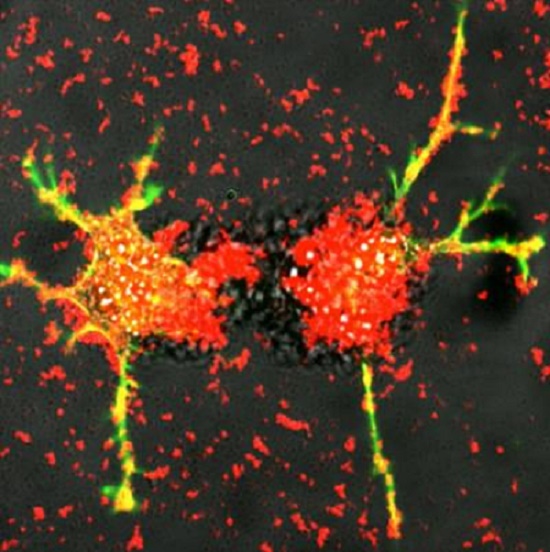
These are white blood cells reengineered by scientists at UNC-Chapel Hill deliver exosomes (red) loaded proteins that stimulate the growth of damaged nerve fibers (green and yellow). Researchers at the UNC Eshelman School of Pharmacy this technique can be developing into a potential treatment for Parkinson’s disease.
Image credit goes to: Elena Batrakova/UNC Eshelman School Of Pharmacy
As a potential treatment for Parkinson’s disease, scientists at the University of North Carolina at Chapel Hill have created smarter immune cells that produce and deliver a healing protein to the brain while also teaching neurons to begin making the protein for themselves.
An antibody that can attack HIV in new ways
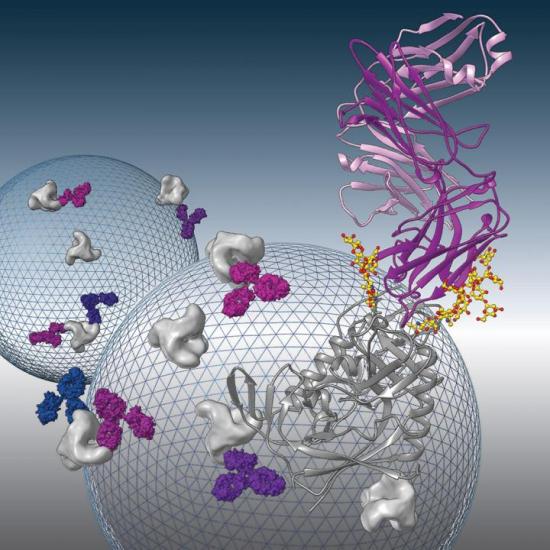
Broadly neutralizing antibodies to HIV-1 envelope glycoprotein are being evaluated as therapeutics to prevent or treat HIV-1 infection. Structural analysis of one such antibody, 8ANC195, revealed a new conformation of the envelope protein. The image shows the X-ray crystal structure of 8ANC195 in complex with the gp120 subunit of the envelope protein. The background shows schematic representations of HIV-1 virus particles studded with envelope proteins being recognized by 8ANC195 antibodies.
Image credit goes to: Louise Scharf/Caltech
Proteins called broadly neutralizing antibodies (bNAbs) are a promising key to the prevention of infection by HIV, the virus that causes AIDS. bNAbs have been found in blood samples from some HIV patients whose immune systems can naturally control the infection. These antibodies may protect a patient’s healthy cells by recognizing a protein called the envelope spike, present on the surface of all HIV strains and inhibiting, or neutralizing, the effects of the virus. Now Caltech researchers have discovered that one particular bNAb may be able to recognize this signature protein, even as it takes on different conformations during infection–making it easier to detect and neutralize the viruses in an infected patient.
Physicists show ‘molecules’ made of light may be possible

It’s not lightsaber time… at least not yet. But a team including theoretical physicists from the National Institute of Standards and Technology (NIST) has taken another step toward building objects out of photons, and the findings* hint that weightless particles of light can be joined into a sort of “molecule” with its own peculiar force.
Cells from human umbilical cord blood improve cognition in Alzheimer’s disease model mice
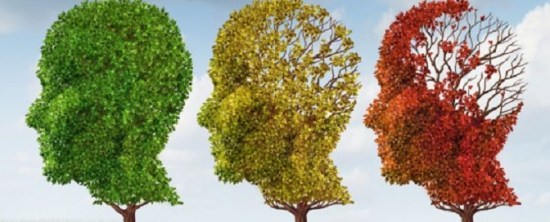
Alzheimer’s disease (AD), which affects an estimated 26 million people worldwide, is the fourth leading cause of death among the elderly and the leading cause of dementia. Predictions are that the number of AD cases will quadruple by 2050. Although pharmacological methods for treating AD have been discovered, none significantly delay the progression of the disease.
Artificial ‘plants’ could fuel the future
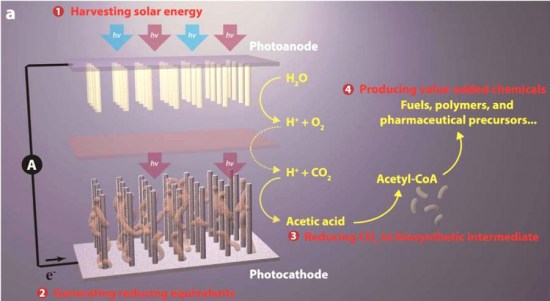
This schematic image of Chang’s artificial photosynthesis systems shows its four general components: (1) harvesting solar energy, (2) generating reducing equivalents, (3) reducing CO2 to biosynthetic intermediates and (4) producing value-added chemicals.
Image credit goes to: Berkeley Lab
Imagine creating artificial plants that make gasoline and natural gas using only sunlight. And imagine using those fuels to heat our homes or run our cars without adding any greenhouse gases to the atmosphere. By combining nanoscience and biology, researchers led by scientists at University of California, Berkeley, have taken a big step in that direction.
Tree of life study unveils inner workings of a cell
Scientists have uncovered tens of thousands of new protein interactions, accounting for about a quarter of all estimated protein contacts in a cell.
Image credit goes to: Jovana Drinkjakovic
A multinational team of scientists have sifted through cells of vastly different organisms, from amoebae to worms to mice to humans, to reveal how proteins fit together to build different cells and bodies. This tour de force of protein science, a result of a collaboration between seven research groups from three countries, led by Professor Andrew Emili from the University of Toronto’s Donnelly Centre, uncovered tens of thousands of new protein interactions, accounting for about a quarter of all estimated protein contacts in a cell.
Guilting teens into exercise won’t increase activity

Just like attempts at influencing hairstyles or clothing can backfire, adults who try to guilt middle-schoolers into exercising won’t get them to be any more active. The study found students who don’t feel in control of their exercise choices or who feel pressured by adults to be more active typically aren’t.
The science of stereotyping: Challenging the validity of ‘gaydar’

“Gaydar” — the purported ability to infer whether people are gay or straight based on their appearance — seemed to get a scientific boost from a 2008 study that concluded people could accurately guess someone’s sexual orientation based on photographs of their faces. In a new paper researchers at the University of Wisconsin-Madison challenge what they call “the gaydar myth.” William Cox, an assistant scientist in the Department of Psychology and the lead author, says gaydar isn’t accurate and is actually a harmful form of stereotyping.
Common antidepressant may change brain
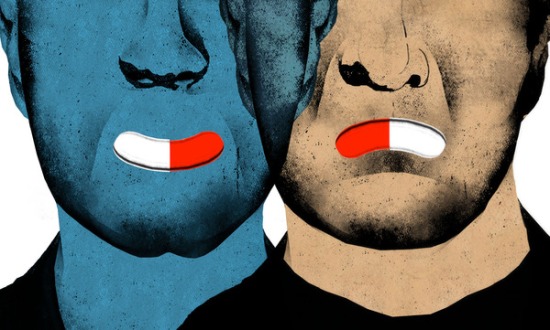
A commonly prescribed antidepressant may alter brain structures in depressed and non-depressed individuals in very different ways, according to new research. The study – conducted in nonhuman primates with brain structures and functions similar to those of humans – found that the antidepressant sertraline, a selective serotonin reuptake inhibitor (SSRI) marketed as Zoloft, significantly increased the volume of one brain region in depressed subjects but decreased the volume of two brain areas in non-depressed subjects.
Do antipsychotic medications affect cortical thinning?
People diagnosed with schizophrenia critically rely upon treatment with antipsychotic medications to manage their symptoms and help them function at home and in the workplace. But despite their benefits, antipsychotic medications might also have some negative effects on brain structure or function when taken for long periods of time.
Feeling blue and seeing blue: Sadness may impair color perception

The world might seem a little grayer than usual when we’re down in the dumps and we often talk about “feeling blue” — new research suggests that the associations we make between emotion and color go beyond mere metaphor. The results of two studies indicate that feeling sadness may actually change how we perceive color. Specifically, researchers found that participants who were induced to feel sad were less accurate in identifying colors on the blue-yellow axis than those who were led to feel amused or emotionally neutral.
The alien within: Fetal cells influence maternal health during pregnancy (and long after)

Parents go to great lengths to ensure the health and well-being of their developing offspring. The favor, however, may not always be returned. Dramatic research has shown that during pregnancy, cells of the fetus often migrate through the placenta, taking up residence in many areas of the mother’s body, where their influence may benefit or undermine maternal health.
Confidence in parenting could help break cycle of abuse

To understand how confidence in parenting may predict parenting behaviors in women who were abused as children, psychologists have found that mothers who experienced more types of maltreatment as children are more critical of their ability to parent successfully. Intervention programs for moms at-risk, therefore, should focus on bolstering mothers’ self-confidence–not just teach parenting skills, the researchers said.
Fish oil-diet benefits may be mediated by gut microbes
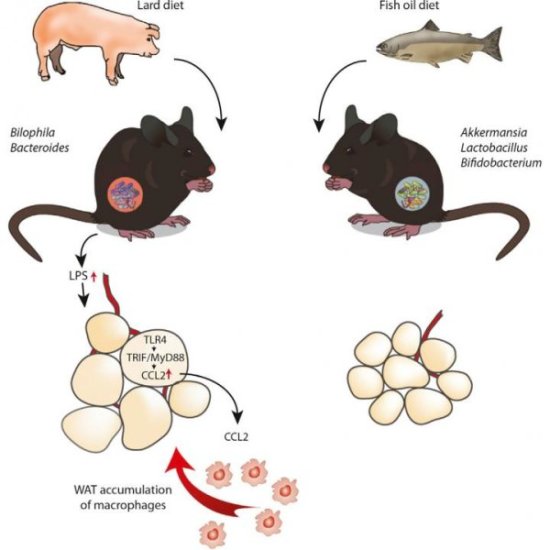
Diets rich in fish oil versus diets rich in lard produce very different bacteria in the guts of mice, reports a study from Sahlgrenska Academy published in Cell Metabolism. The researchers transferred these microbes into other mice to see how they affected health. The results suggest that gut bacteria share some of the responsibility for the beneficial effects of fish oil and the harmful effects of lard. Image credit goes to: University of Gothenburg
Diets rich in fish oil versus diets rich in lard produce very different bacteria in the guts of mice, reports a new study. The researchers transferred these microbes into other mice to see how they affected health. The results suggest that gut bacteria share some of the responsibility for the beneficial effects of fish oil and the harmful effects of lard.
HIV particles do not cause AIDS, our own immune cells do

Researchers have revealed that HIV does not cause AIDS by the virus’s direct effect on the host’s immune cells, but rather through the cells’ lethal influence on one another. HIV can either be spread through free-floating virus that directly infect the host immune cells or an infected cell can pass the virus to an uninfected cell.
Fertilization discovery: Do sperm wield tiny harpoons?

Could the sperm harpoon the egg to facilitate fertilization? That’s the intriguing possibility raised by the University of Virginia School of Medicine’s discovery that a protein within the head of the sperm forms spiky filaments, suggesting that these tiny filaments may lash together the sperm and its target.
Predicting who will murder his wife or his family

Murderers who kill intimate partners and family members have a significantly different psychological and forensic profile from murderers who kill people they don’t know, reports a new Northwestern Medicine study that examined the demographics, psychiatric history and neuropsychology of these individuals.
Genetic overlaps in autoimmune diseases may suggest common therapies
Scientists who analyzed the genes involved in 10 autoimmune diseases that begin in childhood have discovered 22 genome-wide signals shared by two or more diseases. These shared gene sites may reveal potential new targets for treating many of these diseases, in some cases with existing drugs already available for non-autoimmune disorders.
Want a better relationship and a better sex life?

If men take up more of the child-care duties, splitting them equally with their female partners, heterosexual couples have more satisfaction with their relationships and their sex lives, according to new research by sociologists. The group used data from more than 900 heterosexual couples’ responses in the 2006 Marital Relationship Study (MARS).
Don’t touch that dial: TV’s subliminal influence on women’s perception of pregnancy and birth
In an era where popular culture is increasingly recognized for its impact on lay understanding of health and medicine, few scholars have looked at television’s powerful role in the creation of patient expectations, especially regarding pregnancy and birth.


 Lunatic Laboratories