
Day 156: Experiment results
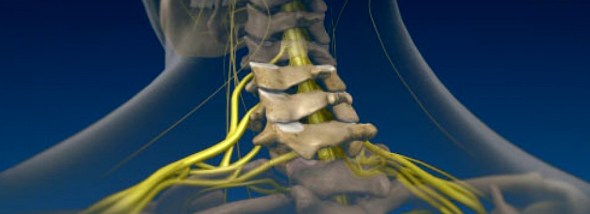
Well to say it’s been a busy week is probably an understatement and it doesn’t seem like it will be slowing down anytime soon. As it stands today was the end of our data collection. We managed to get ~15 subjects to go through our protocol and while I cannot share anything (yet) I can talk about the stuff I’ve learned and what is coming.
Day 155: Experiments!!
So it turns out when you have 12 hours of experiments to do there isn’t much time for other things. Yesterday we had 3 experiments, today we have another 3 experiments (technically I’m writing this yesterday night, confusing I know). So basically I don’t have a whole lot of time to write. I’m going off to get some sleep and tomorrow (today, again confusing I know) I get to do this all over again. I hope wednesday I will have a bit more time and we can get into why the spinal cord is so cool! In any case, stay tuned!
Day 154: Review – Spinal stretch reflexes support efficient hand control
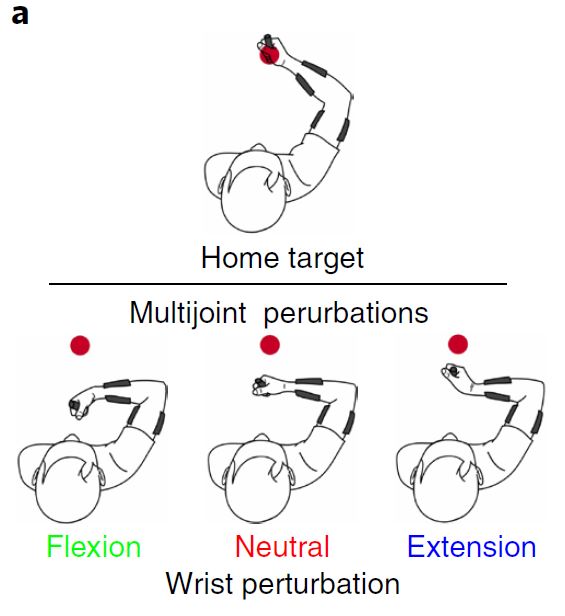
Fig 1 (a) from the paper, showing the multijoint perturbation away from target (red) with simultaneous flexion at the elbow and either flexion, extension, or no perturbation at the wrist joint.
Today is that critical review paper I promised. Everything following this introduction explains how the experiment was done, what they found, and why I think it is particularly interesting. To me the experiment was so well thought out I couldn’t think of anything I would change. Instead I focused on the methodology they used and why it highlights the importance of a well thought out experiment. This is really my first attempt at a “critical review” so take it how you will.
Day 153: The week ahead

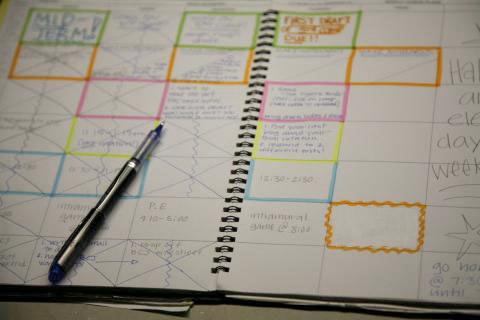
Tomorrow is more experiments! We’re doing all the experiments tomorrow. Okay, not all of them, but we have an ambitious three experiments lined up for tomorrow so it will definately be a long, long day. Still recovering from surgery too… so yeah it’s going to be a time. There are a few other things going on this week, so let’s look ahead and maybe talk about what I’m thinking of doing for the next round of themed posts (educational topic posts).
Day 152: Improving my writing


One of the outcomes of my recent meeting with my PI (my main one), is that I am going to be actively working on my writing. While I do this to improve my writing, this is far more informal than the writing I would be doing for a confrence or journal paper (both of which I’ve written). That isn’t to say that I cannot improve, there’s always room for improvement and I could use a LOT of improvement.
Day 151: Surgery at the VA, a runthrough


Nice and foggy today, look at that nasty roof! Got to love the VA (even though it looks more like a prison, which I guess it sort of is.
Now that I’m somewhat out of my anesthesia sickness (seriously not fun), I figured I would give a rundown on what having surgery through the VA looks like and some of the things you have to do pre-surgery to get ready. Since I’ve never had a surgery outside of the VA, it would be interesting to see how much of this applies to other hospitals, but I suspect that the answer would be not much.
Day 150: Surgery update
Well I’m alive, despite the VA’s best efforts. I’m struggling with some serious nausea to the point of vomiting, which has never happened to me before. I’m also in a lot of pain, but that was expected. In any case, start to finish (start as in the operating room and finish as in getting home so +30 minutes or so to the actual finish time) it took ~9 hours total good times for everyone. Anywho, I feel like death so I’ll write more later.
Day 149: An auspicious start
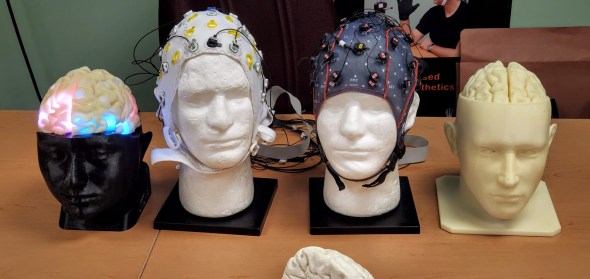
Well we did an experiment. I wish I could talk more about what we did, how we did, and why we did. Alas, I cannot. So instead, let’s talk about the vague how it went metric as in, maybe we found something maybe we didn’t, also this experiment highlights several quarks between the my school lab and the clinical lab.
Day 148: Experimental design
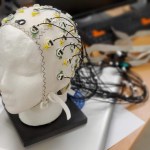
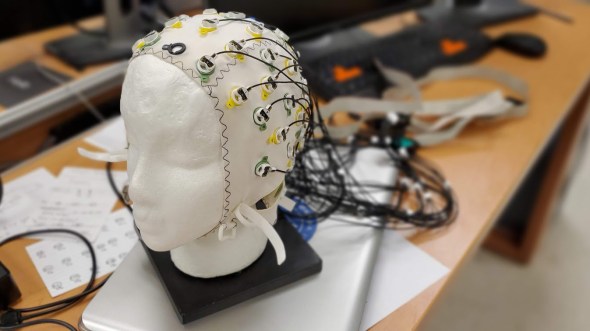
Today is day one of ten for the time that I have to do some experiments. It’s an awkward time for sure, I mean surgery, school, etc. However, that’s just the way things work in academia, I actually had a break, so I’m ready to go to be honest. Which really means this isn’t horrible timing. I’ve already discussed the million things going on these weeks, but let’s talk about what goes into experiments, really.
Day 147: First day in the lab

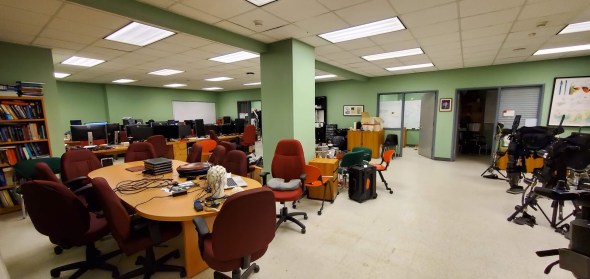
A semi good photo of our lab!
Today is the first day in the lab since break. It was nice to have some time off, I got some housework done, got to spend the bulk of my time sick (not my idea of fun), and best of all I got to see some of the city. It’s been good and now that I’m ready to get back to it, the week is looking to be busy.
(more…)
Day 144: Another day spent at the VA
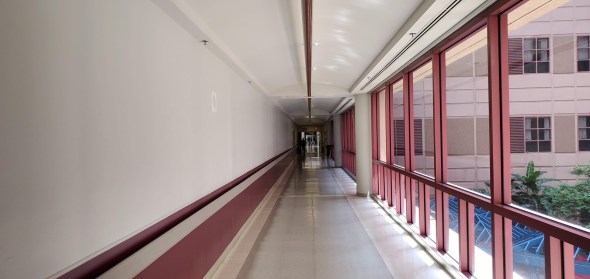
An endless VA hallway, it feels like a metaphor for something… can’t quite put my finger on it.
It’s been an interesting few days, I’ve had several meetings with my PI and my Co-PI, I’ve got classes starting again, and I have a surprise experiment. However, I have something else coming up that I failed to mention, I’m also having surgery! Which means the inevitable jumping through hoops to get ready. Each VA seems to do things differently, so this will be a fun attempt at explaining how it works.
Day 143: Meeting with my two PI’s
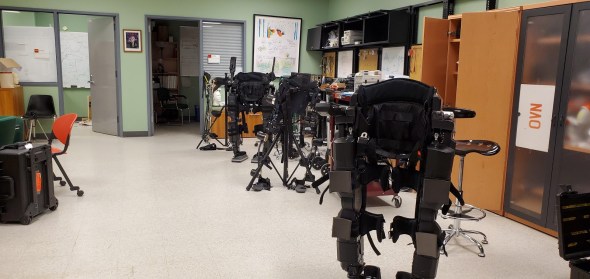
Some of our exoskeletons from the lab
Today was an interesting set of events. I had my meeting with my two PI’s (which I still think would make a hilarious television show). The meeting went well, I’m very excited, but I’m also getting ready to be very, VERY busy. Let’s breakdown how it went shall we?
Day 142: So you want to record from the brain…
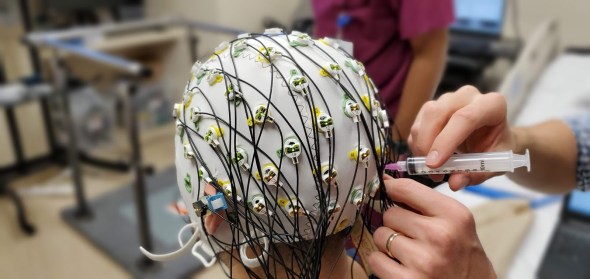
My college helping me set up for the experiment I just did. This is how we add gel to the head, there is a tiny hole by each sensor, we then insert a blunt tip needle (we do NOT puncture the skin!) to add the gel between the sensor and the top of the head to eliminate the air gap caused by the hair. Unfortunately it looks scary, but we need something tiny to get around the sensor (if you look close you can seethe tiny, tiny opening each senor has). The lights on each sensor tell us how good of a connection we have, red means bad, yellow means we’re getting close, and green means good.
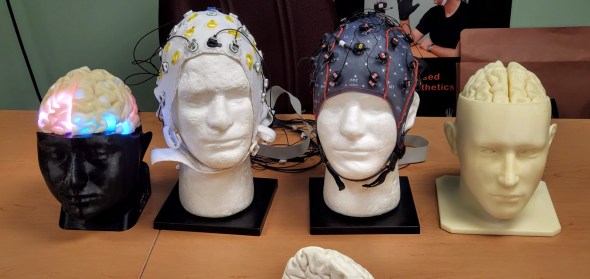
Today’s post was inspired by a conversation I was having yesterday in the comment section (you know who you are and thank you for the questions). I thought I would elaborate on how we record from the brain and why. There are a lot of different ways we can do this, some of them are super invasive and others are non-invasive. In the lab I work in now, we do things non-invasively there are good things about this and bad things about this, so let’s get into it!
Day 141: PI meeting result
Well I’ve had my first meeting with my main PI (vs my Co-PI). It went well, I’m very happy with the result and while I’m not at the end of my PhD (yet), it seemed like we were in agreement with my progress. I still have the meeting with my PI and Co-PI coming up, but let’s go over some of the things that we talked about in this meeting.
(more…)
Day 140: A meeting with my PI
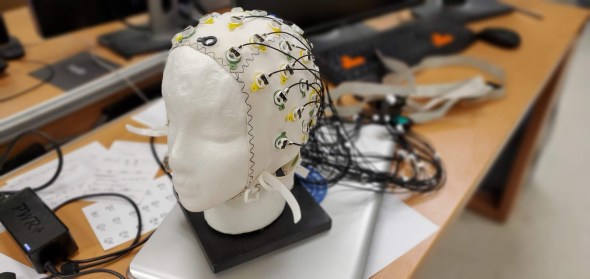
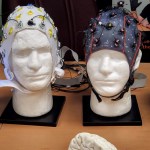
Tools of the trade, an EEG cap I set up for my experiment
With the term about to start (we get another week, even though some schools are already kicking off), I have a few things that I need to do prior to the start. One of those things was make more work for myself, no really. I made a few emails between my two PI’s (which sounds like a TV show) and arranged for a meeting.
Day 124: On the importance of time off


When I left the military, I threw myself into work. I was offered — and I took — all the overtime I could get. If I stayed busy, I didn’t have to think about anything else and at the time, it is what I wanted. I didn’t want to have to think about anything else. It was an unhealthy and unsustainable lifestyle, one I don’t necessarily regret, just one I had to learn from.
Day 123: Well I HAD a meeting

Today I reluctantly had two things to do on my list, this despite being sick. Now, I don’t normally like going out when I’m unwell, I don’t want to get others sick, I don’t want to suffer more, blah blah blah. The usual things you’re supposed to do when you are sick. Well today I was not that lucky, let’s talk about why.
Day 122: Moving forward
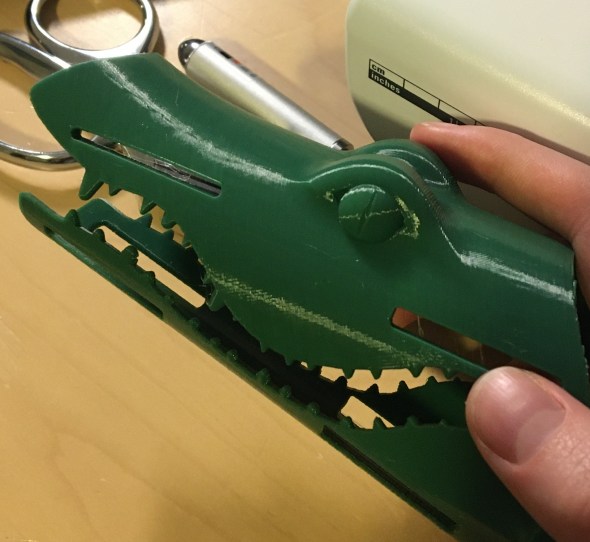
After the events of the past week, I need a break. Not just because of all the excitement that has occurred, but because I am sick. Like bad. There is never a good time to be sick per say, but if I had to be sick, this was about as good of timing as I could ask for. Let’s talk about what’s next once I’m feeling better.
Day 121: Qualifying Exam Aftermath

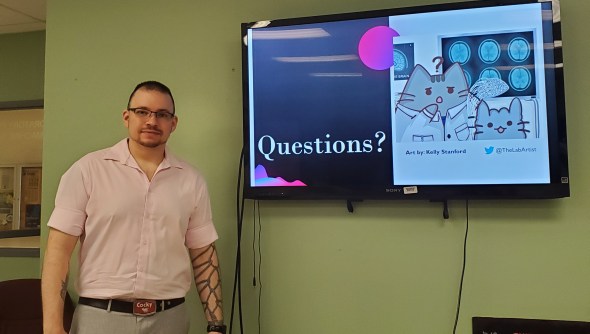
I don’t normally share photos of myself, but I thought I would share the final slide, I love it so much.
Well if you don’t follow me on twitter, then you don’t know the results of my qualifying exam. Well I’ll tell you, but not yet. First let’s talk about how it went and what the qualifying exam is (I know we’ve covered this already here, but it would be good to do it again).
Day 120: The art of the data request (update)


Today is the big day, it’s my qualifier day. Since it hasn’t happened yet I cannot tell you how it went, but I feel pretty good about it. However, I still have a lot of other news to share, like my data request update. So let’s get to it.
Day 119: Conference Day 4

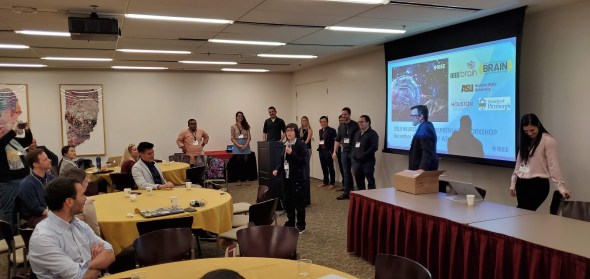
The winners of the pitch competition giving a surprise 1-2 minute elevator pitch
Well, I’m finally home. It’s been exhausting, but super exciting. I’ve got so much to share I’m not even sure where to start. Let’s go over how yesterday went first. It was our last day at the confrence and our trainees got to present their company pitches. We named the top three (of ten) teams and they got prizes (surprisingly useful and super nice prizes, a wireless phone charger in fact). We also had some talks, so let’s go through the highlights.
Day 117: Conference Day 2

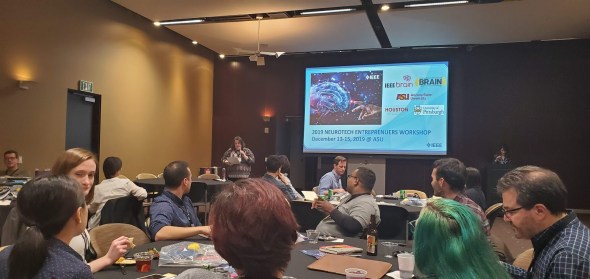
Today is the first day of the neurotech workshop (day 2 of my confrence schedule since I had 2 conferences back to back) and man did I do something evil. Well… maybe not that evil, but more evil genius. They gave me some creative power and I found a way to make it funny. Let’s take a look at the result, shall we?
Day 116: Conference Day 1


Shot I took of the moon
Made it in one piece to my destination! Since I’m writing this before today’s events start, let’s talk about yesterday. While the bulk of the time was spent traveling it wouldn’t hurt to muse on a few of the events, especially since today will be a much busier (or at least more event packed) day.
Day 115: Conference time!


Well today is the day, I’m packed and ready for the … festivities? Okay, so maybe not something that is a party, but conferences are a good chance to meet with people and share ideas. While this is a small one for our research group, it’s still a way to let others know what advancements have been made in the field.
Day 114: Classifier Update
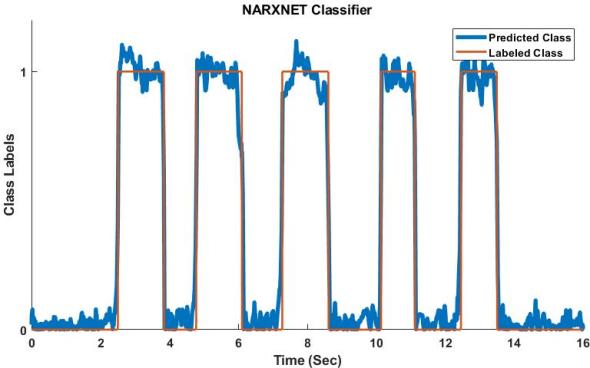
Behold! My amazing predictive power!! *insert evil laugh here*
It’s been a long and exhaustive road to get to here. As you may recall, I’ve given several updates already on my progress and I THINK I’ve finally hit success. In fact, I know I have, the problem now? Well what the neural net saw to make the predictions is a mystery to me, so I don’t know why or how it works… yet.
Day 113: Practice makes… better?


Conference is coming! With my talk right around the corner today is prep day. Basically I’m giving my talk today to the lab in the hopes that when I do it for real, it doesn’t completely suck. So practice, practice, practice!
Day 112: Conference Prep


We are just a few days away from my first of two events back to back. First up is the confrence I keep mentioning. It’s a meeting with collaborators from several schools to discuss work we’ve been doing that the group funded. I have one of those projects, so I will be presenting a powerpoint with an update on the work along with a poster that I’ve made.
Day 111: A prosthetic update

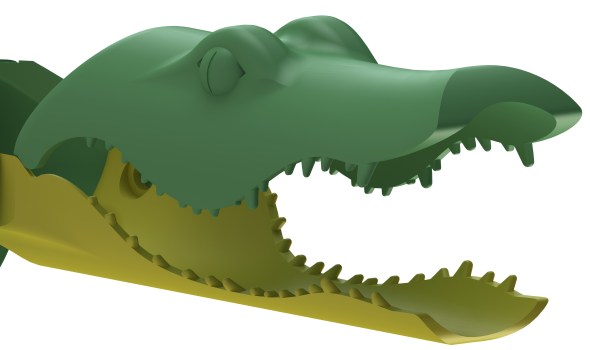
Prosthetic I’ve designed for Lucas, you can see the full view further into the post.
Now that the term is over, you would think I get some time to myself. That is unfortunately not true. There is still quite a bit of work ahead for me before I can take some time over the winter break to relax. One of the more important things that needs to happen is the prosthetic project I’ve been working on for some time.
Day 110: Experiment!
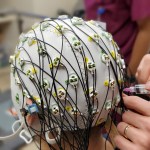
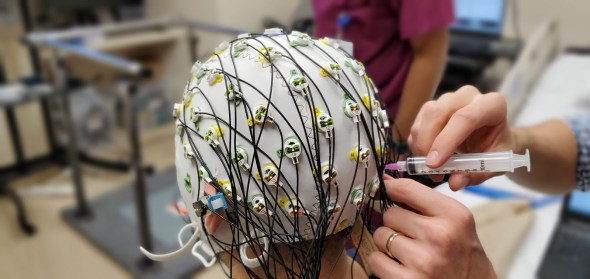
This is an actual photo from my experiment setup, one of my colleagues is adding gel to the sensors. While the giant syringe looks scary, it isn’t. It’s full of conductive gel that gets placed between the head and the sensor. There is no pain or puncturing of the skin involved. Afterwards the gel washes out of the hair. The real pain is sitting for ~30 minutes or so while we gel each electrode enough to get a good reading.
A few days ago I mentioned I did a thing, well an experimental thing really. It was… fun? It was definitely something. Overall it went well, but I said I would give everyone an update and I try to be a man of my word, so let’s do this.
The science behind real life zombies


In the spirit of Halloween we bring you the science fact and fiction behind the undead. Zombies, those brain loving little guys, (and girls) are everywhere. Sure, we are all familiar with the classic zombie, but did you know that we aren’t the only zombie lovers out there? It turns out that nature has its own special types of zombies, but this isn’t a science fiction movie, this is science fact! Sometimes fact can be scarier than fiction, so let’s dive in.
Study uncovers brain changes in offending pedophiles


New research reveals that certain alterations in the brain may be present in pedophiles, with differences between hands-on offenders and those who have not sexually offended against children.
Your BMI might affect your brain function
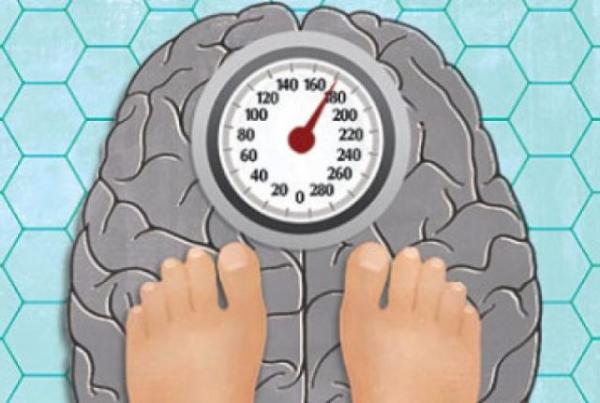
There are plenty of reasons it’s important to maintain a healthy weight, and now you can add one more to the list: It may be good for your brain. Researchers have found that having a higher body mass index, or BMI, can negatively impact cognitive functioning in older adults.
Oligodendrocyte selectively myelinates a particular set of axons in the white matter

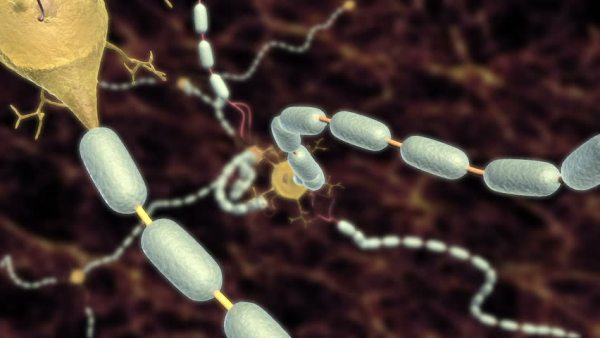
There are three kinds of glial cells in the brain, oligodendrocyte, astrocyte and microglia. Oligodendrocytes myelinate neuronal axons to increase conduction velocity of neuronal impulses. A Japanese research team found a characteristic feature of oligodendrocytes that selectively myelinate a particular set of neuronal axons.
Female brains change in sync with hormones
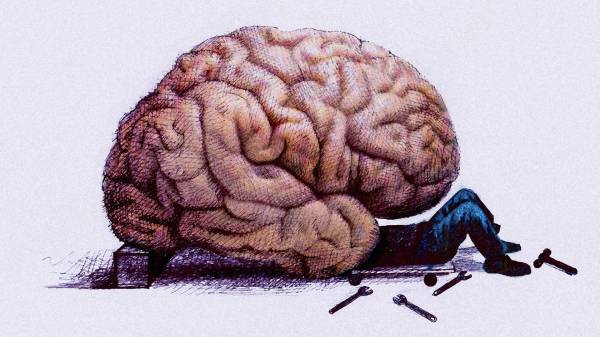
Although it has already been known for some time that the brain does not remain rigid in its structure even in adulthood, scientists have recently made a surprising discovery. The brain is not only able to adapt to changing conditions in long-term processes, but it can do this every month.
Untangling a cause of memory loss in neurodegenerative diseases

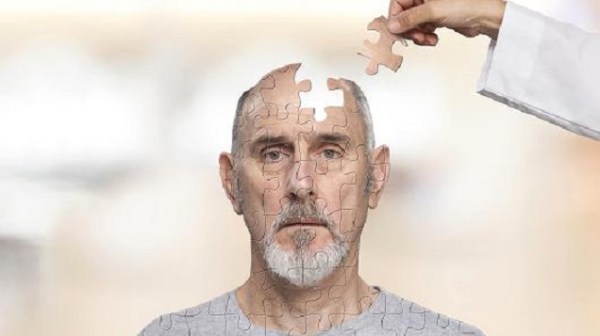
Tauopathies are a group of neurodegenerative disorders, including Alzheimer’s disease that are characterized by the deposition of aggregates of the tau protein inside brain cells. A new study reveals that the cutting of tau by an enzyme called caspase-2 may play a critical role in the disordered brain circuit function that occurs in these diseases.
New sensor material could enable more sensitive readings of biological signals
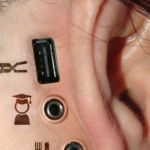
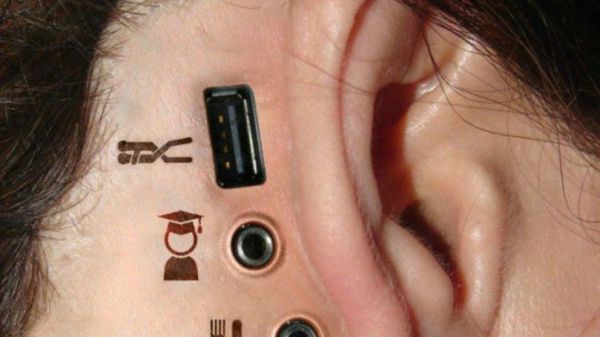
High-tech prosthetics, computers that are controlled by thought, the ability to walk or even move again, these are just a few of the promises of technology. Unfortunately, while the tech is — mostly — up to the challenge, getting the biology side of things to cooperate has been difficult at best, but that could change. Now, scientists have created a material that could make reading biological signals, from heartbeats to brainwaves, much more sensitive.
Concentrating on the social billions


Using online social media does not lead to long-term problems with our ability to concentrate, according to new research. We are social animals, so it is really no surprise that billions of us now use online tools to communicate, educate and inform each other. The advent of social media and social networking has nevertheless been phenomenally rapid.
First demonstration of brain-inspired device to power artificial systems
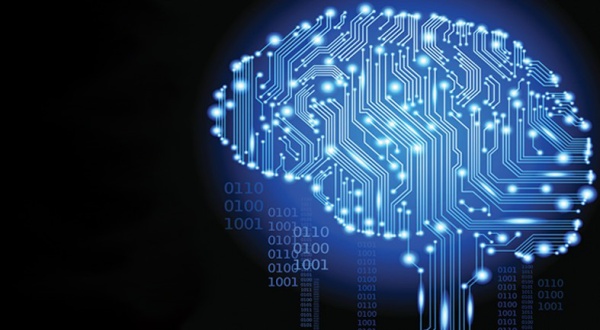
New research has demonstrated that a nanoscale device, called a memristor, could be used to power artificial systems that can mimic the human brain. Artificial neural networks (ANNs) exhibit learning abilities and can perform tasks which are difficult for conventional computing systems, such as pattern recognition, on-line learning and classification.
Mental illness genetically linked to drug use and misuse
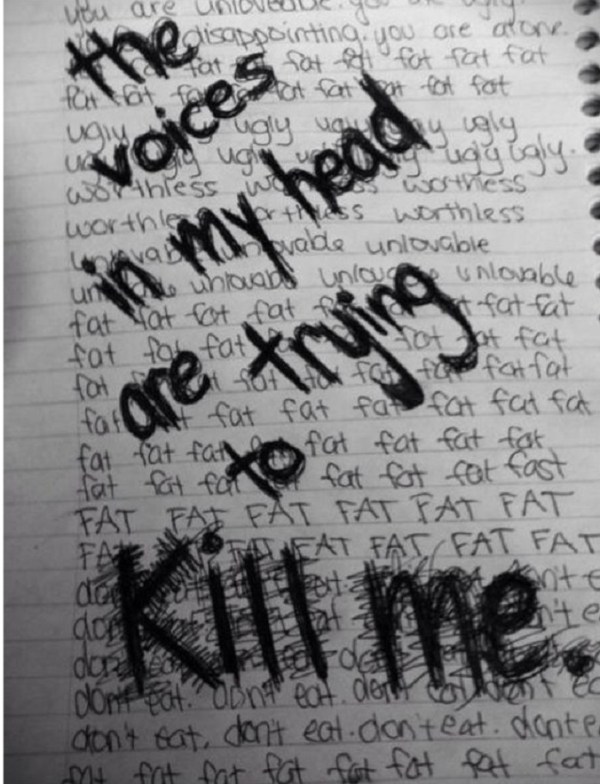
There are many reports of drug use leading to mental health problems, and we all know of someone having a few too many drinks to cope with a bad day. Many people who are diagnosed with a mental health disorder indulge in drugs, and vice versa. As severity of both increase, problems arise and they become more difficult to treat. But why substance involvement and psychiatric disorders often co-occur is not well understood.
Scientists find new path in brain to ease depression


Scientists have discovered a new pathway in the brain that can be manipulated to alleviate depression. The pathway offers a promising new target for developing a drug that could be effective in individuals for whom other antidepressants have failed. New antidepressant options are important because a significant number of patients don’t adequately improve with currently available antidepressant drugs.
Revising the meaning of ‘prion’

A team of scientists are redefining what it means to be a prion–a type of protein that can pass heritable traits from cell to cell by its structure instead of by DNA. Although prions are infamous for causing Creutzfeldt-Jakob disease, fatal familial insomnia, and bovine spongiform encephalopathy, commonly known as mad cow’s disease, the present study indicates that prions identified in yeast, and possibly in plants, and other organisms may be beneficial.
For women, caffeine could be ally in warding off dementia


Among a group of older women, self-reported caffeine consumption of more than 261 mg per day was associated with a 36 percent reduction in the risk of incident dementia over 10 years of follow-up. This level is equivalent to two to three 8-oz cups of coffee per day, five to six 8-oz cups of black tea, or seven to eight 12-ounce cans of cola.
Sugar gives bees a happy buzz


An unexpected sugary snack can give bees a little buzz and appears to lift their mood, even making them optimistic, according to research that suggests pollinators have feelings, too. Since emotions are subjective and difficult to measure—particularly in animals—researchers looked at how bees’ behavior changed after they were given a sip of sucrose solution.
Research team may have observed building blocks of memories in the brain


A team of researchers has observed what they believe are the building blocks of memories in a mouse brain. In their paper, the researchers describe how they caused certain neurons to become illuminated when they fired, allowing them to watch in real time as memories were made and then later as they were replayed while the mouse was sitting idle.
Linking perception to action


Researchers studying how the brain uses perception of the environment to guide action offer a new understanding of the neural circuits responsible for transforming sensation into movement.
MRI scanner sees emotions flickering across an idle mind


As you relax and let your mind drift aimlessly, you might remember a pleasant vacation, an angry confrontation in traffic or maybe the loss of a loved one. And now a team of researchers say they can see those various emotional states flickering across the human brain.
Learning to turn down your amygdala can modify your emotions


Training the brain to treat itself is a promising therapy for traumatic stress. The training uses an auditory or visual signal that corresponds to the activity of a particular brain region, called neurofeedback, which can guide people to regulate their own brain activity. However, treating stress-related disorders requires accessing the brain’s emotional hub, the amygdala, which is located deep in the brain and difficult to reach with typical neurofeedback methods.
A microRNA plays role in major depression


A tiny RNA appears to play a role in producing major depression, the mental disorder that affects as many as 250 million people a year worldwide. Major depression, formally known as major depressive disorder, or MDD, brings increased risk of suicide and is reported to cause the second-most years of disability after low-back pain.
Study could herald new treatment for muscular dystrophy

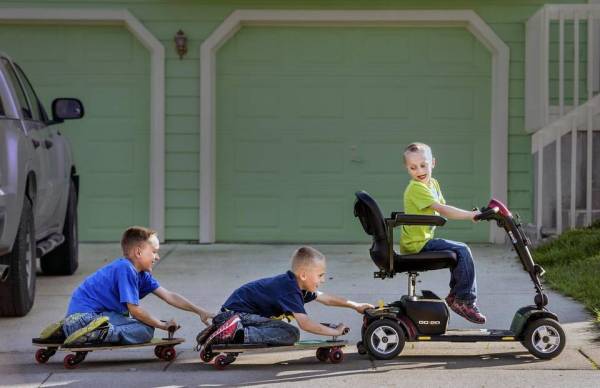
New research has shown that the corticosteroid deflazacort is a safe and effective treatment for Duchenne muscular dystrophy. The findings could pave the way for first U.S.-approved treatment for the disease.
How new experiences boost memory formation


Most people remember where they were when the twin towers collapsed in New York … new research reveals why that may be the case. The study has shed new light on the biological mechanisms that drive the process, known as flashbulb memory.


 Lunatic Laboratories