
Milk proteins may protect against cardiovascular disease
 The Maillard reaction is a chemical reaction between amino acids and reducing sugars that results in browned foods like seared steaks and toasted bread. When proteins and sugars are mixed together and heated, new chemical compounds are formed. Some are responsible for new flavors and some, according to a new study, may protect us against cardiovascular disease. (more…)
New drug can clear all psoriasis symptoms
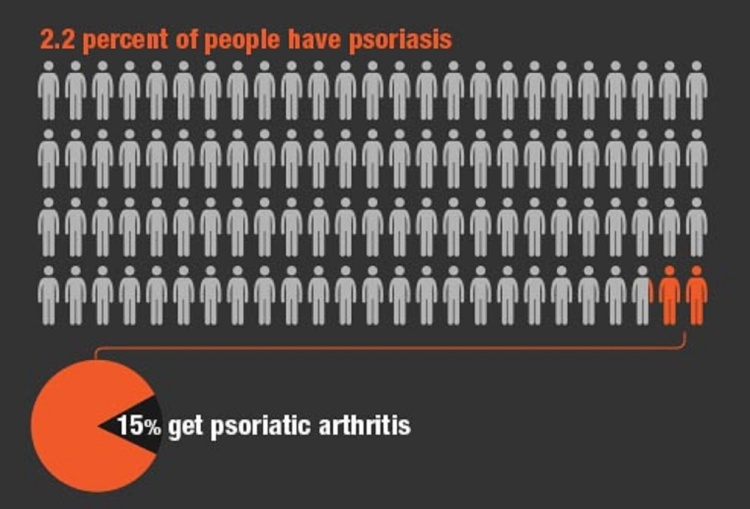
Good news for anyone who has psoriasis, a University of Manchester led trial of a new drug has resulted in 40 percent of people showing a complete clearance of psoriatic plaques after 12 weeks of treatment and over 90 percent showing improvement. The research tested 2,500 people with psoriasis. Half were given a new drug – ixekizumab – either once every two or four weeks. The other half were given a placebo or a widely used drug for psoriasis called etanercept.
First functional, synthetic immune organ with controllable antibodies created by engineers
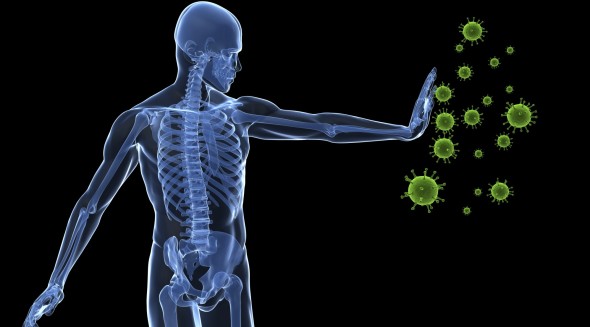
Cornell University engineers have created a functional, synthetic immune organ that produces antibodies and can be controlled in the lab, completely separate from a living organism. The engineered organ has implications for everything from rapid production of immune therapies to new frontiers in cancer or infectious disease research.
Largest-ever study of parental age and autism finds increased risk with teen moms

The largest-ever multinational study of parental age and autism risk, funded by Autism Speaks, found increased autism rates among the children of teen moms and among children whose parents have relatively large gaps between their ages. The study also confirmed that older parents are at higher risk of having children with autism. The analysis included more than 5.7 million children in five countries.
The health effects of homophobia

Homophobia, since people are (finally) stigmatizing racism, it’s just another excuse to be able to treat people who are slightly different like they are garbage. To that end, I have bad news for gay and bisexual men living in European countries. The ones with strong attitudes and policies against homosexuality are far less likely to use HIV-prevention services, test for HIV, and discuss their sexuality with health providers, according to research led by Yale School of Public Health (YSPH).
Babies who can resettle are more likely to ‘sleep through the night’

Good news, for parents who see their babies “resettle” when they wake up. According to a video study, young infants who can “resettle” themselves after waking up are more likely to sleep for prolonged periods at night. Okay, maybe that’s bad news for parents who don’t have a baby who “resettles,” but it’s still good information.
That daily soda or sugary drink habit may be punishing your liver

If you enjoy a daily soda, or other tasty sugar filled drink, you may want to put it down. New research shows that a daily sugar-sweetened beverage habit may increase the risk for non-alcoholic fatty liver disease (NAFLD). The study comes from researchers at the Jean Mayer USDA Human Nutrition Research Center on Aging (USDA HNRCA) at Tufts University and is bad news for anyone who loves sugary drinks.
Eating the placenta: trendy but no proven health benefits and unknown risks

Celebrities such as Kourtney Kardashian blogged and raved about the benefits of their personal placenta ‘vitamins’ and spiked women’s interest in the practice of consuming their placentas after childbirth.
DNA breakage underlies both learning, age-related damage

The process that allows our brains to learn and generate new memories also leads to degeneration as we age, according to a new study. The finding could ultimately help researchers develop new approaches to preventing cognitive decline in disorders such as Alzheimer’s disease. Each time we learn something new, our brain cells break their DNA, creating damage that the neurons must immediately repair.
How does human behavior lead to surgical errors? Researchers count the ways

Why are major surgical errors called “never events?” Because they shouldn’t happen — but do. Mayo Clinic researchers identified 69 never events among 1.5 million invasive procedures performed over five years and detailed why each occurred. Using a system created to investigate military plane crashes, they coded the human behaviors involved to identify any environmental, organizational, job and individual characteristics that led to the never events.
Health factors influence ex-prisoners’ chances of returning to jail

Ex-prisoners with a history of risky drug use, mental illness or poverty are more likely to end up back behind bars. Those who are obese, are chronically ill or have attempted suicide are more likely to remain in the community. These are some of the findings from an exploratory study into health-related factors that could be used to predict whether a person released from prison will end up in custody again.
Air pollution is causing your baby problems, but breastfeeding can help

Aitana Lertxundi has conducted her research work within the framework of the INma (Childhood and Environment) programme led by Jesús Ibarluzea of the Department of Health of the Government of the Basque Autonomous Community (region). The aim is to assess how exposure to environmental pollution during pregnancy affects health and also to examine the role of diet in physical and neurobehavioural development in infancy. The study focusses on the repercussions on motor and mental development during the first years of life caused by exposure to the PM2.5 and NO2 atmospheric pollutants.
Are infections making you stupid?

New research shows that infections can impair your cognitive ability measured on an IQ scale. The study is the largest of its kind to date, and it shows a clear correlation between infection levels and impaired cognition. Anyone can suffer from an infection, for example in their stomach, urinary tract or skin. However, a new Danish study shows that a patient’s distress does not necessarily end once the infection has been treated.
Educating the immune system: A vaccine for allergies

With the arrival of spring, millions of people have begun their annual ritual of sneezing and wheezing due to seasonal allergies. However, a Canadian research team is bringing them hope with a potential vaccine that nudges the immune response away from developing allergies. The findings have major clinical implications since allergies and asthma are lifelong conditions that often start in childhood and for which there is presently no cure.
Nanoparticles in products can significantly alter normal gut microbiome

Nanoparticles, it’s the new buzzword that cosmetics and even consumer “anti-aging” products use to promote their brand. As the word suggests, nanoparticles are small and it shouldn’t be too surprising that these nanoparticles are causing problems in nature because of their prevalence. In that light, it might not be a surprise that there could also be some serious health issues associated with these nanoparticles.
Researchers find new clues in treating chronic pain
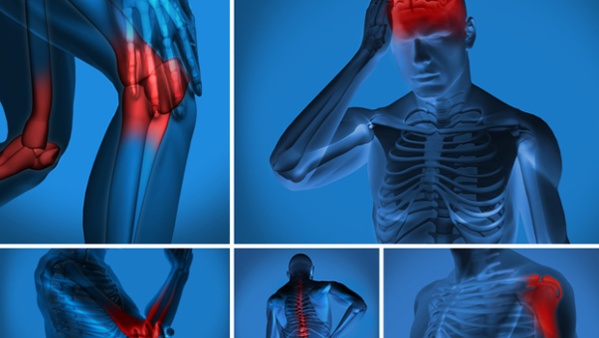
A chemical in the brain typically associated with cognition, movement and reward-motivation behavior — among others — may also play a role in promoting chronic pain, according to new research. The chemical, dopamine, sets the stage for many important brain functions, but the mechanisms that cause it to contribute to chronic pain are less well understood.
Walking an extra two minutes each hour may offset hazards of sitting too long

Eat less, workout more, these are the messages we are being sent almost on a daily basis. But how do we quantify “more” and who really should listen to that advice? Well a new study suggests that engaging in low intensity activities such as standing may not be enough to offset the health hazards of sitting for long periods of time. On the bright side, adding two minutes of walking each hour to your routine just might do the trick.
Mental disorders do not predict violence, so please stop

When Sandy Hook happened, it was so shocking that to this day, some don’t actually believe it happened. Shortly after, something frustrating happened, the shooter was labeled with aspergers. This helped drive the mental health and violence connection to the point that Time came out with an article dispelling that myth. Even now according to new longitudinal study of delinquent youth, most psychiatric disorders – including depression — do not predict future violent behavior. The only exception is substance abuse and dependence.
Diabetes drug found in freshwater potential cause of intersex fish

UWM School of Freshwater Sciences researcher Nicholas Niemuth studies minnows that are being raised in water heavy with pharmaceuticals to measure the drugs’ effects.
A medication commonly taken for Type II diabetes, which is being found in freshwater systems worldwide, has been shown to cause intersex in fish –or male fish that produce eggs. The study determined exposure to the diabetes medicine metformin causes physical changes in male fish exposed to doses similar to the amount in wastewater effluent.
Whooping cough: A small drop in vaccine protection can lead to a case upsurge

In 2012 the USA saw the highest number of pertussis (whooping cough) cases since 1955. New research finds that a likely explanation for this rise in disease is a drop in the degree of vaccine protection for each vaccinated individual. The team worked with 60 years of pertussis disease data to determine what best explained the recent increase in the disease.
Researchers find genetic link between overactive and underactive immune systems
In the largest genetic study to date of a challenging immunodeficiency disorder, scientists have identified a gene that may be a “missing link” between overactive and underactive immune activity. The gene candidate also plays a key role in autoimmune diseases such as type 1 diabetes, rheumatoid arthritis and even allergies.
Type 1 diabetes: On the way to an insulin vaccine
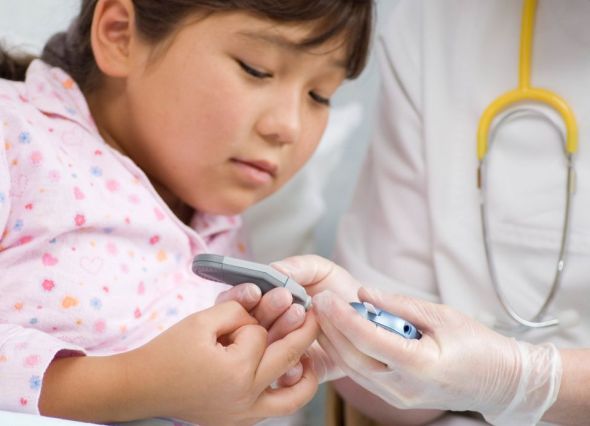
Pseudoscience claims about vaccines are seemingly hitting a fever pitch. Despite that, a new vaccine may be on the horizon for children at risk for diabetes, and that is a good thing. Researchers have found that children at risk for type 1 diabetes, who were given daily doses of oral insulin, developed a protective immune response to the disease that could lay the groundwork for a vaccine against the chronic illness.
Artificial blood vessel lets researchers assess clot removal devices

For the first time, researchers have created an in vitro, live-cell artificial vessel that can be used to study both the application and effects of devices used to extract life-threatening blood clots in the brain. The artificial vessel could have significant implications for future development of endovascular technologies, including reducing the need for animal models to test new devices or approaches.
Could maple syrup help cut use of antibiotics?

Another reason to have those waffles… well maybe. Researchers have found that a concentrated extract of maple syrup makes disease-causing bacteria more susceptible to antibiotics. In an ever increasing antibiotic resistant world, this news is almost as sweet as the syrup (okay no more bad puns). The findings suggest that combining maple syrup extract with common antibiotics could increase the microbes’ susceptibility, leading to lower antibiotic usage.
Brain development suffers from lack of fish oil fatty acids

While being inundated with advertisements directed at moms to be, skeptical parents should question the supposed health benefits of anything being sold. However, while recent reports question whether fish oil supplements support heart health, scientists have found that the fatty acids they contain are vitally important to the developing brain. Meaning there might actually be truth in advertising — this time at least.
Watch out Atkins: Over eating fatty foods can alter your muscle metabolism

More bad news on the obesity front and strangely enough, on the popular diet front too — at least for diets like atkins. New research shows that even short term high-fat diets can change your metabolism. So while you might think that you can get away with eating fatty foods for a few days without it making any significant changes to your body, think again.
The placebome: Where genetics and the placebo effect meet
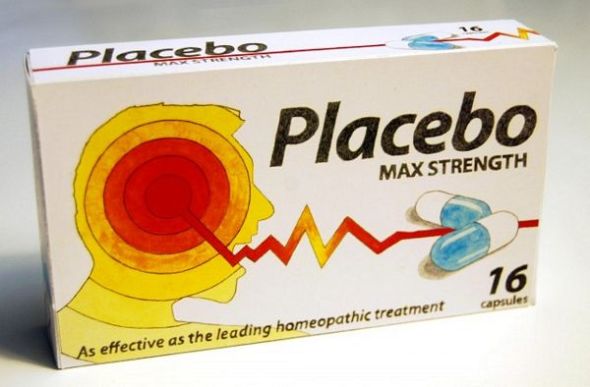
Placebos have helped to ease symptoms of illness for centuries and have been a fundamental component of clinical research to test new drug therapies for more than 70 years. But why some people respond to placebos and others do not remains under debate.
With the advent of genomics, researchers are learning that placebo responses are modified by a person’s genetics, a discovery that raises important new questions regarding the role of the placebo in patient care and in drug development: How many genetic biomarkers exist? Can the medical field harness the placebo response to enhance personalized medical treatment? What might be the impact of placebo-drug interactions? And what will this new information mean for randomized clinical trials, which depend on placebo controls to test the efficacy of new drug candidates? Should a “no-treatment” control be added to future trials?
Enzyme in cosmetic products can cause allergy

Papain is found naturally in papaya and is often referred to as a “plant-based pepsin” in reference to the digestive enzyme pepsin that is present in the stomach. Researchers looked at the effect of papain directly on the skin of mice as well as on skin cells in the petri dish. Skin consists of several layers joined via cellular connections called “tight junctions”. The project team showed that papain induces a breakdown of these cell-cell junctions. On the skin, papain results in a loss of the barrier function.
First human HIV-antibody trials, results are promising
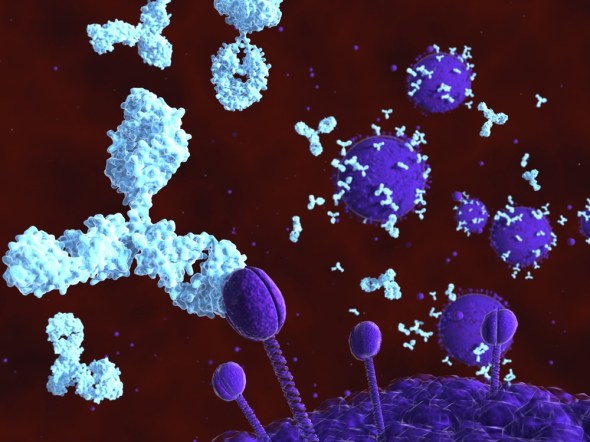
While there is no cure for HIV, a select few known as HIV controllers can literally live with it. Over the years work has been done trying to figure out what makes these individuals so special and it has helped researchers in the fight against HIV. While we are still searching for a vaccine, researchers have now found that a single infusion of an experimental anti-HIV antibody called 3BNC117 resulted in significantly decreased HIV levels that persisted for as long as 28 days in HIV-infected individuals, according to Phase 1 clinical trial findings.
Researchers find protein that triggers lupus-associated immune system activation

Researchers have identified an inflammatory molecule that appears to play an essential role in the autoimmune disorder systemic lupus erythematosus, commonly known simply as lupus. In their report the team describes finding that a protein that regulates certain cells in the innate immune system – the body’s first line of defense against infection – activates a molecular pathway known to be associated with lupus and that the protein’s activity is required for the development of lupus symptoms in a mouse model of the disease.
Smoking, bad for you, good for MRSA
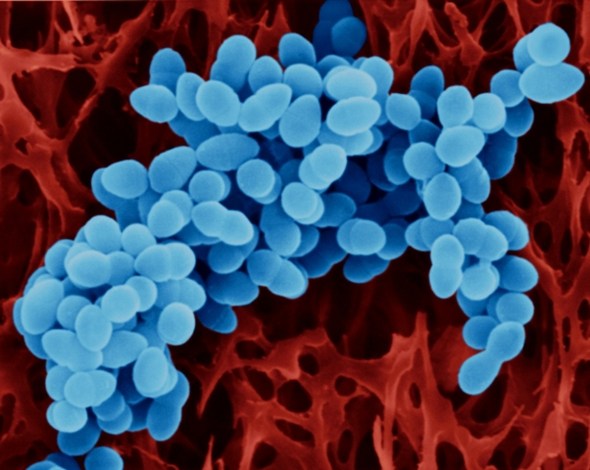
Methicillin-resistant Staphylococcus aureus (MRSA), an antibiotic-resistant superbug, can cause life-threatening skin, bloodstream and surgical site infections or pneumonia. It has been a tough battle finding ways to fight it and research now shows, cigarette smoke may make matters worse. The study shows that MRSA bacteria exposed to cigarette smoke become even more resistant to killing by the immune system.
New therapy halts artery plaque growth and suppresses inflammation
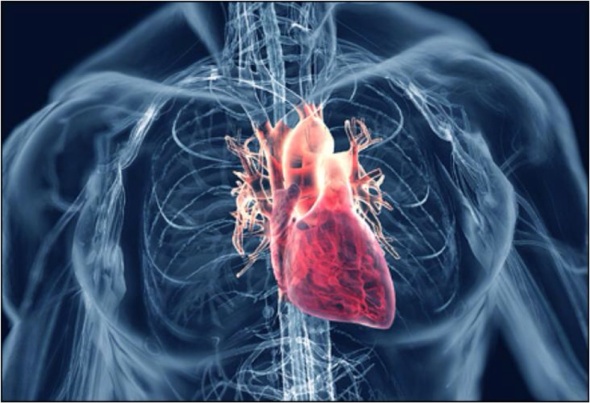
According to the CDC, 1 in 4 deaths are due to heart attacks. In fact it is the leading cause of death for both men and women. Largely attributed to diet, most medications solely aim at lowering cholesterol. However, a research team showed that a nanotherapeutic medicine can halt the growth of artery plaque cells resulting in the fast reduction of the inflammation that may cause a heart attack, offering a new way to treat people at risk for heart disease.
Beta secretase inhibitors offer treatment for Alzheimer’s disease

With each new amyloid-targeting treatment for Alzheimer’s disease that has been developed, there has been a corresponding concern. For example, antibodies targeting amyloid-β peptide (Aβ) produce inflammation in the brain in some patients. Gamma secretase inhibitors tend to produce adverse effects by interacting with Notch, an important pathway for cellular signaling. However, a new target for alzheimer’s is offering some new hope.
An apple a day may keep the children away: Pesticides and sperm count

Ever hear that old saying an apple a day keeps the Doctor away? Well it might have the right idea, just the wrong person. New research investigating the relationship between eating fruit and vegetables containing pesticide residues and the quality of men’s semen has shown a link with lower sperm counts and percentages of normally-formed sperm. So for people wanting children it may be time to rethink that produce.
UK Researchers find parental perception of child’s weight is skewed

Childhood obesity affects more than double the amount of children it did 30 years ago, according to the Centers for Disease Control and Prevention(CDC). To figure out why the rate is increasing researchers studied the relationship between parents and their obese children to determine how to improve pediatric health. The study actually reveals how poorly parents rate their own child’s weight issues — at least until they reach extreme levels of obesity.
Immunotherapy, a promising new treatment of Alzheimer’s disease

Alzheimer’s disease, it slowly takes things away from the person without giving anything back. Right now there is no cure and at best we can slow the progression in some cases. Time is always a factor and no two cases are the same. However, new treatments are in the works and a new study has revealed that a single dose of an immunotherapy reverses memory problems in an animal model of Alzheimer’s disease.
Cracking the blood-brain barrier with magnetic nanoparticles
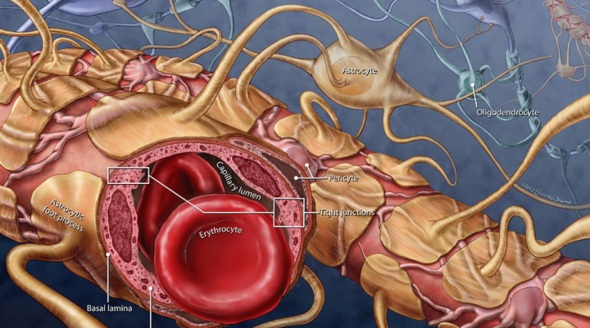
The blood-brain barrier, the thorn in the side of medicine. It makes using drugs directed for the brain ineffective at best and unusable at worst. This barrier runs inside almost all vessels in the brain and protects it from elements circulating in the blood that may be toxic to the brain. This barrier means that currently 98% of therapeutic molecules are also unable to cross to the brain. However, researchers now say magnetic nanoparticles can open the blood-brain barrier and deliver molecules directly to the brain.
Milk, not just for your bones, for your brain

Milk, depending on who you ask it’s either great or the devil. In the US drinking milk is common; not so much in other parts of the world. This has lead to questions about why we even drink milk and how real its reported health claims actually are. Well new research has found a correlation between milk consumption and the levels of a naturally-occurring antioxidant called glutathione in the brain in older, healthy adults.
Special microbes make anti-obesity molecule in the gut
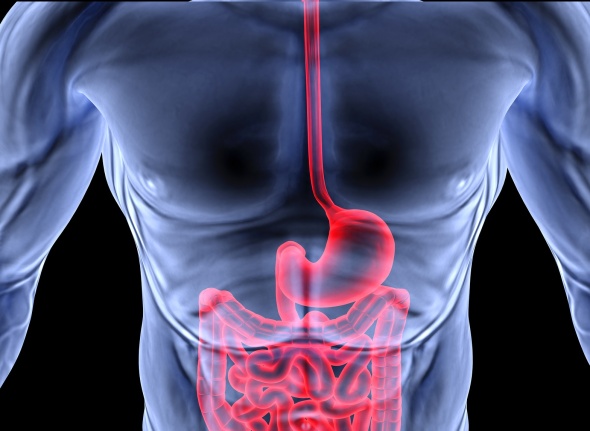
You’ve probably heard of all sorts of diets, paleo, low-fat, low-carb, atkins, but now microbes may just be the next diet craze. Researchers have programmed bacteria to generate a molecule that, through normal metabolism, becomes a hunger-suppressing lipid (fat). Mice that drank water laced with the programmed bacteria ate less, had lower body fat and staved off diabetes — even when fed a high-fat diet — offering a potential weight-loss strategy for humans.
The impact of military deployment on children

Being a military family is hard, it’s hard for the person serving (obviously) and if divorce rates are any indication, it is also hard on the spouse. While the added stress of deployment on a family cannot adequately be explained, even as someone who has seen it first hand, those stresses affect even the littlest members of the family. A new study reports that following military parents’ return from combat deployment, their children show increased visits for mental healthcare, physical injury, and child maltreatment consults, compared to children whose parents have not been deployed.
Is diet soda making you fat?

The diet soda controversy is still raging on, study after study has been coming in saying that it helps weight loss, it hurts weight loss, and frankly it can all be a little confusing. Well this probably won’t help matters any, a new study shows that increasing diet soda intake is directly linked to greater abdominal obesity in adults 65 years of age and older. These findings raise concerns about the safety of chronic diet soda consumption, which may increase belly fat and contribute to greater risk of metabolic syndrome and cardiovascular diseases.
Folic acid supplementation cuts stroke risk in adults with high blood pressure
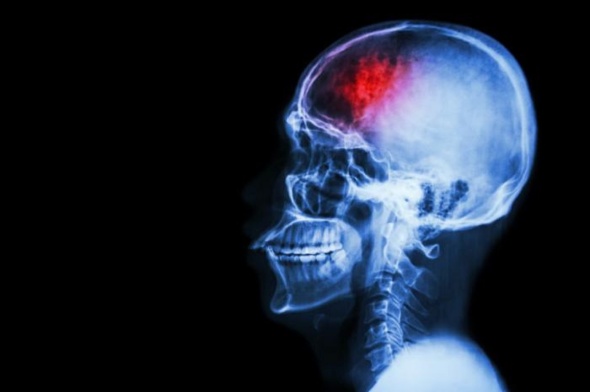
When we think hypertension (high blood pressure) you might not think stroke risk. However, high blood pressure can damage arteries, which often leads to an increased risk for a stroke. But if you suffer from hypertension, you might not need an expensive drug to lower your risk. A new study that included more than 20,000 adults in China with high blood pressure but without a history of stroke or heart attack, the combined use of the hypertension medication enalapril and folic acid, compared with enalapril alone, significantly reduced the risk of first stroke.
Antibody therapy offers possible cure for psoriasis

Sure it’s not sexy, you probably won’t be asked for donations towards a cure, or to run/walk/dive for awareness, and it probably won’t kill you. Psoriasis is an autoimmune disease, but chances are you are not familiar with it. It causes red, scale-like patches, sometimes covering a majority of the body. It’s itchy, painful, and embarrassing (to put it nicely). I know first hand as I suffer from it albeit mildly. I say mildly since I am lucky the patches are fairly small, but not so lucky for me they pop up on my face, often. However, new research is offering hope for anyone suffering from psoriasis and possibly a cure.
Depressed parents cause anxiety and bad behavior in toddlers

Credit for this all too true look at parenting goes to the one and only The Oatmeal, you can find more minor differences here.
Being a new parent can be stressful, new mothers can suffer from postpartum depression and even new fathers can find the changes stressful enough to cause depression. Unfortunately– and if that wasn’t bad enough– a new study shows that a father’s depression during the first years of parenting – as well as a mother’s – can put their toddler at risk of developing troubling behaviors such as hitting, lying, anxiety and sadness during a critical time of development.
Study shows modest reductions in ER visits from the ACA implementation

It’s future might still be in the air to those of us not on the supreme court, but two patient groups created by the Affordable Care Act (or ACA, also known as “Obama care”) – Medicare patients enrolled in federally designated patient-centered medical homes and people under age 26 who are allowed to remain on their parents’ health insurance – had slightly fewer emergency department visits than they had before health care reform. However, there was no change in the rate of the most expensive types of emergency visits: those that lead to hospitalization.
Part of the diabetes puzzle solved… with breast milk

There is a long-standing puzzle in the diabetes field, only a small subset of insulin-producing beta cells in the pancreas of adult organisms can replicate (and hence contribute to beta cell regeneration in diabetes). Furthermore, this subset of replicating cells continues to decline with advancing age. This means that the typical risk for diabetes gets higher as you age, well now researchers have discovered an important piece of the puzzle.
New approach to herpes vaccine succeeds where others failed

Herpes simplex virus infections are an enormous global health problem and there is currently no viable vaccine. For nearly three decades, immunologists’ efforts to develop a herpes vaccine have centered on exploiting a single protein found on the virus’s outer surface that is known to elicit robust production of antibodies. Breaking from this approach, Howard Hughes Medical Institute (HHMI) scientists at Albert Einstein College of Medicine have created a genetic mutant lacking that protein. The result is a powerfully effective vaccine against herpes viruses.
Early life stress may result in a serotonin deficiency

If you have experienced — or are experiencing — mood disorders like anxiety or depression, you know about SSRI’s and chances are they didn’t do much for you. In fact studies indicate that the majority of people with mood and anxiety disorders who receive Selective Serotonin Reuptake Inhibitors (SSRI’s) are not helped by these medications. Sadly, they are the most commonly prescribed class of antidepressant medications, this is because SSRIs are designed to increase serotonin levels, a neurotransmitter in the brain that is key to maintenance of mood.
The food additive that may be promoting obesity and metabolic syndrome
 People say to avoid processed foods, while I don’t agree with that fully, a new study suggests that a common food additive may be causing problems. Emulsifiers, which are added to most processed foods to aid texture and extend shelf life, can alter the gut microbiota composition and localization to induce intestinal inflammation that promotes the development of inflammatory bowel disease and metabolic syndrome.
Mental illness and ultradian rhythms

In the relatively new 24 hour, always on the go, digital lifestyle we live — might living a structured life with regularly established mealtimes and early bedtimes lead to a better life and perhaps even prevent the onset of mental illness? Well according to a new study, it might do just that, you could have a better quality of life just by being a little more structured thanks to our circadian rhythm.


 Lunatic Laboratories