
Zika virus directly infects brain cells and evades immune system detection
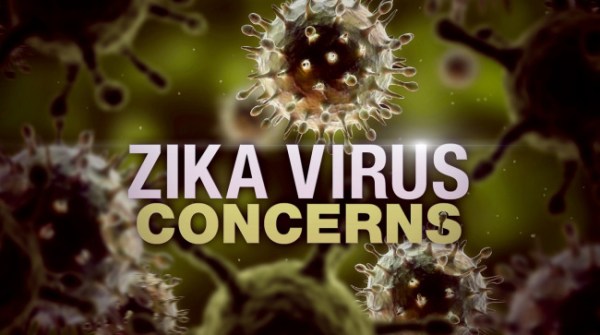
The mosquito-borne Zika virus linked to microcephaly and other neurological problems in newborns of affected mothers directly infects the brain progenitor cells destined to become neurons. The team of researchers used a strain of Zika currently impacting the Americas, and found that the virus infects about 20 percent of cells on average, evades immune system detection, and continues to replicate for weeks.
New muscular dystrophy drug target identified
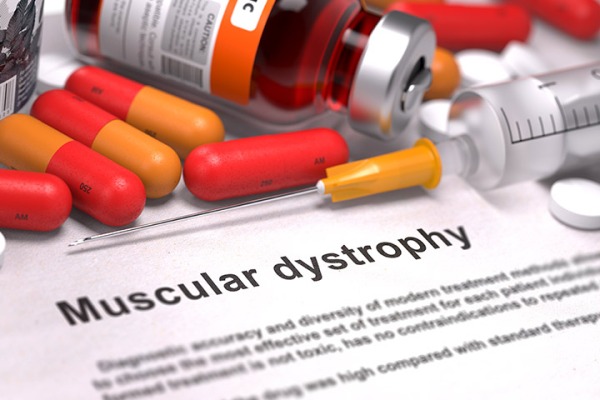
Scientists have discovered that muscle cells affected by muscular dystrophy contain high levels of an enzyme that impairs muscle repair. This finding provides a new target for potential drug treatments for the disease, which currently has no cure. Muscular dystrophy (MD) is an inherited genetic condition that gradually causes a weakening of muscles.
Google searches for ‘chickenpox’ reveal big impact of vaccinations


Countries that implement government-mandated vaccinations for chickenpox see a sharp drop in the number of Google searches for the common childhood disease afterward, demonstrating that immunization significantly reduces seasonal outbreaks. That’s one of the findings from a new study that analyzed thousands of Google searches for “chickenpox.”
Schizophrenia: The brain has the ability to rescue itself


A team of scientists have shown that the brains of patients with schizophrenia have the capacity to reorganize and fight the illness. This is the first time that imaging data has been used to show that our brains may have the ability to reverse the effects of schizophrenia.
How the brain makes — and breaks — a habit

Not all habits are bad. Some are even necessary. It’s a good thing, for example, that we can find our way home on “autopilot” or wash our hands without having to ponder every step. But inability to switch from acting habitually to acting in a deliberate way can underlie addiction and obsessive compulsive disorders.
You are what you eat: Immune cells remember their first meal

Scientists have identified the trigger for immune cells’ inflammatory response — a discovery that may pave the way for new treatments for many human diseases. Immune cells play essential roles in the maintenance and repair of our bodies. When we injure ourselves, immune cells mount a rapid inflammatory response to protect us against infection and help heal the damaged tissue.
Converting cells to burn fat, not store it


Researchers have uncovered a new molecular pathway for stimulating the body to burn fat — a discovery that could help fight obesity and cardiovascular disease.By focusing on a protein known as folliculin, and knocking out the gene that produces it in fat cells, the researchers triggered a series of biomolecular signals that switched the cells from storing fat to burning it.
Brain cells that aid appetite control identified


It’s rare for scientists to get what they describe as “clean” results without spending a lot of time repeating the same experiment over and over again. But when researchers saw the mice they were working with doubling their weight within a month or two, they knew they were on to something.
Could flies help us understand brain injuries?
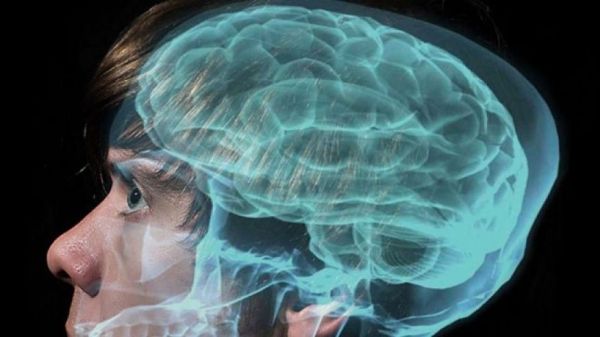
Each year, an estimated 1.7 million people in the United States sustain traumatic brain injuries (TBIs), according to the U.S. Centers for Disease Control and Prevention. These injuries occur most frequently from falling, but can also result from military combat, car accidents, contact sports or domestic abuse. Recently, physicians and researchers have become increasingly concerned that even mild cases of repetitive brain trauma could have long-term, unanticipated consequences.
Research shows body image linked to overall life satisfaction


We’re constantly bombarded by advertisements telling us we are too fat, too thin, not curvy enough, not flat enough — or more often than not — simply not enough. It shouldn’t be a surprise to see that effect our day to day life, like it or not — and it has. Researchers have just published results from a national study on the factors linked to satisfaction with appearance and weight.
Epigenetic study of lactose intolerance may shed light on the origin of mental illness


A new study on the epigenetics of lactose intolerance may provide an approach to understanding schizophrenia and other complex, serious illnesses. While that may seem odd, both lactose intolerance and schizophrenia are inherited. In addition, neither condition emerges in the first years of life, but rather both appear years or even decades later.
Antibody therapy opens door to potential new treatment for HIV
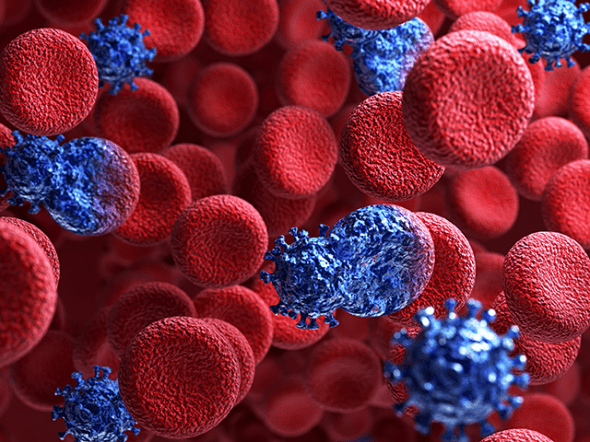
The development of antiretroviral therapy, a combination of drugs that slows the replication of HIV in the body, has transformed the treatment of this infection. What was once a certain death sentence is now a chronic condition that people can live with for decades. But this therapy has drawbacks. There are side effects, including kidney problems, decreased bone density, and gastrointestinal problems. And if a person discontinues his or her treatment, even missing a few doses, the level of the virus in the body is able to rebound quickly.
Origin of synaptic pruning process linked to learning, autism and schizophrenia identified

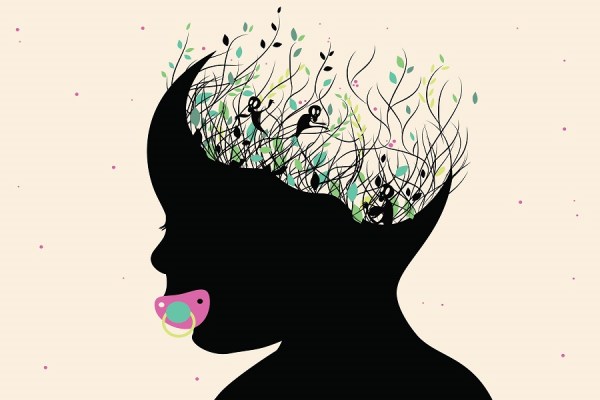
Vaccines don’t cause autism, but because the brain is so complex, we still don’t know how much of it works so figuring out the real causes (as in more than one) of autism has been slow going. Well, researchers have identified a brain receptor that appears to initiate adolescent synaptic pruning, a process believed necessary for learning, but in this case it is one that appears to go awry in both autism and schizophrenia.
Salts in the brain control our sleep-wake cycle
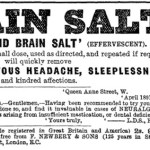
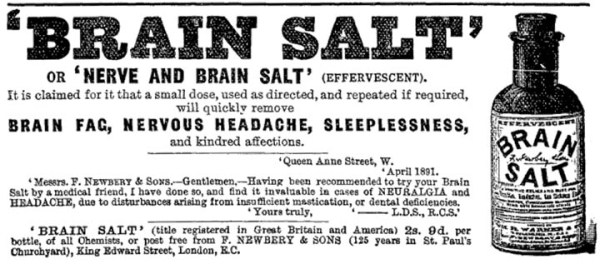
Insomnia, fun fact those of us who have served or are serving in the military have a much higher incidence of sleep problems. So if you are like me and have ever been prescribed something to help you sleep, you know that there are some unwanted side effects. For instance the time I lost memory of a whole day of interacting with people to the ambien I had taken the night before, not fun. Thankfully Danish researchers found that the level of salts in the brain plays a critical role in whether we are asleep or awake.
Addiction, it’s in your genes… maybe

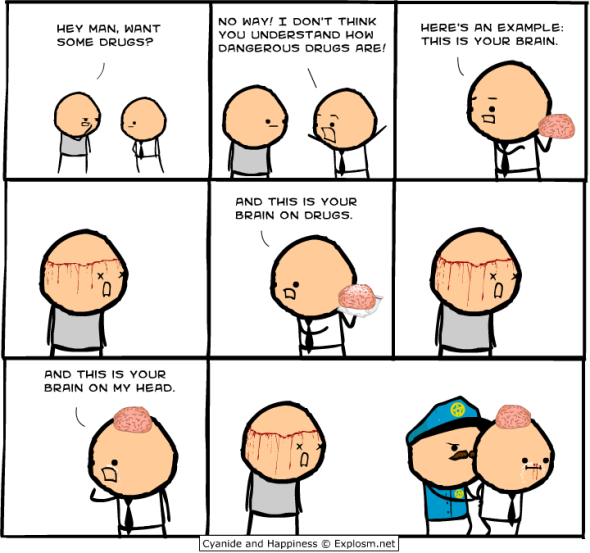
Image credit goes to: Cyanide and Happiness
Why does one person who tries cocaine get addicted, while another might use it and then leave it alone? Why do some people who kick a drug habit manage to stay clean, while others relapse? And why do some families seem more prone to addiction than others? According to a new study, the road to answering these questions may have a lot to do with specific genetic factors that vary from individual to individual.
Finding sleep’s sweet spot


Image credit goes to: University of Delaware
No one is telling you what time to go to bed with this, but researchers are making a strong case that the duration and timing of your sleep are closely associated with whether your behavior is heart-healthy. Night owls should take special note of a new study that found the early-to-bed, early-to-rise approach aligns much better with cardiovascular health.
Sleep loss detrimental to blood vessels


We all know lack of sleep is bad for the brain, but lack of sleep has even been found to impact the activation of the immune system, inflammation, carbohydrate metabolism and the hormones that regulate appetite. Worse still, researchers in a new study have found that sleep loss also influences cholesterol metabolism.
Bad news, fructose alters hundreds of brain genes


Got a sweet tooth? Maybe you even have some sugary goodness with you right now… as you are reading this. Well you may want to put that down.We know a range of diseases — from diabetes to cardiovascular disease, and from Alzheimer’s disease to attention deficit hyperactivity disorder — are linked to changes to genes in the brain. Unfortunately for those who love their pop tarts, a new study has found that hundreds of those genes can be damaged by fructose, a sugar that’s common in the Western diet, in a way that could lead to those diseases.
Transfer of gut bacteria affects brain function and nerve fiber insulation

Quick hide, shut your windows and lock your doors, are you alone? No, you aren’t that’s the problem and what’s worse, you are being controlled. This isn’t a plot for the latest thriller, this is the findings of a new study and adds to growing number of studies showing that our bacteria is more of us than we realize. In fact, the study found that specific combinations of gut bacteria produce substances that affect myelin content and cause social avoidance behaviors in mice.
Neural stem cell transplants aid traumatic brain injury recovery


No one knows Traumatic brain injuries (TBI) quite like veterans. Unfortunately, it is a major cause of mortality and morbidity, often causing lifelong disability for those who survive. There is simply no treatment, jut care, but a new study might change that. Stem cell therapy has recently been receiving attention as a way to promote recovery for injuries to the central nervous system (CNS) which opens the door for treatment of a TBI.
A newly discovered way for cells to die
Some cells are meant to live, and some are meant to die. For example, the linker cell of C. Elegans, a favored model organism for biologists, is among those destined for termination. This cell helps determine the shape of the gonad in male worms–and then it dies, after two days, just as the worms are transitioning from larvae into adults. This programmed cell death is a normal part of the animal’s development, yet the genetic and molecular mechanisms underpinning it have not been worked out.
Celiac disease: ‘Junk’ DNA not quite junk


Despite the fad to go ‘gluten free,’ the only people who actually suffer from consumption of gluten are those with coeliac disease — so if you don’t have the disease and like to limit yourself to gluten-free foods, you are missing out, and no gluten intolerance is not a real thing. The problem comes from the immune system and is manifested as intolerance to gluten — tasty proteins present in wheat, rye, and barley that help give baked goods their fluff. The intolerance leads to an inflammatory reaction in the small intestine that hampers the absorption of nutrients.
Manufacturing human tissue from textiles
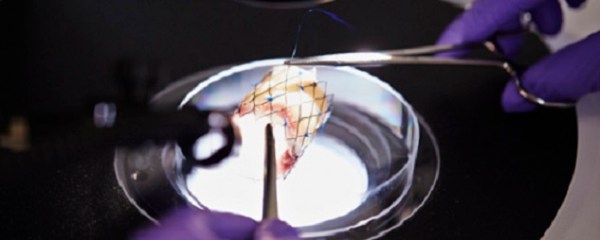
Until we can figure out our lack of regenerating our bodies, or can convince more people to donate organs, we are at mercy of either luck or technology. Bio 3-D printing offers hope that we can print personalized organs as need and rejection free. But the technology relies almost solely with tissue engineers, there job is to find processes using novel bio-materials seeded with stem cells to grow and replace missing tissues.
Uncovering the genetic elements that drive regeneration


It’s still growing, but it’s already bigger than Trumps….
Lose a hand or a leg? It will grow back… oh wait, it won’t, but why not? Trace our evolution — long before the shedding of gills or the development of opposable thumbs — and you will likely find a common ancestor with the amazing ability to regenerate lost body parts. There is theoretically no reason why we shouldn’t be able to regenerate, not quite like in the movie Deadpool, but come on, would you really complain at that point?
Your brain has an altered response to desirable foods


Hungry? Well, let’s face it, that pizza looks much better than the salad. Don’t deny it salad lovers, we all know behind closed doors you look at plenty of food porn to satiate your desires. Understanding the motivations that drive us to eat is important when we talk about weight loss and how we attempt to structure diets. Now a new study shows that for overweight individuals, the brain responses differently to desirable foods., but hold that thought, because there is hope.
Early detection of dementia in Parkinson’s disease might be key to treatment


If Parkinson’s disease wasn’t bad enough for families to have to learn to deal with, about 80% of patients also develop dementia. That’s the problem with the brain; while it has the amazing ability to adapt to just about anything, it can’t fix everything. There are no particularly good solutions to Parkinson’s or dementia, however, early detection of dementia is key to keeping it at bay and a new study may have a way to do just that.
Born to run? Love of exercise may start in the womb


If you see me on the street and I am running, there is a good chance you should be running as well, because something dangerous is coming. I don’t run, I hate to run, I loathe running, did I mention I don’t like to run? Maybe it’s all the running I did in the military, or if a new study is correct, it may have to do with my mother. Which is good, because now I can blame someone else for my hatred of running.
Limitless: How long-term memories are erased and how to stop it


Currently, neuroscientists think our brain has about enough storage space to hold the entire internet. That’s a lot of space, about a petabyte in fact — if we are to believe this estimate. So, what did you read in the news this day 5 years ago? Don’t worry, I don’t even remember what I had for breakfast this morning and my long-term memory doesn’t fair much better. However, vital information about how the brain erases long-term memories has been uncovered by researchers.
Carb-loading and your heart, you may want to put the pasta down…
So if you are one of the bodybuilders, powerlifters, marathon runners, or just people who like to binge-eat every now and then — no judgment all you can eat pizza day is a thing I’m told telling myself — there is some bad news. If you like to preload carbs like they are the magic bullet to your workout woes, you may want to rethink it because according to a new study, it can have an acute and detrimental effect on heart function.
Modified maggots could help human wound healing


When most of us think maggots, we probably don’t think anything good, but maybe we should start. In a proof-of-concept study, researchers have shown that genetically engineered green bottle fly (Lucilia sericata) larvae can produce and secrete a human growth factor – a molecule that helps promote cell growth and wound healing.
Study finds vast diversity among bacteriophages
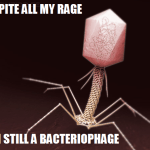
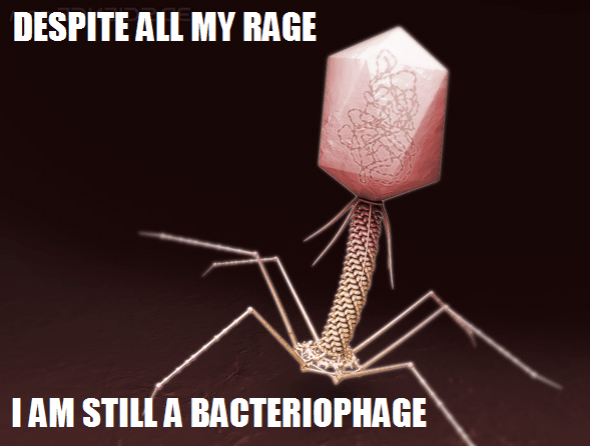
Viruses that infect bacteria are among the most abundant life forms on Earth. Indeed, our oceans, soils and potentially even our bodies would be overrun with bacteria were it not for bacteria-eating viruses, called bacteriophages, that keep the microbial balance of ecological niches in check. Now, a new study suggests that bacteriophages made of RNA — a close chemical cousin of DNA — likely play a much larger role in shaping the bacterial makeup of worldwide habitats than previously recognized.
Road rage and toxoplasmosis: Return of the parasite


It was a clear case of a false alarm, toxoplasmosis, a parasite that infects mice and cats was thought to have an effect on humans. However, after a thorough review of the data it was off the hook, or so we thought. Individuals with a psychiatric disorder involving recurrent bouts of extreme, impulsive anger–road rage, for example–are more than twice as likely to have been exposed to a common parasite than healthy individuals with no psychiatric diagnosis.
Ancient viruses lurk in our DNA
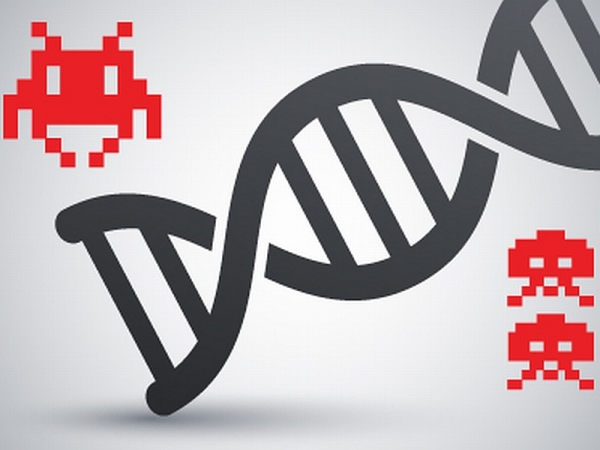
Think your DNA is all human? Think again. And a new discovery suggests it’s even less human than scientists previously thought. Nineteen new pieces of non-human DNA — left by viruses that first infected our ancestors hundreds of thousands of years ago — have just been found, lurking between our own genes.
Using precision medicine to define the genetics of autoimmune disease
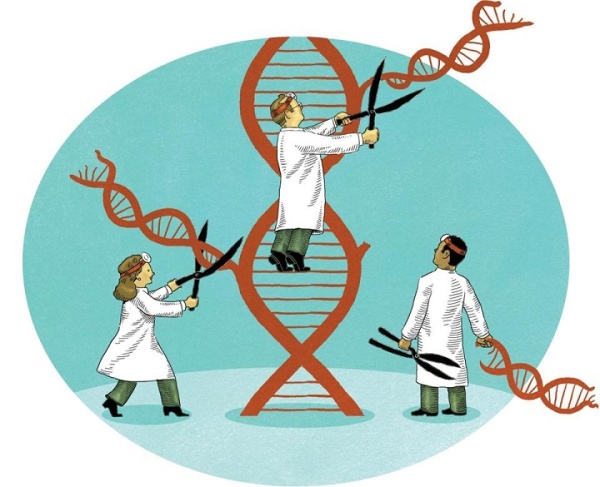
Demonstrating the potential of precision medicine, an international study used next-generation DNA sequencing technology to identify more than 1,000 gene variants that affect susceptibility to systemic lupus erythematosus (SLE). Precision medicine is an emerging field that aims to deliver highly personalized health care by understanding how individual differences in genetics, environment, and lifestyle impact health and disease.
Decrypting a collagen’s role in schizophrenia

What would be worse than having bad joints? How about schizophrenia and bad joints? To be fair that isn’t what is suggested, but they may, in fact, be linked. A small peptide generated from a collagen protein may protect the brain from schizophrenia by promoting the formation of neuronal synapses and study may lead to new approaches to treating the mental disorder.
People with anxiety show fundamental differences in perception

People suffering from anxiety perceive the world in a fundamentally different way than others, according to a new study. The research may help explain why certain people are more prone to anxiety. The study shows that people diagnosed with anxiety are less able to distinguish between a neutral, “safe” stimulus (in this case, the sound of a tone) and one that had earlier been associated with gaining or losing money.
Finding the circuit for experience-informed decision-making


How is the brain able to use past experiences to guide decision-making? A few years ago, researchers discovered in rats that awake mental replay of past experiences is critical for learning and making informed choices. Now, the team has discovered key secrets of the underlying brain circuitry — including a unique system that encodes location during inactive periods.
Alzheimer’s on and now Alzheimer’s off?
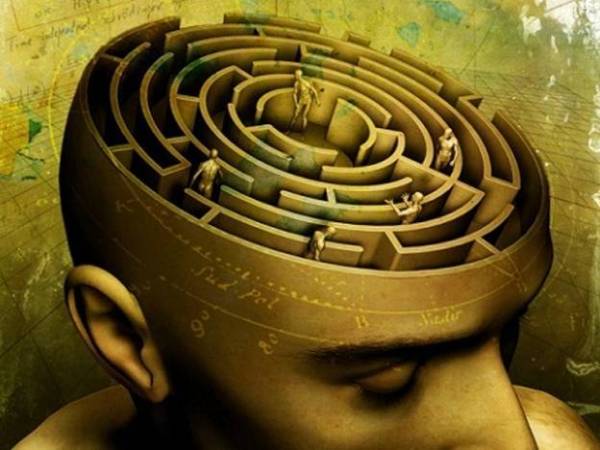
Alzheimer’s disease, is anything more frustrating than seeing someone — who otherwise looks healthy — start to forget who you are? Worse than that, we don’t know exactly what causes Alzheimer’s disease, or how to stop it. Well actually that might be changing. Don’t get too excited, because we’ve had false starts before, but an international group of scientists have succeeded in sorting out the mechanism of Alzheimer’s disease development and possibly distinguished its key trigger.
Want a younger brain? Stay in school — and take the stairs


Taking the stairs is normally associated with keeping your body strong and healthy. But new research shows that it improves your brain’s health too — and that education also has a positive effect. Researchers found that the more flights of stairs a person climbs, and the more years of school a person completes, the “younger” their brain physically appears.
Frankenstein’s E. Coli: How an artificial protein rescues dying cells


It’s alive, ALIVE! No really and it could one day have big implications for you and me. So it is not quite Frankenstein’s monster… yet. However, a new study has revealed how a synthetic protein revives E. coli cells that lack a life-sustaining gene, offering insight into how life can adapt to survive and potentially be reinvented.
Preemies’ gut bacteria reveal vast scope of antibiotic resistance


Yesterday we blogged about the emergent and increasing antibiotic resistance problem, which was good — or bad timing — depending on how you look at it. A new study of gut bacteria in premature infants reveals the vast scope of the problem of antibiotic resistance and gives new insight into the extreme vulnerability of these young patients, according to researchers.
Testing the evolution of resistance by experiment

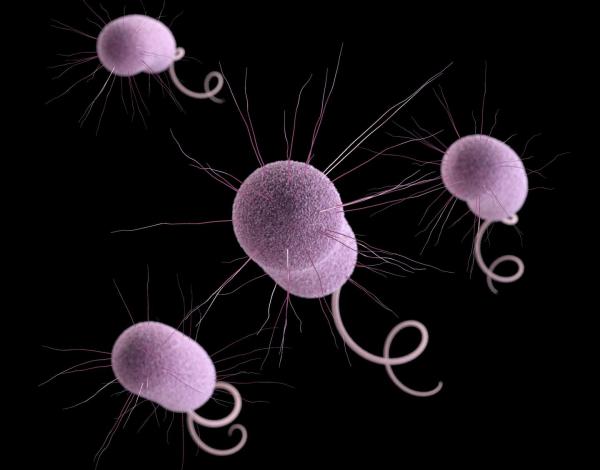
When the first antibiotics became available 70 years ago, they were often described as miracles of human ingenuity, rather like plastics or bright permanent dyes, which were discovered at roughly the same time. Packaged in vials or pills, they seemed like our inventions rather a chance gift of evolution and one that evolution might also rescind.
Brain connectivity reveals your hidden motivations
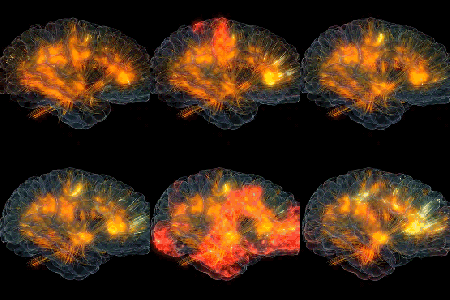
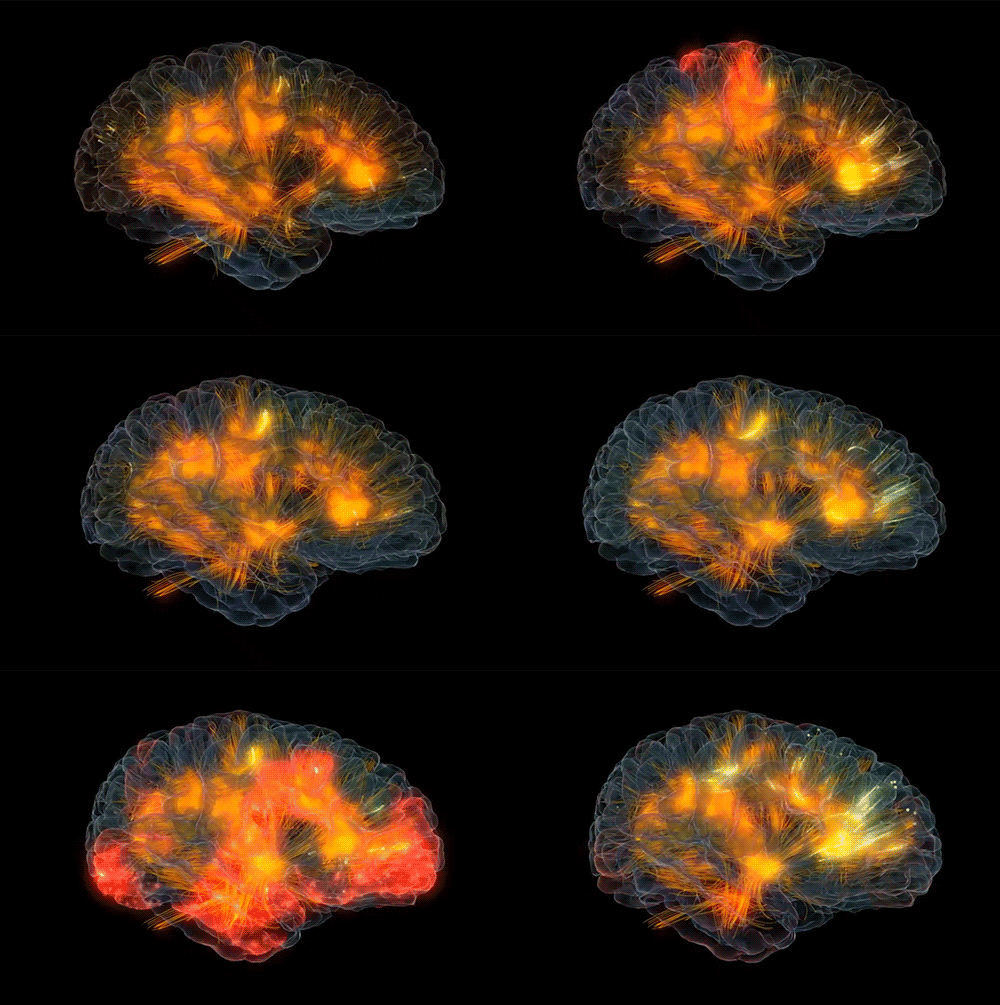
Animation from Glass Brain
To understand human behaviors, it is crucial to understand the motives behind them. So far, there was no direct way to identify motives. Simply observing behavior or eliciting explanations from individuals for their actions will not give reliable results as motives are considered to be private and people can be unwilling to unveil – or even be unaware of – their own motives.
Your brain and the ‘neuronal big bang’
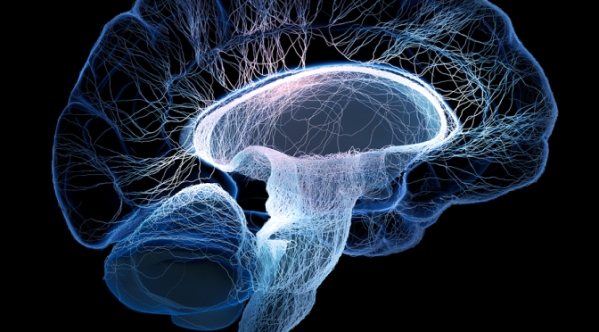
Our brain is home to different types of neurons, each with their own genetic signature that defines their function. These neurons are derived from progenitor cells, which are specialized stem cells that have the ability to divide to give rise to neurons. Neuroscientists have shed light on the mechanisms that allow progenitors to generate neurons.
Some bacterial CRISPRs can snip RNA, too
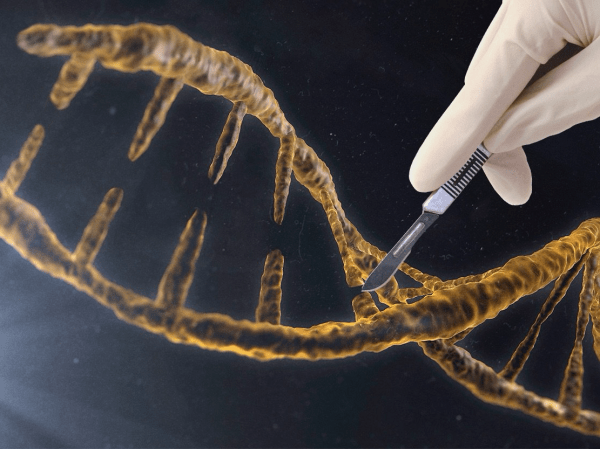
You’ve probably seen news stories about the highly lauded, much-discussed genome editing system CRISPR/Cas9. But did you know the system was actually derived from bacteria, which use it to fight off foreign invaders such as viruses? It allows many bacteria to snip and store segments of DNA from an invading virus, which they can then use to “remember” and destroy DNA from similar invaders if they are encountered again. Recent work from a team of researchers including Carnegie’s Devaki Bhaya demonstrates that some bacteria also use the CRISPR/Cas system to snip and recognize segments of RNA, not just DNA.
New targets for reducing nerve pain identified


There’s no pain like nerve pain. Whether it is because of a chronic illness or related to an injury, it may be obvious, but nerve pain hurts. That may change soon though, as a specific molecule involved in maintaining pain after a nerve injury has been identified and blocked in mice by researchers. These results reveal a promising therapeutic strategy for treating neuropathic pain.
So, our immune cells don’t see some carbon nano invaders…
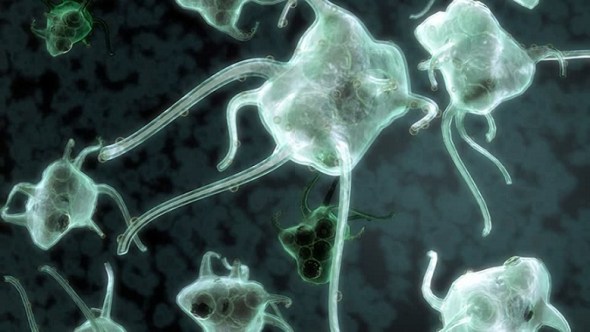
Macrophages gonna macrophage.
Scientists at the University of Michigan have found evidence that some carbon nanomaterials can enter into immune cell membranes, seemingly going undetected by the cell’s built-in mechanisms for engulfing and disposing of foreign material, and then escape through some unidentified pathway.
Scientists discover the way to a new generation of antibiotics

Antibiotic resistance is becoming a common occurrence. Once isolated, more and more we are turning away from the traditional antibiotics to our so called “last line of defense” antibiotics to fight infections. Sadly, in a growing number of cases these antibiotics are having less of an effect. However, new research reveals the mechanism by which drug-resistant bacterial cells maintain a defensive barrier.
Some aging treatments shown to have opposite effects on males and females


What helps her live longer might be harmful to him, according to a new study that may shed light on how and why organisms age. Analyzing years of previous research on dietary and pharmaceutical tests on flies and mice, researchers showed that aging interventions can have opposite effects on mortality rates in males versus females.
Does rape alter the female brain?

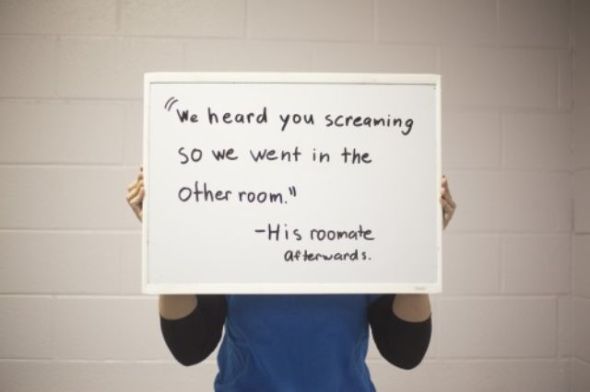
Maybe we should shame rapists instead of victims?
Image credit goes to: Project Unbreakable
Sexual assault, personally, I hate the phrase. It sounds much more tame than rape and I think we should call it like it is, rape. Sure that might make a person’s skin crawl just slightly — and that is frankly the point. Rape is ugly, it’s evil, it leaves an indelible mark on a person and unfortunately a new study shows that it may be worse. Researchers have discovered that prepubescent female rodents paired with sexually experienced males had elevated levels of stress hormones, could not learn as well, and expressed reduced maternal behaviors needed to care for offspring.


 Lunatic Laboratories