
The fingerprint drug test
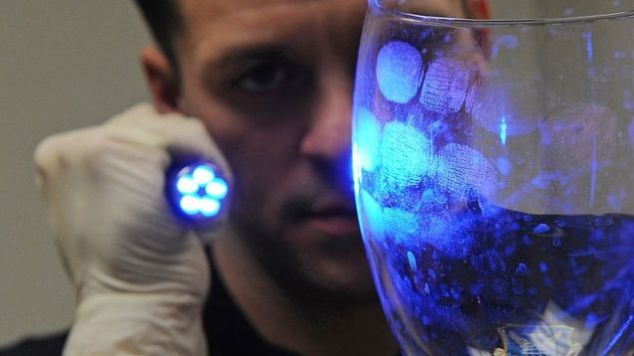
Researchers have demonstrated a new, noninvasive test that can detect cocaine use through a simple fingerprint. For the first time, this new fingerprint method can determine whether cocaine has been ingested, rather than just touched.
Educating the immune system: A vaccine for allergies

With the arrival of spring, millions of people have begun their annual ritual of sneezing and wheezing due to seasonal allergies. However, a Canadian research team is bringing them hope with a potential vaccine that nudges the immune response away from developing allergies. The findings have major clinical implications since allergies and asthma are lifelong conditions that often start in childhood and for which there is presently no cure.
Can drinking alcohol harm the child before the mother knows she is pregnant?

Photo credit goes to: Cute moments photography
These days pregnant “moms to be” have lots of things to worry about, from second hand smoke to the chemicals in their make-up. Well they can unfortunately add one more thing to that list, a new study finds that alcohol drunk by a mouse in early pregnancy changes the way genes function in the brains of the offspring. The early exposure was also later apparent in the brain structure of the adult offspring. The timing of the exposure corresponds to the human gestational weeks 3-6 in terms of fetal development.
Rethinking the rebound: The unexpected effects of rejection

Image credit goes to: Cyanide and happiness … I think?
It’s portrayed in movies again and again – a character gets rejected by someone attractive and then falls willingly into the arms of someone perhaps less attractive. According to a new study, it’s not so simple: Rejection by an attractive man actually led women to socially distance themselves from an unattractive man, even when he offered acceptance.
GMO beef with the heart benefits of fish, why not?

Sometimes you just want beef, but beef is high in omega-6 fatty acids and low in the omega-3 type. Conversely, different types of fish are high in omega-3, but we all know they don’t compare to that tasty burger flavor. So what’s a beef lover to do, well if you’re in China you might have some options! Chinese scientists have reared beef rich in the beneficial fatty acids associated with fish oils.
Research shows more sex does not mean more happiness

Countless research and self-help books claim that having more sex will lead to increased happiness, based on the common finding that those having more sex are also happier. However, there are many reasons why one might observe this positive relationship between sex and happiness. Being happy in the first place, for example, might lead someone to have more sex (what researchers call ‘reverse causality’), or being healthy might result in being both happier and having more sex.
(More) bad news for Vets: PTSD linked to accelerated aging

Vietnam Vet: A Hero’s Welcome
Image credit goes to: Mike Cherim via Getty Images
Before PTSD had a name there was shellshock. It was mysterious and much like today, not everyone showed symptoms so — for the most part — it was written off. In recent years however, public health concerns about post-traumatic stress disorder (PTSD) have risen significantly, driven in part by affected military veterans returning home. While this has opened the door for better care for people suffering from PTSD, it has also lead to some startling revelations about the extent of damage. New research that was just released, sad to say, doesn’t bode well for people with PTSD either.
Nanoparticles in products can significantly alter normal gut microbiome

Nanoparticles, it’s the new buzzword that cosmetics and even consumer “anti-aging” products use to promote their brand. As the word suggests, nanoparticles are small and it shouldn’t be too surprising that these nanoparticles are causing problems in nature because of their prevalence. In that light, it might not be a surprise that there could also be some serious health issues associated with these nanoparticles.
Researchers find new clues in treating chronic pain
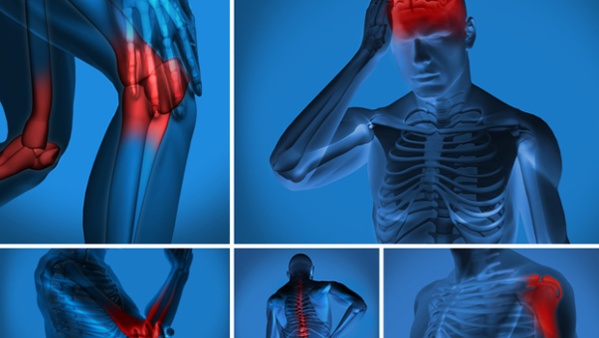
A chemical in the brain typically associated with cognition, movement and reward-motivation behavior — among others — may also play a role in promoting chronic pain, according to new research. The chemical, dopamine, sets the stage for many important brain functions, but the mechanisms that cause it to contribute to chronic pain are less well understood.
Mind reading: Researchers observe moment a mind is changed

Researchers studying how the brain makes decisions have, for the first time, recorded the moment-by-moment fluctuations in brain signals that occur when a monkey making free choices has a change of mind. The findings result from experiments led by electrical engineering Professor Krishna Shenoy, whose Stanford lab focuses on movement control and neural prostheses – such as artificial arms – controlled by the user’s brain.
Fracked, shale-drilling additives in drinking-water taps near leak

Shale oil has helped the US see lower gas prices and even an opportunity to start exporting. However, it isn’t as great as it might sound, hydraulic fracturing — also known as fracking — has been scrutinized by environmentalists since it’s inception. As it turns out, for good reason, substances commonly used for drilling or extracting Marcellus shale gas foamed from the drinking water taps of three Pennsylvania homes near a reported well-pad leak, according to new analysis from a team of scientists.
Procrastinate much? Science offers a way to stop

See more comics at explosm.net
Procrastination is the thief of time that derails New Year’s resolutions and delays saving for college or retirement, but researchers have found a way to collar it.
The trick? Think of the future as now.
Walking an extra two minutes each hour may offset hazards of sitting too long

Eat less, workout more, these are the messages we are being sent almost on a daily basis. But how do we quantify “more” and who really should listen to that advice? Well a new study suggests that engaging in low intensity activities such as standing may not be enough to offset the health hazards of sitting for long periods of time. On the bright side, adding two minutes of walking each hour to your routine just might do the trick.
US clinics avoiding government oversight of ‘stem cell’ treatments
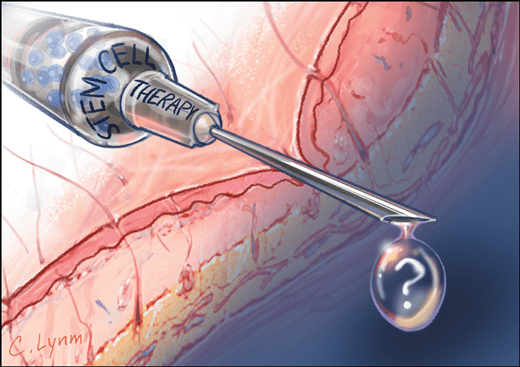
Clinics across the United States are advertising stem cell treatments that attempt to take advantage of what they perceive as exceptions in FDA regulations.The therapies in question are adipose-derived autologous stem cell treatments, in which fat cells are removed from a patient, broken down to separate components that purportedly contain stem cells, and are then reinjected into the same patient.
Pesticides alter bees’ brains, making them unable to live and reproduce adequately
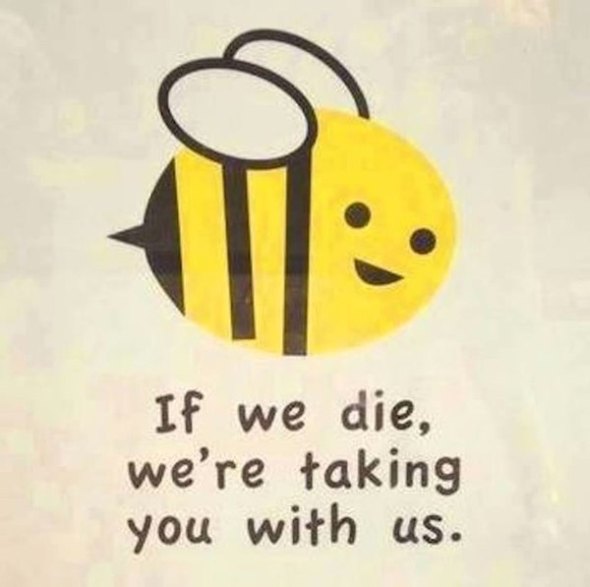
Die hard, the bee version.
A new report suggests that a particular class of pesticides called “neonicotinoids” wreaks havoc on the bee populations, ultimately putting some crops that rely on pollination in jeopardy. Specifically, these pesticides kill bee brain cells, rendering them unable to learn, gather food and reproduce. The report, however, also suggests that the effects of these pesticides on bee colonies may be reversible by decreasing or eliminating the use of these pesticides on plants pollinated by bees and increasing the availability of “bee-friendly” plants available to the insects.
Psychologists share the three secrets to healthier eating
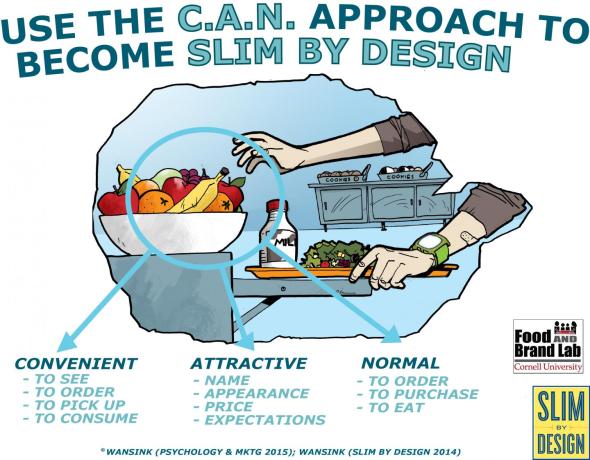
You don’t need a crazy diet to lose weight. In fact, your typical fad diet won’t help you keep weight off long term and could be harming your health. If you want to know the secrets of healthier eating, think of the kitchen fruit bowl. A fruit bowl makes fruit more convenient, attractive, and normal to eat than if the same fruit were in the bottom of the refrigerator.
The adolescent brain on alcohol: Changes last into adulthood

Repeated alcohol exposure during adolescence results in long-lasting changes in the region of the brain that controls learning and memory, according to a research team at Duke Medicine that used a rodent model as a surrogate for humans. The study provides new insights at the cellular level for how alcohol exposure during adolescence, before the brain is fully developed, can result in cellular and synaptic abnormalities that have enduring, detrimental effects on behavior.
Google searches for ‘n-word’ associated with black mortality

Google searches could unveil patterns in Black mortality rates across the US, according to a new study. Researchers found that those areas with greater levels of racism, as indexed by the proportion of Google searches containing the “n-word,” had higher mortality rates among Blacks. The study is the first to examine an Internet query-based measure of racism in relation to mortality risk.
Fatal attraction: the intuitive appeal of GMO opposition

A team of Belgian philosophers and plant biotechnologists have turned to cognitive science to explain why opposition to genetically modified organisms (GMOs) has become so widespread, despite positive contributions GM crops have made to sustainable agriculture. They argue that the human mind is highly susceptible to the negative and often emotional representations put out by certain environmental groups and other opponents of GMOs. The researchers urge the general public to form opinions on GMOs on a case-by-case basis, thereby not focusing on the technology but on the resulting product.
Mental disorders do not predict violence, so please stop

When Sandy Hook happened, it was so shocking that to this day, some don’t actually believe it happened. Shortly after, something frustrating happened, the shooter was labeled with aspergers. This helped drive the mental health and violence connection to the point that Time came out with an article dispelling that myth. Even now according to new longitudinal study of delinquent youth, most psychiatric disorders – including depression — do not predict future violent behavior. The only exception is substance abuse and dependence.
Diabetes drug found in freshwater potential cause of intersex fish

UWM School of Freshwater Sciences researcher Nicholas Niemuth studies minnows that are being raised in water heavy with pharmaceuticals to measure the drugs’ effects.
A medication commonly taken for Type II diabetes, which is being found in freshwater systems worldwide, has been shown to cause intersex in fish –or male fish that produce eggs. The study determined exposure to the diabetes medicine metformin causes physical changes in male fish exposed to doses similar to the amount in wastewater effluent.
Scientists create worlds first genetically modified human embryos

A funny thing happened on the way to the publisher. In a world first, China has successfully created genetically modified human embryos. It was certainly an amazing piece of science, but the paper was rejected by both Nature and Science. Not because the study was flawed, or because the data was falsified, the paper was rejected for ethical reasons.
Whooping cough: A small drop in vaccine protection can lead to a case upsurge

In 2012 the USA saw the highest number of pertussis (whooping cough) cases since 1955. New research finds that a likely explanation for this rise in disease is a drop in the degree of vaccine protection for each vaccinated individual. The team worked with 60 years of pertussis disease data to determine what best explained the recent increase in the disease.
Researchers find genetic link between overactive and underactive immune systems
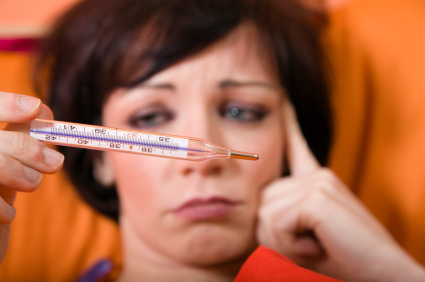
In the largest genetic study to date of a challenging immunodeficiency disorder, scientists have identified a gene that may be a “missing link” between overactive and underactive immune activity. The gene candidate also plays a key role in autoimmune diseases such as type 1 diabetes, rheumatoid arthritis and even allergies.
Type 1 diabetes: On the way to an insulin vaccine
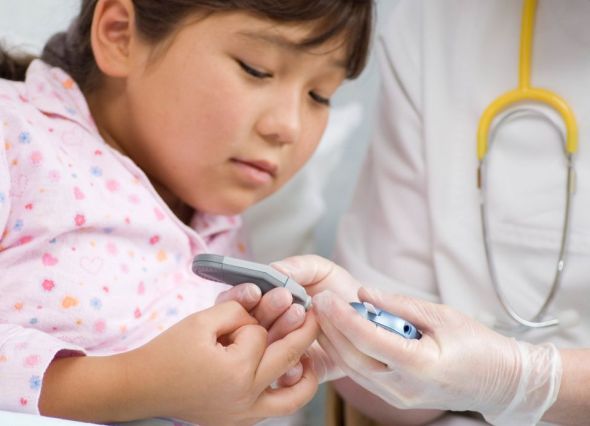
Pseudoscience claims about vaccines are seemingly hitting a fever pitch. Despite that, a new vaccine may be on the horizon for children at risk for diabetes, and that is a good thing. Researchers have found that children at risk for type 1 diabetes, who were given daily doses of oral insulin, developed a protective immune response to the disease that could lay the groundwork for a vaccine against the chronic illness.
Botox makes unnerving journey into our nervous system
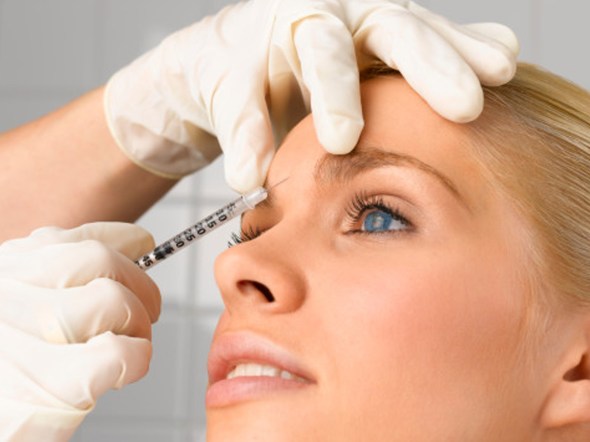
New research might bring a frown to even the most heavily botoxed faces, with scientists finding how some of the potent toxin used for cosmetic surgery escapes into the central nervous system. Researchers have shown how Botox – also known as Botulinum neurotoxin serotype A – is transported via our nerves back to the central nervous system.
Kids with ADHD must squirm to learn

For decades, frustrated parents and teachers have barked at fidgety children with ADHD to “Sit still and concentrate!” But new research shows that if you want ADHD kids to learn, you have to let them squirm. The foot-tapping, leg-swinging and chair-scooting movements of children with attention-deficit/hyperactivity disorder are actually vital to how they remember information and work out complex cognitive tasks.
Study links brain anatomy, academic achievement, and family income

Image credit goes to: Jose-Luis Olivares/MIT
Many years of research have shown that for students from lower-income families, standardized test scores and other measures of academic success tend to lag behind those of wealthier students. Well now a new study offers another dimension to this so-called “achievement gap”After imaging the brains of high- and low-income students, they found that the higher-income students had thicker brain cortex in areas associated with visual perception and knowledge accumulation.
Artificial blood vessel lets researchers assess clot removal devices
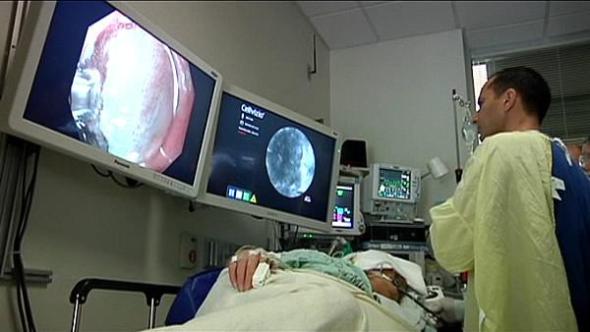
For the first time, researchers have created an in vitro, live-cell artificial vessel that can be used to study both the application and effects of devices used to extract life-threatening blood clots in the brain. The artificial vessel could have significant implications for future development of endovascular technologies, including reducing the need for animal models to test new devices or approaches.
Could maple syrup help cut use of antibiotics?

Another reason to have those waffles… well maybe. Researchers have found that a concentrated extract of maple syrup makes disease-causing bacteria more susceptible to antibiotics. In an ever increasing antibiotic resistant world, this news is almost as sweet as the syrup (okay no more bad puns). The findings suggest that combining maple syrup extract with common antibiotics could increase the microbes’ susceptibility, leading to lower antibiotic usage.
Brain development suffers from lack of fish oil fatty acids
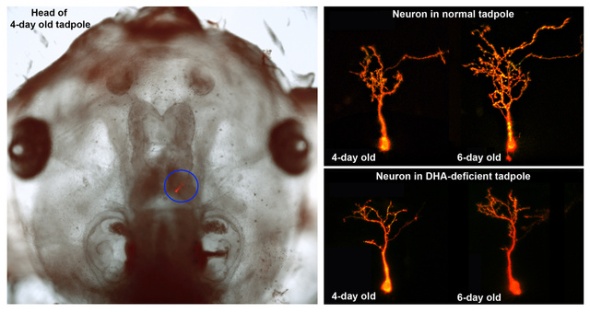
While being inundated with advertisements directed at moms to be, skeptical parents should question the supposed health benefits of anything being sold. However, while recent reports question whether fish oil supplements support heart health, scientists have found that the fatty acids they contain are vitally important to the developing brain. Meaning there might actually be truth in advertising — this time at least.
Watch out Atkins: Over eating fatty foods can alter your muscle metabolism

More bad news on the obesity front and strangely enough, on the popular diet front too — at least for diets like atkins. New research shows that even short term high-fat diets can change your metabolism. So while you might think that you can get away with eating fatty foods for a few days without it making any significant changes to your body, think again.
The placebome: Where genetics and the placebo effect meet
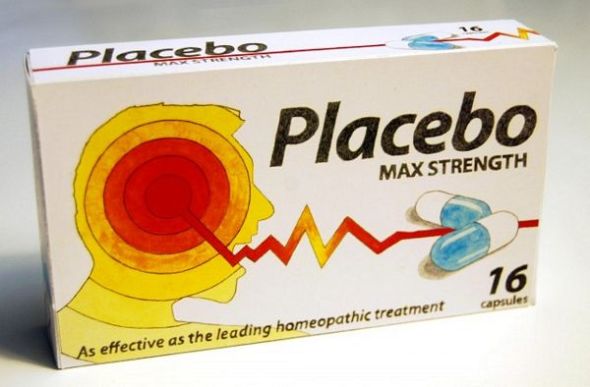
Placebos have helped to ease symptoms of illness for centuries and have been a fundamental component of clinical research to test new drug therapies for more than 70 years. But why some people respond to placebos and others do not remains under debate.
With the advent of genomics, researchers are learning that placebo responses are modified by a person’s genetics, a discovery that raises important new questions regarding the role of the placebo in patient care and in drug development: How many genetic biomarkers exist? Can the medical field harness the placebo response to enhance personalized medical treatment? What might be the impact of placebo-drug interactions? And what will this new information mean for randomized clinical trials, which depend on placebo controls to test the efficacy of new drug candidates? Should a “no-treatment” control be added to future trials?
Neuronal disorders and energy metabolism
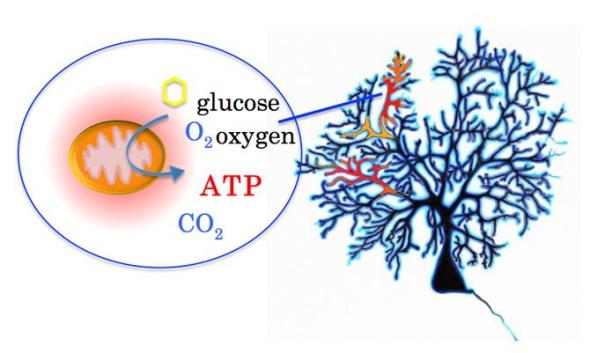
- Mitochondria are responsible for creating more than 90 percent of the energy needed by the body to sustain life and support growth. ATP energy is produced when the mitochondria transfers glucose and oxygen into water and carbon dioxide. How ATP is produced and delivered to intricate neuronal dendrites has been a mystery.
Image credit goes to: Mineko Kengaku, Kyoto University’s Institute for Integrated Cell-Material Sciences (iCeMS)
Scientists in Japan have have discovered how nerve cells adjust to low energy environments during the brain’s growth process. Their study may one day help find treatments for nerve cell damage and neurodegenerative disorders such as Alzheimer’s and Parkinson’s diseases.
A glass fiber that brings light to a standstill
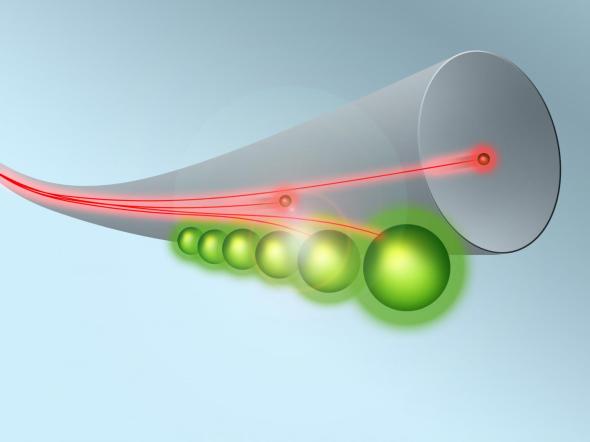
Atoms coupled to a glass fiber: A system that can slow down light dramatically.
Image credit goes to: TU Wien
Light is an extremely useful tool for quantum communication, but it has one major disadvantage: it usually travels at the speed of light and cannot be kept in place. A team of scientists at the Vienna University of Technology has now demonstrated that this problem can be solved – not only in strange, unusual quantum systems, but in the glass fiber networks we are already using today.
The universe is expanding, but how fast?

That same galaxy in a NASA Swift image is shown, with bars indicating the location of supernova SN 2011fe. The Swift image is a false-color image with UV emission blue and optical emission red.
Image credit goes to: NASA/Swift
We are expanding, well more accurately the universe is expanding. However researchers have found certain types of supernovae, or exploding stars, are more diverse than previously thought. The results have implications for big cosmological questions, such as how fast the universe has been expanding since the Big Bang. Most importantly, the findings hint at the possibility that the acceleration of the expansion of the universe might not be quite as fast as textbooks say.
Enzyme in cosmetic products can cause allergy

Papain is found naturally in papaya and is often referred to as a “plant-based pepsin” in reference to the digestive enzyme pepsin that is present in the stomach. Researchers looked at the effect of papain directly on the skin of mice as well as on skin cells in the petri dish. Skin consists of several layers joined via cellular connections called “tight junctions”. The project team showed that papain induces a breakdown of these cell-cell junctions. On the skin, papain results in a loss of the barrier function.
Do you have the genes of a rapist?

Rape, it’s so taboo that victims are sometimes shamed for “letting” it happening. It’s a dirty word, no one likes the word rape so we come up with other names for it — sexual assault for example. Well new research shows that close relatives of men convicted of sexual offences commit similar offences themselves more frequently than comparison subjects. The study suggests that this is due to genetic factors rather than shared family environment. The study includes all men convicted of sex crime in Sweden during 37 years.
First human HIV-antibody trials, results are promising
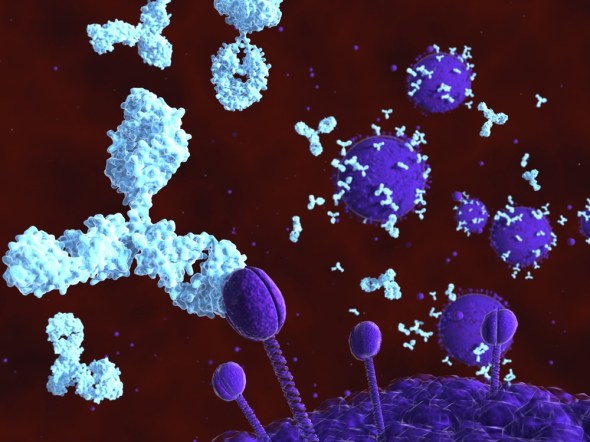
While there is no cure for HIV, a select few known as HIV controllers can literally live with it. Over the years work has been done trying to figure out what makes these individuals so special and it has helped researchers in the fight against HIV. While we are still searching for a vaccine, researchers have now found that a single infusion of an experimental anti-HIV antibody called 3BNC117 resulted in significantly decreased HIV levels that persisted for as long as 28 days in HIV-infected individuals, according to Phase 1 clinical trial findings.
Master protein enhances learning, memory and fitness?!
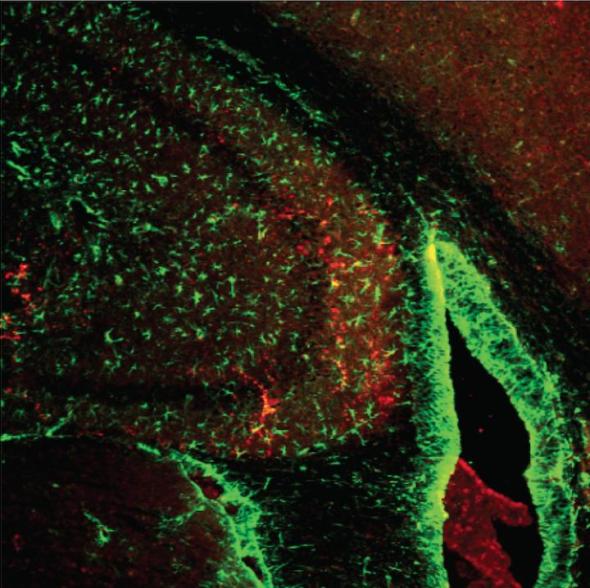
In this image, ERRγ is shown (stained red) in the hippocampus, the area of the brain largely responsible for memory. The new work could point to a way to enhance learning.
Image credit goes to: Salk Institute
You’re supposed to stay fit, the key to successful aging is to be active. Science doesn’t quite understand why, but staying fit helps keep our brain in shape as we get older. I hate to run, hate it, but I exercise my brain often. Truthfully, some people seem built to run marathons and have an easier time going for miles without tiring. Other individuals might be born with a knack for memorizing things, from times tables to trivia facts. These two skills―running and memorizing―are not so different as it turns out.
Researchers find protein that triggers lupus-associated immune system activation

Researchers have identified an inflammatory molecule that appears to play an essential role in the autoimmune disorder systemic lupus erythematosus, commonly known simply as lupus. In their report the team describes finding that a protein that regulates certain cells in the innate immune system – the body’s first line of defense against infection – activates a molecular pathway known to be associated with lupus and that the protein’s activity is required for the development of lupus symptoms in a mouse model of the disease.
Gender differences in moral judgements linked to emotion

You can see more funny stuff like this over at SMBC
If a time machine was available, would it be right to kill Adolf Hitler when he was still a young Austrian artist to prevent World War II and save millions of lives? Should a police officer torture an alleged bomber to find hidden explosives that could kill many people at a local cafe? When faced with such dilemmas, men are typically more willing to accept harmful actions for the sake of the greater good than women. For example, women would be less likely to support the killing of a young Hitler or torturing a bombing suspect, even if doing so would ultimately save more lives.
Smoking, bad for you, good for MRSA
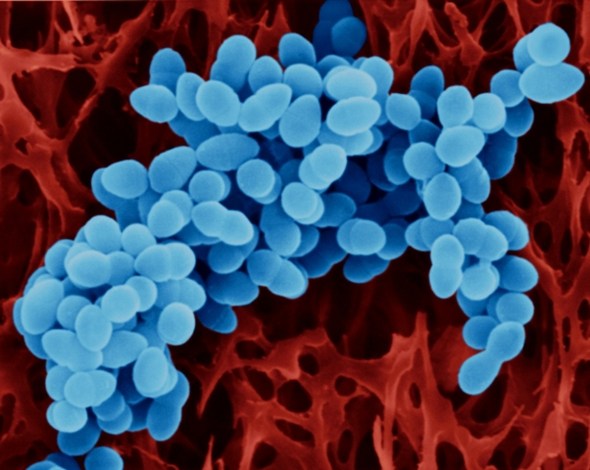
Methicillin-resistant Staphylococcus aureus (MRSA), an antibiotic-resistant superbug, can cause life-threatening skin, bloodstream and surgical site infections or pneumonia. It has been a tough battle finding ways to fight it and research now shows, cigarette smoke may make matters worse. The study shows that MRSA bacteria exposed to cigarette smoke become even more resistant to killing by the immune system.
New therapy halts artery plaque growth and suppresses inflammation
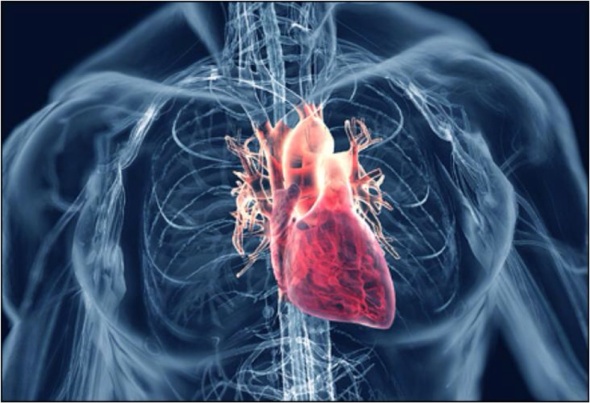
According to the CDC, 1 in 4 deaths are due to heart attacks. In fact it is the leading cause of death for both men and women. Largely attributed to diet, most medications solely aim at lowering cholesterol. However, a research team showed that a nanotherapeutic medicine can halt the growth of artery plaque cells resulting in the fast reduction of the inflammation that may cause a heart attack, offering a new way to treat people at risk for heart disease.
Beta secretase inhibitors offer treatment for Alzheimer’s disease
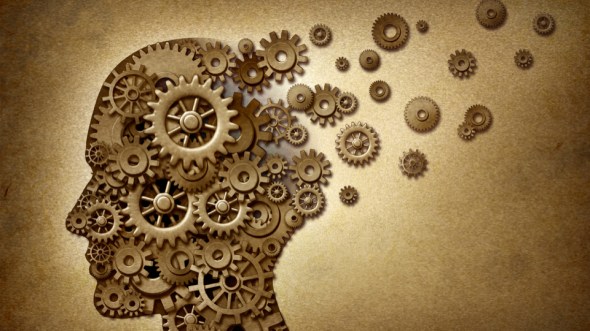
With each new amyloid-targeting treatment for Alzheimer’s disease that has been developed, there has been a corresponding concern. For example, antibodies targeting amyloid-β peptide (Aβ) produce inflammation in the brain in some patients. Gamma secretase inhibitors tend to produce adverse effects by interacting with Notch, an important pathway for cellular signaling. However, a new target for alzheimer’s is offering some new hope.
Underage drinking has lasting effects on the brain and epigenetics

The rise of underage drinking has almost left a sense that it is acceptable or even free of long-term consequences. Unfortunately because the brain continues forming long into the early twenties, environmental factors can have a large impact on the development. In fact, research shows that binge-drinking during adolescence may perturb brain development at a critical time and leave lasting effects on genes and behavior that persist into adulthood.
Sleep may be critical to avoid miscarriage

If you are trying to have a baby, a good night’s sleep is more important than ever. A recently published research report shows that the womb has its own “body clock” that needs to synchronize with the mother’s body clock to ensure optimal conditions for fetal growth and development. The inability of a mother’s body clock to synchronize with the womb’s clock may be at least part of the reason why some women have difficulty carrying a pregnancy to full term.
An apple a day may keep the children away: Pesticides and sperm count

Ever hear that old saying an apple a day keeps the Doctor away? Well it might have the right idea, just the wrong person. New research investigating the relationship between eating fruit and vegetables containing pesticide residues and the quality of men’s semen has shown a link with lower sperm counts and percentages of normally-formed sperm. So for people wanting children it may be time to rethink that produce.
Ovulation changes women’s desire for variety in products

We know that hormones affect who we are, even when we aren’t aware of it. In the past scientists have found that people who are hungry tend to buy more things, no surprise for those of us who have shopped hungry. However, new research shows that women seek a greater variety of products and services, specifically when they are ovulating.
Welcome to the wikipedia for neurons
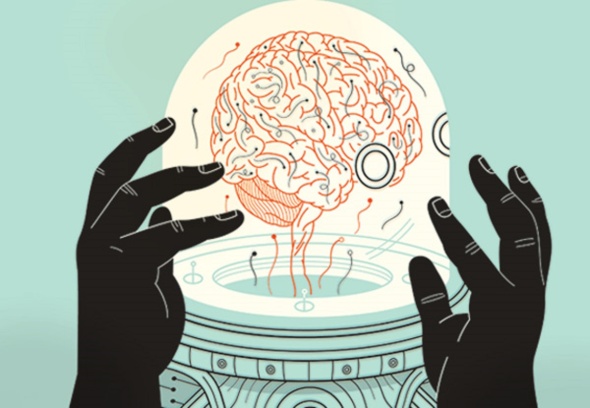
While the brain might not have more connections than stars in the universe (sorry guys), it is still complex. In fact, someone I respect defined a neuroscientist as “someone who knows how little we know about the brain.” Despite the decades worth of data that has been collected about the billions of neurons in the brain, we still don’t know much. So to help scientists make sense of the vast amount of information we already collected, researchers used data mining to create neuroelectro.org, a publicly available website that acts like Wikipedia, indexing physiological information about neurons.


 Lunatic Laboratories