
Power of the media’s impact on medicine use revealed
More than 60,000 Australians are estimated to have reduced or discontinued their use of prescribed cholesterol-lowering statin medications following the airing of a two-part series critical of statins by ABC TV’s science program, Catalyst, a University of Sydney study reveals. The analysis of the Pharmaceutical Benefits Scheme medication records of 191,000 people revealed that there was an immediate impact after Catalyst was aired in October 2013, with 14,000 fewer people dispensed statins per week than expected.
Hormone that differentiates sugar, diet sweeteners could exist in humans

We’ve all been there: We eat an entire sleeve of fat-free, low-calorie cookies and we’re stuffing ourselves with more food 15 minutes later. One theory to explain this phenomenon is that artificial sweeteners don’t contain the calories or energy that evolution has trained the brain to expect from sweet-tasting foods, so they don’t fool the brain into satisfying hunger. However, until now, nobody understood how organisms distinguish between real sugar and artificial sweetener.
Cell density remains constant as brain shrinks with age
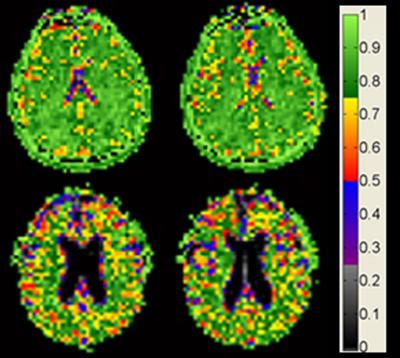
Brain cell density remains constant with age among cognitively normal adults. Image credit goes to: Dr. Keith Thulborn
New, ultra-high-field magnetic resonance images (MRI) of the brain by researchers at the University of Illinois at Chicago provide the most detailed images to date to show that while the brain shrinks with age, brain cell density remains constant. The images provide the first evidence that in normal aging, cell density is preserved throughout the brain, not just in specific regions, as previous studies on human brain tissue have shown.
Autoimmunity: New immunoregulation and biomarker
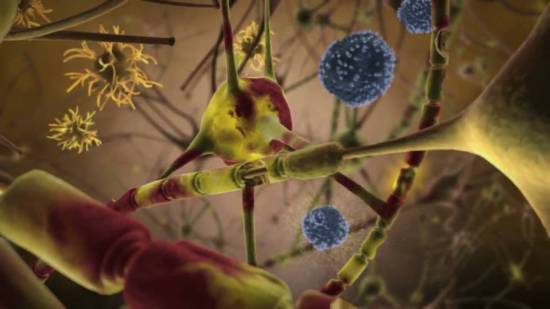
Clinicians at Ludwig-Maximilians-Universitaet (LMU) in Munich have elucidated a mechanism involved in determining the lifespan of antibody-producing cells, and identified a promising new biomarker for monitoring autoimmune diseases like multiple sclerosis and lupus erythematosus.
Milk proteins may protect against cardiovascular disease
 The Maillard reaction is a chemical reaction between amino acids and reducing sugars that results in browned foods like seared steaks and toasted bread. When proteins and sugars are mixed together and heated, new chemical compounds are formed. Some are responsible for new flavors and some, according to a new study, may protect us against cardiovascular disease. (more…)
New drug can clear all psoriasis symptoms
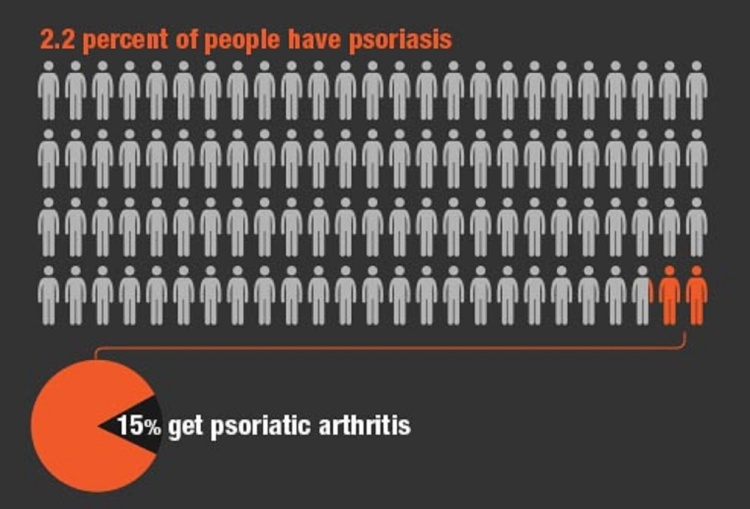
Good news for anyone who has psoriasis, a University of Manchester led trial of a new drug has resulted in 40 percent of people showing a complete clearance of psoriatic plaques after 12 weeks of treatment and over 90 percent showing improvement. The research tested 2,500 people with psoriasis. Half were given a new drug – ixekizumab – either once every two or four weeks. The other half were given a placebo or a widely used drug for psoriasis called etanercept.
First functional, synthetic immune organ with controllable antibodies created by engineers
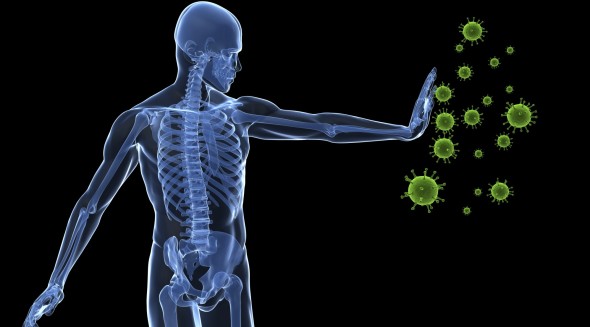
Cornell University engineers have created a functional, synthetic immune organ that produces antibodies and can be controlled in the lab, completely separate from a living organism. The engineered organ has implications for everything from rapid production of immune therapies to new frontiers in cancer or infectious disease research.
Largest-ever study of parental age and autism finds increased risk with teen moms

The largest-ever multinational study of parental age and autism risk, funded by Autism Speaks, found increased autism rates among the children of teen moms and among children whose parents have relatively large gaps between their ages. The study also confirmed that older parents are at higher risk of having children with autism. The analysis included more than 5.7 million children in five countries.
The health effects of homophobia

Homophobia, since people are (finally) stigmatizing racism, it’s just another excuse to be able to treat people who are slightly different like they are garbage. To that end, I have bad news for gay and bisexual men living in European countries. The ones with strong attitudes and policies against homosexuality are far less likely to use HIV-prevention services, test for HIV, and discuss their sexuality with health providers, according to research led by Yale School of Public Health (YSPH).
Babies who can resettle are more likely to ‘sleep through the night’

Good news, for parents who see their babies “resettle” when they wake up. According to a video study, young infants who can “resettle” themselves after waking up are more likely to sleep for prolonged periods at night. Okay, maybe that’s bad news for parents who don’t have a baby who “resettles,” but it’s still good information.
That daily soda or sugary drink habit may be punishing your liver

If you enjoy a daily soda, or other tasty sugar filled drink, you may want to put it down. New research shows that a daily sugar-sweetened beverage habit may increase the risk for non-alcoholic fatty liver disease (NAFLD). The study comes from researchers at the Jean Mayer USDA Human Nutrition Research Center on Aging (USDA HNRCA) at Tufts University and is bad news for anyone who loves sugary drinks.
Eating the placenta: trendy but no proven health benefits and unknown risks

Celebrities such as Kourtney Kardashian blogged and raved about the benefits of their personal placenta ‘vitamins’ and spiked women’s interest in the practice of consuming their placentas after childbirth.
How does human behavior lead to surgical errors? Researchers count the ways
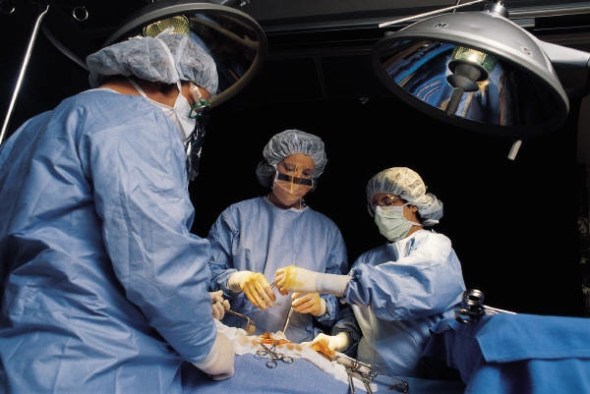
Why are major surgical errors called “never events?” Because they shouldn’t happen — but do. Mayo Clinic researchers identified 69 never events among 1.5 million invasive procedures performed over five years and detailed why each occurred. Using a system created to investigate military plane crashes, they coded the human behaviors involved to identify any environmental, organizational, job and individual characteristics that led to the never events.
A patient’s budding cortex — in a dish?

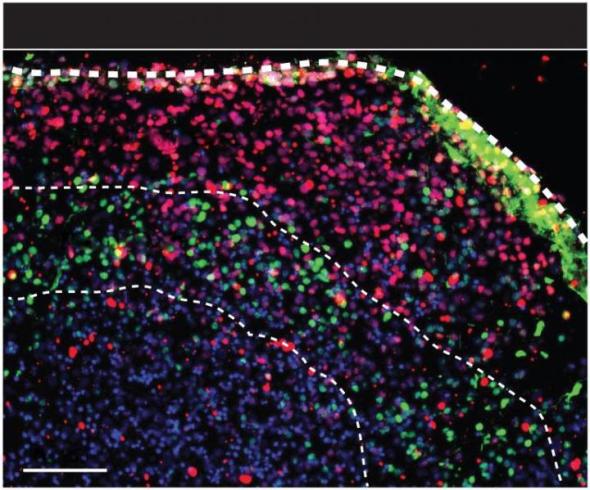
Neurons and supporting cells in the spheroids form layers and organize themselves according to the architecture of the developing human brain and network with each other.
Image credit goes to: Sergiu Pasca, M.D., Stanford University
A patient tormented by suicidal thoughts gives his psychiatrist a few strands of his hair. She derives stem cells from them to grow budding brain tissue harboring the secrets of his unique illness in a petri dish. She uses the information to genetically engineer a personalized treatment to correct his brain circuit functioning. Just Sci-fi? Yes, but…
Health factors influence ex-prisoners’ chances of returning to jail

Ex-prisoners with a history of risky drug use, mental illness or poverty are more likely to end up back behind bars. Those who are obese, are chronically ill or have attempted suicide are more likely to remain in the community. These are some of the findings from an exploratory study into health-related factors that could be used to predict whether a person released from prison will end up in custody again.
Expanding the code of life with new ‘letters’
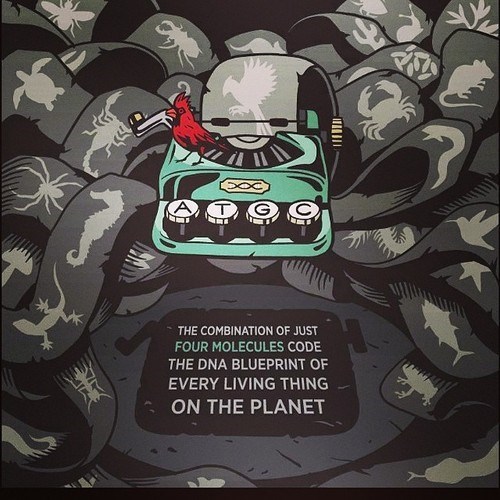
Not anymore…
The DNA encoding all life on Earth is made of four building blocks called nucleotides, commonly known as “letters,” that line up in pairs and twist into a double helix. Now, two groups of scientists are reporting for the first time that two new nucleotides can do the same thing — raising the possibility that entirely new proteins could be created for medical uses.
Babies can think before they can speak

Two pennies can be considered the same — both are pennies, just as two elephants can be considered the same, as both are elephants. Despite the vast difference between pennies and elephants, we easily notice the common relation of sameness that holds for both pairs. Analogical ability — the ability to see common relations between objects, events or ideas — is a key skill that underlies human intelligence and differentiates humans from other apes.
Researchers find essential fats for brain growth
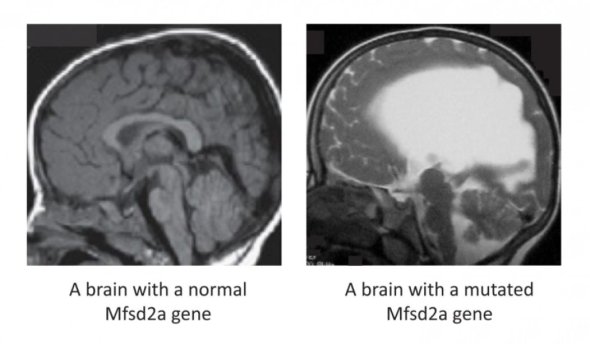
The difference between a brain with a normal Mfsd2a gene and a brain with a mutated Mfsd2a gene.
Image credit goes to: Guemez-Gamboa et al./ Nature Genetics
New research has proved that certain special fats found in blood are essential for human brain growth and function. The two studies showed that mutations in the protein Mfsd2a causes impaired brain development in humans. Mfsd2a is the transporter in the brain for a special type of fat called lysophosphatidylcholines (LPCs) — composed of essential fatty acids like omega-3. These studies show, for the first time, the crucial role of these fats in human brain growth and function.
Air pollution is causing your baby problems, but breastfeeding can help

Aitana Lertxundi has conducted her research work within the framework of the INma (Childhood and Environment) programme led by Jesús Ibarluzea of the Department of Health of the Government of the Basque Autonomous Community (region). The aim is to assess how exposure to environmental pollution during pregnancy affects health and also to examine the role of diet in physical and neurobehavioural development in infancy. The study focusses on the repercussions on motor and mental development during the first years of life caused by exposure to the PM2.5 and NO2 atmospheric pollutants.
Are infections making you stupid?

New research shows that infections can impair your cognitive ability measured on an IQ scale. The study is the largest of its kind to date, and it shows a clear correlation between infection levels and impaired cognition. Anyone can suffer from an infection, for example in their stomach, urinary tract or skin. However, a new Danish study shows that a patient’s distress does not necessarily end once the infection has been treated.
Suicide and skin color, or how being black is killing you

The great racial divide, despite all the evidence showing that racism, hate and frankly plain stupidity is alive and well, there are people who cannot accept it. This probably will not change anything for those people, but for the first time a new study shows that while suicide rates in children younger than 12 have remained steady for the past 20 years, there are significantly higher suicide rates among black children.
The fingerprint drug test
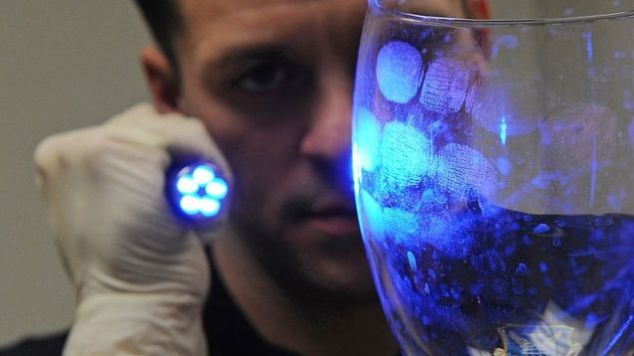
Researchers have demonstrated a new, noninvasive test that can detect cocaine use through a simple fingerprint. For the first time, this new fingerprint method can determine whether cocaine has been ingested, rather than just touched.
Educating the immune system: A vaccine for allergies

With the arrival of spring, millions of people have begun their annual ritual of sneezing and wheezing due to seasonal allergies. However, a Canadian research team is bringing them hope with a potential vaccine that nudges the immune response away from developing allergies. The findings have major clinical implications since allergies and asthma are lifelong conditions that often start in childhood and for which there is presently no cure.
Can drinking alcohol harm the child before the mother knows she is pregnant?

Photo credit goes to: Cute moments photography
These days pregnant “moms to be” have lots of things to worry about, from second hand smoke to the chemicals in their make-up. Well they can unfortunately add one more thing to that list, a new study finds that alcohol drunk by a mouse in early pregnancy changes the way genes function in the brains of the offspring. The early exposure was also later apparent in the brain structure of the adult offspring. The timing of the exposure corresponds to the human gestational weeks 3-6 in terms of fetal development.
GMO beef with the heart benefits of fish, why not?

Sometimes you just want beef, but beef is high in omega-6 fatty acids and low in the omega-3 type. Conversely, different types of fish are high in omega-3, but we all know they don’t compare to that tasty burger flavor. So what’s a beef lover to do, well if you’re in China you might have some options! Chinese scientists have reared beef rich in the beneficial fatty acids associated with fish oils.
Research shows more sex does not mean more happiness

Countless research and self-help books claim that having more sex will lead to increased happiness, based on the common finding that those having more sex are also happier. However, there are many reasons why one might observe this positive relationship between sex and happiness. Being happy in the first place, for example, might lead someone to have more sex (what researchers call ‘reverse causality’), or being healthy might result in being both happier and having more sex.
Researchers find new clues in treating chronic pain
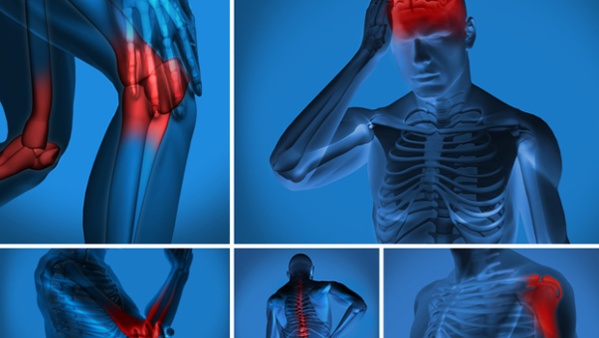
A chemical in the brain typically associated with cognition, movement and reward-motivation behavior — among others — may also play a role in promoting chronic pain, according to new research. The chemical, dopamine, sets the stage for many important brain functions, but the mechanisms that cause it to contribute to chronic pain are less well understood.
Mind reading: Researchers observe moment a mind is changed

Researchers studying how the brain makes decisions have, for the first time, recorded the moment-by-moment fluctuations in brain signals that occur when a monkey making free choices has a change of mind. The findings result from experiments led by electrical engineering Professor Krishna Shenoy, whose Stanford lab focuses on movement control and neural prostheses – such as artificial arms – controlled by the user’s brain.
Fracked, shale-drilling additives in drinking-water taps near leak

Shale oil has helped the US see lower gas prices and even an opportunity to start exporting. However, it isn’t as great as it might sound, hydraulic fracturing — also known as fracking — has been scrutinized by environmentalists since it’s inception. As it turns out, for good reason, substances commonly used for drilling or extracting Marcellus shale gas foamed from the drinking water taps of three Pennsylvania homes near a reported well-pad leak, according to new analysis from a team of scientists.
Walking an extra two minutes each hour may offset hazards of sitting too long

Eat less, workout more, these are the messages we are being sent almost on a daily basis. But how do we quantify “more” and who really should listen to that advice? Well a new study suggests that engaging in low intensity activities such as standing may not be enough to offset the health hazards of sitting for long periods of time. On the bright side, adding two minutes of walking each hour to your routine just might do the trick.
US clinics avoiding government oversight of ‘stem cell’ treatments
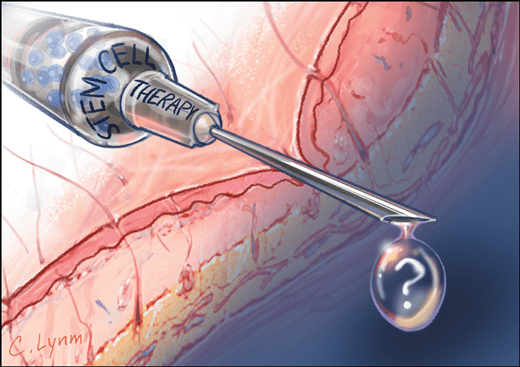
Clinics across the United States are advertising stem cell treatments that attempt to take advantage of what they perceive as exceptions in FDA regulations.The therapies in question are adipose-derived autologous stem cell treatments, in which fat cells are removed from a patient, broken down to separate components that purportedly contain stem cells, and are then reinjected into the same patient.
Pesticides alter bees’ brains, making them unable to live and reproduce adequately

Die hard, the bee version.
A new report suggests that a particular class of pesticides called “neonicotinoids” wreaks havoc on the bee populations, ultimately putting some crops that rely on pollination in jeopardy. Specifically, these pesticides kill bee brain cells, rendering them unable to learn, gather food and reproduce. The report, however, also suggests that the effects of these pesticides on bee colonies may be reversible by decreasing or eliminating the use of these pesticides on plants pollinated by bees and increasing the availability of “bee-friendly” plants available to the insects.
Psychologists share the three secrets to healthier eating
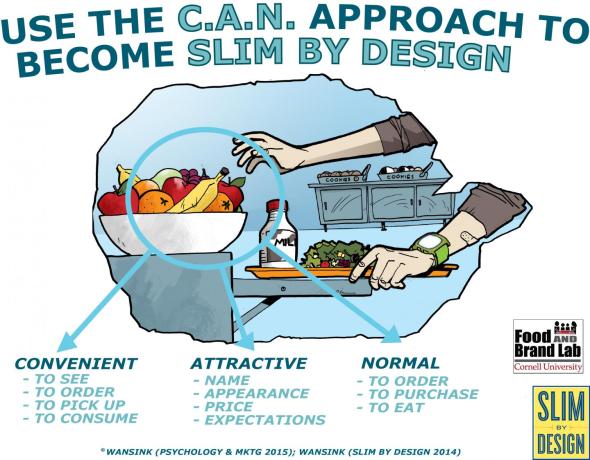
You don’t need a crazy diet to lose weight. In fact, your typical fad diet won’t help you keep weight off long term and could be harming your health. If you want to know the secrets of healthier eating, think of the kitchen fruit bowl. A fruit bowl makes fruit more convenient, attractive, and normal to eat than if the same fruit were in the bottom of the refrigerator.
The adolescent brain on alcohol: Changes last into adulthood

Repeated alcohol exposure during adolescence results in long-lasting changes in the region of the brain that controls learning and memory, according to a research team at Duke Medicine that used a rodent model as a surrogate for humans. The study provides new insights at the cellular level for how alcohol exposure during adolescence, before the brain is fully developed, can result in cellular and synaptic abnormalities that have enduring, detrimental effects on behavior.
Google searches for ‘n-word’ associated with black mortality

Google searches could unveil patterns in Black mortality rates across the US, according to a new study. Researchers found that those areas with greater levels of racism, as indexed by the proportion of Google searches containing the “n-word,” had higher mortality rates among Blacks. The study is the first to examine an Internet query-based measure of racism in relation to mortality risk.
Mental disorders do not predict violence, so please stop

When Sandy Hook happened, it was so shocking that to this day, some don’t actually believe it happened. Shortly after, something frustrating happened, the shooter was labeled with aspergers. This helped drive the mental health and violence connection to the point that Time came out with an article dispelling that myth. Even now according to new longitudinal study of delinquent youth, most psychiatric disorders – including depression — do not predict future violent behavior. The only exception is substance abuse and dependence.
Scientists create worlds first genetically modified human embryos

A funny thing happened on the way to the publisher. In a world first, China has successfully created genetically modified human embryos. It was certainly an amazing piece of science, but the paper was rejected by both Nature and Science. Not because the study was flawed, or because the data was falsified, the paper was rejected for ethical reasons.
Whooping cough: A small drop in vaccine protection can lead to a case upsurge

In 2012 the USA saw the highest number of pertussis (whooping cough) cases since 1955. New research finds that a likely explanation for this rise in disease is a drop in the degree of vaccine protection for each vaccinated individual. The team worked with 60 years of pertussis disease data to determine what best explained the recent increase in the disease.
Researchers find genetic link between overactive and underactive immune systems
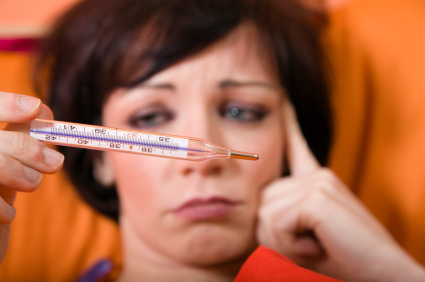
In the largest genetic study to date of a challenging immunodeficiency disorder, scientists have identified a gene that may be a “missing link” between overactive and underactive immune activity. The gene candidate also plays a key role in autoimmune diseases such as type 1 diabetes, rheumatoid arthritis and even allergies.
Type 1 diabetes: On the way to an insulin vaccine
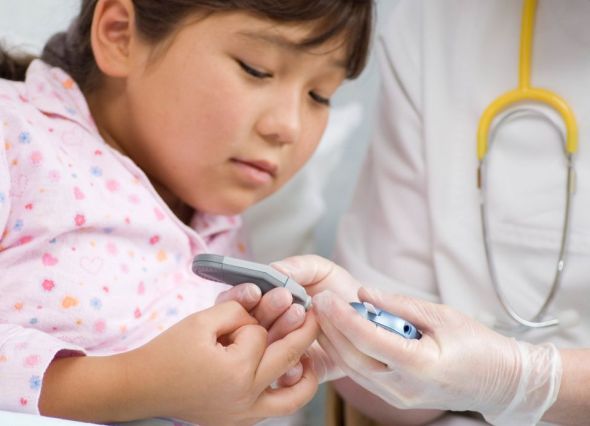
Pseudoscience claims about vaccines are seemingly hitting a fever pitch. Despite that, a new vaccine may be on the horizon for children at risk for diabetes, and that is a good thing. Researchers have found that children at risk for type 1 diabetes, who were given daily doses of oral insulin, developed a protective immune response to the disease that could lay the groundwork for a vaccine against the chronic illness.
Botox makes unnerving journey into our nervous system
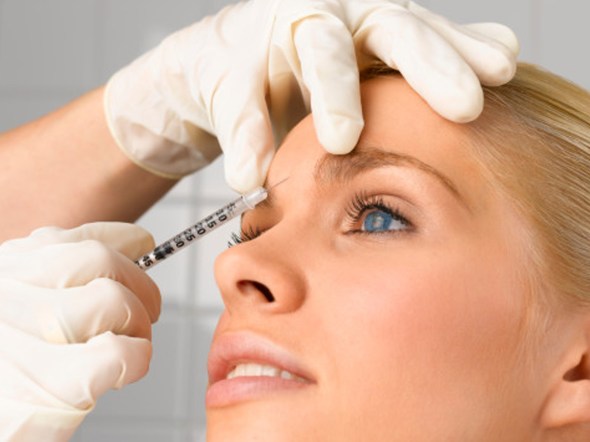
New research might bring a frown to even the most heavily botoxed faces, with scientists finding how some of the potent toxin used for cosmetic surgery escapes into the central nervous system. Researchers have shown how Botox – also known as Botulinum neurotoxin serotype A – is transported via our nerves back to the central nervous system.
Study links brain anatomy, academic achievement, and family income

Image credit goes to: Jose-Luis Olivares/MIT
Many years of research have shown that for students from lower-income families, standardized test scores and other measures of academic success tend to lag behind those of wealthier students. Well now a new study offers another dimension to this so-called “achievement gap”After imaging the brains of high- and low-income students, they found that the higher-income students had thicker brain cortex in areas associated with visual perception and knowledge accumulation.
Artificial blood vessel lets researchers assess clot removal devices
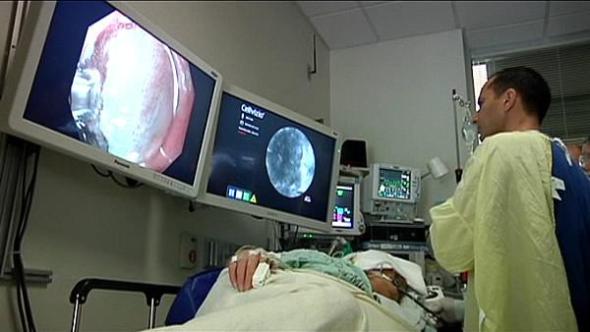
For the first time, researchers have created an in vitro, live-cell artificial vessel that can be used to study both the application and effects of devices used to extract life-threatening blood clots in the brain. The artificial vessel could have significant implications for future development of endovascular technologies, including reducing the need for animal models to test new devices or approaches.
Could maple syrup help cut use of antibiotics?

Another reason to have those waffles… well maybe. Researchers have found that a concentrated extract of maple syrup makes disease-causing bacteria more susceptible to antibiotics. In an ever increasing antibiotic resistant world, this news is almost as sweet as the syrup (okay no more bad puns). The findings suggest that combining maple syrup extract with common antibiotics could increase the microbes’ susceptibility, leading to lower antibiotic usage.
Brain development suffers from lack of fish oil fatty acids
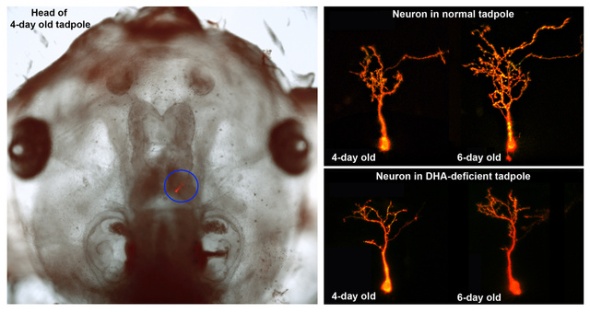
While being inundated with advertisements directed at moms to be, skeptical parents should question the supposed health benefits of anything being sold. However, while recent reports question whether fish oil supplements support heart health, scientists have found that the fatty acids they contain are vitally important to the developing brain. Meaning there might actually be truth in advertising — this time at least.
The placebome: Where genetics and the placebo effect meet
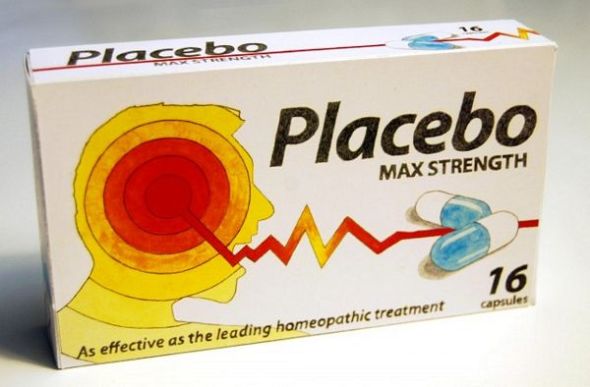
Placebos have helped to ease symptoms of illness for centuries and have been a fundamental component of clinical research to test new drug therapies for more than 70 years. But why some people respond to placebos and others do not remains under debate.
With the advent of genomics, researchers are learning that placebo responses are modified by a person’s genetics, a discovery that raises important new questions regarding the role of the placebo in patient care and in drug development: How many genetic biomarkers exist? Can the medical field harness the placebo response to enhance personalized medical treatment? What might be the impact of placebo-drug interactions? And what will this new information mean for randomized clinical trials, which depend on placebo controls to test the efficacy of new drug candidates? Should a “no-treatment” control be added to future trials?
Neuronal disorders and energy metabolism
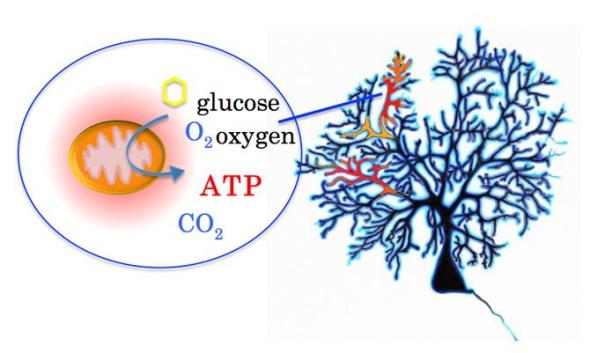
- Mitochondria are responsible for creating more than 90 percent of the energy needed by the body to sustain life and support growth. ATP energy is produced when the mitochondria transfers glucose and oxygen into water and carbon dioxide. How ATP is produced and delivered to intricate neuronal dendrites has been a mystery.
Image credit goes to: Mineko Kengaku, Kyoto University’s Institute for Integrated Cell-Material Sciences (iCeMS)
Scientists in Japan have have discovered how nerve cells adjust to low energy environments during the brain’s growth process. Their study may one day help find treatments for nerve cell damage and neurodegenerative disorders such as Alzheimer’s and Parkinson’s diseases.
Enzyme in cosmetic products can cause allergy

Papain is found naturally in papaya and is often referred to as a “plant-based pepsin” in reference to the digestive enzyme pepsin that is present in the stomach. Researchers looked at the effect of papain directly on the skin of mice as well as on skin cells in the petri dish. Skin consists of several layers joined via cellular connections called “tight junctions”. The project team showed that papain induces a breakdown of these cell-cell junctions. On the skin, papain results in a loss of the barrier function.
First human HIV-antibody trials, results are promising
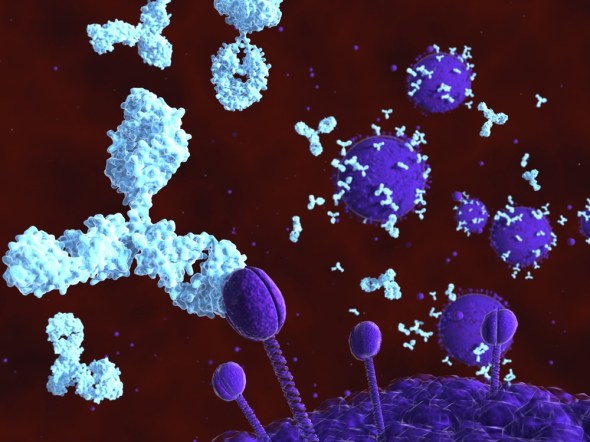
While there is no cure for HIV, a select few known as HIV controllers can literally live with it. Over the years work has been done trying to figure out what makes these individuals so special and it has helped researchers in the fight against HIV. While we are still searching for a vaccine, researchers have now found that a single infusion of an experimental anti-HIV antibody called 3BNC117 resulted in significantly decreased HIV levels that persisted for as long as 28 days in HIV-infected individuals, according to Phase 1 clinical trial findings.
Master protein enhances learning, memory and fitness?!
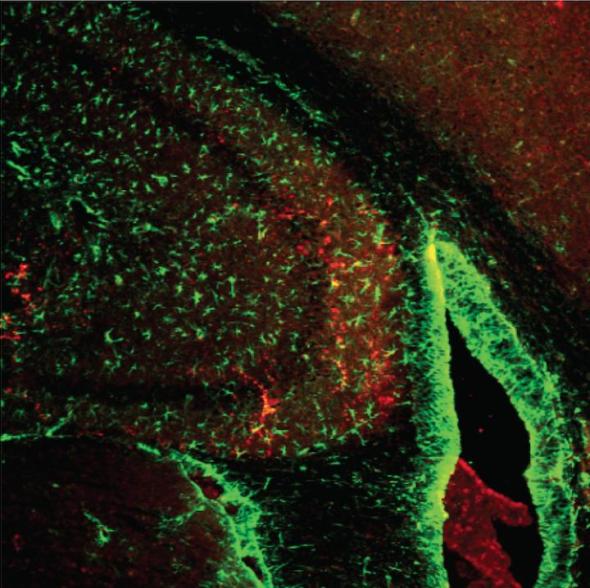
In this image, ERRγ is shown (stained red) in the hippocampus, the area of the brain largely responsible for memory. The new work could point to a way to enhance learning.
Image credit goes to: Salk Institute
You’re supposed to stay fit, the key to successful aging is to be active. Science doesn’t quite understand why, but staying fit helps keep our brain in shape as we get older. I hate to run, hate it, but I exercise my brain often. Truthfully, some people seem built to run marathons and have an easier time going for miles without tiring. Other individuals might be born with a knack for memorizing things, from times tables to trivia facts. These two skills―running and memorizing―are not so different as it turns out.


 Lunatic Laboratories