
A lot of changes!
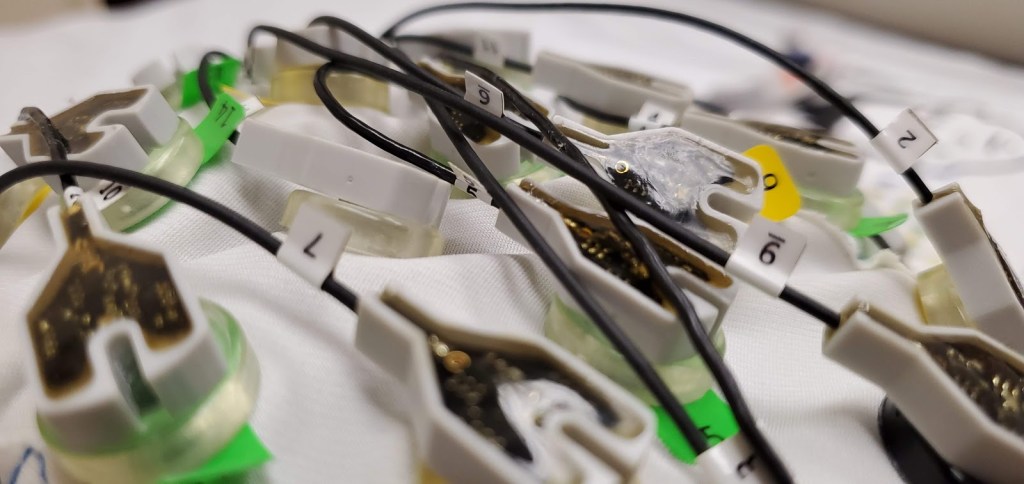
Well if there was any doubt that I write these daily I’m sure yesterday’s brief post explaining my panic helped answer that question. It really was a busy day and that’s not a bad thing. Things are… changing and I can’t tell how they will turn out now, but I’m anxious to see the outcome. How very mysterious! Let’s talk about it.
(more…)Dataset mining


I did an experiment! That’s old(ish) news, but now I have some data to play with… lots of data. So now I get to do something somewhat enjoyable and that’s try to get cool and interesting stuff to fall out of it. All you have to do is shake it really hard and hope for the best.
(more…)A breakthrough


Well… where the hell do I even start? Yesterday was actually a semi-okay day. I mean the world is still on fire, the pandemic is still killing far too many people( but somehow not enough for the people in charge to care), and I mean let’s face it, it feels like the human race is in the death throes. HOWEVER, all that aside, my microscopic insignificant day wasn’t bad… now I’m worried.
(more…)Neuralink: Beyond the hype
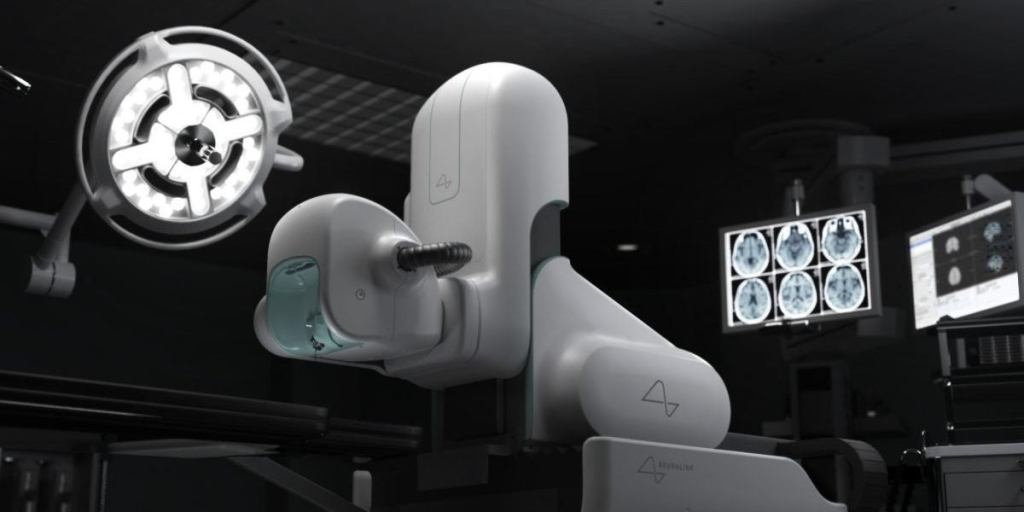
Brain machine interfacing, as someone who does research in the field and is getting a PhD in a brain machine interface lab, I think I’m qualified to comment on the progress neuralink. There’s a lot of hype out there, curing disease, ending paralysis, a world where we are part of the machine and the machine is part of us. Is it science fiction, or is there more to it?
(more…)Fact or artifact


A new turn in the saga of my data processing. There has been some concern that the artifact from the stimulation is causing the thing I am seeing in my data. There are arguments to be made for both sides, but let’s go over what that could mean for me.
(more…)So much data
Well I’ve processed (poorly) about half of my data. Now, when I say poorly I just mean the visuals for it are garbage and I need to tweek the sizes and things to make it look nicer, but the idea is that I’m more interested in finding something than I am in making it look pretty. I’ve processed two of four of my subjects and well I’m excited!
(more…)The after


I’m trying to remain calm. I am an objective observer in the world of science and whatever the result, I will NOT let it cloud my emotions. I am neutral and I will remain that way… oh who am I kidding, I DID IT! Two years of planning and convincing people this would work. Then last night I had my first result, and it was a relief. It was a small step, but one I was afraid the data wouldn’t let me make.
(more…)Into the unknown


Today is going to be a somewhat anxious day for me. It’s the day I get to crack open my data and see what spills out. There was a process to get to this point of course, it took me about a week, but today with just a few clicks I’m going to see if I have something or if my idea was never meant to be.
Read more… if you dare!A busy day!
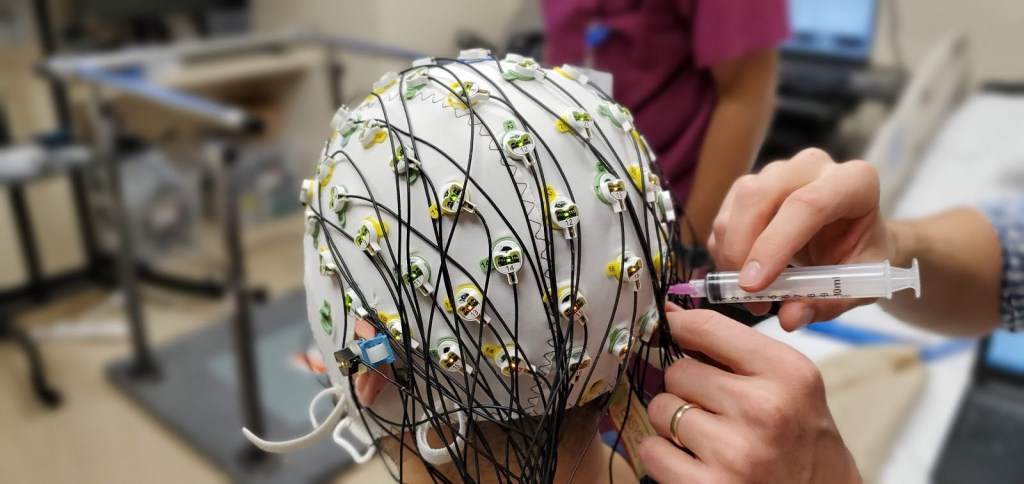
Well I didn’t plan for it, but today is a busy day! I’ve got a lot going on at the moment so not a lot of time to write. Let’s just talk about what I’ve done and have left to do so I can get back to it.
(more…)Process the data!
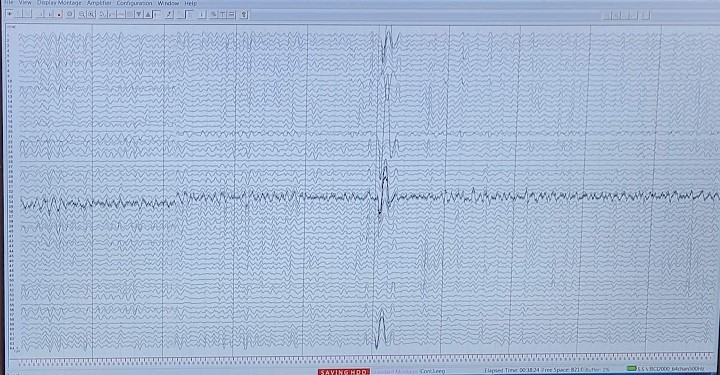
It’s a process… that’s for sure. So you’re a scientist and you collect a ton of data, well now what? We’re talking about me of course. I did it, I collected a ton of data and now I need to do something useful with it. This is the part I wish I could skip over and get to the part where I get all the cool results, but I guess we’ve all got to start somewhere.
(more…)Day 362: Experiment two
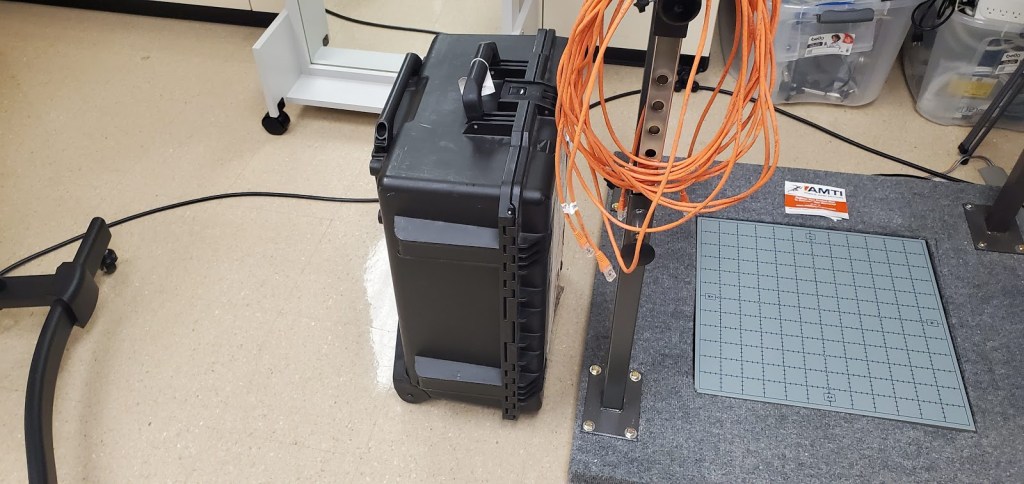
Well today is going to be a quick recap of my experiment yesterday. This will be just as much for me as it is for all of you. While I can’t go into the experiment details (since I’m working to publish this) I can give a pretty good overview like I did the last time around.
(more…)Day 361: Accidental history

Ever wake up one morning and realize you’re exactly where you wanted to be. That you’re in a place you never even dared to dream you could reach because, well it was silly to think you could accomplish something like that. Dreams that big weren’t meant for people like you, so you didn’t even bother to think you could get there. Yet… here we are.
(more…)Day 360: Second experiment
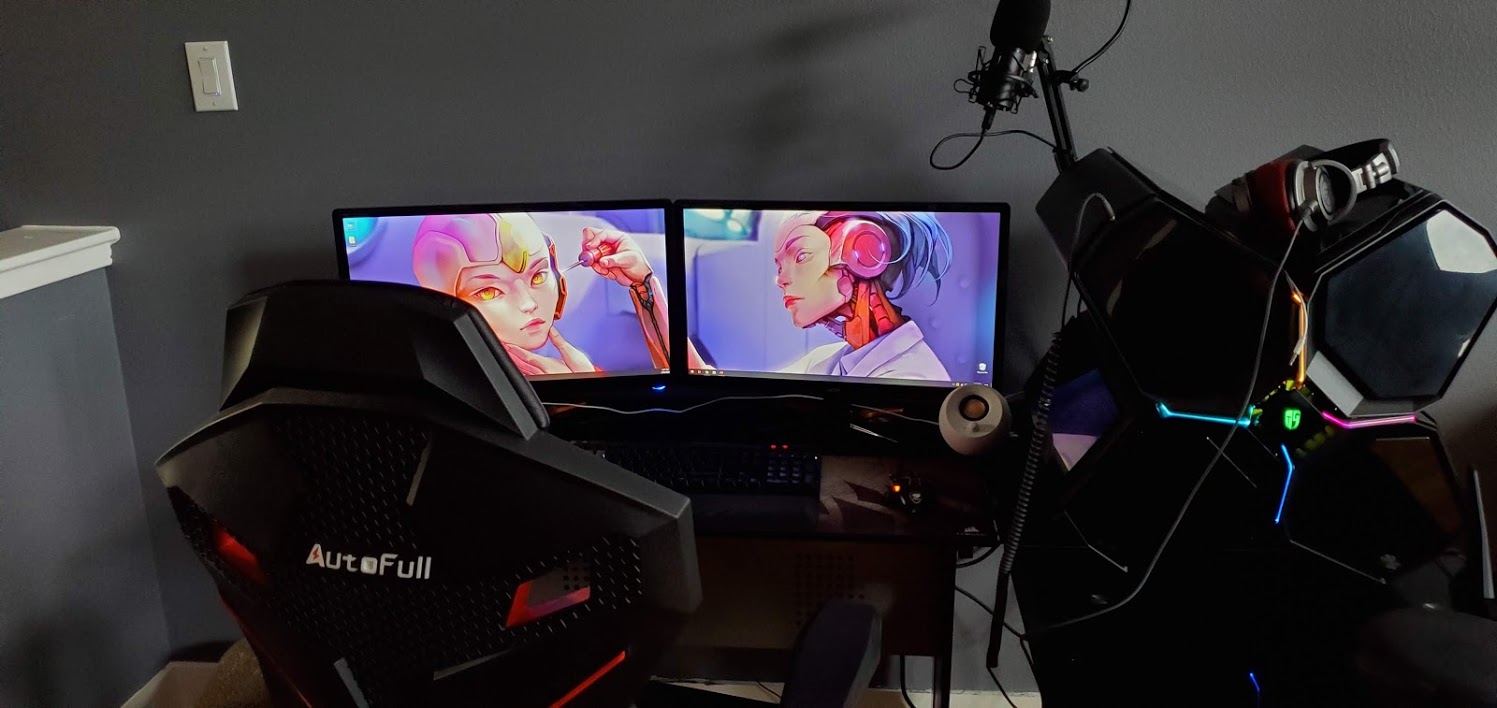
The computer I use to process all my data, even with this it takes FOREVER to finish processing.
Well tomorrow is my second experiment. To be clear, it’s technically the same experiment, just a second person, so maybe it would be better to call it trial two? In any case, while the last one went (mostly) well, there are a few things I’m changing to make this next one even better. Sometimes when you prep for an experiment, you don’t realize what you’re forgetting until you can’t do it, so we’re correcting that this time.
Day 358: One small step


Sometimes are points in life that you can clearly define as the before and the after. As a child sometimes those points are simple milestones growing up, starting a new school for example or moving to a new town. There is the before and the after. As you get older those points become few and far between. For example, you started a new job. Unless it’s your dream job, you don’t really think of it as one of these points and everything just blurs together. Thus the bar seems to get higher and higher as we age. Today I had one of those points.
Day 357: Thoughts from the lab
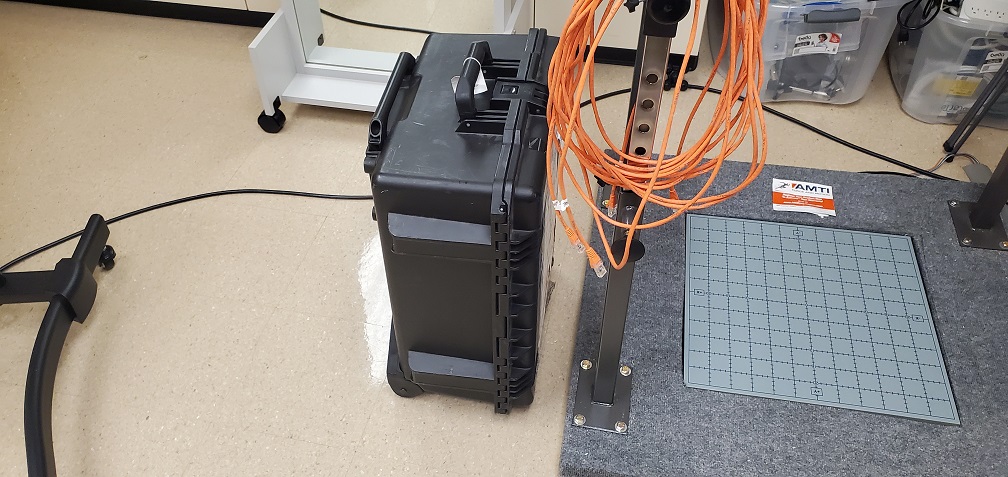
My giant very suspicious case full of equipment from my school lab.
Well today is a busy day! I’ve got a lot going on so hopefully by the time you read this I’ll have all the setup taken care of. Working in two labs seems like a fun and interesting way to do experiments and it is! It’s also a huge pain.
Day 326: Review: The state of spinal cord research
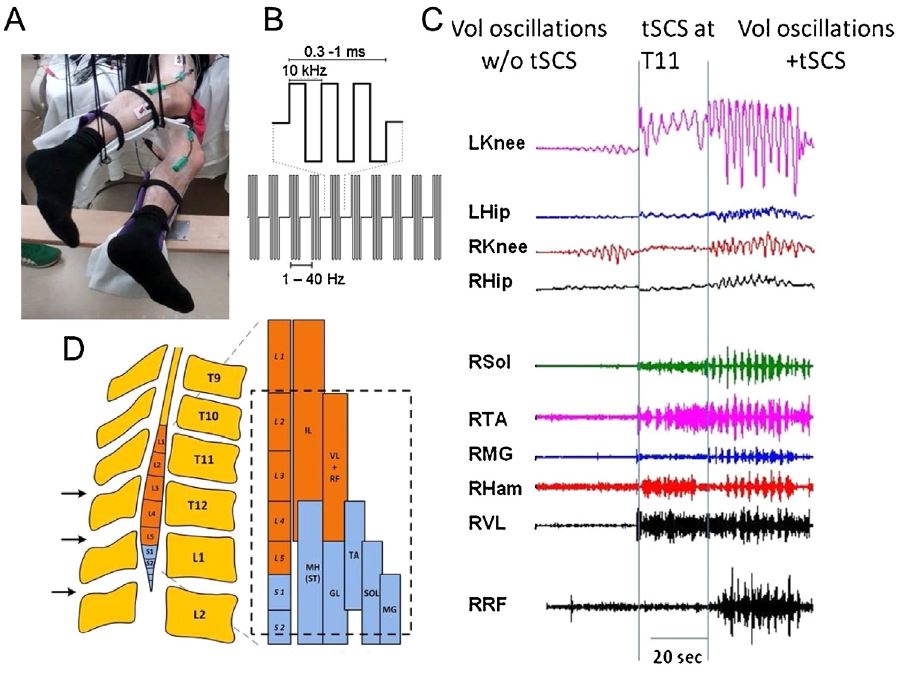
Facilitation of stepping-like volitional oscillations using non-invasive transcutaneous electrical spinal cord stimulation in SCI subject. (A) Position of the participant in the gravity-neutral apparatus. (B) Biphasic electrical stimulation was delivered using unique waveforms consisting of 0.3–1.0 ms bursts filled by 10 kHz frequency that were administered at 5–40 Hz. (C) EMG activity of right soleus (RSol), right tibialis anterior (RTA), right medial gastrocnemius (RMG), right hamstrings (RHam), right vastus lateralis (RVL), right rectus femoris (RRF) and angular displacement in the knee and hip joints of both legs during leg oscillations with a voluntary effort alone (Vol), stimulation at T11 (Stim), and Vol + Stim are shown. (D) Schematics demonstrating the approximate location of transcutaneous electrodes above the lumbosacral enlargement, in relation to the location of the motor pools based on Kendall et al. (1993) and Sharrard (1964).
Well it’s been two weeks (roughly) and my PI asked specifically that this week I do a review on the state of spinal cord research, with emphasis on the spinal cord stimulation work I’m doing. So this review is going to look slightly different, namely it has a rather long references section (15 total). If you find this research fascinating I recommend “And yet it moves” (reference 5). It’s long, but open access and worth the read. I’m a little bias though, my Co-PI is one of the authors. In any case, I had two weeks to write this, so hopefully it is a good dip into what we know about the spinal cord and a lot of what we don’t. Enjoy!
Day 318: The why.

With everything going on it’s been tough to write about just one topic. When I started 365 days, I started it with the intention of highlighting my struggles and trials through one full year of my PhD with the idea that I may (or may not) keep going for the duration of my PhD process. Then COVID hit, Black lives matter protests took off (finally), and I had the realization that I, like most people, am more than just my studies.
Day 317: Mental health and you
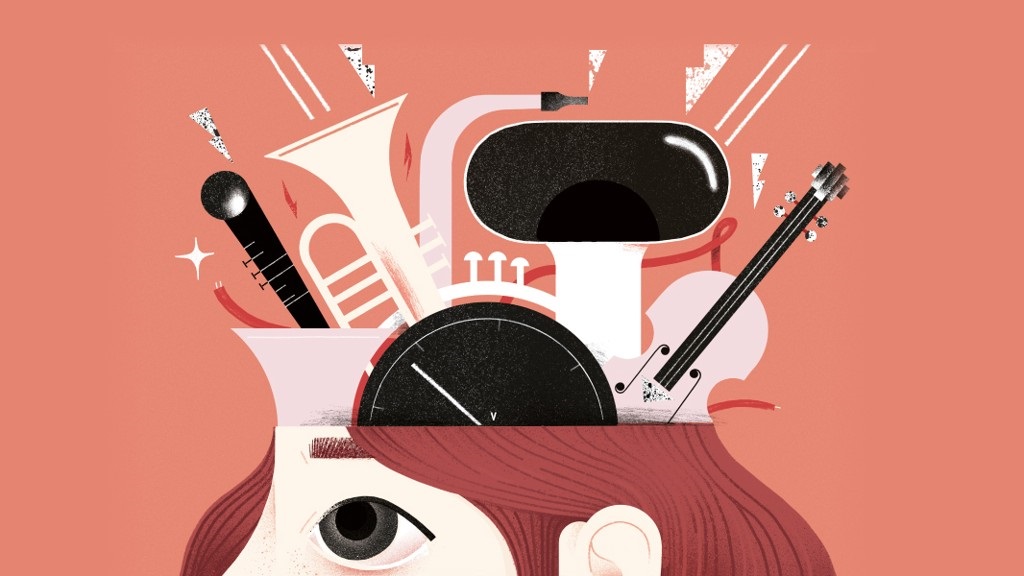
I scream it loudly from the mountain tops, I suffer all the fucking time from mental health issues. I do it because staying silent doesn’t keep me from feeling them and it does nothing for others who are suffering. Yes, it’s embarrassing to talk about it because it feels like a taboo, or something you’re making up, but that’s why we need to talk about it and why you need to keep track of your own mental health.
Day 316: Internships in the pandemic

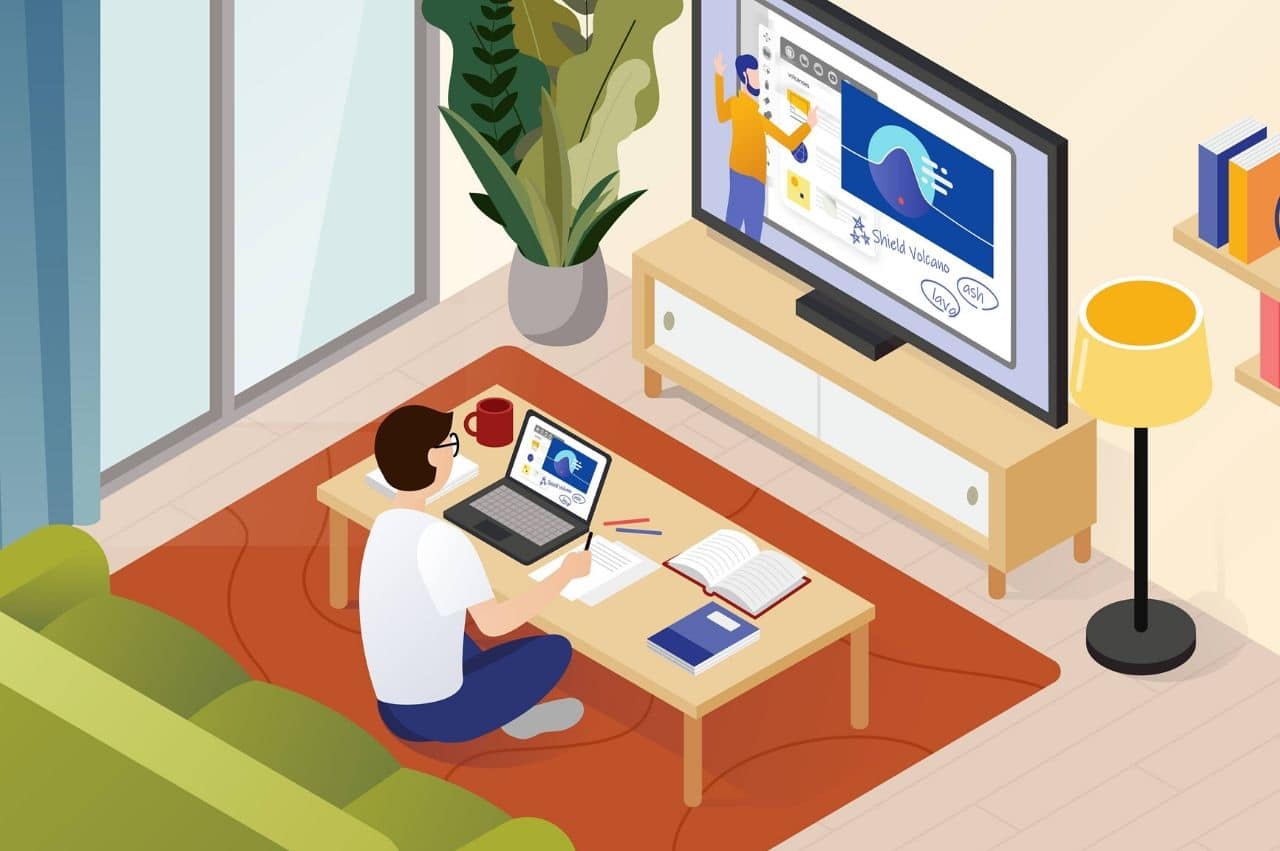
For those of you not in academia, summertime means we get interns in the lab to learn about how research works in a real-life setting. We typically have them help with things that require basic skills, but lets them see how research really happens. This year, we are doing everything virtually thanks to COVID-19. This is a great thing because it really means we’re doing what we can to stop the spread while still giving students a chance to experience research.
Day 315: Neural Engineering in a pandemic


For the past week or so my PI has been away, so I’ve had the chance to work on other projects from home. Unfortunately he returns this week so I’ve got to switch gears from protests, working from home, and undergrad mentoring back to experiments and experimental setup. As the senior student in the lab, I’ve got a lot of responsibilities.
Day 310: Review – Interfacing with alpha motor neurons in spinal cord injury patients
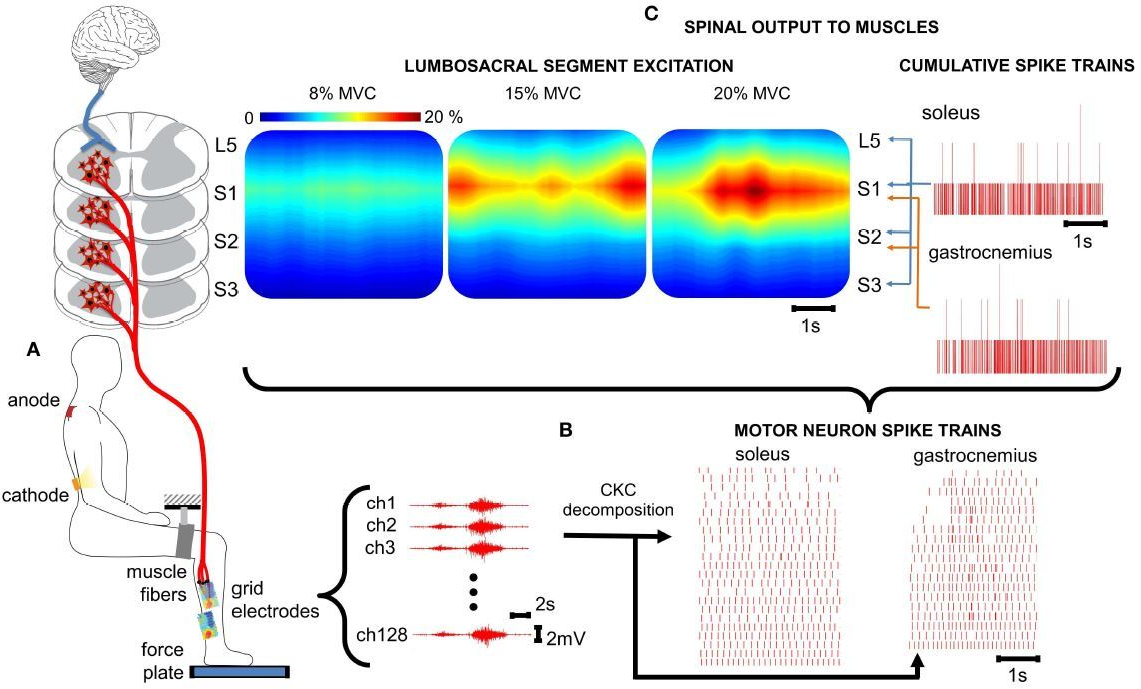
Spatiotemporal spinal maps of ipsilateral a-MNs. (A) Experimental set-up for ankle plantar flexion. (B) HD-EMG is decomposed into a-MN spike trains using a convolutive blind-source separation technique. (C) The spinal output to generate the neural drive to muscles is estimated from the a-MN spike trains.
The world is on fire, we’re protesting for a future, but today I have my review paper due so instead of writing about my frustrations I’m going to share my review. Today we’re looking at the effects of trans-spinal direct current stimulation (tsDCS) on alpha motor neurons and how we can determine that effect using electromyography. It’s actually a very cool paper, the work is well done, and it’s open source so you can read it if you’re interested.
Day 296: Review – Spinal Rhythm Generation by Step-Induced Feedback and Transcutaneous Posterior Root Stimulation in Complete Spinal Cord–Injured Individuals
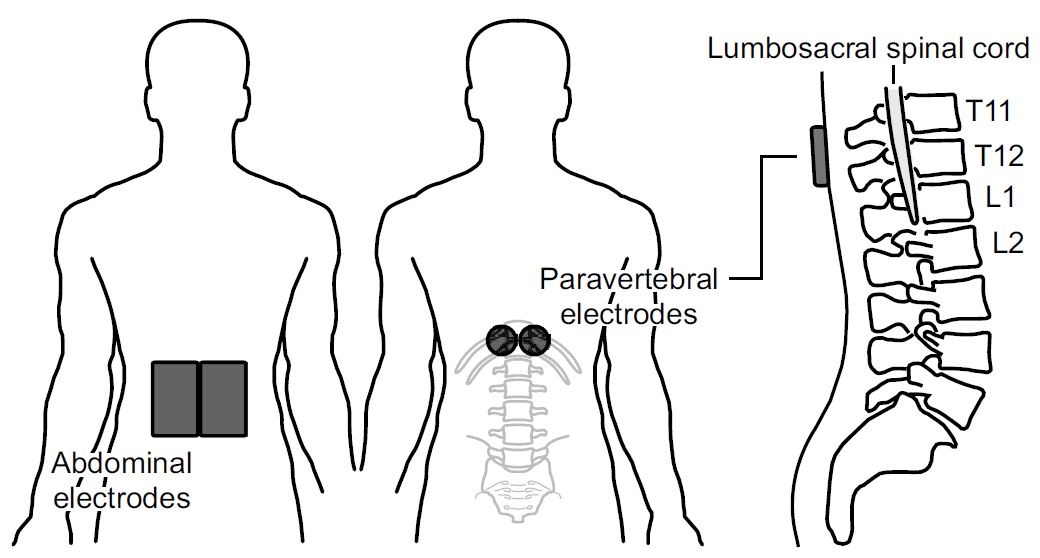
Transcutaneous posterior root stimulation: Paravertebral and abdominal skin electrode placement (this is just a portion of figure 1 of this paper.
Normally I’m somewhat excited to post these, but with everything going on you’ll have to pardon my lack of joy. However, it’s been two weeks so I need to review another paper so I’m sharing it here as well as sending my PI a copy. The study is a few years old, but it’s open access so you can read it if you’re interested. Transcutaneous spinal cord stimulation (TSS) is one part of my research in case you couldn’t tell from all the spinal cord and TSS studies and posts. I find it interesting and it gives me hope that we can help a whole lot of people living with spinal cord injury. Anyway give it a read and get out there and protest for a better world.
Day 282: Review – Transcutaneous spinal cord stimulation of the cervical cord modulates lumbar networks
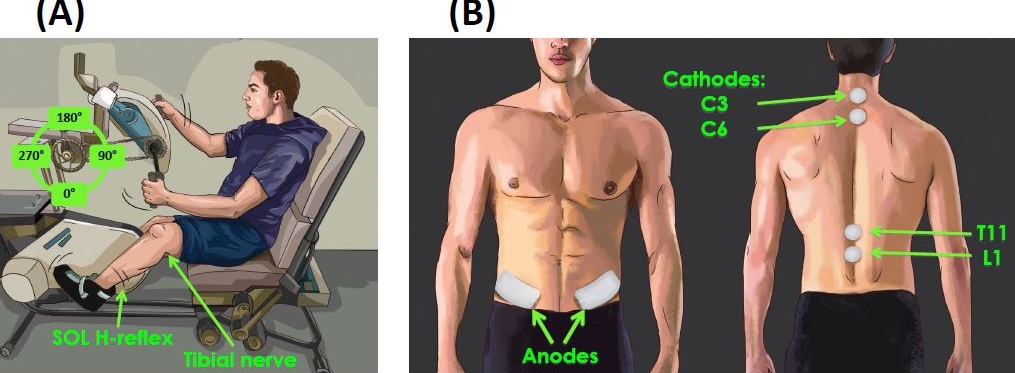
Experimental Setup and tSCS electrode placement (A) H-reflexes were evoked via stimulation of the tibial nerve and recorded in the soleus muscle during a consistent background contraction of ≈5% peak muscle activity. The left leg was held static in an extended position, and stimulation to evoke the H-reflex was delivered with the left arm at 0°. (B) tSCS was delivered via two 2.5 cm round cathodic electrodes placed midline at C3-4 and C6-7 (cervical) or T11 and L1 (lumbar) spinous processes. Two 5 × 10 cm rectangular anodic electrodes were placed bilaterally over the iliac crests.
It’s that time again! My biweekly critical review paper is due for my PI. He gets a copy and so do all of you. This is a particularly interesting study that falls in line with a lot of research that I am doing, so it’s interesting to see how other groups are progressing. Overall I think this is a great study and while it is behind a paywall, I think I summed it up very well. The drawing they did (above) is awesome, especially for a scientific journal where we normally use simple line figures. Anyway, let’s get to it.
Day 268: Review – Magnetospinography visualizes electrophysiological activity in the cervical spinal cord

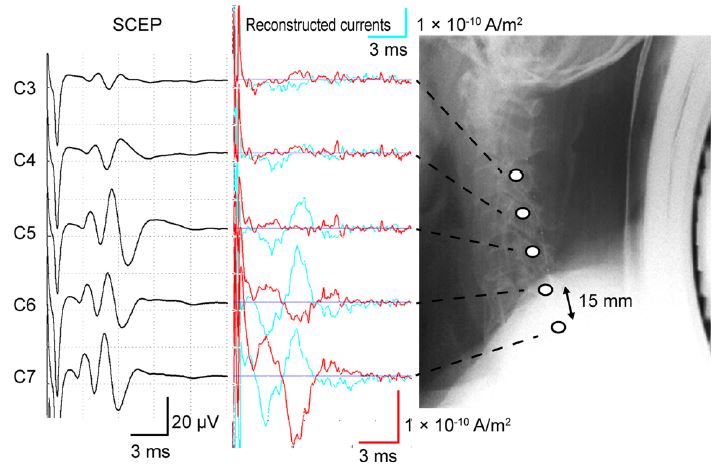
This is the results of the cervical spondylotic myelopathy subject. The left graphs are the ascending spinal cord evoked potentials (this was electrophysiological recordings taken from the epidural space) by stimulation of the lower thoracic cord showing conduction block at the C4/5 disc level. The right graphs are the reconstructed currents at the midline of the cervical spinal canal (red) and 2 cm lateral (blue). The leading component (the first waveform in red) attenuated and disappeared through C4–6, and the trailing component (the second waveform in red) disappeared at C5/6. The perpendicular inflow components greatly attenuated at C4/5 (the second waveform in blue).
Another two weeks, another critical review. This time I was more critical than review, unlike the last one where I was blown away at the possibilities. Why was I more critical with this one? Well in my opinion, the authors took a baby step when they should’ve taken a leap. All that aside, it is an interesting study and one I hope has several follow up experiments. This one is open access as well, so have a read for yourself if you’re interested.
Day 257: Tomorrow…


Well we’re up against the wire now. Tomorrow is the due date for my paper and with it the video I am working on. Will I make it? How much work is left to do? Why am I talking in questions? Find out more… now…?
Day 256: Two days left…


A live shot of me waiting for my data to finish processing
Well here we are and it’s… ♫ the finalllll count dowwwwwn!! ♫ My paper is due sunday at midnight and between the video I need to make, the data that still needs to be processed, and a shitty team mate who has done absolutely nothing to help, well I’ve got my work cut out for me.
Day 255: The impossibility of complete knowledge


Have you ever tried to learn something and you just can’t seem to get it to stick in your brain? That would be my life, well most of my adult life since I left the Marines. There is just so much knowledge in the world and wrapping my brain around even a fraction of a fraction of a fraction of that knowledge seems to be an impossible task. So what is one to do?
Day 254: Review – A Brain to Spine Interface for Transferring Artificial Sensory Information
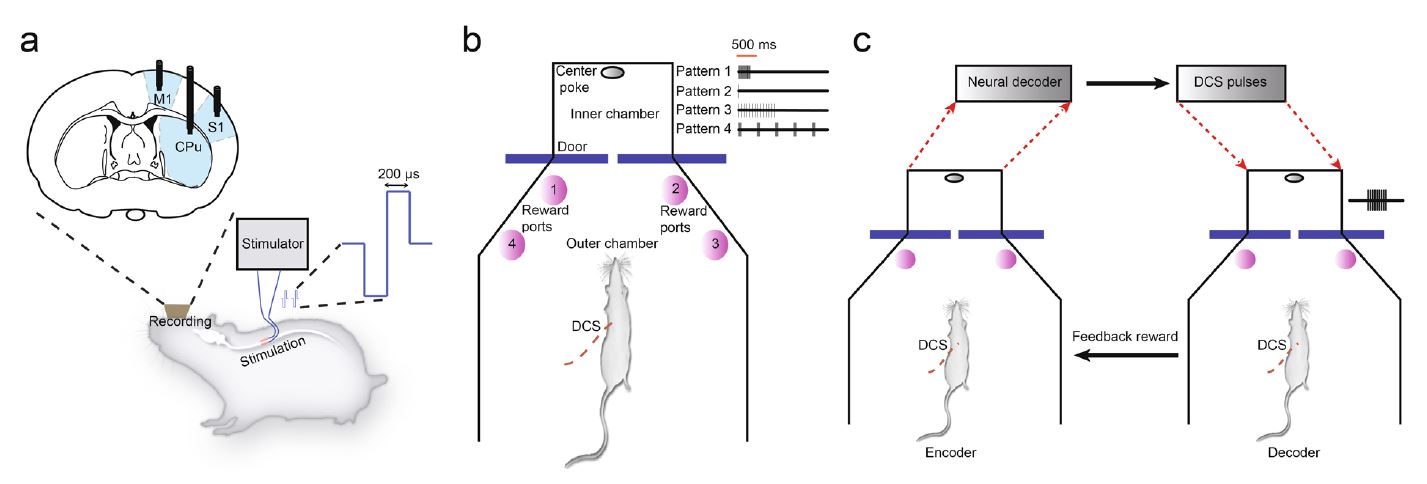
Experimental setup for artificial sensory discrimination using DCS and brain-to-spine interface. (a) Rats were implanted with recording electrodes in motor cortex (M1), somatosensory cortex (S1) and striatum (STR) and dorsal column stimulating electrodes in the thoracic epidural space. (b) Behavioral setup for artificial sensory discrimination using DCS (c) Setup for the brain-to-spine interface consisted of two modified aperture width tactile discrimination boxes.
If you ever were to read one of my review papers, this one’s for you. It’s so awesome and falls in line fairly closely to the things I want to accomplish, albeit going a different route to get there. I’m super excited to share this with all of you and I hope I did the study justice in my summation and while I admit, I had far too much enthusiasm with this one, it shouldn’t take away from just how amazing this is, see for yourself! The study is open access too, so if you want to know more details, you can go take a look!
Day 253: A race to the finish


Well still quite a bit of work to do and some of it was frustrating, but here we are. So let’s run through what I’ve got left to do before the end of the term (ALREADY?!) and talk about the next few posts since I have somewhat of a plan… for once.
Day 252: Dead…line
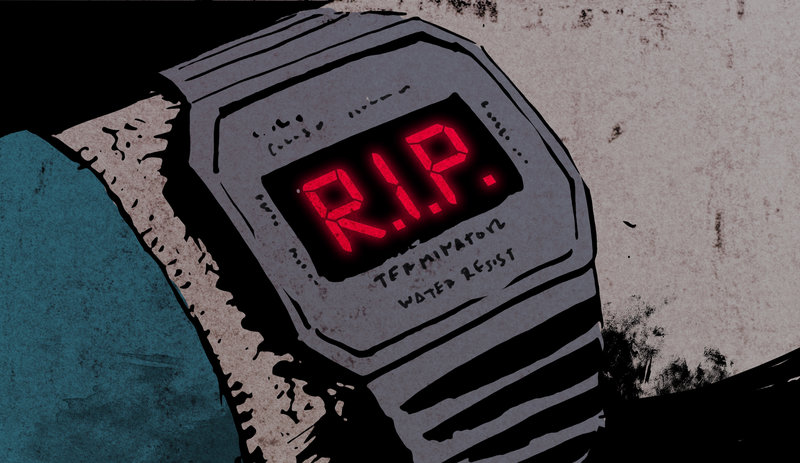
Today is the day, my group presentation is due. Is it done? Well… sort of? Okay not quite, but we’re getting there. My group member still sucks, but since I yelled at him (in a professional manner of course), he’s gotten a little better and has been more responsive, so what’s the hold up? What a great question, let me explain.
Day 251: Deadline tomorrow


Well the apocalypse can’t stop the gears of education. Tomorrow is our final presentation for the class I am in, so there is work to be done and expectation maximization will come another day. For now let’s give a quick rundown of what I’m working on.
Day 250: Maximum Likelihood Estimation
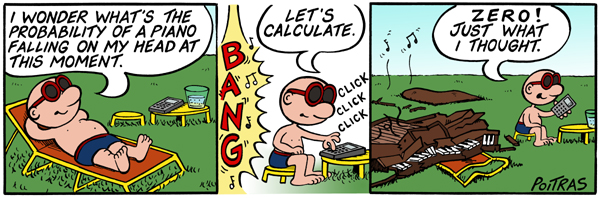
If we are going to talk about expectation maximization (now that I’m done complaining for a bit), we are going to have to introduce the idea of maximum likelihood. It’s going to be very easy to introduce, but it is a very powerful tool in estimating the state of something. Of course, it takes understanding a little bit of statistics, but trust me, if I can understand it, so can you.
Day 249: A stern email later…


Photo of me responding to his email …
I don’t want to jinx it, I really don’t, but I have an update on my group member situation and it isn’t completely awful! I mean, I’m still doing all the work and blah, blah, blah, but I’ve got an interesting story and I hope that things will be better now.
Day 248: A Virtual Conference

Every zoom meeting I try to break my PI and get him to laugh, this was my last attempt, still nothing… my work continues.
This will be my first conference since the pandemic and it will be a virtual one. To be completely honest, it wasn’t until yesterday that I was reminded we had one today. It’s a little bit different from our normal routine and I think that is what is throwing me off.
(more…)
Day 247: The Kalman filter – Part 2
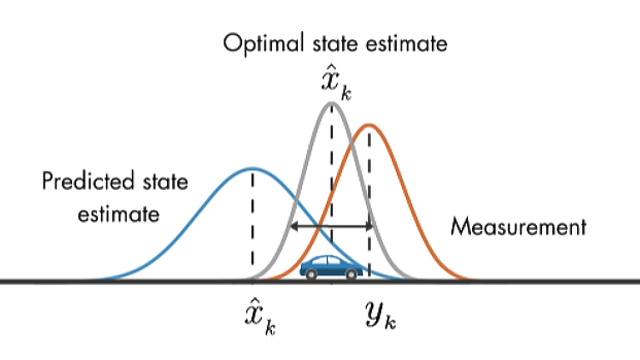
The Kalman filter converges on the optimal state estimate using noisy measurements and a model that we create.
Okay I lied, I think we can do a better job explaining the Kalman filter, more importantly I have a fun little demo I can share with everyone. It’s not mine, but I like it a lot and it will give you a feel for what the kalman filter does. So let’s get started!
(more…)
Day 246: The Kalman filter
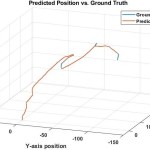
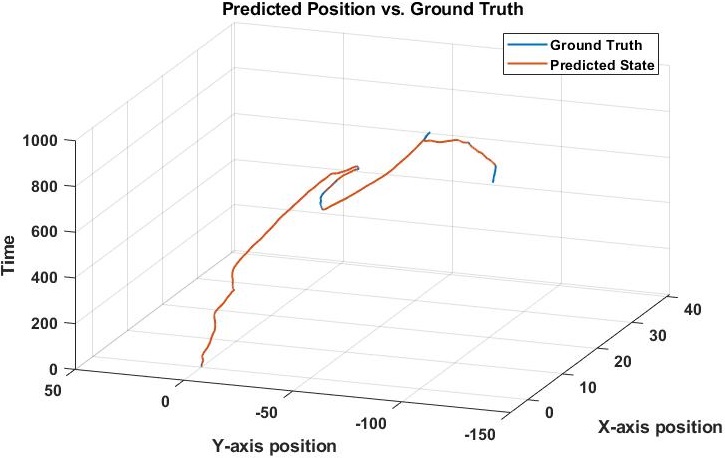
This is just one application for the Kalman filter, I estimated a two dimensional position using a random walk model. We have 3-dimensions here even though it is a 2 dimensional problem, the third dimension is time. This way we can see the path over the course of the recorded time. Notice there are no units, becuase in this case we were working with synthetic data so the units were meaningless and I did not include them.
Since we’ve been talking a lot about it, I thought it might be a good idea to formally introduce the Kalman filter. This will be a semi-high level introduction (like my knowing your spinal cord series), but at the end of it you should have a relatively good feel for what a Kalman filter is.
(more…)
Day 245: Fine, I’ll do it myself.


I will not fail this class becuase of a shitty team member. I will not allow it, I’ve put too much effort and time into this class to do poorly at the last minute because my team member can’t be bothered to do the job he agreed to do. I suppose, this was… inevitable.
Day 244: The end of the term!?


Okay, where the hell did that come from?! It’s almost the end of the school term. WHAT THE HELL!? It feels like we just got started, but my instructor just sent out the final assignment, which is due the last week of school… next week. I’m sort of freaking out right now.
Day 243: Deadlines approaching!


It seems like it’s been non-stop for me left and right. I have experiments to do, papers to write, and classes to work on. With the pandemic I was hoping to get a chance to take a break, but nope it seems like I’m even busier than normal. I HAD thought that I was caught up finally when I finished processing some of the experimental data I had laying around, but nope I was reminded yesterday that I had not one, but two major deadlines coming.
Day 242: Experimenting in the time of a pandemic
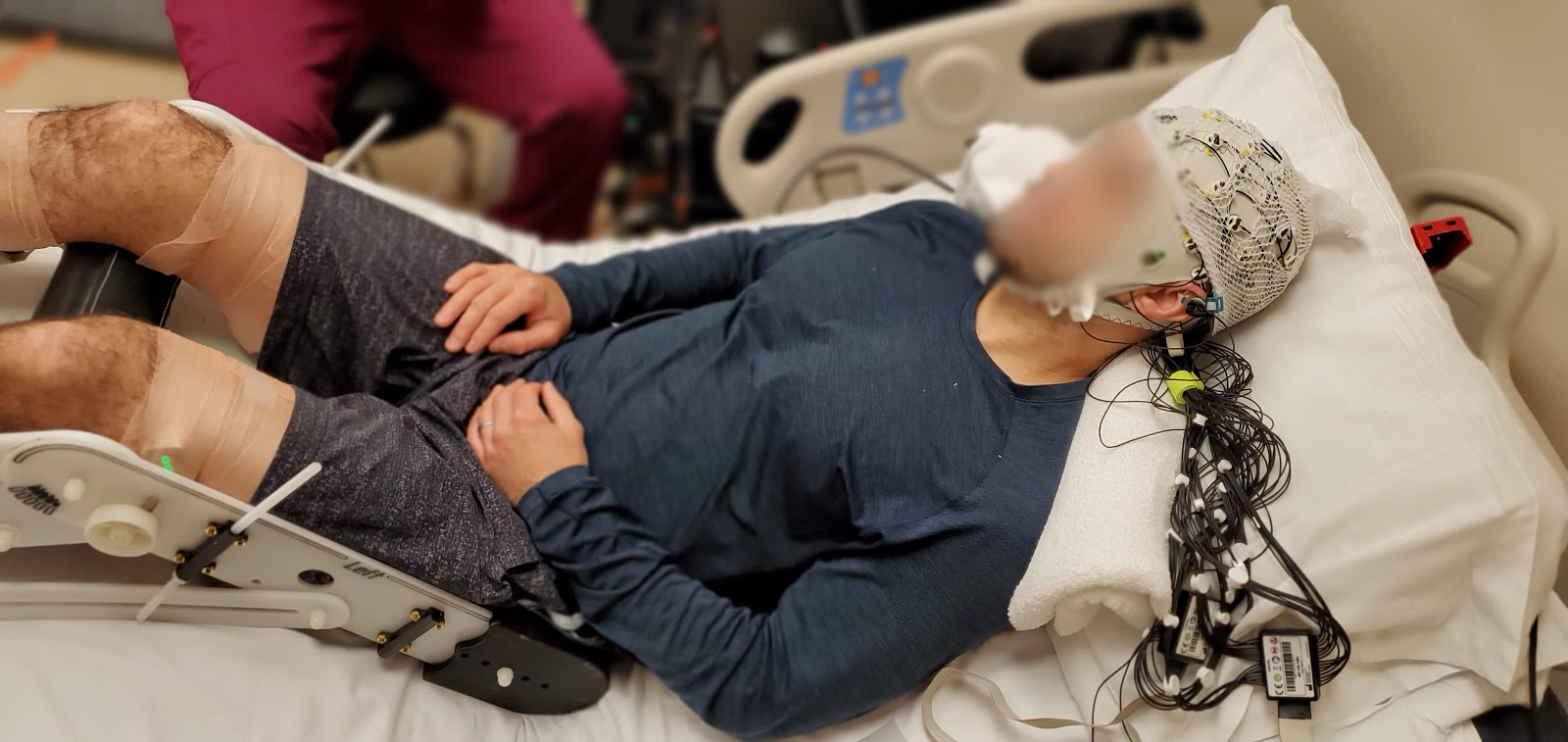
Another day forward in our new normal. I’ve left the house exactly once in the last two weeks and while it’s nice not having to commute to school, I do miss living in a world without the constant fear of catching the virus. What day is it? Who knows, it doesn’t matter anymore. I do have some things coming up though, so let’s talk about experimenting in the age of COVID-19.
Day 239: Review – Burst-modulated waveforms optimize electrical stimuli for charge efficiency and fiber selectivity
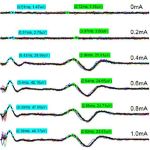
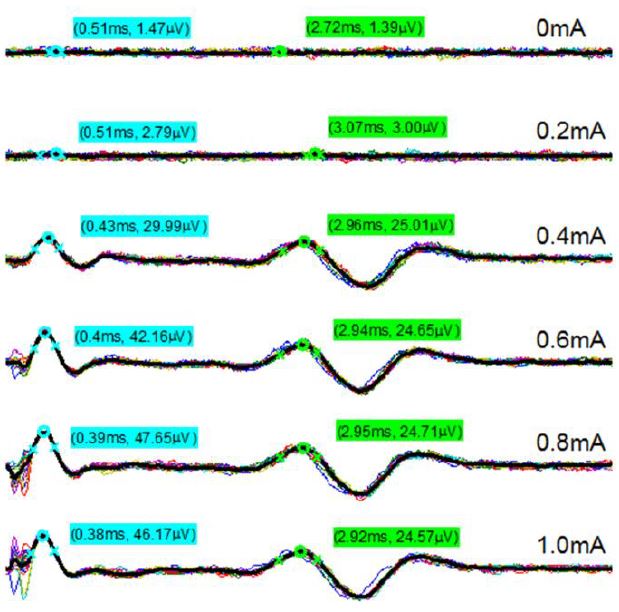
Example processed nerve responses during stimulation trials. The individual CNAP responses for each stimulus (thin traces) were averaged (thick trace, n=20 stimuli). All traces are shown from time 0 to 6ms. The top trace corresponds to an amplitude of 0, the bottom 1mA, and the traces in between are arranged in increments of 0.2mA. Peak latencies and heights (o’s) and widths at half peak height (x’s) were extracted from the averaged signal. The peaks labeled for the 0mA trial are due to noise and baseline activity. These peaks are not actual response peaks from the nerve and are ignored.
Another two weeks, another critical review and as always since my PI gets a copy, so do you. Technically this should’ve come yesterday, but I really wanted to follow up with the Roosevelt mess going on. In any case today we are looking at something not quite spinal cord stimulation, but has applications in the spinal cord stimulation field. Let’s take a look!
Day 225: Class presentations


For the past week we have been utilizing online resources so that classes can continue while we are all social distancing. While this is means that we mostly use Zoom, we also have message boards and other resources that we can use. However, these resources are sometimes a poor substitute for in person classes. This is especially apparent when we have certain assignments for the class, such as a group presentation.
Day 224: Review – Cortical and Subcortical Effects of Transcutaneous Spinal Cord Stimulation
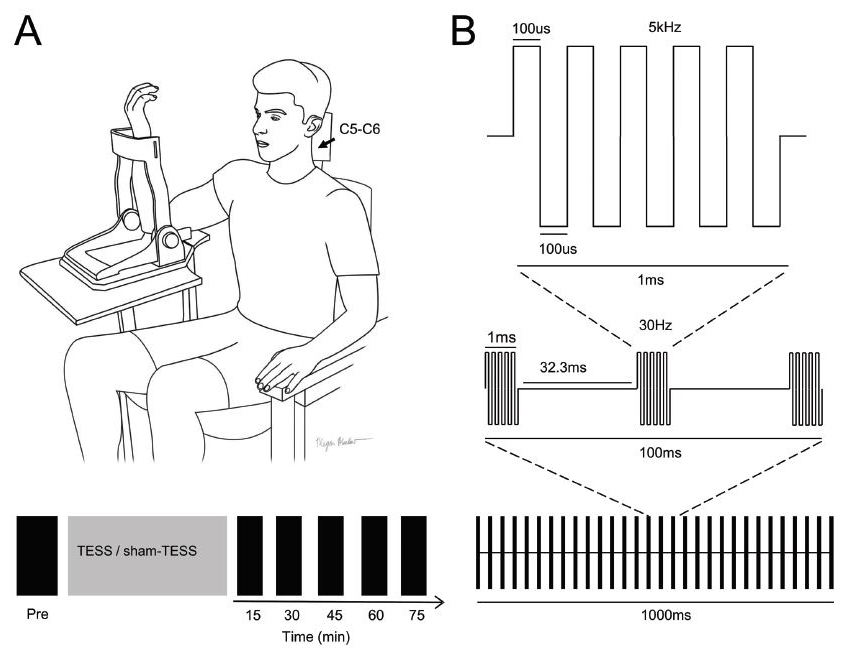
Experimental set-up. (A) Participants were comfortably seated in a customized chair during transcutaneous electrical spinal stimulation (TESS) or sham-TESS for 20 min. TESS was delivered using a surface electrode on the back of the neck between C5–C6 spinous processes segments (cathode) and a surface electrode in each anterior crest of the hip bone (anode) using a custom made 5 channel stimulator (BioStim5, Cozyma). Electrophysiological and behavioral outcomes were tested before (Pre) and immediately after, 15, 30, 45, 60 and 75 min after the end of the stimulation or sham stimulation period. (B) Schematic representation of the type of current used during TESS. We used 5 biphasic pulses at 5kHz with each biphasic pulse lasting for 200us. The middle scheme shows the blocks of 5 biphasic pulses passed at a 30Hz frequency. Lower part of the schematic shows the number of pulses delivered in one second.
Well it’s been two weeks since the last critical review so it’s that time again. As usual, my PI gets a copy and so do all of you. Since I’ve done several of these now (this is number six) I have a category just for these reviews called critical reviews. This is a really new study which tries to help tease apart what we are actually stimulating when we apply transcutaneous spinal stimulation. I think it’s a super interesting paper and I hope you do as well.
Know your spinal cord – The Recap
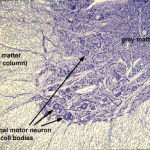
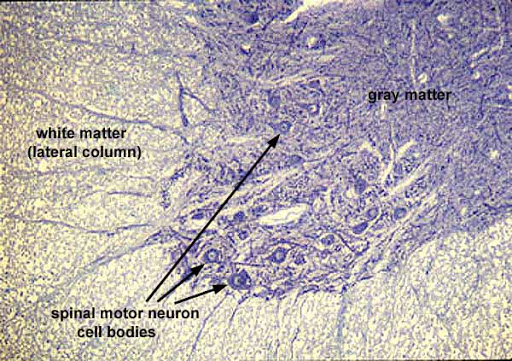
It’s day fifty-four and we’ve hit the end of our journey for this mini-series. For one last time, you can find all our posts in the neuroanatomy category. Everything comes to an end eventually and today I think we should do a small wrap up. This isn’t just a repeat of everything we went over though, we’re going to attempt to tie a lot of the topics together. So let’s give this a shot.
Know your spinal cord – Translating neural signals
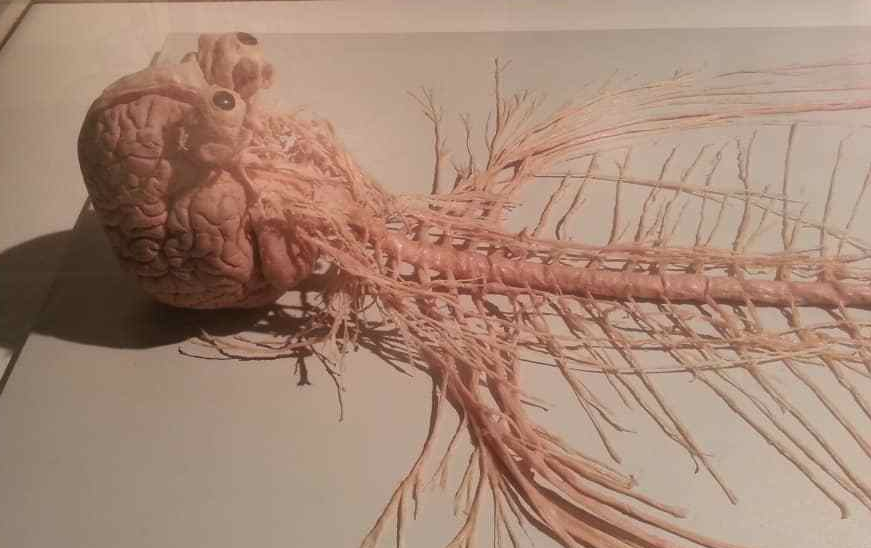
Here we are on day fifty-three, we are nearing the end for sure. I was going to end the series today, but there is at least one more thing that I think will be interesting to cover. As always, you can find all of our posts in the neuroanatomy category, after all there are quite a few now. Today we are going to talk about how the brain and muscles use different signals to communicate. Basically, they speak different languages; let’s talk about what that means.
Know your spinal cord – Transcutaneous spinal direct current stimulation
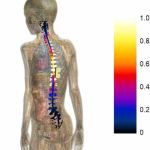
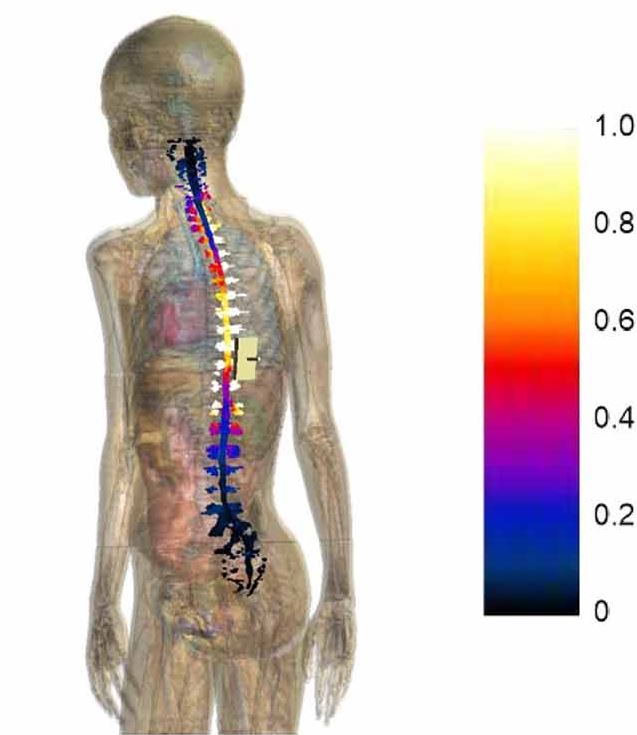
E amplitude distribution over the spinal cord and nerve surface. The color scale on the right is normalized with respect to the maximum of E amplitude in the spinal cord.
Well after our short break yesterday with my biweekly review paper, it’s back to the know your spinal cord series and we’re on day fifty-two! If you’re here for the first time, you can find the posts in this mini-series in the neuroanatomy category. We’ve taken a few twists and turns since we’ve started the series, but we’ve covered way more than I originally planned. We’ve covered how transcutaneous spinal cord stimulation is thought to work, that post focused on the type of spinal cord stimulation I’m researching. However, there are other ways to stimulate the cord. Transcutaneous spinal direct current stimulation (tsDCS) is a different way to stimulate and today we will talk about the difference.
Day 210: Review – Cervical trans-spinal direct current stimulation: a modelling-experimental approach
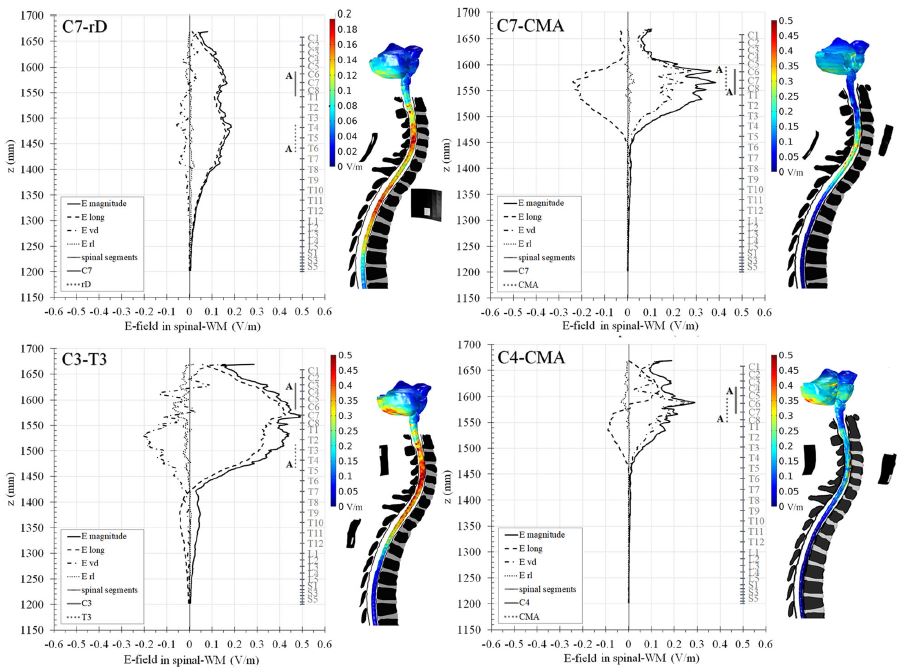
Average magnitude of the E-field and average amplitude of its components in the spinal-WM in all montages along the z axis. Position of spinal segments is marked on the grey vertical bar, electrodes are represented by vertical bars and active connectors are marked with letter “A”. Volume plots of the E-field magnitude in cervico-thoracic spinal-WM, brainstem and cerebellum are represented at the right of the average distribution in each montage, with the corresponding colour scales
I lied! I did know what today was going to be on, it’s the fifth critical review paper. Since my PI gets a copy, so do you! To be honest, I need to create a category for these reviews (Update: I did make a category, Critical reviews), but for now, my first looking at elbow spinal stretch reflexes is here. My second where I review modulating spinal cord excitability with a static magnetic field here. The third where I review modulating the H-reflex while walking in spinal cord injury populations. Lastly, my fourth on Motoneuron excitability during voluntary muscle activity in a spinal cord injury population can be found here. That said, let’s take a look at my latest review.
Know your spinal cord – Microglia
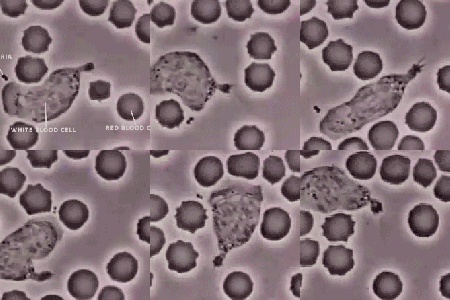
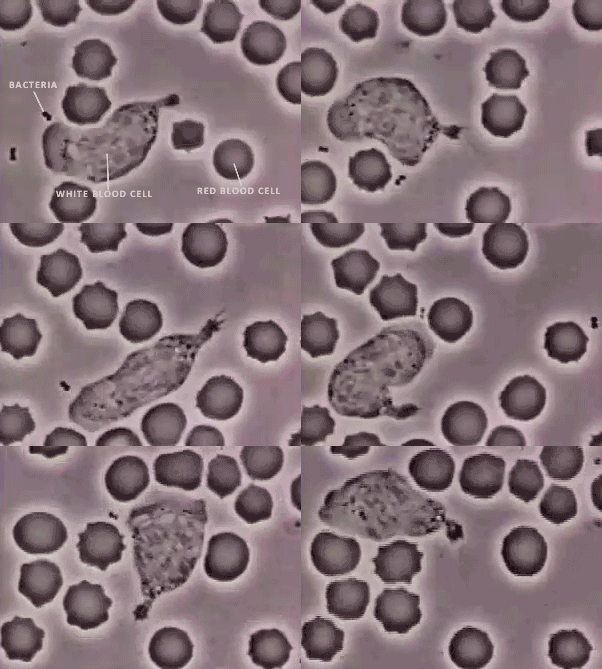
We cover this in the post, but it’s so cool I had to use it for the featured image.
It’s day fifty-one of knowing your spinal cord! For those of you who just found us, fear not we have all these posts in reverse chronological order listed in our neuroanatomy category. For everyone else, lately we’ve been talking about glial cells. This came about from the post on glial scarring which made me realize we should probably define glia. There are four types of glial cells found in the spinal cord (that we know of) we’ve covered three of them already and today we are talking about the last kind, the microglia.
Know your spinal cord – Ependymocytes
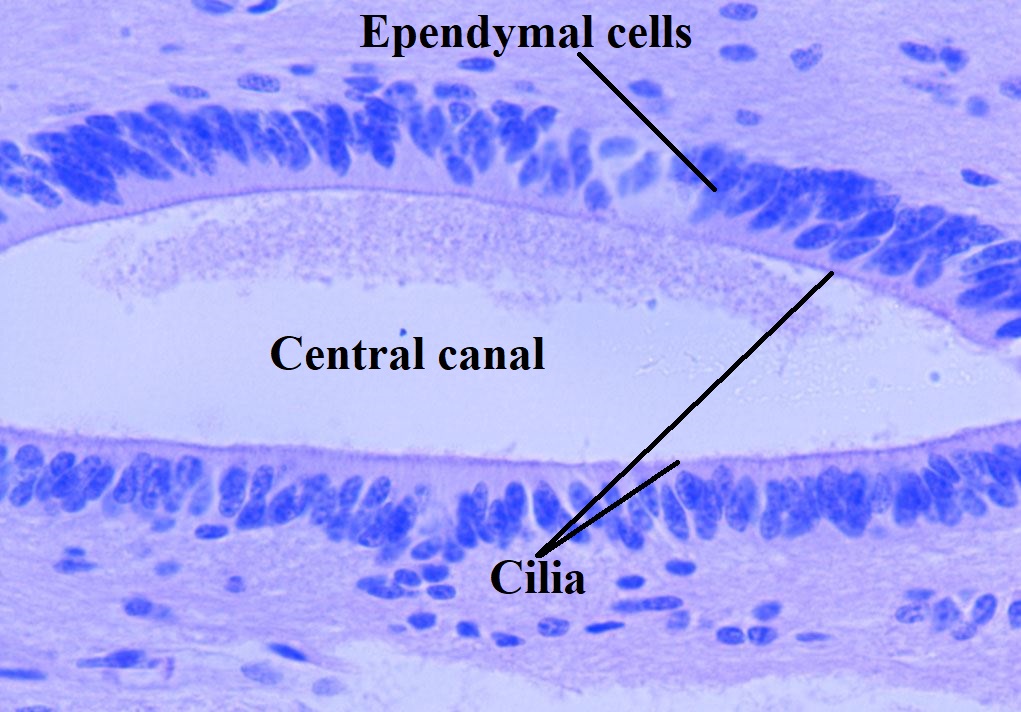
Ependymal cells, which create cerebral spinal fluid (CSF), line the ventricles of the brain and central canal of the spinal cord. These cells are cuboidal to columnar and have cilia and microvilli on their surfaces to circulate and absorb CSF.
We made it to yet another milestone, day fifty in our know your spinal cord series! As usual, you can find each and every one of these posts neatly organized in reverse chronological order using our neuroanatomy category. For the past couple of posts, we’ve introduced the types of glial cells, probably a bit poorly, but they are just so complex we can only really focus on a few of the functions. Needless to say they are very important cells. Today we are talking about the third (of four) types of glial cells found in the spinal cord (and brain), that is the ependymocyte. Let’s take a look.
Know your spinal cord – Astrocytes
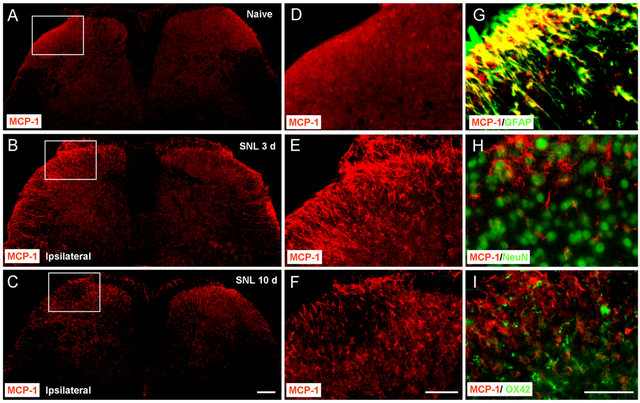
SNL induces MCP-1 upregulation in spinal cord astrocytes (A–C)MCP-1 expression in the spinal cord of naïve animals (A) and SNL animals at 3 days (B) and 10 days (C). Scale bar, 200 μm. (D–F) High magnification images of (A–C), indicated in the white boxes of A–C, show the dorsal horn of the ipsilateral spinal cord. Scale bar, 100 μm. (G–I) Double staining shows that MCP-1 is colocalized with GFAP, a marker for astrocytes (G), but not with NeuN, a marker for neurons (H) or OX42, marker for microglia (I). Scale bar, 50 μm. DOI: 10.1523/JNEUROSCI.3623-08.2009
Day forty-nine in the spinal cord series! You can find all the posts in this series in our super useful neuroanatomy category. A couple of posts back we introduced glial scarring, one of the problems we need to overcome to help people with spinal cord injuries. That led to the realization that we needed to introduce the glial cells, so yesterday we covered the oligodendrocytes and today we are talking about the astrocyte. Now that we have some background of how we got here, let’s introduce today’s topic.


 Lunatic Laboratories