Racial stereotypes and expectations can impact the way we communicate and understand others, according to new research. The new study highlights how non-verbal “social cues” – such as photographs of Chinese Canadians – can affect how we comprehend speech.
Latest
Health factors influence ex-prisoners’ chances of returning to jail
Ex-prisoners with a history of risky drug use, mental illness or poverty are more likely to end up back behind bars. Those who are obese, are chronically ill or have attempted suicide are more likely to remain in the community. These are some of the findings from an exploratory study into health-related factors that could be used to predict whether a person released from prison will end up in custody again.
The new normal? Addressing gun violence in America
Mass shootings have a significant impact on our individual and collective psyche, especially when they happen at schools. Despite the fact that children die every day from gun violence, school shootings upset us in ways that are difficult to comprehend. In our minds, schools serve as safe havens for children. When that image is shattered, the unpredictability and randomness of such heinous acts leave us wondering if anywhere is safe anymore. Thus, the shock and horror expressed following these events is not surprising.
Restricting firearms access for people who misuse alcohol may prevent violence
Restricting access to firearms for people who misuse alcohol could prevent firearm violence, but policies that more clearly define alcohol misuse should be developed to facilitate enforcement, according to a review of existing research and public policies by the UC Davis Violence Prevention Research Program.
Expanding the code of life with new ‘letters’
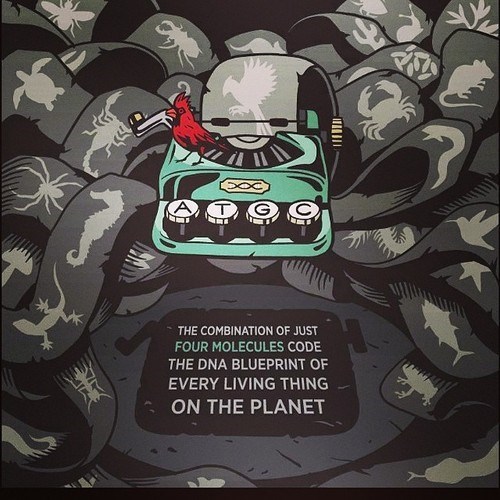
The DNA encoding all life on Earth is made of four building blocks called nucleotides, commonly known as “letters,” that line up in pairs and twist into a double helix. Now, two groups of scientists are reporting for the first time that two new nucleotides can do the same thing — raising the possibility that entirely new proteins could be created for medical uses.
A Lunatic Laboratories project “semi” reveal
This isn’t a science blog.
Okay, this isn’t just a science blog.
In the just shy of a year that the official Lunatic Laboratories website was set up we have yet to give you, the readers, an update. Some of you are following for the science, some for the conversation (which I must say is top notch thanks to all of you who take the time to leave us here a note), and some of you — we are not sure how many — are here specifically for new, exciting, and innovative… well inventions.
Babies can think before they can speak
Two pennies can be considered the same — both are pennies, just as two elephants can be considered the same, as both are elephants. Despite the vast difference between pennies and elephants, we easily notice the common relation of sameness that holds for both pairs. Analogical ability — the ability to see common relations between objects, events or ideas — is a key skill that underlies human intelligence and differentiates humans from other apes.
Researchers find essential fats for brain growth

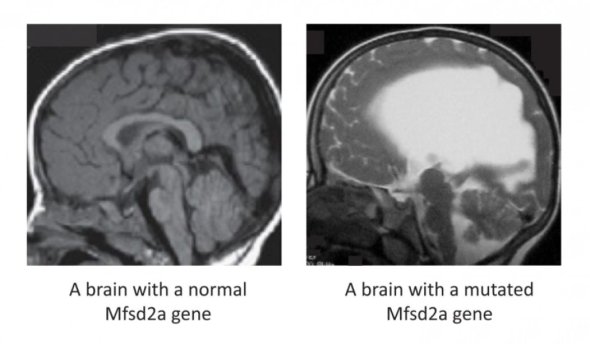
The difference between a brain with a normal Mfsd2a gene and a brain with a mutated Mfsd2a gene.
Image credit goes to: Guemez-Gamboa et al./ Nature Genetics
New research has proved that certain special fats found in blood are essential for human brain growth and function. The two studies showed that mutations in the protein Mfsd2a causes impaired brain development in humans. Mfsd2a is the transporter in the brain for a special type of fat called lysophosphatidylcholines (LPCs) — composed of essential fatty acids like omega-3. These studies show, for the first time, the crucial role of these fats in human brain growth and function.
This is your brain, on video games
A new study shows that while video game players (VGPs) exhibit more efficient visual attention abilities, they are also much more likely to use navigation strategies that rely on the brain’s reward system (the caudate nucleus) and not the brain’s spatial memory system (the hippocampus). Past research has shown that people who use caudate nucleus-dependent navigation strategies have decreased grey matter and lower functional brain activity in the hippocampus.
Omega-3 as an intervention for childhood behavioral problems
We don’t usually think of a child’s behavior as a diet issue, but if new findings hold true, then that might be the very case. In a new study, researchers suggest that omega-3, a fatty acid commonly found in fish oil, may have long-term neurodevelopmental effects that ultimately reduce antisocial and aggressive behavior problems in children.
Air pollution is causing your baby problems, but breastfeeding can help
Aitana Lertxundi has conducted her research work within the framework of the INma (Childhood and Environment) programme led by Jesús Ibarluzea of the Department of Health of the Government of the Basque Autonomous Community (region). The aim is to assess how exposure to environmental pollution during pregnancy affects health and also to examine the role of diet in physical and neurobehavioural development in infancy. The study focusses on the repercussions on motor and mental development during the first years of life caused by exposure to the PM2.5 and NO2 atmospheric pollutants.
Are infections making you stupid?
New research shows that infections can impair your cognitive ability measured on an IQ scale. The study is the largest of its kind to date, and it shows a clear correlation between infection levels and impaired cognition. Anyone can suffer from an infection, for example in their stomach, urinary tract or skin. However, a new Danish study shows that a patient’s distress does not necessarily end once the infection has been treated.
Tiny grains of lithium dramatically improve performance of fusion plasma
While fusion might still be a far off dream, a new discovery may help bring that dream closer to reality. Scientists have discovered a phenomenon that helps them to improve fusion plasmas, a finding that could quicken the development of large scale fusion energy. The scientists found that when they injected tiny grains of lithium into a plasma undergoing a particular kind of turbulence then, under the right conditions, the temperature and pressure rose dramatically.
Which is most valuable: Gold, cocaine or rhino horn?
Many of the world’s largest herbivores — including several species of elephants, rhinoceroses, hippopotamuses and gorillas — are in danger of becoming extinct. And if current trends continue, the loss of these animals would have drastic implications not only for the species themselves, but also for other animals and the environments and ecosystems in which they live, according to a new report by an international team of scientists.

The relationship between CEO greed and company performance
That gut feeling many workers, laborers and other underlings have about their CEOs is spot on, according to three recent studies which all suggest that CEO greed is bad for business.But how do you define greed? Are compassionate CEOs better for business? How do you know if the leader is doing more harm than good? And can anybody rein in the I-Me-Mine type leader anyway?
The fingerprint drug test
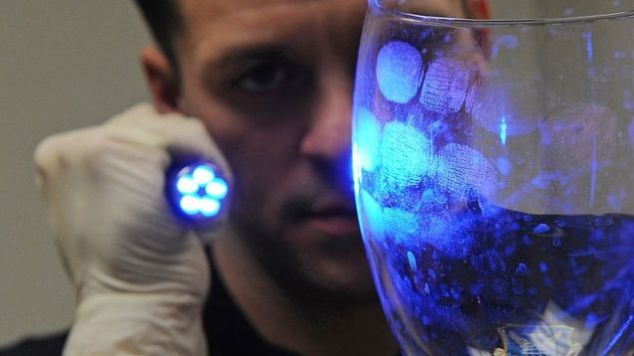
Researchers have demonstrated a new, noninvasive test that can detect cocaine use through a simple fingerprint. For the first time, this new fingerprint method can determine whether cocaine has been ingested, rather than just touched.
Educating the immune system: A vaccine for allergies
With the arrival of spring, millions of people have begun their annual ritual of sneezing and wheezing due to seasonal allergies. However, a Canadian research team is bringing them hope with a potential vaccine that nudges the immune response away from developing allergies. The findings have major clinical implications since allergies and asthma are lifelong conditions that often start in childhood and for which there is presently no cure.
Can drinking alcohol harm the child before the mother knows she is pregnant?

Photo credit goes to: Cute moments photography

These days pregnant “moms to be” have lots of things to worry about, from second hand smoke to the chemicals in their make-up. Well they can unfortunately add one more thing to that list, a new study finds that alcohol drunk by a mouse in early pregnancy changes the way genes function in the brains of the offspring. The early exposure was also later apparent in the brain structure of the adult offspring. The timing of the exposure corresponds to the human gestational weeks 3-6 in terms of fetal development.
Rethinking the rebound: The unexpected effects of rejection

Image credit goes to: Cyanide and happiness … I think?
It’s portrayed in movies again and again – a character gets rejected by someone attractive and then falls willingly into the arms of someone perhaps less attractive. According to a new study, it’s not so simple: Rejection by an attractive man actually led women to socially distance themselves from an unattractive man, even when he offered acceptance.
GMO beef with the heart benefits of fish, why not?
Sometimes you just want beef, but beef is high in omega-6 fatty acids and low in the omega-3 type. Conversely, different types of fish are high in omega-3, but we all know they don’t compare to that tasty burger flavor. So what’s a beef lover to do, well if you’re in China you might have some options! Chinese scientists have reared beef rich in the beneficial fatty acids associated with fish oils.
(More) bad news for Vets: PTSD linked to accelerated aging
Before PTSD had a name there was shellshock. It was mysterious and much like today, not everyone showed symptoms so — for the most part — it was written off. In recent years however, public health concerns about post-traumatic stress disorder (PTSD) have risen significantly, driven in part by affected military veterans returning home. While this has opened the door for better care for people suffering from PTSD, it has also lead to some startling revelations about the extent of damage. New research that was just released, sad to say, doesn’t bode well for people with PTSD either.
Nanoparticles in products can significantly alter normal gut microbiome
Nanoparticles, it’s the new buzzword that cosmetics and even consumer “anti-aging” products use to promote their brand. As the word suggests, nanoparticles are small and it shouldn’t be too surprising that these nanoparticles are causing problems in nature because of their prevalence. In that light, it might not be a surprise that there could also be some serious health issues associated with these nanoparticles.
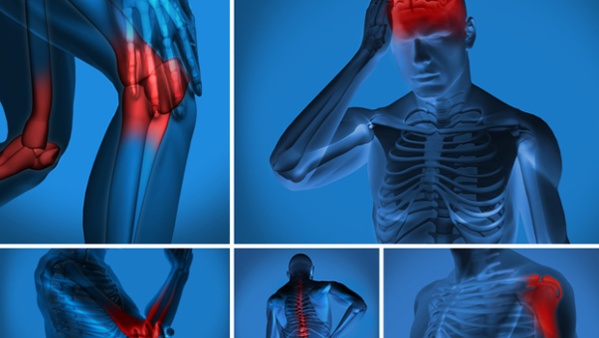
Researchers find new clues in treating chronic pain
A chemical in the brain typically associated with cognition, movement and reward-motivation behavior — among others — may also play a role in promoting chronic pain, according to new research. The chemical, dopamine, sets the stage for many important brain functions, but the mechanisms that cause it to contribute to chronic pain are less well understood.
Mind reading: Researchers observe moment a mind is changed
Researchers studying how the brain makes decisions have, for the first time, recorded the moment-by-moment fluctuations in brain signals that occur when a monkey making free choices has a change of mind. The findings result from experiments led by electrical engineering Professor Krishna Shenoy, whose Stanford lab focuses on movement control and neural prostheses – such as artificial arms – controlled by the user’s brain.

Fracked, shale-drilling additives in drinking-water taps near leak
Shale oil has helped the US see lower gas prices and even an opportunity to start exporting. However, it isn’t as great as it might sound, hydraulic fracturing — also known as fracking — has been scrutinized by environmentalists since it’s inception. As it turns out, for good reason, substances commonly used for drilling or extracting Marcellus shale gas foamed from the drinking water taps of three Pennsylvania homes near a reported well-pad leak, according to new analysis from a team of scientists.

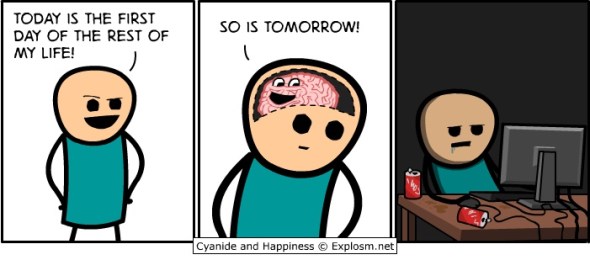
Procrastinate much? Science offers a way to stop

See more comics at explosm.net
Procrastination is the thief of time that derails New Year’s resolutions and delays saving for college or retirement, but researchers have found a way to collar it.
The trick? Think of the future as now.
Walking an extra two minutes each hour may offset hazards of sitting too long
Eat less, workout more, these are the messages we are being sent almost on a daily basis. But how do we quantify “more” and who really should listen to that advice? Well a new study suggests that engaging in low intensity activities such as standing may not be enough to offset the health hazards of sitting for long periods of time. On the bright side, adding two minutes of walking each hour to your routine just might do the trick.
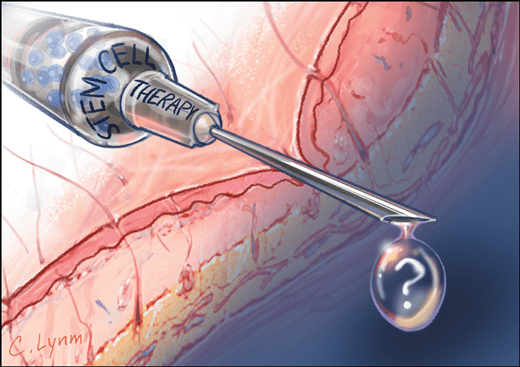
US clinics avoiding government oversight of ‘stem cell’ treatments
Clinics across the United States are advertising stem cell treatments that attempt to take advantage of what they perceive as exceptions in FDA regulations.The therapies in question are adipose-derived autologous stem cell treatments, in which fat cells are removed from a patient, broken down to separate components that purportedly contain stem cells, and are then reinjected into the same patient.
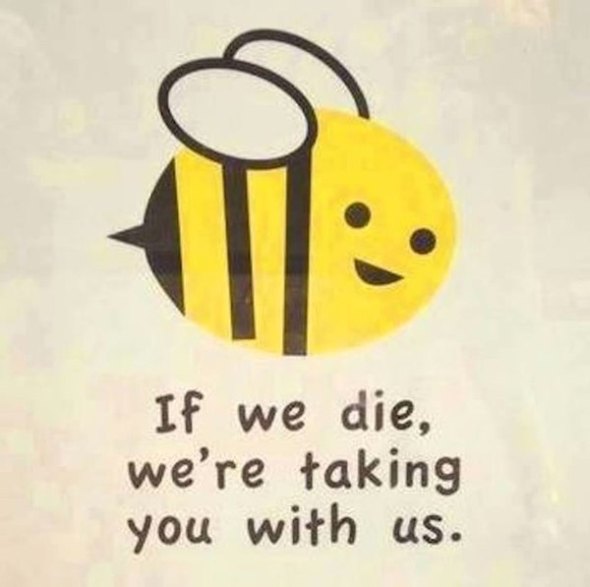
Pesticides alter bees’ brains, making them unable to live and reproduce adequately
A new report suggests that a particular class of pesticides called “neonicotinoids” wreaks havoc on the bee populations, ultimately putting some crops that rely on pollination in jeopardy. Specifically, these pesticides kill bee brain cells, rendering them unable to learn, gather food and reproduce. The report, however, also suggests that the effects of these pesticides on bee colonies may be reversible by decreasing or eliminating the use of these pesticides on plants pollinated by bees and increasing the availability of “bee-friendly” plants available to the insects.
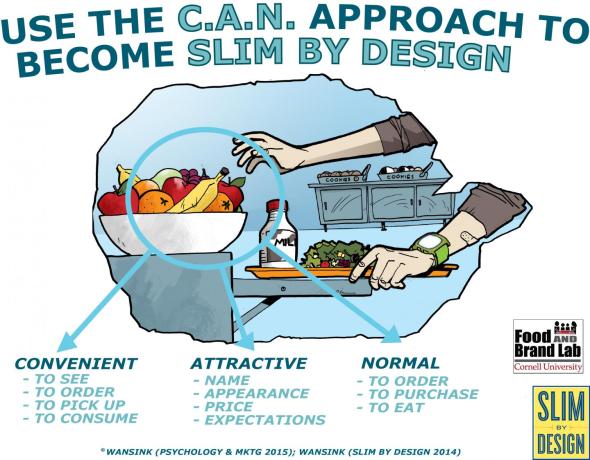
Psychologists share the three secrets to healthier eating
You don’t need a crazy diet to lose weight. In fact, your typical fad diet won’t help you keep weight off long term and could be harming your health. If you want to know the secrets of healthier eating, think of the kitchen fruit bowl. A fruit bowl makes fruit more convenient, attractive, and normal to eat than if the same fruit were in the bottom of the refrigerator.
The adolescent brain on alcohol: Changes last into adulthood
Repeated alcohol exposure during adolescence results in long-lasting changes in the region of the brain that controls learning and memory, according to a research team at Duke Medicine that used a rodent model as a surrogate for humans. The study provides new insights at the cellular level for how alcohol exposure during adolescence, before the brain is fully developed, can result in cellular and synaptic abnormalities that have enduring, detrimental effects on behavior.
Google searches for ‘n-word’ associated with black mortality
Google searches could unveil patterns in Black mortality rates across the US, according to a new study. Researchers found that those areas with greater levels of racism, as indexed by the proportion of Google searches containing the “n-word,” had higher mortality rates among Blacks. The study is the first to examine an Internet query-based measure of racism in relation to mortality risk.
Fatal attraction: the intuitive appeal of GMO opposition
A team of Belgian philosophers and plant biotechnologists have turned to cognitive science to explain why opposition to genetically modified organisms (GMOs) has become so widespread, despite positive contributions GM crops have made to sustainable agriculture. They argue that the human mind is highly susceptible to the negative and often emotional representations put out by certain environmental groups and other opponents of GMOs. The researchers urge the general public to form opinions on GMOs on a case-by-case basis, thereby not focusing on the technology but on the resulting product.
Mental disorders do not predict violence, so please stop
When Sandy Hook happened, it was so shocking that to this day, some don’t actually believe it happened. Shortly after, something frustrating happened, the shooter was labeled with aspergers. This helped drive the mental health and violence connection to the point that Time came out with an article dispelling that myth. Even now according to new longitudinal study of delinquent youth, most psychiatric disorders – including depression — do not predict future violent behavior. The only exception is substance abuse and dependence.
Diabetes drug found in freshwater potential cause of intersex fish

UWM School of Freshwater Sciences researcher Nicholas Niemuth studies minnows that are being raised in water heavy with pharmaceuticals to measure the drugs’ effects.
A medication commonly taken for Type II diabetes, which is being found in freshwater systems worldwide, has been shown to cause intersex in fish –or male fish that produce eggs. The study determined exposure to the diabetes medicine metformin causes physical changes in male fish exposed to doses similar to the amount in wastewater effluent.
Scientists create worlds first genetically modified human embryos
A funny thing happened on the way to the publisher. In a world first, China has successfully created genetically modified human embryos. It was certainly an amazing piece of science, but the paper was rejected by both Nature and Science. Not because the study was flawed, or because the data was falsified, the paper was rejected for ethical reasons.
Whooping cough: A small drop in vaccine protection can lead to a case upsurge
In 2012 the USA saw the highest number of pertussis (whooping cough) cases since 1955. New research finds that a likely explanation for this rise in disease is a drop in the degree of vaccine protection for each vaccinated individual. The team worked with 60 years of pertussis disease data to determine what best explained the recent increase in the disease.
Researchers find genetic link between overactive and underactive immune systems
In the largest genetic study to date of a challenging immunodeficiency disorder, scientists have identified a gene that may be a “missing link” between overactive and underactive immune activity. The gene candidate also plays a key role in autoimmune diseases such as type 1 diabetes, rheumatoid arthritis and even allergies.
Type 1 diabetes: On the way to an insulin vaccine
Pseudoscience claims about vaccines are seemingly hitting a fever pitch. Despite that, a new vaccine may be on the horizon for children at risk for diabetes, and that is a good thing. Researchers have found that children at risk for type 1 diabetes, who were given daily doses of oral insulin, developed a protective immune response to the disease that could lay the groundwork for a vaccine against the chronic illness.
Black hole hunters tackle a cosmic conundrum
While mass media was busy misquoting Stephen Hawking and arguing about black holes, astrophysicists have been hard at work trying to solve still unanswered questions about them. Now a team has not only proven that a supermassive black hole exists in a place where it isn’t supposed to be, but in doing so have opened a new door to what things were like in the early universe.
Botox makes unnerving journey into our nervous system
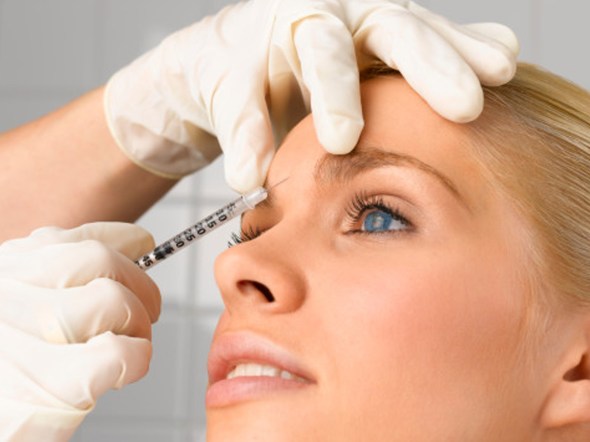
New research might bring a frown to even the most heavily botoxed faces, with scientists finding how some of the potent toxin used for cosmetic surgery escapes into the central nervous system. Researchers have shown how Botox – also known as Botulinum neurotoxin serotype A – is transported via our nerves back to the central nervous system.
Study links brain anatomy, academic achievement, and family income
Many years of research have shown that for students from lower-income families, standardized test scores and other measures of academic success tend to lag behind those of wealthier students. Well now a new study offers another dimension to this so-called “achievement gap”After imaging the brains of high- and low-income students, they found that the higher-income students had thicker brain cortex in areas associated with visual perception and knowledge accumulation.
Artificial blood vessel lets researchers assess clot removal devices
For the first time, researchers have created an in vitro, live-cell artificial vessel that can be used to study both the application and effects of devices used to extract life-threatening blood clots in the brain. The artificial vessel could have significant implications for future development of endovascular technologies, including reducing the need for animal models to test new devices or approaches.
Could maple syrup help cut use of antibiotics?
Another reason to have those waffles… well maybe. Researchers have found that a concentrated extract of maple syrup makes disease-causing bacteria more susceptible to antibiotics. In an ever increasing antibiotic resistant world, this news is almost as sweet as the syrup (okay no more bad puns). The findings suggest that combining maple syrup extract with common antibiotics could increase the microbes’ susceptibility, leading to lower antibiotic usage.
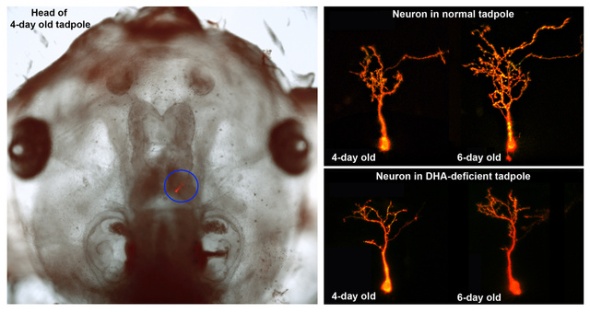
Brain development suffers from lack of fish oil fatty acids
While being inundated with advertisements directed at moms to be, skeptical parents should question the supposed health benefits of anything being sold. However, while recent reports question whether fish oil supplements support heart health, scientists have found that the fatty acids they contain are vitally important to the developing brain. Meaning there might actually be truth in advertising — this time at least.