
Day 87: Classifier progress
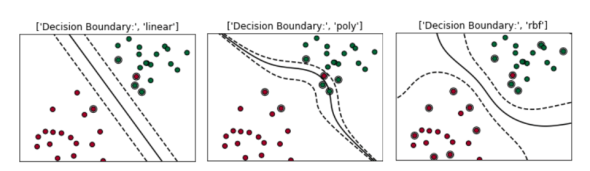
Well it’s been an interesting experience. I’ve been working hard to train a binary classifier to predict the two classes in my data. There has been a lot of ups and downs and more importantly, there has been some progress. It isn’t perfect, but it’s a start, so let’s look at what I’ve got so far and where I’m headed.
Day 86: Or maybe not…

Even my cat doesn’t like the news.
Last post I had triumphantly declared that I had scheduled my QE date…. wellllllll maybe not. I had a last minute email from one of my committee members saying they had another obligation that day that they had forgotten about. So today let’s talk about why that is okay, even though it isn’t really.
Day 85: My QE date is set
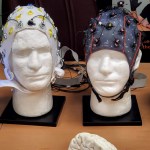
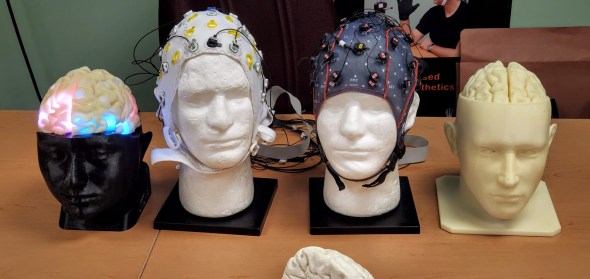
Sometimes you need to get… a head. See what I did there?
Well it happened, the date for my qualifying exam has been set. I’m nervous, I’m excited, I’m mostly just anxious to get it done. Quite frankly I’m exhausted, so it will be nice to get one thing off my to-do list. Let’s look at how I need to get ready.
Day 84: Model training progress
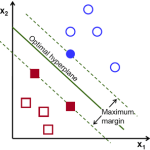
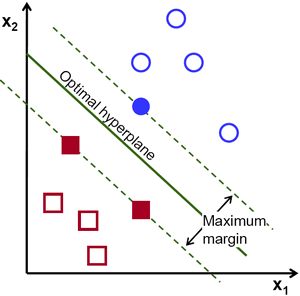
Two dimensional data is easier to visualize than 202 dimensional data.
I don’t normally leave my computer on 24 hours a day, but it has been hard a work, so it hasn’t been off in days. Training a model can take some time, as I am finding out and while I’ve made progress on the resulting model, it’s still not where I want it. Let’s talk about what has been going on.
Day 83: An unexpected gift


I’ll let you in on a secret, I’ve been doing science outreach on a regular basis for the past 3-4 years now. Specifically with Skype a scientist I’ve volunteered every term since it was pretty much first started. My secret, if not horribly kept, is this… I am ALWAYS nervous to give my talk. That doesn’t mean it isn’t worth it and let me explain why.
Day 82: Congrats, it’s an overfit model
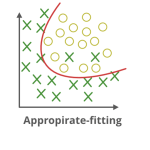
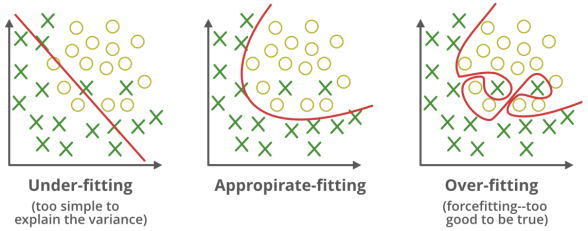
There I was patiently waiting for my data to finish being processed, an hour, two, time kept moving as did the little animation letting me know that the algorithm was still doing its thing. Then it was done, I had a new, more complete model and it was glorious… until it wasn’t.
Day 81: Creating a Model
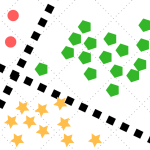
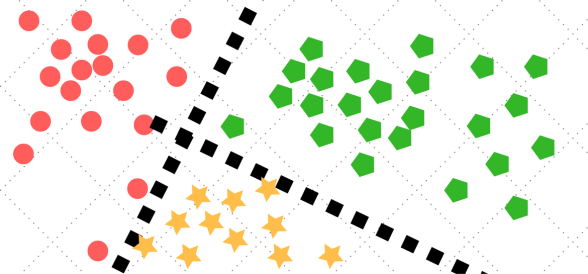
Today is going to be a long day. I’m training a model using some data I’ve collected. Now, depending on your background that sentence either meant something to you or was complete gibberish. In either case, let’s talk about what I’m doing, even though I can’t get into specifics about my data.
Day 80: Experimental Design
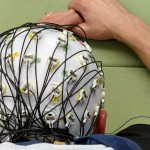
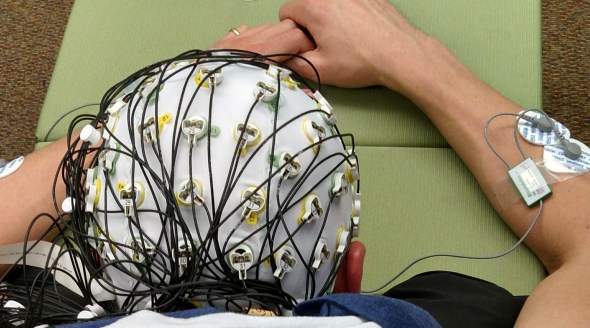
I have funding for an experiment. Well let me rephrase, I’ve had funding for an experiment. It’s new, it’s exciting, it’s everything I wanted it to be… but there is a catch. My PI and I don’t see eye to eye regarding the experimental protocol. It’s not a matter of a fledgling PhD student thinking he knows better, he is well know for losing sight of the big picture in favor of collecting as much data as he possibly can.
Day 79: QE update


As promised from last post, I have an update regarding my QE. This will be brief, but there are a few final things I need to get done before I can do my presentation so let’s talk about that!
Day 78: The Qualifying Exam


It never occurred to me that this was unique to the American higher education system. However, when I was having a conversation with an overseas collaborator at the Bristol Robotics Lab in the UK, I got a confused response when I mentioned I was getting ready to do my qualifier.
Day 77: Sometimes life gets in the way
Well it looks like it’s another day without a post, don’t worry I’m not making it a habit, but I’ve had some personal issues come up today that I needed to deal with. Not to worry though, I’ll be back at it tomorrow.
Until next time, don’t stop learning!
Day 76: Organization


Today is going to be a busy one. Not for me exactly, but my computer will be busy cracking away at the code I wrote. Unfortunately it takes FOREVER to run, but it got me thinking about MATLAB and how we write code for everything. More to the point, it got me thinking about how I organize my files.
(more…)
Day 75: Deadlines in Academia


Getting a PhD is a weird process. Sometimes it seems like everything is falling apart and somehow (hopefully) it comes together in the end. To that point, in an academic setting, deadlines tend to group together. For instance I have not one, not two, not three, not even four, but five deadlines coming up back to back. Today, let’s talk about why that is in my case.
(more…)
Day 74: Finding your motivation


You don’t want to do it. I don’t blame you, I wouldn’t want to do it either. So what do you do when the work is piling up and the weight of things in your to do box is so massive that you feel like you can’t move? Well first, remember you’re not alone. Next, …well that depends on you.
(more…)
Day 73: Halloween!!

Today is Halloween, my favorite holiday! I don’t usually do anything too spectacular for the day, it’s more of an excuse to binge horror movies and enjoy the halloween candy I bought. In the spirit of halloween, I don’t plan on posting anything major today. We can get into it tomorrow, but as I’ve mentioned over the course of the last 72 days, taking a break can be a good thing.
If you are looking for a ghoulish reading treat, I recommend my yearly post on the REAL zombies of nature! Be warned, it’s not for the squeamish, that’s for sure! In lieu of my usual sign off, let’s just say
HAPPY HALLOWEEN!!!

Day 72: The dreaded email…

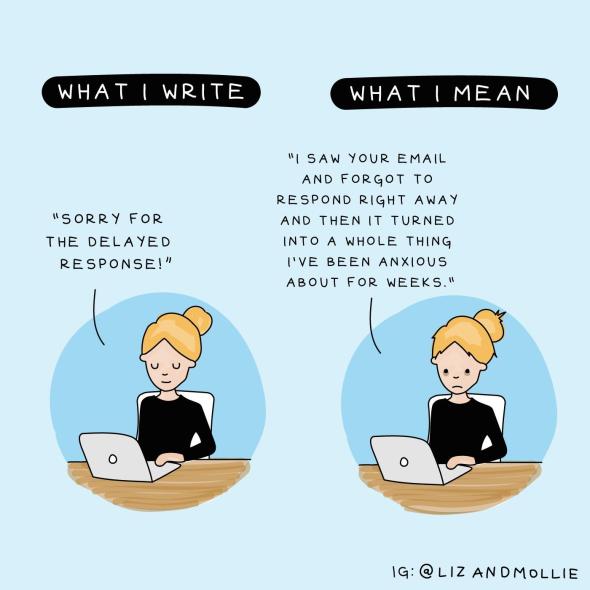
Fun fact, no one ever enjoyed sending an email. Least of all an email to someone you’ve never met, not just an email, a cold email. In the spirit of halloween, let’s talk about the scariest thing I can think of outside of the horror of finding no significance in your data.
Day 71: Busy, busy, busy!
A quick update since I have a lot of work going on today. Originally, I has some outreach planned for the day, but that had to be rescheduled. I also had a very thorough review of my qualifying exam project with some very exciting results. Once I reschedule for the actual QE, I’ll talk more about that research, but I typically devote an hour or more to writing these posts and I cannot do that today. I anticipated this though and even included it in my original post, in any case, I have another Skype a scientist session scheduled for tomorrow, but I should have more time to devote to the blog after (or maybe before, who knows).
Until next time, don’t stop learning!
Day 70: The art of goal setting
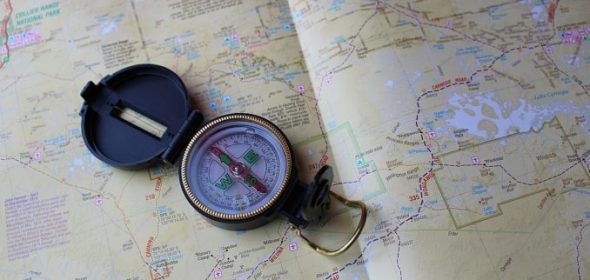
Some days I feel zero motivation to do anything. Usually I indulge those feelings because if I don’t it won’t go away, more importantly if I don’t then I sit in front of a computer/book/etc. and get almost zero accomplished. Frankly, I think trying to power through the feeling and get work done just isn’t healthy and experience has shown it does absolutely nothing for me. This brings me to the topic of the day, goal setting!
(more…)
Day 69: The PERFECT daily routine


This week we’ve taken a break from the math (well statistics if we want to be exact) and have looked at some of the other things that go on when doing your PhD. Tomorrow we (may) get back to the concepts, but today let’s talk about the perfect daily routine.
Day 68: Hobbies are important!

All work and no play… well you know how the saying goes. Here in the US we have this mindset where it’s work all day every day. That is probably one of the reasons we have such high rates of depression (we as in people pursuing a PhD). Sure one of my hobbies is blogging, I enjoy it and it is a great way to review the things I’ve been learning, but I have others and today I think we should talk about why that is important. (more…)
Day 67: On being a student coordinator

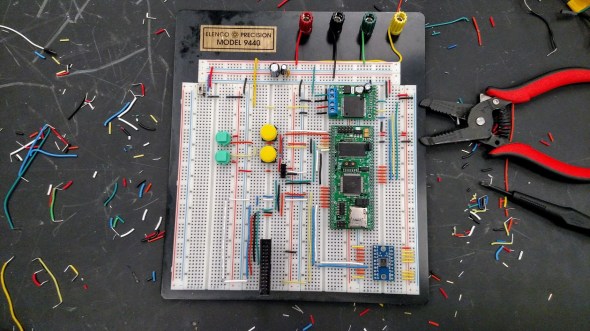
Look at my beautiful wiring job!!!!
I figure we can finish out the week by talking about yet another project that doesn’t involve my research. I’m a student chair for a workshop for neurotech entrepreneurs. Fun fact: I’ve never done this before. Yep, there has to be a first time for everything you do and this will be my first time attempting to run one of these things. Let’s talk about what that looks like. (more…)
Day 66: Sometimes we learn more from failure

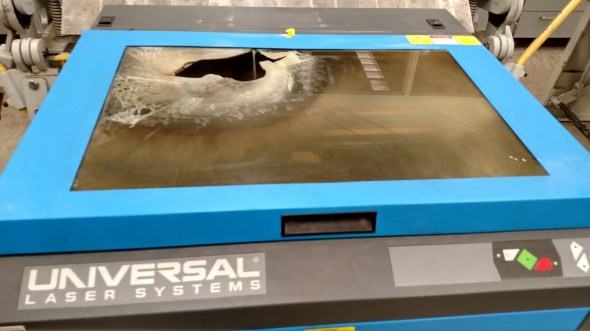
Not everything can be safely laser cut…
It has been a busy week, as you’ve seen I’ve had not one, but two Skype a scientist sessions in one day, then we did some outreach with some local 4th graders, yesterday I even posted photos of the event. Yesterday I also had a conference call to help set up an event that I’m helping run for neurotech entrepreneurs. If you follow me on twitter, you know I’ve pushed people to apply for it. So let’s talk about what I’ve got going on today!
Day 65: Lab Tour photos
As you may have seen, yesterday we had our lab tour group come through. So today I just wanted to share a few photos from the time they had with us, it was a lot of fun and hopefully we inspired a few kids!
Day 64: Lab Tours!

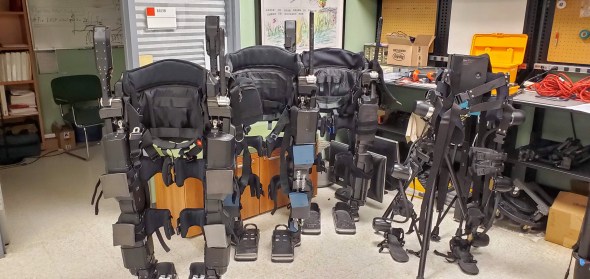
Just hanging out with some exoskeleton friends.
When doing your advanced degrees (Masters or PhD) you end up with a lot of different responsibilities that have nothing to do with your education. That isn’t to say that it isn’t an important thing or that I hate doing it, you just don’t learn anything with regard to your study subject. Today is one of those days, let’s talk about it.
Day 63: The Importance of Science Outreach

Today is Skype a Scientist day! Every term I volunteer my time and try to explain my journey, my research, and my pitfalls with students all over the US. Technically this is my second session (of six!) this term, but I wanted to talk about why I do what I do today. So if you’re interested in what it’s all about, keep reading.
Day 54: The Science Behind Real Zombies

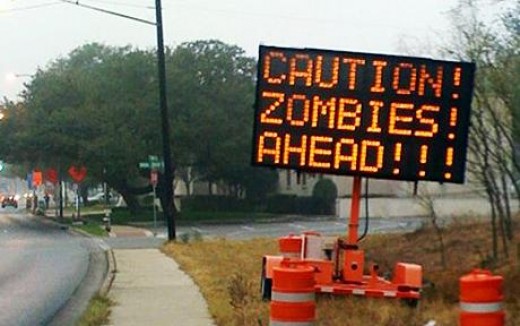
Time for a break from stochastic processes, at least for the moment. Every year here we update and post our favorite Halloween tradition! So today we bring you the science fact and fiction behind the undead. Zombies, those brain loving little things are everywhere. Sure, we are all familiar with the classic zombie, but did you know that we aren’t the only zombie lovers out there? It turns out that nature has its own special types of zombies, but this isn’t a science fiction movie, this is science fact! Sometimes fact can be scarier than fiction, so let’s dive in. Let’s talk zombies.
Day 22: Parametric vs. NonParametric Statistics


Technically we could call this parametric statistics part 2. However, since we are covering nonparametric statistics and more importantly the difference between parametric and nonparametric statistics, it would seem that this title makes more sense. As usual with a continuation, you probably want to start at the beginning where we define parametric statistics. Ready to get started?*
Day 21: Defining Parametric Statistics
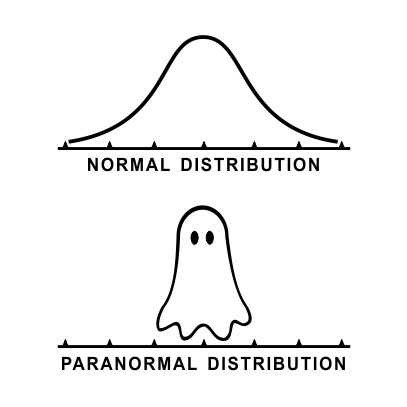
It’s halloween time, we are talking about normally distributed data, so this fits, and I don’t want to hear otherwise!
Well my lovely readers, we’ve made it to the three week mark, 5.7% of the way through! Okay maybe that doesn’t seem like a big deal written like that, but hey it’s progress. So last post we had our independence day, or rather defined what it meant to have independent events vs. dependent events. We also said it was an important assumption in parametric statistics that our events are independent, but then we realized we never defined what parametric statistics even is, oops. So let’s stop dragging our feet and talk parametric statistics!*
Day 20: Independent Events
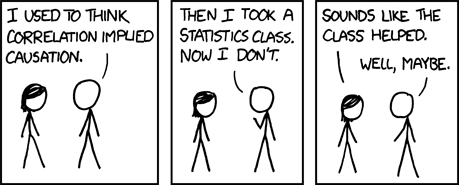
By: xkcd
Because we introduced the central limit theorem last post, it’s time to introduce another important concept. The idea of independent events, while this may seem intuitive, it is one of the assumptions we make in parametric statistics, another concept we will define, but for now let’s jump into independence.*
Day 19: The Central Limit theorem

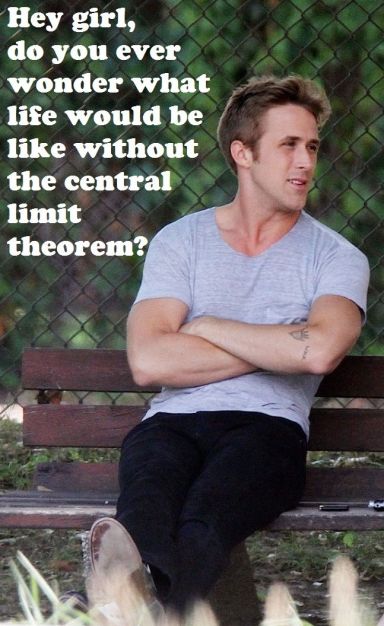
Well here we are again, if you recall from our last post, we talked Bonferroni Correction. You may also recall that when the post concluded, there was no real topic for today. Well after some ruminating, before we jump into more statistics, we should talk about the central limit theorem. So let’s do a quick dive into what that is and why you should know it!*
Day 18: The Bonferroni Correction


By now we are masters of statistics… right? Okay, not really, but we are getting there. So far we’ve covered two types of errors, type 1 which you can read about here, and type 2 which you can read about here. Armed with this new knowledge we can break into a way to correct for type 1 errors that come about from multiple comparisons. Sound confusing? Well, not for long, let’s break it down and talk Bonferroni.*
Day 17: Type 2 errors


Last post we did a quick bit on type 1 errors. As with anything, there is more than one way to make an error. Today we are talking type 2 errors! They are related in the sense and we’ll go over what that means and compare the two right… now!*
Day 16: Type 1 errors


We did it, we cracked the coin conundrum! We managed the money mystery! We checked the change charade! We … well you get the idea. Last post we (finally) determined if our coin was bias or not. Don’t worry, I won’t spoil it for you if you haven’t read it yet. I actually enjoyed working through a completely made up problem, so if you haven’t read it, you really should. Today we’re going to talk dogs, you’ll see what I mean, so let’s dive in.*
Day 15: Significance, Part 3
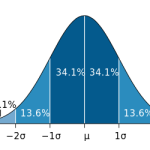
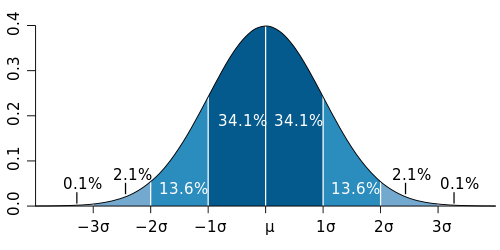
Where does our observation fall on the probability density function?
It looks like we’ve arrived at part 3 of what is now officially a trilogy of posts on statistical significance. There is so much more to say I don’t want to quite call this the conclusion. Instead, let’s give a quick review of where we left off and we can get back to determining if an observed value is significant.*
Day 14: Significance, Part 2


Z-score bar graph that I made just for all of you using some data I had laying around. If you’re new to statistics it may not make sense, but rest assured we will make sense of it all!
Well here we are two weeks into 365DoA, I was excited until I realized that puts us at 3.8356% of the way done. So if you remember from last post we’ve started our significance talk, as in what does it mean to have a value that is significant, what does that mean exactly, and how to do we find out? Today is the day I finally break, we’re going to have to do some math. Despite my best efforts I don’t think we can finish the significance discussion without it and still manage to make sense. With that, let’s just dive in.*
Day 13: Significance, Part 1
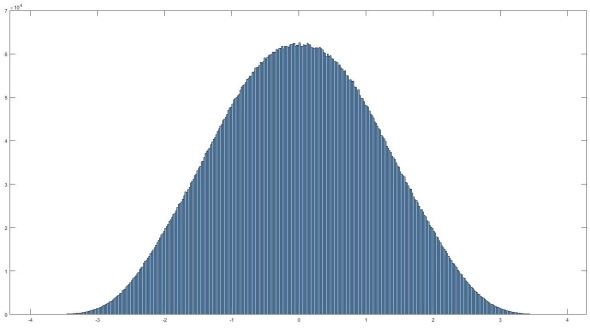
Histogram of normally distributed data. It looks very… nomal. No it really is normally distributed, read on to find out what that means and how we can use it.
If you’ve read my last post I hinted that today we would discuss filtering. Instead I think I want to take this a different direction. That isn’t to say we won’t go over filtering, we most definitely will. Today I want to cover something else though, significance. So you’ve recorded your signal, took an ensemble average, and now how do we tell if it actually means something, or if you are looking at an artificial or arbitrary separation in your data (IE two separate conditions lead to no difference in your data). Let’s look at significance.*
Day 12: Signal, cutting through the noise
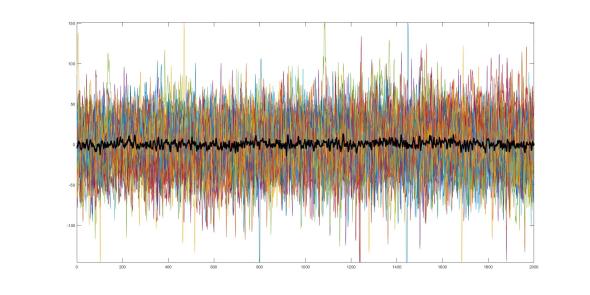
45 separate trials of very noisy data with the average of those trials (black). Believe it or not, this is actually very useful and very real data from something I am currently working on.
Noise, it can be troublesome. Whether you are studying and someone is being loud or you are trying to record something, noise is everywhere <stern look at people who talk during movies>. Interestingly enough the concept of noise in a signal recording sense isn’t all too different from dealing with talkative movie goers, so let’s talk noise!*
Day 11: Why even use the spectrogram?
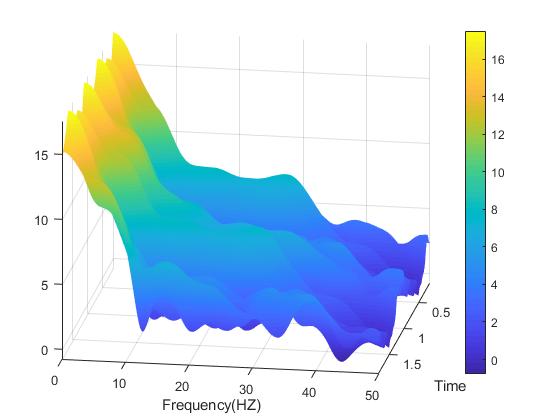
A spectrogram plot rotated so we can see all three dimensions.
So you wanna use a spectrogram… but why? What does a spectrogram do that we can’t do using some other methods for signal processing? As it turns out, there is a lot of reasons you may want to use the spectrogram and today we are going to cover some of those reasons and number four may shock you! (okay not really, what do you think this is a clickbait website?)*
Day 10: Spectrogram vs. the banana of uncertainty
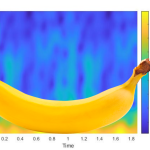
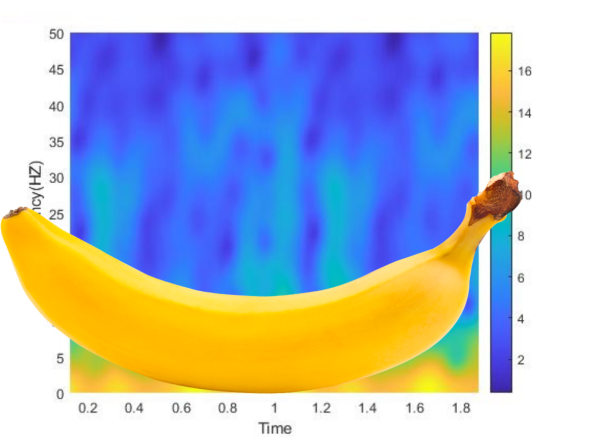
The banana of uncertainty (okay, it’s not a real banana)
Well ten days in and we’ve just introduced the idea of the spectrogram. While a lot of this information is just the broad strokes, I like to think that we’ve covered enough to give you a good idea about how to use these tools and what they are used for. However, we do need to discuss a limitation to the spectrogram, something called the banana of uncertainty, okay not quite the name, but you’ll see why I keep calling it that.*
Day 9: Reading a Spectrogram
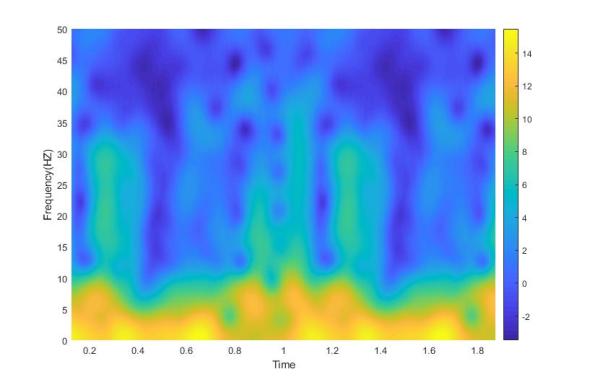
Definitely not the same spectrogram as yesterday, no really look. Now for the part where I tell you how to read this thing…
Last post we introduced a new tool in our arsenal of signal processing analysis, the spectrogram. Without knowing how to read it, it just looks sort of like a colored mess. Don’t get me wrong, it is an interesting looking colored mess, but a mess nonetheless. Well today we are going to talk about how to interpret the plot and why exactly we would ever use this seeming monstrosity.*
Day 8: The Spectrogram Function
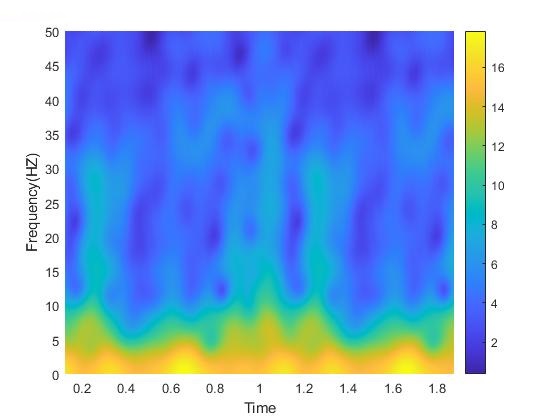
Example spectrogram from some data I had recently processed
To (somewhat) continue with our signal processing theme that we have going on at the moment, over the next few days, let’s look at something called the spectrogram. It’s three dimensions of fun!*
Day 3: Power Spectral Density Overview
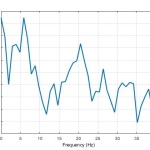


In our last post we introduced the two main characters in this story of spectrogram. On one end we have Welch’s method (pwelch) on the other end we have the Thomson multitaper method (pmtm). As promised here is a awful basic breakdown of why is more than one way to compute power spectral density (in fact there are several, far more than the two I’m talking about). So, let’s just dig right in!*
Day 2: Power Spectral Density (pmtm)
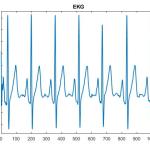
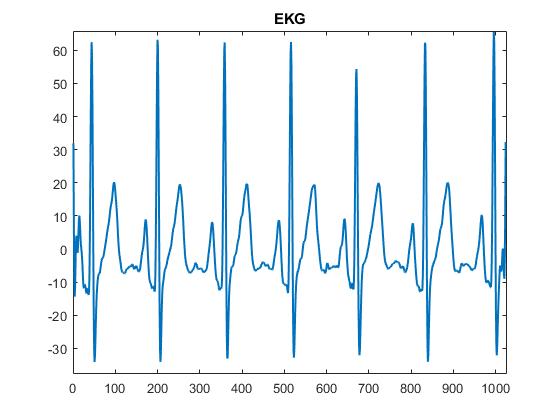
A example EKG signal
This is a (somewhat) continuation on what we were discussing in the previous post. We covered the pwelch MATLAB function, this time we will cover the PMTM function, this function uses the Thomson multitaper method to calculate power spectral density. We can do a deep dive into the differences between the two next time, but for now let’s talk about the command itself.*
The power of indifference an open letter to the scientific community
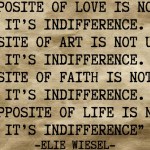
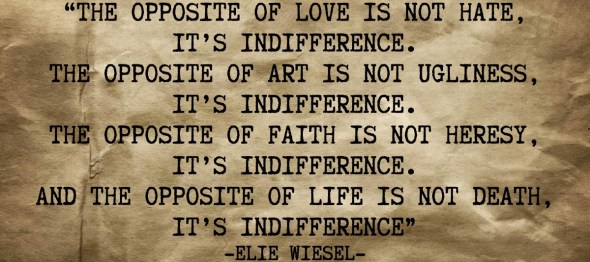
Suddenly your absent-minded thoughts are shattered by a loud noise. Quickly you look around, to the left of you, you see it, and a child has been shot, you see them bleeding heavily. People are standing around with their phones, some calling emergency services, some filming, but most looking confused and scared. No one is actively trying to help; you hear that they are afraid that the person, or persons, who shot the child is still around. What do you do next, do you choose indifference, or do you help?
Trumped: Why the election is a symptom of a bigger problem


Right now you are probably thinking that I am going to unleash some poorly thought out diatribe about president elect Trump. No, that is not going to happen. It is not going to happen because he is not the problem, you are the problem, I am the problem, and we are the problem. That goes for those of you who are atheists, Catholics, Muslims, conservatives and liberals, or anything in-between.
The science behind real life zombies
In the spirit of Halloween we bring you the science fact and fiction behind the undead. Zombies, those brain loving little guys, (and girls) are everywhere. Sure, we are all familiar with the classic zombie, but did you know that we aren’t the only zombie lovers out there? It turns out that nature has its own special types of zombies, but this isn’t a science fiction movie, this is science fact! Sometimes fact can be scarier than fiction, so let’s dive in.
Study uncovers brain changes in offending pedophiles


New research reveals that certain alterations in the brain may be present in pedophiles, with differences between hands-on offenders and those who have not sexually offended against children.
Your BMI might affect your brain function
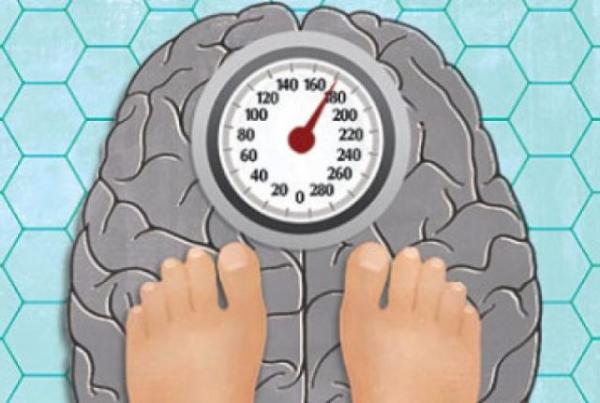
There are plenty of reasons it’s important to maintain a healthy weight, and now you can add one more to the list: It may be good for your brain. Researchers have found that having a higher body mass index, or BMI, can negatively impact cognitive functioning in older adults.
A new view of the immune system
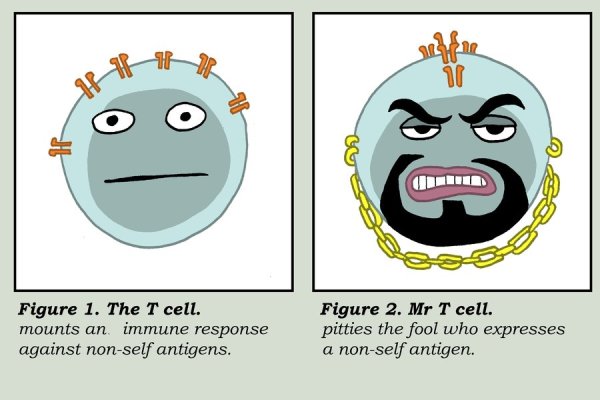
Pathogen epitopes are fragments of bacterial or viral proteins. Attached to the surface structure of cells, they prompt the body’s immune system to mount a response against foreign substances. Researchers have determined that nearly a third of all existing human epitopes consist of two different fragments. Known as ‘spliced epitopes’, these types of epitopes have long been regarded as rare. The fact that they are so highly prevalent might, among other things, explain why the immune system is so highly flexible.
Oligodendrocyte selectively myelinates a particular set of axons in the white matter

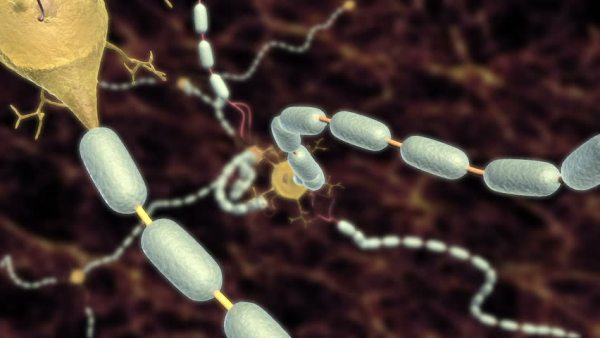
There are three kinds of glial cells in the brain, oligodendrocyte, astrocyte and microglia. Oligodendrocytes myelinate neuronal axons to increase conduction velocity of neuronal impulses. A Japanese research team found a characteristic feature of oligodendrocytes that selectively myelinate a particular set of neuronal axons.


 Lunatic Laboratories